
In the sprawling landscape of social media, where billions of users connect, share, and interact daily, a unique identifier is the bedrock of every profile. Just as a fingerprint distinguishes an individual, a digital ID serves to uniquely identify a user within a platform’s vast ecosystem. For users of Vkontakte (VK), the dominant social media platform in Russia and neighboring countries, this fundamental identifier is known as the VK ID. Far more than just a random string of numbers, the VK ID is the technical backbone of your presence on the platform, influencing everything from account security to third-party integrations.
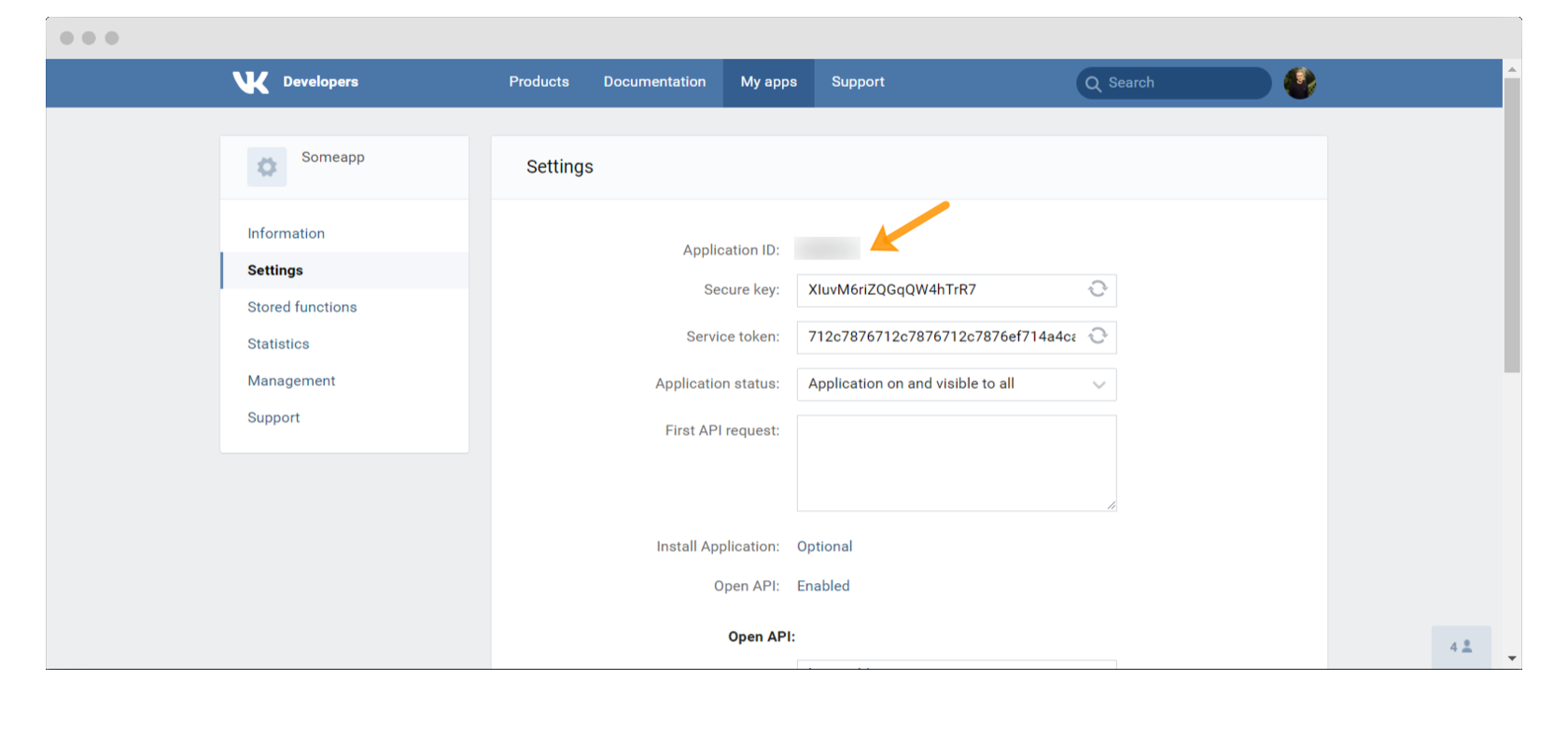
Understanding what a VK ID is, how to find it, and its various applications is crucial for any VK user, developer, or digital marketer operating within this sphere. This article delves into the core concept of the VK ID, exploring its technical significance, practical uses, and its role in the broader digital identity framework of one of the world’s largest social networks.
The Fundamental Role of a VK ID
At its heart, a VK ID is a unique numerical string assigned to every user profile, community page, or application within the Vkontakte platform. It is the original, immutable identifier that the platform’s backend systems use to track and manage every entity.
More Than Just a Number: The Unique Identifier
When you create a profile on VK, the system automatically assigns you a distinct numerical ID. This ID is permanent and does not change, even if you modify your username, display name, or profile URL. For instance, a user might have a profile URL like vk.com/id12345678 or a customized short name like vk.com/johndoe. While the latter is user-friendly and memorable, 12345678 remains the user’s underlying VK ID.
This numerical identifier ensures absolute uniqueness within the VK database. Unlike usernames or custom URLs, which can be changed or are subject to availability, the VK ID serves as a persistent, unalterable reference point. This characteristic is vital for the platform’s integrity, ensuring that every piece of data – from posts and photos to friendships and messages – is correctly associated with the intended account.
Why Every VK Profile Has One
The necessity of a VK ID stems from the fundamental principles of database management and system architecture. Imagine a library without a unique catalog number for each book; chaos would ensue. Similarly, a social network relies on unique identifiers for several critical functions:
-
Database Indexing: VK IDs act as primary keys in the platform’s databases, allowing for efficient storage, retrieval, and referencing of user data. When you search for a friend, send a message, or like a post, the system uses VK IDs behind the scenes to perform these operations swiftly.
-
Account Management: For VK’s internal systems, the VK ID is the definitive way to distinguish one user from another. This is crucial for managing account settings, permissions, and handling support queries.
-
Interoperability: When VK interacts with external services or APIs, the VK ID often serves as the common denominator for identifying users securely and consistently across different applications.
-
Historical Record: Even if an account is deleted or deactivated, its VK ID might be retained in some form (e.g., for moderation purposes or to prevent re-registration with the same historical data), maintaining a comprehensive record within the system.
Differentiating from Usernames and Custom URLs
It’s common for users to confuse their VK ID with their custom short name or username. While both serve as ways to identify a profile, their nature and function differ significantly:
-
VK ID (
idXXXXXXXXX): This is the immutable, numerical primary identifier. It’s automatically generated and cannot be changed by the user. It is the technical address of your profile. -
Custom URL/Short Name (
vk.com/yourname): This is an optional, user-defined alphanumeric string that replaces theidXXXXXXXXXpart of the URL. It’s chosen for convenience, memorability, and personal branding. You can change your custom URL, provided the desired name is not already taken. -
Display Name: This is the name (e.g., John Doe) that appears prominently on your profile. It’s also user-changeable and is distinct from both the VK ID and custom URL.
While the custom URL provides a human-readable and shareable link, the VK ID remains the foundational technical identifier. When someone shares vk.com/johndoe, the VK system internally resolves johndoe back to the corresponding numerical VK ID to access the correct profile data.
Navigating VK: How to Locate Your VK ID
Finding a VK ID, whether your own or someone else’s, is a straightforward process, though the exact steps might vary slightly between desktop and mobile interfaces. Knowing how to locate these IDs is not just a curiosity; it’s a practical skill for various technical and administrative tasks.
Finding Your Own VK ID
The simplest way to find your own VK ID is by looking at your profile URL:
-
Via Desktop Browser:
-
Log in to your VK account.
-
Click on your profile picture or name in the top-right corner to navigate to your profile page.
-
Look at the URL in your browser’s address bar.
-
If you haven’t set a custom URL, it will look something like
https://vk.com/id12345678. Your VK ID is the number12345678. -
If you have a custom URL (e.g.,
https://vk.com/mycustomname), the ID isn’t directly visible. In this case, you can:-
Go to “Edit Profile” (usually found under your profile picture or in settings).
-
Scroll down to the “General” or “Profile Address” section. Your numerical ID might be displayed there, or you might see an option to revert to the numerical ID, which will temporarily display it in the URL.
-
Alternatively, you can open any of your photos or posts, and click on your name in the comments or post details. This will sometimes display the numerical ID in the URL, especially if it’s an older post.
-
-
-
Via Mobile App:
-
Open the VK app and go to your profile.
-
Tap the three dots (menu icon) usually in the top-right corner of your profile.
-
Look for an option like “Copy link” or “Share profile.” When you copy the link, paste it into a note or messenger app. If it’s a numerical ID, it will appear directly; if it’s a custom URL, the ID might not be immediately visible through this method.
-
A more reliable method in the app is often to navigate to a photo you’ve posted, tap on your own name/profile icon there, and then view the URL if an option exists, or check the ‘About Me’ section in profile settings for a permanent ID display.
-
Retrieving Another User’s VK ID
Identifying another user’s VK ID follows a similar logic:
-
From Their Profile URL:
-
Navigate to the user’s profile page.
-
Examine the URL in the browser’s address bar.
-
If the URL is in the format
https://vk.com/id12345678, then12345678is their VK ID. -
If the user has a custom URL (e.g.,
https://vk.com/someuser), the ID is not directly visible. In this scenario, you can:-
Inspect Page Source (Desktop): Right-click anywhere on the user’s profile page and select “View Page Source” or “Inspect Element.” Search for “userid” or “ownerid” within the HTML. The numerical value associated with these tags is often the VK ID. This is a more technical approach.
-
Use a Third-Party VK ID Finder Tool: Several online tools exist that can resolve a custom VK URL back to its numerical ID. You simply paste the custom URL into the tool, and it will provide the corresponding VK ID. Exercise caution when using such tools, ensuring they are reputable.
-
Check Photo/Post URLs: Sometimes, hovering over or clicking on an image or post by that user might reveal the ID in the URL structure (e.g.,
photo-ID_PHOTOIDwhere the first ID is the owner’s VK ID).
-
-
The Mobile Experience: Finding IDs on the Go
While the principles remain the same, the mobile app often abstracts away the direct URL view. As mentioned, copying a profile link is the primary method. For custom URLs on mobile, identifying the underlying VK ID can be trickier without developer tools or specific in-app features that expose it. However, the VK app usually handles all internal linking via the underlying VK IDs, so explicit knowledge of them is less critical for casual use on mobile. For deeper dives or specific tasks, switching to a desktop browser might be more efficient.
The Practical Applications and Importance of Your VK ID
Beyond its role as a mere identifier, the VK ID serves numerous practical functions that impact security, integration, and community management. Its utility extends far beyond simply distinguishing one profile from another.
Account Recovery and Security Measures
The VK ID is a cornerstone of account security and recovery. In scenarios where you lose access to your account due to forgotten passwords, compromised emails, or phone number changes, providing your VK ID can significantly streamline the recovery process. Since it’s a permanent and unique identifier, VK support can use it to definitively locate your account, verify ownership, and assist in regaining access.
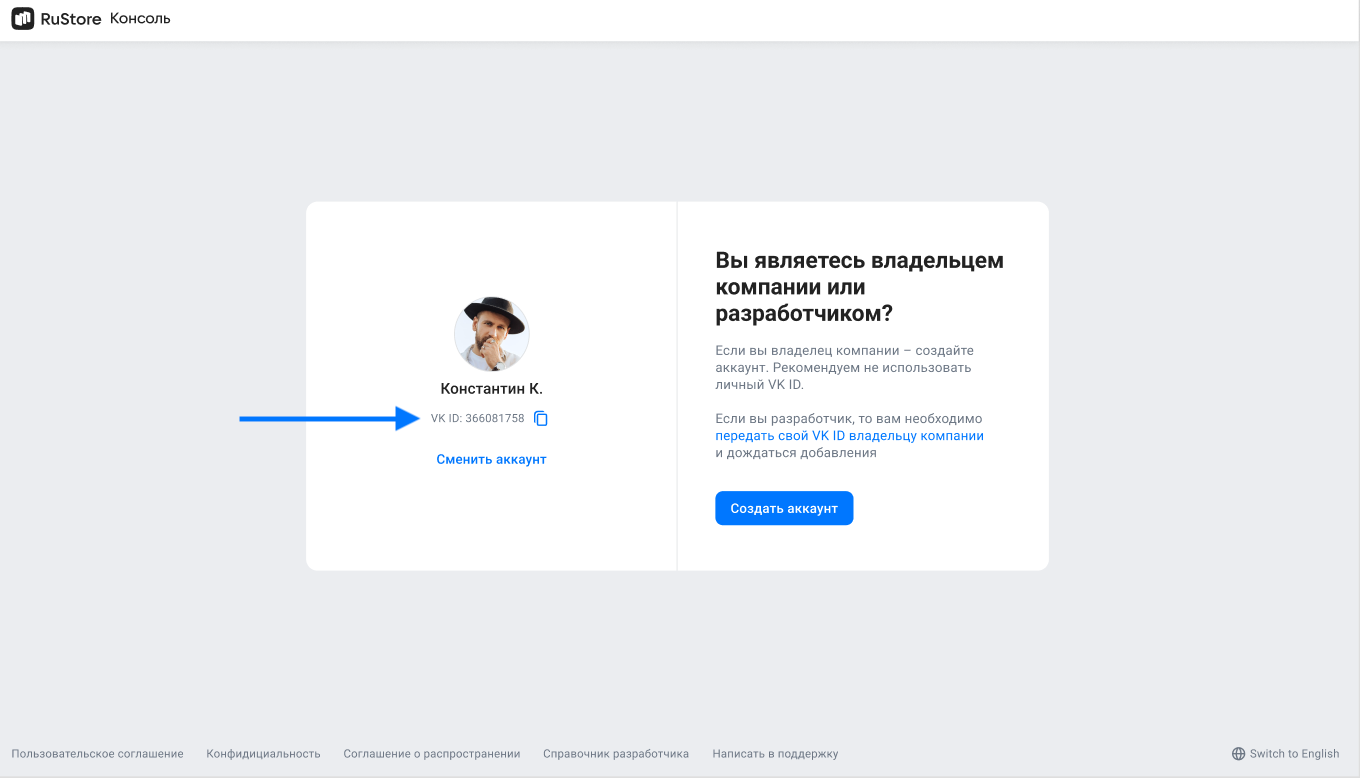
Moreover, the VK ID can sometimes be used in conjunction with other personal data (like name, date of birth, associated phone number/email) to confirm your identity during security checks. It’s a foundational element in proving that you are the legitimate owner of an account, especially when other identifiers are compromised or unavailable.
Integration with Third-Party Applications and Services
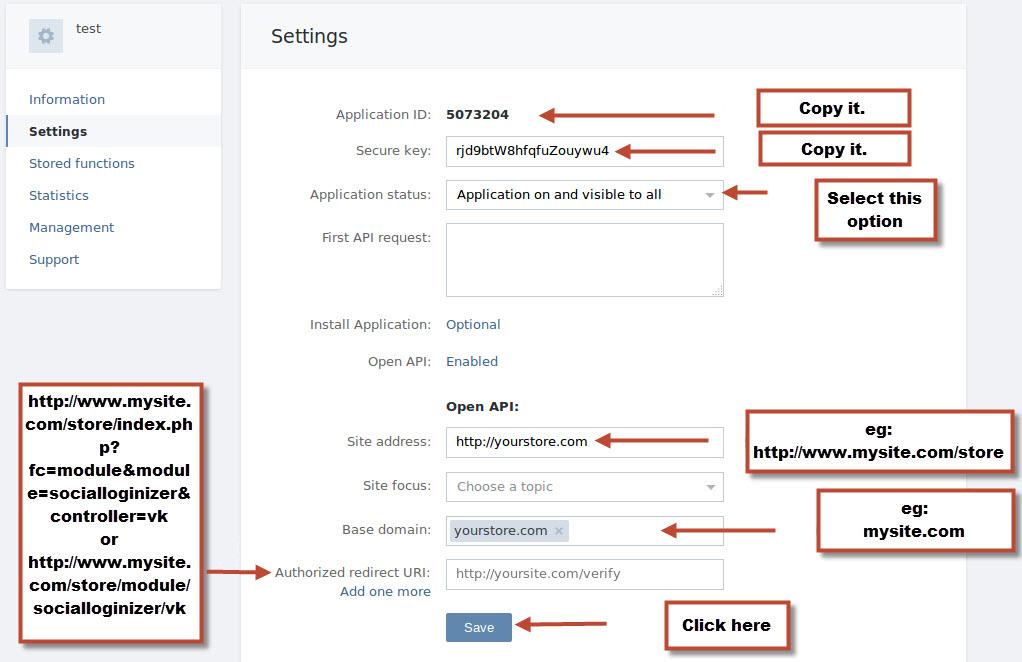
Many third-party applications, games, and websites use VK’s API (Application Programming Interface) for various purposes, from social login to data synchronization. The VK ID is the key piece of information exchanged during these integrations.
-
Social Login: When you choose “Log in with VK” on an external website or app, the VK platform authenticates you and typically shares your VK ID with the third-party service. This allows the service to uniquely identify you, retrieve specific public profile information (with your permission), and link your VK identity to their own user accounts.
-
Gaming: Many online games, particularly those popular in the VK region, allow players to connect their game profiles with their VK accounts. The VK ID is used to link game progress, facilitate social features, and even enable in-game purchases tied to the VK ecosystem.
-
Data Synchronization: Developers leverage VK IDs to synchronize user data, personalize experiences, or offer VK-specific features within their applications, such as finding VK friends who also use their service.
Community Management and Moderation
For VK community administrators and moderators, VK IDs are indispensable tools for maintaining order and managing members effectively.
-
Member Identification: Admins can quickly identify specific users by their VK ID, even if they frequently change their display name or custom URL. This is crucial for tracking repeat offenders or verifying user identities for specific roles or permissions.
-
Banning and Restrictions: When a user violates community guidelines, their VK ID is used to implement bans, restrictions, or other moderation actions. This ensures that the ban applies to the specific account regardless of any subsequent name changes.
-
Targeted Communication: In large communities, an admin might need to communicate with a specific user. Knowing their VK ID allows for precise identification, especially when multiple members might share similar display names.
Data Privacy and User Anonymity Considerations
While the VK ID is a public identifier (anyone can see it in your profile URL), its direct implications for privacy are generally low. It doesn’t inherently reveal personal information like your real name, location, or contact details unless you have publicly shared them on your profile.
However, in the context of data analytics or targeted advertising, VK IDs can be aggregated with other public data points to build a more comprehensive profile of a user. For users concerned about anonymity, understanding that their VK ID is a persistent public identifier is important. It’s the stable anchor around which all their publicly available VK activity revolves. While it doesn’t leak private data on its own, it facilitates the aggregation of publicly visible information.
Advanced Insights: VK ID in the Broader Digital Ecosystem
The VK ID is not merely a static number; it is a dynamic component within a complex technical architecture, playing a crucial role for developers and influencing security practices.
The Technical Backbone: How VK Processes IDs
Behind the user-friendly interface, VK’s infrastructure relies on the VK ID for efficient data management. Each VK ID likely corresponds to a unique entry in a massive distributed database system. When you load a profile, the system queries this database using the VK ID as the primary key to retrieve all associated data: photos, posts, friends, messages, and settings.
This use of a simple, incremental (or randomized for security) numerical ID allows for extremely fast database lookups and indexing. It’s more efficient for machines to process fixed-length numerical IDs than variable-length alphanumeric usernames or custom URLs. This efficiency is critical for a platform handling billions of daily requests.
Developers and the VK API: Leveraging IDs for Innovation
For developers, the VK API (Application Programming Interface) is the gateway to interacting with the VK platform programmatically, and the VK ID is the key that unlocks much of its functionality. Developers use VK IDs for a multitude of purposes when building applications, bots, and services:
-
Fetching Profile Data: An app can use a VK ID to request public profile information (name, avatar, status, etc.) about a specific user.
-
Sending Messages/Notifications: Bots or applications can use VK IDs to send messages or notifications directly to users who have authorized the app.
-
Managing Groups/Communities: Group administration tools often rely on VK IDs to identify members for moderation, role assignment, or sending group-specific communications.
-
User Tracking for Analytics: Developers might track user engagement within their apps by associating user activity with their VK ID.
-
Building Custom Features: From specialized search tools to social games, the VK ID enables developers to create rich, interactive experiences that integrate seamlessly with the VK social graph.
The robust and consistent nature of the VK ID ensures that applications built on the VK API remain stable and reliable, as they always have a definitive way to address individual users or entities.
Security Implications and Best Practices
While a VK ID itself is not highly sensitive information, its association with your account makes it a component in overall digital security.
-
Phishing Attempts: Malicious actors might use a known VK ID in targeted phishing attempts, making emails or messages appear more legitimate by referencing the user’s correct ID or linking to spoofed pages that include it.
-
Data Breaches: In the event of a data breach on VK or a third-party service connected via VK ID, the ID might be part of the compromised data. While the ID alone is not enough to breach an account, it can be combined with other leaked information to build more comprehensive profiles for nefarious purposes.
-
Protecting Your Account: The best practice remains strong, unique passwords for VK and any connected services. While you can’t “hide” your VK ID, being vigilant about unsolicited messages, suspicious links, and permission requests from third-party apps is crucial. Regularly reviewing which applications have access to your VK account and revoking permissions for inactive or suspicious ones is a good habit.
The Evolution of Digital Identity on VK
The concept of a stable numerical identifier is not unique to VK; it’s a common practice across many digital platforms. However, VK, like other social networks, has evolved its approach to user identity to balance technical efficiency with user-friendliness and personalization.
From Simple Numbers to Customizable Profiles
Initially, many early internet platforms, including social networks, often exposed raw numerical IDs more prominently. As platforms matured, there was a clear shift towards more human-readable and customizable identifiers. VK’s introduction of custom URLs (short names) was a direct response to this need. Users prefer vk.com/theirname to vk.com/id12345678 for sharing and memorability.
This evolution signifies a broader trend in digital identity: platforms strive to offer users more control over their public-facing persona while maintaining a robust, machine-readable backend identity. The VK ID remains the constant, underlying technical anchor, ensuring system stability even as user interfaces become more flexible and personalized.
Future Trends in Social Media Identifiers
Looking ahead, the landscape of digital identity is constantly evolving. While numerical IDs will likely remain a foundational component for backend systems, user-facing identity might continue to diversify. We might see:
-
Enhanced Privacy Controls: Users may gain more granular control over what information (even basic identifiers) is shared with third parties or is publicly visible.
-
Decentralized Identity: Blockchain and decentralized technologies could offer users more control over their digital identities, allowing them to manage their identifiers across platforms without relying solely on a single platform’s central database.
-
Biometric Integration: As biometrics become more common, they could play a role in secure identity verification, though likely as an authentication method rather than a public identifier.
-
AI-driven Personalization: AI could further personalize how identities are presented and interacted with, adapting to context and user preferences.
Ultimately, the VK ID, in its current form, serves as a testament to the efficient engineering required to manage a massive social network. It’s a fundamental piece of technology that underpins every interaction, every connection, and every piece of content on Vkontakte, ensuring that the digital world you experience is coherent, secure, and uniquely yours. Understanding it empowers users to navigate the platform with greater awareness and confidence.
aViewFromTheCave is a participant in the Amazon Services LLC Associates Program, an affiliate advertising program designed to provide a means for sites to earn advertising fees by advertising and linking to Amazon.com. Amazon, the Amazon logo, AmazonSupply, and the AmazonSupply logo are trademarks of Amazon.com, Inc. or its affiliates. As an Amazon Associate we earn affiliate commissions from qualifying purchases.