
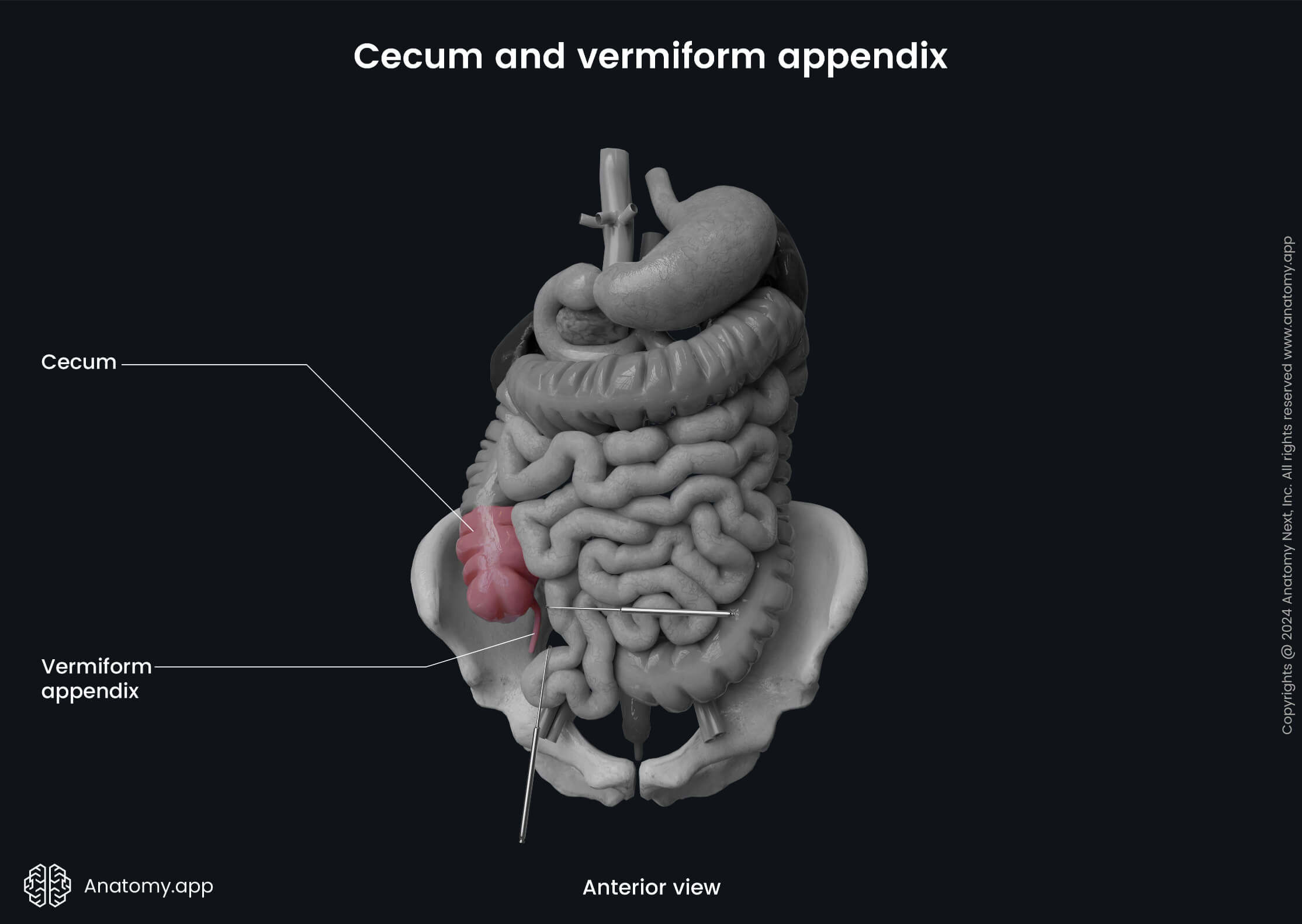
The vermiform appendix, a small, finger-shaped pouch projecting from the large intestine, has long been considered one of the human body’s most perplexing organs. Historically, its primary claim to fame (or infamy) has been its propensity for inflammation, a condition known as appendicitis, which often necessitates emergency surgical removal. For centuries, the appendix has been a subject of medical curiosity, a vestigial remnant to some, a discreet immunological player to others. Yet, in the modern era, our understanding, diagnosis, and treatment of this seemingly simple structure are being profoundly reshaped not just by biological insight, but by a relentless march of technological innovation.

Far from being merely a biological curiosity, the appendix and its associated conditions now serve as a fascinating case study for the application of advanced technology across the healthcare spectrum. From high-resolution imaging that unveils its hidden pathology to AI algorithms predicting disease onset, and robotic systems performing intricate surgeries, the vermiform appendix stands at the crossroads of human anatomy and technological advancement. This article delves into how technology is redefining our relationship with this enigmatic organ, positioning it not just as a part of our digestive system, but as a frontier for technological exploration in medicine.
Advanced Diagnostics: Precision Through Technology
The journey from initial symptoms of appendicitis to definitive diagnosis has been dramatically accelerated and refined by technological breakthroughs. Historically, diagnosis relied heavily on clinical examination, patient history, and often, a degree of educated guesswork. Today, an array of sophisticated diagnostic tools ensures greater accuracy, minimizing unnecessary surgeries and preventing potentially life-threatening complications.
The Power of Imaging: CT, MRI, and Ultrasound
At the forefront of modern appendicitis diagnosis are advanced imaging techniques. Computed Tomography (CT) scans, with their ability to produce detailed cross-sectional images, have become the gold standard for confirming appendicitis. They can accurately visualize an inflamed appendix, detect periappendiceal fluid, and identify complications like perforation or abscess formation. The speed and precision of CT scans allow clinicians to make rapid, informed decisions, significantly reducing diagnostic delays.
Magnetic Resonance Imaging (MRI) offers an alternative, particularly favored for pregnant women and children, due to its lack of ionizing radiation. While slightly longer to acquire, MRI provides excellent soft tissue contrast, proving equally effective in visualizing the appendix and inflammatory changes. Furthermore, ultrasound, a non-invasive and readily available modality, often serves as the initial screening tool, especially in pediatric cases. While operator-dependent, modern ultrasound machines boast higher resolution and advanced Doppler capabilities, enabling clinicians to identify the inflamed appendix and assess blood flow, guiding further diagnostic steps. These technologies not only pinpoint the problem but also characterize its severity, paving the way for tailored treatment.
AI-Driven Predictive Analytics for Early Detection
Beyond traditional imaging, the integration of Artificial Intelligence (AI) and machine learning (ML) is beginning to revolutionize early detection. AI algorithms are being trained on vast datasets of medical images, patient records, and lab results to identify subtle patterns indicative of appendicitis even before overt symptoms manifest or are clearly visible to the human eye. These systems can process complex combinations of data—such as white blood cell counts, inflammatory markers, demographic information, and subtle radiological findings—to generate highly accurate risk scores for appendicitis.
For instance, AI tools can help differentiate appendicitis from other conditions presenting with similar symptoms, like diverticulitis or ovarian cysts, thereby reducing misdiagnosis rates. Predictive models can also forecast the likelihood of complications, allowing for proactive intervention. This paradigm shift from reactive diagnosis to proactive prediction represents a monumental leap in patient care, promising earlier treatment, improved outcomes, and potentially, fewer emergency room visits.
Biomarker Discovery and Lab Automation
Technological advancements in laboratory medicine also play a crucial role. Automated analyzers can rapidly process blood samples to measure inflammatory markers like C-reactive protein (CRP) and white blood cell counts, providing objective evidence of inflammation. Beyond routine tests, sophisticated genetic sequencing and proteomic technologies are paving the way for the discovery of novel biomarkers specific to appendicitis. These biomarkers, if identified and validated, could offer a non-invasive, blood-based test for early diagnosis, further reducing reliance on radiation-emitting imaging and costly procedures. Automated lab systems ensure quick turnaround times, which are critical in acute conditions like appendicitis.
Surgical Innovations: Minimally Invasive and Robotic Interventions
Once appendicitis is diagnosed, technology continues to reshape the surgical landscape, transforming appendectomy from a procedure requiring a large incision and extended recovery to a minimally invasive intervention with quicker recuperation times.
Laparoscopic Appendectomy: A Game-Changer
The advent of laparoscopic surgery, often referred to as “keyhole surgery,” marked a pivotal moment in the management of appendicitis. Instead of a single large incision, laparoscopic appendectomy involves several small incisions through which a camera (laparoscope) and specialized surgical instruments are inserted. The surgeon views the internal anatomy on a monitor, performing the procedure with enhanced visualization and precision.
The benefits of this technology are manifold: significantly less post-operative pain, smaller scars, reduced risk of infection, shorter hospital stays, and a faster return to normal activities for patients. Laparoscopy also allows for better exploration of the abdominal cavity, enabling the surgeon to identify and address other potential issues that might mimic appendicitis symptoms.
The Rise of Robotic-Assisted Surgery
Building on the foundation of laparoscopy, robotic-assisted surgical systems represent the next evolutionary step. Systems like the da Vinci Surgical System provide surgeons with enhanced dexterity, tremor filtration, and a high-definition, 3D view of the surgical field. The surgeon controls robotic arms from a console, translating their hand movements into precise micro-movements of instruments inside the patient.
While traditional laparoscopic surgery is highly effective, robotic systems offer an even greater degree of precision, particularly in complex cases or in patients with challenging anatomy. The articulation of robotic instruments mimics the human wrist, allowing for more natural movements in tight spaces. For appendectomy, this can translate into even finer dissection, reduced blood loss, and potentially better outcomes, especially in inflamed or perforated cases.
Virtual Reality and Augmented Reality in Surgical Training
Beyond the operating table, virtual reality (VR) and augmented reality (AR) technologies are revolutionizing surgical training. Aspiring surgeons can practice appendectomies in realistic virtual environments, honing their skills without risk to actual patients. These simulators provide haptic feedback, mimicking the tactile sensations of tissue manipulation, and offer performance metrics to track progress.
AR takes this a step further, overlaying digital information onto a surgeon’s view during live surgery, for example, displaying patient data or 3D anatomical models. While still in nascent stages for routine appendectomy, these technologies promise to enhance surgical education, improve procedural proficiency, and ultimately contribute to safer operations and better patient outcomes.
Digital Health and Post-Operative Care
Technology’s influence extends well beyond diagnosis and surgery, playing a critical role in managing patient recovery and ensuring comprehensive post-operative care.
Telemedicine for Remote Consultations and Follow-ups
The rise of telemedicine platforms has transformed post-operative follow-up appointments. Patients who have undergone appendectomy can now have virtual consultations with their surgeons from the comfort of their homes, reducing the need for travel, minimizing exposure to hospital environments, and saving time. Through secure video links, doctors can assess wound healing, discuss pain management, and answer patient questions, ensuring continuity of care without geographical barriers. This is particularly beneficial for patients in rural areas or those with mobility issues.
Wearable Technologies for Symptom Monitoring
Wearable devices are emerging as powerful tools for remote patient monitoring post-surgery. Smartwatches and fitness trackers, when integrated with medical-grade sensors, can track vital signs such as heart rate, sleep patterns, and activity levels. More advanced wearables can monitor skin temperature, oxygen saturation, and even provide early warnings for potential complications like infection or dehydration. By continuously collecting physiological data, these devices empower patients to take an active role in their recovery and allow healthcare providers to intervene quickly if concerning trends are observed, preventing minor issues from escalating.
Electronic Health Records (EHRs) and Data Integration
The backbone of modern healthcare, Electronic Health Records (EHRs), are crucial for seamless post-operative care. EHRs integrate all aspects of a patient’s medical history—diagnosis, surgical notes, medication lists, lab results, and follow-up plans—into a single, accessible digital file. This ensures that every member of the healthcare team has a complete and up-to-date picture of the patient’s condition, facilitating coordinated care. Interoperability between different EHR systems and other digital health platforms is a continuous technological challenge, but advancements in this area promise to create a truly connected healthcare ecosystem, improving patient safety and efficiency.
The Future Landscape: AI, Big Data, and Personalized Medicine
Looking ahead, the technological evolution around the vermiform appendix points towards increasingly personalized, predictive, and preventive approaches, driven by the synergistic power of AI and big data.
AI in Drug Discovery and Therapeutic Development
While surgery remains the definitive treatment for appendicitis, AI is accelerating research into non-surgical management strategies for specific types of appendicitis (e.g., uncomplicated cases). AI algorithms can sift through vast databases of molecular compounds to identify potential anti-inflammatory or antimicrobial agents that could mitigate appendiceal inflammation. Furthermore, AI can predict patient responses to different medications, paving the way for more targeted pharmacological interventions, potentially reducing the need for surgery in select cases.
Leveraging Big Data for Epidemiological Insights
The aggregation and analysis of “big data” from millions of EHRs, diagnostic images, and genetic profiles are yielding unprecedented epidemiological insights into appendicitis. Researchers can identify environmental factors, genetic predispositions, and lifestyle patterns that correlate with the incidence and severity of the condition. This data-driven approach can help pinpoint populations at higher risk, optimize resource allocation for emergency services, and inform public health strategies. For example, identifying regional spikes in appendicitis could trigger investigations into local environmental triggers.

Towards Personalized Appendicitis Management
The ultimate goal of these technological advancements is to move towards truly personalized medicine for appendicitis. By combining a patient’s genetic makeup, lifestyle data from wearables, real-time physiological monitoring, and AI-driven predictive models, healthcare providers will be able to tailor diagnosis and treatment plans with unprecedented precision. This might mean deciding between immediate surgery versus a course of antibiotics based on an individual’s specific risk factors, or choosing a particular surgical technique optimized for their anatomy. The future envisions a scenario where a patient’s biological profile, continuously monitored by smart devices and analyzed by AI, guides every step of their journey, transforming appendicitis management from a one-size-fits-all approach to a highly individualized pathway.
In conclusion, the vermiform appendix, once a simple anatomical footnote, has become a vibrant canvas for technological innovation. From advanced imaging to robotic surgery, telemedicine, and the groundbreaking promise of AI and big data, technology is not just enhancing our understanding of this organ but fundamentally reshaping how we diagnose, treat, and even predict its ailments. As these technologies continue to evolve, the narrative of the vermiform appendix will undoubtedly continue to unfold, driven by an ever-closer integration of biology and cutting-edge engineering.
aViewFromTheCave is a participant in the Amazon Services LLC Associates Program, an affiliate advertising program designed to provide a means for sites to earn advertising fees by advertising and linking to Amazon.com. Amazon, the Amazon logo, AmazonSupply, and the AmazonSupply logo are trademarks of Amazon.com, Inc. or its affiliates. As an Amazon Associate we earn affiliate commissions from qualifying purchases.