
Temperature is a fundamental physical property, influencing everything from the comfort of our homes to the efficiency of industrial processes and the very fabric of life itself. From predicting the weather and cooking a meal to diagnosing illnesses and launching spacecraft, the ability to accurately measure temperature is indispensable. But what technologies and devices do we employ to quantify this invisible yet pervasive force? The answer lies in a diverse and constantly evolving array of instruments collectively known as thermometers, each leveraging specific scientific principles to convert thermal energy into a readable value.
The journey of temperature measurement began centuries ago, evolving from rudimentary qualitative observations to today’s highly sophisticated digital sensors capable of detecting minute changes across vast temperature ranges. This exploration delves into the core principles behind thermometry, the varied types of thermometers available, the technological innovations driving their advancement, and the crucial factors to consider when selecting the appropriate tool for a given task.
The Fundamental Principles of Thermometry
At its core, temperature is a measure of the average kinetic energy of the particles within a substance. When a substance gains energy, its particles move more vigorously, and its temperature rises. Thermometers are designed to detect these changes in kinetic energy and translate them into a quantifiable reading. This translation is achieved by exploiting various temperature-dependent physical properties of materials.
Thermal Expansion
One of the most intuitive and historically significant principles of thermometry is thermal expansion. Most substances expand when heated and contract when cooled. This change in volume or length can be directly correlated with temperature.
-
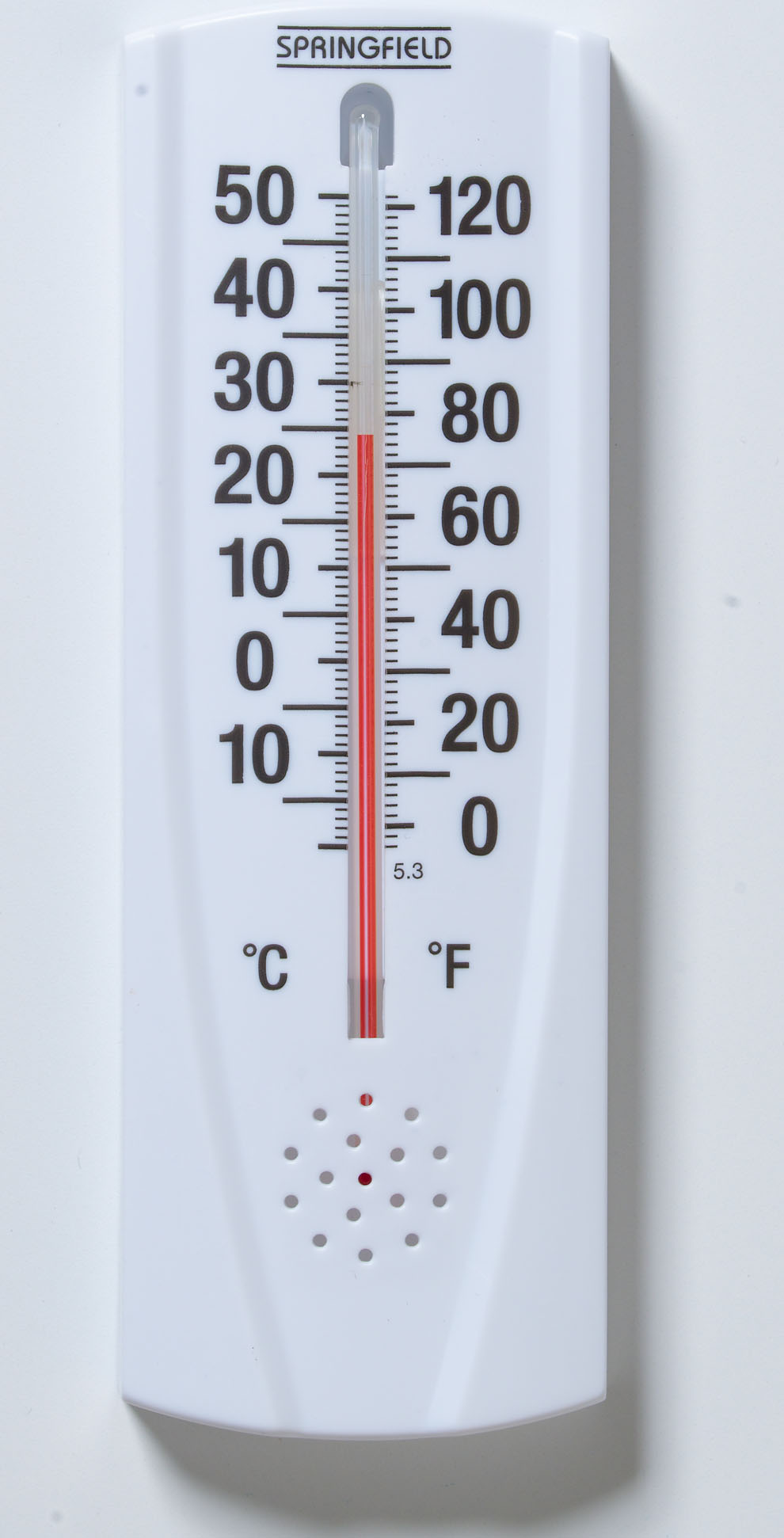
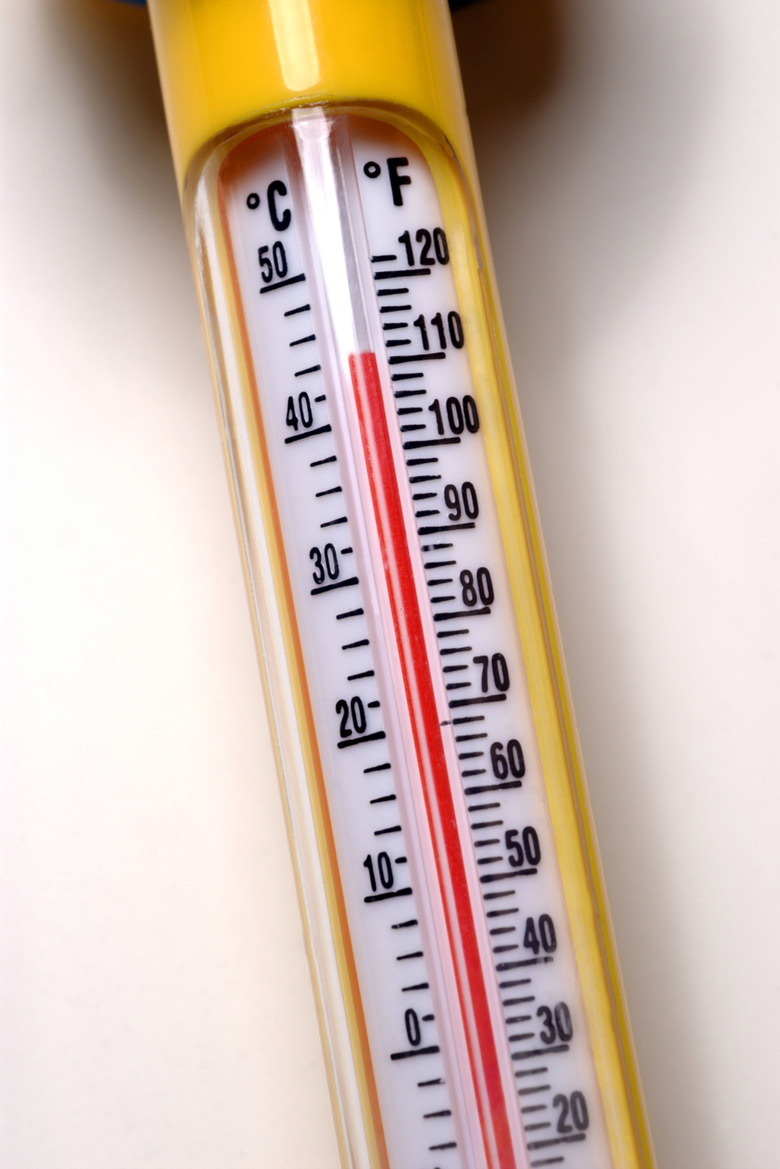
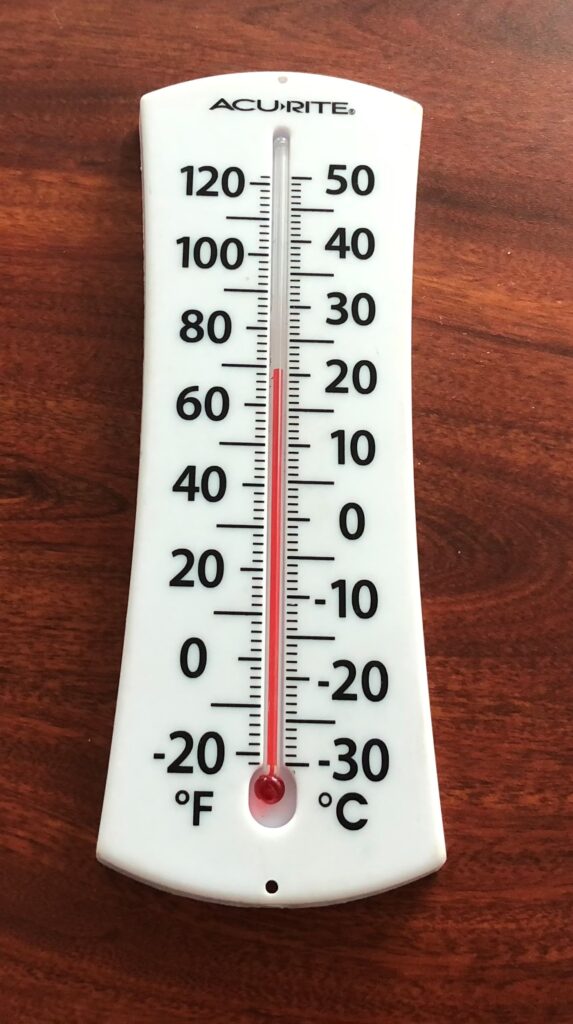
Liquids: Classic liquid-in-glass thermometers, such as those containing mercury or alcohol, rely on the volumetric expansion of these liquids. As temperature rises, the liquid expands and rises in a narrow capillary tube, indicating the temperature on a calibrated scale. Alcohol, dyed for visibility, is safer and has a lower freezing point than mercury, making it common in household and laboratory settings.
-
Solids: Bimetallic strips consist of two different metals bonded together, each with a different coefficient of thermal expansion. When heated, one metal expands more than the other, causing the strip to bend. This bending motion can be used to drive a needle on a dial, or to activate a switch in thermostats.
Electrical Resistance
Many materials exhibit a change in their electrical resistance as their temperature varies. This principle forms the basis for some of the most accurate and widely used modern thermometers.
-
Thermistors: These are resistors made from semiconductor materials whose resistance changes significantly and predictably with temperature. There are NTC (Negative Temperature Coefficient) thermistors, where resistance decreases with increasing temperature, and PTC (Positive Temperature Coefficient) thermistors, where resistance increases. NTC thermistors are particularly common due to their high sensitivity over a specific temperature range, making them ideal for medical and household applications.
-
Resistance Temperature Detectors (RTDs): RTDs, often made from pure metals like platinum (e.g., Pt100, Pt1000), silver, or copper, exhibit a very precise and linear change in resistance with temperature. Platinum RTDs are renowned for their accuracy, stability, and wide temperature range, making them the standard for many industrial and scientific applications requiring high precision.
Infrared Radiation
All objects with a temperature above absolute zero emit infrared (IR) radiation. The intensity and spectrum of this emitted radiation are directly proportional to the object’s surface temperature. This principle allows for non-contact temperature measurement.
- Infrared Thermometers (Pyrometers): These devices collect and focus the emitted IR radiation onto a detector. The detector converts the IR energy into an electrical signal, which is then processed to display the temperature. This technology is invaluable when physical contact is impossible, impractical, or unsafe, such as measuring the temperature of molten metal, food items, or a patient’s forehead.
Thermoelectric Effect (Seebeck Effect)
When two dissimilar electrical conductors are joined at two points, and these two junctions are held at different temperatures, a voltage is produced. This phenomenon is known as the Seebeck effect, and it is the foundation of thermocouples.
- Thermocouples: Comprising two wires of different metals (e.g., iron and constantan, or chromel and alumel) joined at a “hot” junction and connected to a reference “cold” junction, thermocouples generate a voltage proportional to the temperature difference between the junctions. They are highly robust, capable of measuring extremely high temperatures (up to 1800°C), and have a fast response time, making them ubiquitous in industrial furnaces, kilns, and high-temperature research.
A Spectrum of Thermometers: Types and Their Technologies
The diverse applications of temperature measurement have led to the development of a wide array of thermometer types, each optimized for specific conditions and requirements.
Analog Thermometers
These are often mechanical or electromechanical devices that display temperature using a physical indicator.
-
Liquid-in-Glass Thermometers: While mercury-based thermometers have largely been phased out due to environmental concerns, alcohol-based versions remain common for their simplicity and low cost. They provide a direct visual reading and require no power source.
-
Bimetallic Strip Thermometers: These are robust and often used in industrial gauges, ovens, and as the sensing element in mechanical thermostats. They are known for their durability and ability to withstand harsh environments, though they may offer less precision than electronic alternatives.
Digital Thermometers
Leveraging electronic sensors, digital thermometers offer rapid readings, enhanced accuracy, and often additional features.
-
Thermistor-Based Thermometers: Ubiquitous in medical applications (oral, rectal, axillary), household appliances, and automotive systems. They offer good accuracy over a specific, often narrow, temperature range and are generally cost-effective.
-
RTD-Based Thermometers: Prized for their high accuracy and stability over a very wide temperature range, RTDs are the workhorses in laboratory standards, industrial process control, and demanding scientific research. Platinum RTDs (Pt100, Pt1000) are particularly common due to the material’s excellent linearity and stability.
-
Thermocouple-Based Thermometers: Essential for environments with extreme temperatures, rapid temperature changes, or where a robust and fast-responding sensor is needed. Their versatility and wide operating range make them indispensable in metallurgy, chemical processing, and power generation.
Infrared Thermometers (Pyrometers)
These non-contact devices are game-changers for safety, hygiene, and measuring objects that are difficult to reach or in motion.
-
Spot Infrared Thermometers: Handheld devices used to measure the temperature of a specific point on a surface. Common in food safety, HVAC diagnostics, and automotive repair.
-
Thermal Imagers (Thermal Cameras): Produce a visual image where different colors represent different temperatures. Essential for building inspections (detecting insulation gaps), predictive maintenance (identifying overheating components), security, and firefighting.
-
Ear and Forehead Thermometers: Specifically designed for medical use, these target the tympanic membrane or temporal artery to provide quick, non-invasive body temperature readings.
Specialized Thermometers
Beyond the main categories, innovations have led to highly specialized tools.
-
Data Loggers: These devices can automatically record temperature data over time, often wirelessly, for later analysis. Vital for monitoring storage conditions (food, pharmaceuticals) or environmental studies.
-
Cryogenic Thermometers: Designed to measure extremely low temperatures, often approaching absolute zero, using specialized resistive elements or other quantum phenomena.
-
Smart Thermometers: Integrating connectivity (Bluetooth, Wi-Fi) with mobile apps, these devices offer features like remote monitoring, trend analysis, and integration into smart home ecosystems.
Key Technological Innovations and Advancements
The evolution of temperature measurement has been significantly shaped by advancements in materials science, electronics, and digital technology.
Miniaturization and Integration
Modern sensors are incredibly small, allowing them to be integrated into an ever-growing array of devices. From micro-electromechanical systems (MEMS) sensors in smartphones and wearables that monitor body temperature and environmental conditions, to tiny probes embedded within complex machinery, miniaturization has made pervasive temperature sensing a reality.
Wireless Connectivity and IoT
The advent of wireless communication (Bluetooth, Wi-Fi, LoRaWAN) and the Internet of Things (IoT) has revolutionized temperature monitoring. Sensors can now transmit data remotely to central hubs, cloud platforms, or mobile devices. This enables real-time monitoring of vast industrial facilities, cold chain logistics, agricultural environments, and smart homes, allowing for proactive adjustments and data-driven decision-making.
Enhanced Accuracy and Resolution
Advances in sensor fabrication, materials purity, and signal processing have led to thermometers with unprecedented accuracy and resolution. Modern RTDs and thermistors, coupled with sophisticated analog-to-digital converters, can detect temperature changes to fractions of a degree, crucial for precision industries and scientific research. Calibration standards and techniques have also improved, ensuring the traceability of measurements to international standards.
Data Analysis and Predictive Capabilities
Beyond mere measurement, the integration of temperature data with software platforms allows for advanced analysis. Trends can be identified, anomalies detected, and predictive models built. For instance, monitoring temperature profiles in machinery can help predict equipment failure, enabling preventative maintenance. In HVAC systems, smart temperature data can optimize energy consumption and improve occupant comfort.
AI and Machine Learning in Temperature Monitoring
Artificial intelligence and machine learning are increasingly being applied to temperature data. AI algorithms can learn normal temperature patterns in complex systems and flag deviations that indicate potential problems long before they become critical. This is particularly valuable in industrial process control, server farms, and smart buildings for optimizing resource allocation, enhancing safety, and improving energy efficiency.
Selecting the Right Tool: Factors to Consider
Given the vast array of options, choosing the appropriate temperature measurement device is crucial for obtaining accurate and reliable results. Several key factors must be considered.
Application and Environment
The intended use case dictates many choices.
-
Medical: Requires sterile, non-invasive, or rapid-response devices (digital, infrared ear/forehead).
-
Industrial: Demands robust, high-temperature, fast-response sensors (thermocouples, RTDs) and often non-contact options (pyrometers).
-
Scientific Research: Prioritizes extreme precision and stability (platinum RTDs, specialized cryogenic sensors).
-
Household/HVAC: Focuses on ease of use, cost-effectiveness, and appropriate range (bimetallic, thermistor-based digital).
-
Food Safety: Often requires quick, hygienic, and sometimes waterproof devices (thermistor probes, infrared guns).
Temperature Range and Accuracy Requirements
The minimum and maximum temperatures to be measured are paramount. A thermocouple can handle thousands of degrees, while a thermistor might be limited to a few hundred. Similarly, the required precision (e.g., ±0.1°C vs. ±2°C) will heavily influence the sensor type. RTDs are generally the most accurate, followed by thermistors and then thermocouples, each with its own sweet spot for range and cost.
Response Time and Readability
How quickly does the temperature need to be measured? Thermocouples offer very fast response times, while liquid-in-glass thermometers can be slower. For dynamic processes, a rapid response is critical. The display format is also important: a clear digital readout is often preferred over interpreting a fine analog scale.
Cost, Durability, and Maintenance
Budget constraints are always a factor. Simple liquid-in-glass thermometers are inexpensive, while precision RTDs or thermal imagers can be costly. The operating environment dictates durability: a ruggedized sensor is needed for harsh industrial settings. Finally, consider maintenance, including the need for regular calibration to maintain accuracy over time.
Calibration and Standards
For any application where accuracy is critical, thermometers must be regularly calibrated against known standards. Traceable calibration ensures that measurements are consistent and comparable, adhering to national and international metrology standards. This is especially important in regulated industries like pharmaceuticals, food processing, and scientific research.
In conclusion, the measurement of temperature is a cornerstone of modern society, supported by an incredible diversity of technological solutions. From the simple expansion of liquids to the complex interplay of quantum mechanics in ultra-low temperature sensors, the tools available are both varied and sophisticated. As technology continues to advance, we can anticipate even smarter, more integrated, and highly precise temperature sensing solutions, further extending our ability to understand, control, and thrive in our thermal world.
aViewFromTheCave is a participant in the Amazon Services LLC Associates Program, an affiliate advertising program designed to provide a means for sites to earn advertising fees by advertising and linking to Amazon.com. Amazon, the Amazon logo, AmazonSupply, and the AmazonSupply logo are trademarks of Amazon.com, Inc. or its affiliates. As an Amazon Associate we earn affiliate commissions from qualifying purchases.