
In an era saturated with information, clarity and precision are paramount, especially when it comes to critical health topics. The phrase “tubular adenoma of colon” is, for many, a daunting string of medical jargon. Yet, understanding such concepts is vital for public health, early detection, and informed decision-making. This presents a unique and compelling challenge for branding strategists: how do you take an intricate medical term, often loaded with anxiety and misunderstanding, and transform it into a piece of information that is not only comprehensible but also actionable for a broad audience? This article explores the branding strategies inherent in demystifying complex medical conditions, using “tubular adenoma of colon” as a prime example of a concept requiring expert communication and identity shaping.

The Branding Challenge of Medical Terminology
Communicating complex medical terms effectively is not merely about simplification; it’s about crafting a brand experience that builds trust, conveys authority, and empowers individuals. A term like “tubular adenoma of colon” carries significant weight due to its association with colorectal cancer, yet its technical nature often creates a barrier to understanding. A robust branding approach aims to bridge this gap, ensuring that the message resonates beyond the clinical setting.
Demystifying the Jargon
The first step in branding any complex concept, particularly in medicine, is to translate jargon into accessible language without losing scientific accuracy. For “tubular adenoma of colon,” this means breaking down its components: “tubular” (referring to the shape of the growth), “adenoma” (a benign tumor of glandular tissue), and “colon” (the large intestine). A successful brand strategy might employ analogies, visual aids, and relatable scenarios to explain what these terms mean collectively – a pre-cancerous growth in the large intestine. The goal is to strip away the intimidating complexity and present the core idea in a manner that immediately makes sense to a layperson. This process is akin to developing a clear, concise brand tagline or elevator pitch for a complicated product; it distills the essence into an easily digestible format.
Building Trust and Authority
In the medical field, trust is the bedrock of communication. A brand communicating about “tubular adenoma of colon” must establish itself as a credible and authoritative source of information. This isn’t just about using a reputable logo; it involves consistent messaging, transparent sourcing of information, and association with recognized medical experts and institutions. For a public health campaign, this might mean prominently featuring endorsements from leading gastroenterologists or cancer research organizations. For a pharmaceutical company, it would involve rigorous scientific backing and transparent clinical trial data. The brand’s identity, from its visual aesthetic to its tone of voice, must project reliability and expertise, reassuring the audience that the information provided is accurate and dependable. This is the equivalent of a corporate identity reflecting competence and ethical standards – essential for any brand seeking to influence critical decisions.
Crafting a Clear Brand Narrative
Beyond mere definition, effective branding tells a story. For a medical condition like “tubular adenoma of colon,” the narrative must move beyond just “what it is” to encompass “why it matters,” “what can be done,” and “what are the next steps.” This holistic storytelling approach builds a comprehensive understanding and encourages engagement.
Simplifying Without Diluting
The challenge lies in simplifying the message for broad appeal without oversimplifying to the point of inaccuracy or omission of critical details. For “tubular adenoma of colon,” a brand narrative might explain that while benign, these growths have the potential to become cancerous, underscoring the importance of screening. It’s about finding the sweet spot where the message is easy to grasp but retains its crucial nuances. This requires meticulous content strategy and copyediting, similar to how a brand refines its core messaging to be impactful yet truthful. Visuals, infographics, and short explanatory videos become powerful tools, condensing complex information into easily digestible formats that uphold scientific integrity while maximizing comprehension. The visual brand identity—colors, fonts, imagery—also plays a crucial role here, influencing readability and emotional reception.
Emotional Resonance in Health Communication
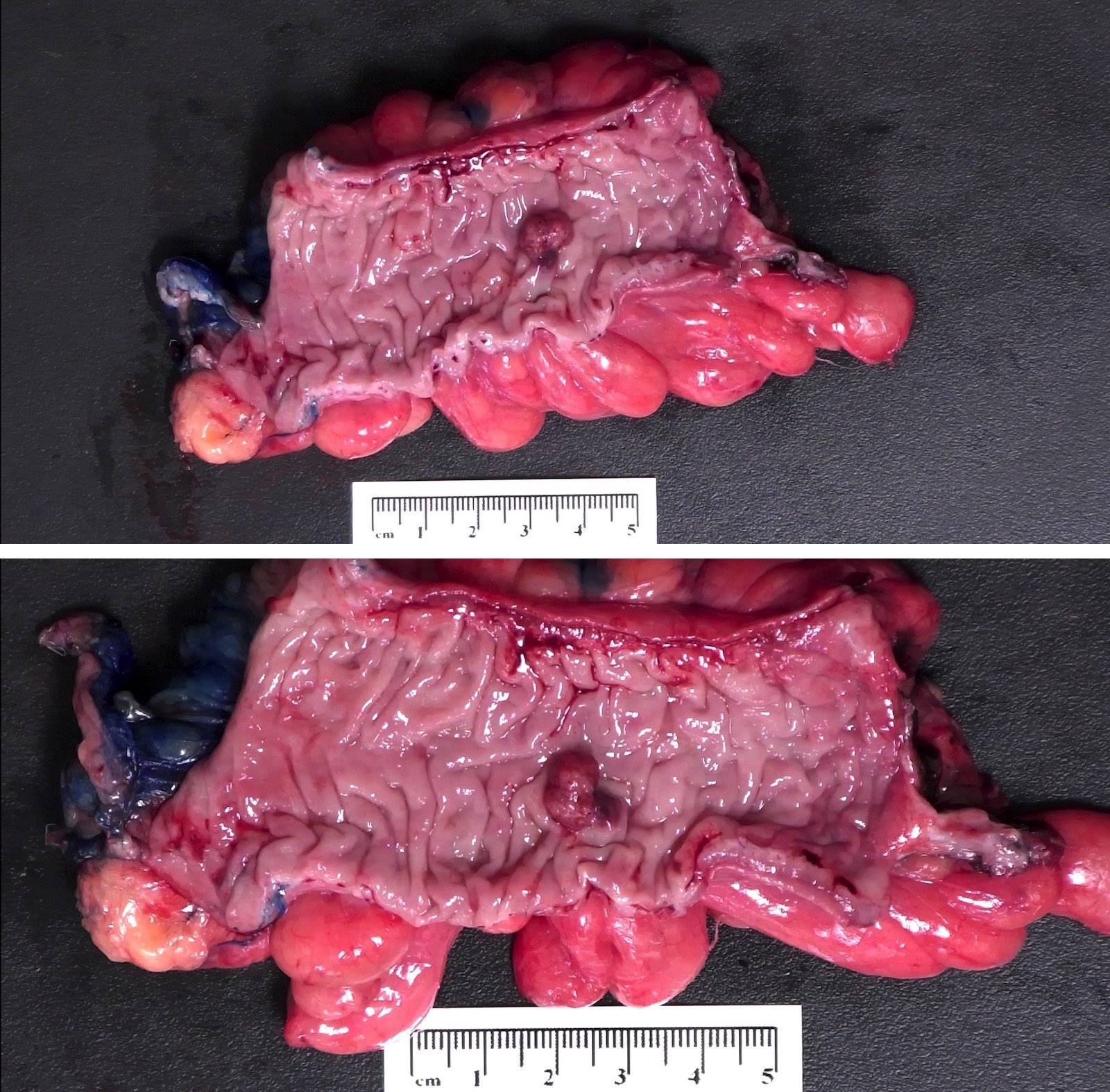
Medical conditions often evoke strong emotions – fear, anxiety, hope, relief. A successful brand narrative for “tubular adenoma of colon” acknowledges these emotions and channels them constructively. Instead of instilling panic, it can pivot to empowerment: early detection offers a high chance of prevention or successful treatment. The narrative might highlight patient testimonials (with appropriate privacy considerations), focusing on positive outcomes or the bravery of those undergoing screening. This human-centric approach transforms a clinical term into a shared human experience, fostering empathy and encouraging proactive health behaviors. It’s about connecting with the audience on a deeper, more personal level, much like how successful lifestyle brands evoke aspiration or comfort. The brand’s tone of voice must be empathetic, supportive, and hopeful, guiding the audience rather than lecturing them.
Channels and Engagement Strategies
The most compelling brand narrative is ineffective if it doesn’t reach its intended audience through the right channels and engage them effectively. For a topic as sensitive and important as “tubular adenoma of colon,” a multi-channel approach is crucial, leveraging diverse platforms to maximize reach and impact.
Digital Platforms for Health Education
In the digital age, websites, social media, and health apps are indispensable. A well-designed informational website, optimized for search engines (SEO) to answer “what is tubular adenoma of colon” and related queries, serves as a primary hub for comprehensive information. Social media campaigns can use short, engaging posts, animated videos, and Q&A sessions to raise awareness and direct traffic to more detailed resources. Interactive tools, such as symptom checkers or risk assessment quizzes (developed with medical oversight), can personalize the experience and encourage active participation. Brands should also consider creating dedicated online communities or forums where individuals can share experiences and seek support, fostering a sense of belonging and reducing feelings of isolation. This digital ecosystem forms the backbone of a modern health brand’s outreach, reflecting how contemporary brands build their online presence and interact with consumers.
Leveraging Expert Voices
Credibility is significantly enhanced when information comes from recognized experts. Partnering with physicians, researchers, and patient advocates to serve as brand ambassadors or content creators lends significant weight to the message. Webinars, podcasts, and live Q&A sessions featuring these experts can provide in-depth insights and answer specific questions, further building trust and engagement. These collaborations should be transparent, ensuring that the expert’s authority translates authentically to the brand’s message. Just as a technology brand might feature its lead engineers or a fashion brand its designers, a health brand benefits immensely from showcasing its clinical and scientific leaders, offering authentic insights and reinforcing its commitment to accuracy.
The Impact of Effective Health Branding
Ultimately, the successful branding and communication of complex medical concepts like “tubular adenoma of colon” have far-reaching positive impacts, extending beyond mere awareness to tangible improvements in public health and individual well-being.
Empowering Patients and Public
When complex medical terms are effectively branded and communicated, individuals move from a state of confusion to one of understanding and empowerment. Knowing “what is tubular adenoma of colon,” its implications, and preventive measures allows people to take proactive steps, such as undergoing recommended screenings like colonoscopies. This empowerment reduces fear, replaces misinformation with facts, and encourages timely medical intervention, potentially saving lives. It transforms passive recipients of medical information into active participants in their own health journey, a key objective of any responsible health brand. This empowerment is the ultimate return on investment for branding efforts in the health sector, signifying that the brand has successfully educated and motivated its audience to make informed decisions.

Driving Awareness and Action
A well-executed brand strategy for a medical condition significantly amplifies awareness. For “tubular adenoma of colon,” this means more people are aware of its existence, its potential risks, and the importance of early detection. Increased awareness often translates directly into action: higher screening rates, earlier diagnosis, and improved patient outcomes. Beyond individual action, effective branding can also influence policy, secure funding for research, and foster a broader societal conversation about public health. The brand becomes a catalyst for change, driving collective action towards a healthier future. This societal impact is where health branding truly differentiates itself, moving beyond commercial gains to contribute significantly to the common good, mirroring how powerful corporate social responsibility initiatives can reshape public perception and drive positive change.
In conclusion, turning a challenging medical term like “tubular adenoma of colon” into an understandable and actionable concept for the public is a profound branding exercise. It demands meticulous attention to clarity, trust-building, narrative development, and strategic dissemination. By applying robust branding principles, health organizations can effectively demystify medical complexities, empower individuals with knowledge, and ultimately contribute to a healthier, more informed society. The true power of branding here lies not in selling a product, but in delivering vital information in a way that truly resonates and inspires positive action.
aViewFromTheCave is a participant in the Amazon Services LLC Associates Program, an affiliate advertising program designed to provide a means for sites to earn advertising fees by advertising and linking to Amazon.com. Amazon, the Amazon logo, AmazonSupply, and the AmazonSupply logo are trademarks of Amazon.com, Inc. or its affiliates. As an Amazon Associate we earn affiliate commissions from qualifying purchases.