
The concept of a “toxic friend” typically conjures images of emotional manipulation, constant criticism, and draining negativity. We often think of the psychological and emotional toll these relationships exact, the way they chip away at our self-esteem, peace of mind, and overall well-being. However, an often-overlooked dimension of toxic friendships is their profound and insidious impact on our financial health. In an increasingly complex economic landscape, where personal finance, investing, and wealth accumulation are paramount, understanding how toxic social dynamics can derail our monetary goals is crucial.
This article delves into the financial implications of maintaining toxic friendships, moving beyond the emotional distress to shed light on the tangible and intangible costs these relationships impose. We will explore how seemingly innocent interactions can lead to direct financial losses, stifle wealth-building opportunities, and subtly shift our financial mindset in detrimental ways. By adopting a “money” lens, we aim to equip individuals with the insights necessary to identify financially toxic friendships and implement strategies to protect their economic future.

The Tangible Drain: Direct Financial Costs of Toxic Friends
Toxic friendships are not just emotionally expensive; they frequently come with a hefty price tag in monetary terms. The direct financial costs can manifest in various forms, chipping away at savings, increasing debt, and forcing individuals into financial compromises they might otherwise avoid.
Constant Requests for Loans and Favors
One of the most overt financial drains comes from friends who perpetually “need” money. These individuals often exploit the bond of friendship, using guilt trips, emotional appeals, or promises of quick repayment that rarely materialize. What begins as a small loan can escalate into a recurring obligation, turning a friend into a financial dependent. The emotional leverage they hold makes it difficult to say no, leading to a pattern where one person consistently gives and the other takes, with little to no intention of reciprocation. This isn’t just about the lost money; it’s about the erosion of financial boundaries and the establishment of an unhealthy precedent. From covering their bills to financing their leisure activities, the financially toxic friend views your resources as an extension of their own, without responsibility.
Influencing Poor Spending Habits
Toxic friends often create environments that encourage financially irresponsible behavior. This can range from subtle pressure to keep up with an unsustainable lifestyle to direct encouragement of impulsive purchases. They might insist on expensive outings, luxurious vacations, or brand-name shopping sprees that are beyond your budget, making you feel guilty or “boring” for suggesting more economical alternatives. The fear of missing out (FOMO) or social alienation can push individuals to spend money they don’t have, leading to credit card debt and delayed financial goals. Moreover, some toxic friends might actively discourage saving or investing, propagating a “you only live once” mentality that disregards long-term financial planning. Their financial choices, or lack thereof, become a blueprint for your own, pulling you into a cycle of overspending and instant gratification.
Sabotaging Financial Discipline
Beyond direct spending, toxic friends can subtly undermine your broader financial discipline. If you’re diligently working on a budget, paying off debt, or saving for a down payment, a toxic friend might scoff at your efforts, label you as “frugal,” or actively tempt you away from your goals. They might question your financial decisions, creating doubt and eroding your resolve. For instance, if you’ve committed to packing lunches to save money, they might incessantly push for expensive restaurant meals. If you’re trying to limit discretionary spending, they might encourage you to “treat yourself” under the guise of friendship. This constant erosion of discipline can lead to delayed financial milestones, increased stress, and a feeling of being constantly behind despite your best intentions.
The Intangible Erosion: Impact on Wealth Building and Career Growth
While direct financial drains are apparent, the intangible costs of toxic friendships can be far more damaging in the long run, silently eroding opportunities for wealth building and hindering career progression. These effects are harder to quantify but fundamentally impact one’s long-term financial trajectory.
Diminished Earning Potential
A supportive network is invaluable for career growth. Toxic friends, however, can act as an anchor, holding back your professional development and, consequently, your earning potential. Their constant negativity, criticism, or discouragement can chip away at your ambition and self-confidence. They might belittle your career aspirations, make sarcastic remarks about your efforts to learn new skills, or dissuade you from taking on challenging but rewarding projects. This emotional drain can lead to decreased motivation, professional stagnation, and an unwillingness to pursue promotions, negotiate raises, or seek better opportunities. Furthermore, toxic friends often fail to celebrate your successes or offer constructive support, isolating you from the positive reinforcement necessary to thrive professionally. Without a cheerleading squad, and often with a detractor in your midst, it’s harder to visualize and achieve higher financial success.
Missed Opportunities and Distorted Financial Mindset
Toxic friends often operate from a place of scarcity or envy, which can severely distort your own financial mindset. They might discourage you from taking calculated risks that could lead to significant financial gains, such as starting a side hustle, investing in a promising venture, or pursuing further education that promises a higher salary. Their fear of failure or, conversely, their envy of your potential success can manifest as warnings, doubts, and subtle sabotage. They might tell you “it’s too risky,” “you’ll never succeed,” or “it’s not worth the effort,” effectively talking you out of potentially lucrative opportunities. This creates a limiting belief system that prevents you from exploring avenues for wealth creation and can foster a perpetual state of financial anxiety or resignation. The negative financial mindset they perpetuate can be one of the hardest chains to break, hindering your ability to see and seize opportunities.
Time as a Non-Renewable Asset
Time is money, and toxic friendships are notorious for being significant time sinks. The endless drama, constant need for emotional support (often one-sided), and frequent conflicts consume vast amounts of your personal time and mental energy. This time could otherwise be dedicated to activities that directly contribute to your financial well-being: working on a side hustle, learning a new skill, researching investment opportunities, networking with industry professionals, or even just planning your budget and reviewing your finances. When you’re constantly pulled into a toxic friend’s vortex of problems, or spending hours dealing with their negativity, you’re not just losing emotional bandwidth; you’re losing valuable hours that could be directly converted into economic value or future financial security. The return on investment for this time is often negative, leaving you depleted and no closer to your financial goals.
Identifying the Financial Red Flags
Recognizing a toxic friendship through a financial lens requires vigilance and an objective assessment of how these relationships impact your monetary life. Here are key financial red flags to watch for:
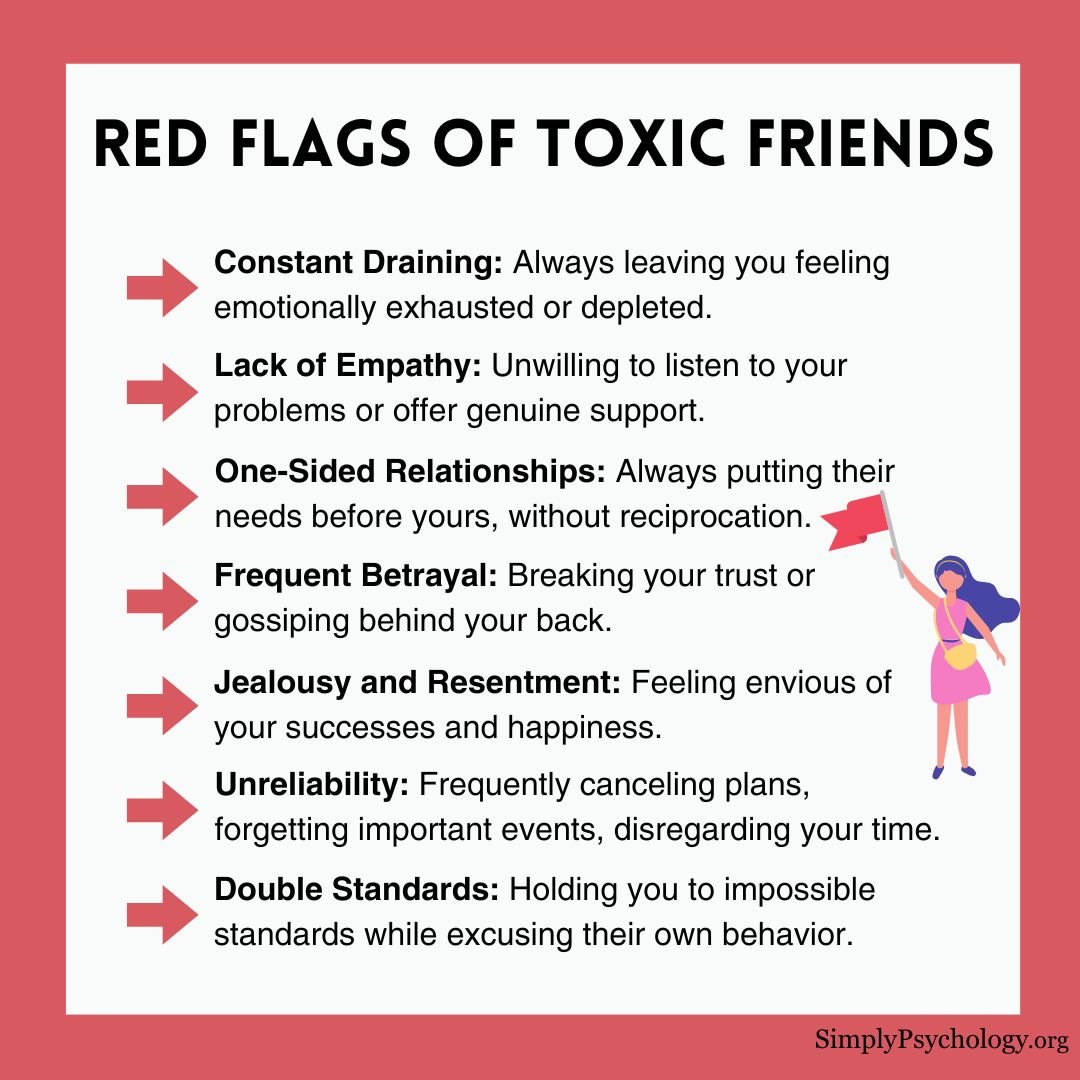
Consistent Financial Imbalance
One of the clearest indicators is a persistent one-sided financial exchange. Are you always the one paying for meals, covering tickets, lending money, or bailing them out of financial jams? Do they consistently “forget” their wallet or come up with excuses when it’s their turn to contribute? This imbalance is not accidental; it’s a pattern of exploitation where your financial resources are viewed as theirs for the taking, without genuine reciprocity or appreciation. It highlights a fundamental disrespect for your financial boundaries and an expectation of continuous, unearned support.
Derailing Financial Goals
Observe how your friend reacts to your financial aspirations. Do they show genuine support when you talk about saving for a home, starting a business, or investing for retirement? Or do they dismiss your goals, try to talk you out of them, or actively encourage behaviors that undermine your efforts (e.g., pressuring you to spend your savings on frivolous items)? A toxic friend will often feel threatened or inconvenienced by your financial discipline, as it might expose their own lack thereof or limit your availability for their preferred (often expensive) activities. They might subtly or overtly sabotage your progress, keeping you stuck in a financial holding pattern.
Emotional Manipulation Around Money
Toxic friends are masters of emotional manipulation, and money is a common tool in their arsenal. They might use guilt (“I thought you were my friend, how could you say no to me?”), pity (“I’m so broke, I have no one else to turn to”), or even veiled threats (“If you don’t help me, I don’t know what I’ll do”) to extract financial favors. They make you feel responsible for their financial woes, blurring the lines between friendship and financial obligation. This manipulation leaves you feeling guilty and trapped, making it incredibly difficult to set healthy financial boundaries without feeling like you’re betraying the friendship.
Negative Influence on Financial Mindset
Beyond direct actions, a toxic friend can warp your entire outlook on money. Do they constantly complain about their own financial struggles without seeking solutions? Do they foster a victim mentality, blaming external factors for their monetary woes? Do they express envy or resentment towards others’ financial success, rather than inspiration? This persistent negativity can infect your own mindset, leading to a scarcity mentality, a fear of success, or an unhealthy relationship with money. Such an environment makes it challenging to cultivate a positive, proactive, and abundant financial perspective necessary for growth.
Strategies for Financial Self-Preservation and Disengagement
Recognizing a financially toxic friendship is the first step; taking action to protect your economic well-being is the critical next one. Disengaging from such relationships, or at least mitigating their financial impact, is an act of self-care and financial prudence.
Setting Clear Financial Boundaries
The most immediate and essential step is to establish clear and firm financial boundaries. This means learning to say “no” to loan requests, refusing to cover their expenses, and declining invitations to activities that exceed your budget. It requires courage and consistency. Communicate your financial limits openly and assertively, without apology or extensive explanation. “I’m not able to lend money right now” or “That’s not in my budget” are complete sentences. Be prepared for potential pushback, anger, or guilt trips – these are often further indicators of the toxic nature of the relationship. Stick to your boundaries, understanding that protecting your financial health is non-negotiable.
Re-evaluating Your Social Portfolio: The ROI of Relationships
Consider your social circle as a “social portfolio” and evaluate the return on investment (ROI) each relationship provides. Just as you wouldn’t keep a consistently underperforming stock in your financial portfolio, you shouldn’t maintain relationships that consistently drain your resources without offering mutual support, positive influence, and genuine connection. Ask yourself: Does this friendship contribute positively to my overall well-being, including my financial peace of mind? Does it inspire me, challenge me constructively, and support my goals? If the answer is consistently negative, it’s time to consider diversifying your social portfolio towards more beneficial connections.
Cultivating Financially Healthy Relationships
Actively seek out and nurture friendships with individuals who exhibit healthy financial habits, respect financial boundaries, and offer positive support. These are friends who celebrate your financial wins, understand your goals, and engage in activities that align with your budget. They are likely to share advice, offer encouragement, and provide a network that can open doors to new opportunities. Surrounding yourself with financially responsible and positive individuals can naturally elevate your own financial literacy and motivation, replacing the detrimental influences of toxic friends with empowering ones.
Gradual Disengagement and Protecting Assets
Complete disengagement from a toxic friendship can be challenging, especially if the relationship has been long-standing. If a direct confrontation is not feasible or safe, a gradual disengagement approach can be effective. This involves slowly reducing contact, becoming less available for their demands, and creating distance. Simultaneously, ensure you’ve taken practical steps to protect your financial assets. This might include separating joint accounts (if any exist), updating beneficiaries, and securing personal financial information. The goal is to minimize further financial exposure while gracefully extracting yourself from a detrimental social dynamic.

Conclusion
Toxic friendships extend far beyond emotional discomfort; they represent a significant drain on our financial resources, an impediment to wealth building, and a silent saboteur of our monetary aspirations. By viewing these relationships through a financial lens, we uncover the hidden costs that can derail budgets, stifle career growth, and distort our entire financial mindset.
Recognizing the red flags—constant requests for money, encouragement of poor spending, sabotage of financial goals, and emotional manipulation—is the first step towards financial self-preservation. Implementing strategies such as setting firm boundaries, re-evaluating the “ROI” of social connections, and cultivating financially healthy relationships are crucial for protecting your economic future. Ultimately, investing in friendships that foster mutual respect, support, and financial well-being is not just good for your soul; it’s smart financial planning.
aViewFromTheCave is a participant in the Amazon Services LLC Associates Program, an affiliate advertising program designed to provide a means for sites to earn advertising fees by advertising and linking to Amazon.com. Amazon, the Amazon logo, AmazonSupply, and the AmazonSupply logo are trademarks of Amazon.com, Inc. or its affiliates. As an Amazon Associate we earn affiliate commissions from qualifying purchases.