
The query “what is the real name of Sleeping Beauty” might seem like a simple trivia question, yet it unlocks a fascinating exploration into the evolution of brand identity, intellectual property, and cultural resonance across centuries. “Sleeping Beauty” is not merely a fairy tale; it is a global phenomenon, a potent piece of intellectual property that has been adapted, reimagined, and re-branded countless times. Its journey from obscure folk tale to one of Disney’s most iconic princesses offers a masterclass in brand strategy, illustrating how core narratives can be transformed, packaged, and marketed to capture the hearts and minds of successive generations. To understand the “real name” is to understand the layers of branding that have shaped this enduring story.

The Genesis of a Global Brand: Tracing Sleeping Beauty’s Roots
Before the shimmering gowns and woodland creatures, the story we know as “Sleeping Beauty” had a much darker, often brutal, and less polished origin. Its foundational narrative – a princess cursed to sleep until awakened – has proven incredibly resilient, serving as a robust framework upon which countless brand interpretations have been built. Understanding these early forms is crucial to appreciating the strategic branding efforts that followed.
From Oral Tradition to Literary Canon: Early Adaptations
Fairy tales rarely spring fully formed from a single author’s pen. They are, by nature, products of oral tradition, evolving through countless retellings, each contributing, subtracting, and molding elements to suit local customs and moral lessons. This organic process represents the earliest, communal form of branding, where stories are collectively shaped and recognized by a community. The motif of a long sleep, a magical awakening, and overcoming a supernatural curse appears in various forms across different cultures, suggesting a deep-seated archetype that resonates with human experience. These early, uncredited “versions” laid the groundwork, establishing core elements that would later be codified and commercialized.
Giambattista Basile’s Sun, Moon, and Talia: The Gritty Original
One of the earliest recorded versions of the tale comes from Italian poet and courtier Giambattista Basile, published posthumously in his collection The Pentamerone in 1634. Titled “Sole, Luna, e Talia” (Sun, Moon, and Talia), this rendition is starkly different from the child-friendly narrative commonly known today. In Basile’s telling, the maiden Talia falls into a deep sleep after a splinter of flax enters her finger. She is then discovered by a king who, rather than awakening her with a kiss, rapes her in her sleep. She subsequently gives birth to twins, Sun and Moon, still unconscious. It is only when one of the infants sucks her finger, drawing out the splinter, that Talia awakens. The tale continues with the king’s jealous wife attempting to kill and cook Talia’s children, a far cry from a fairy tale romance.
From a branding perspective, Basile’s version highlights the raw, unfiltered potential of a story idea. It’s a powerful narrative, certainly, but one that is complex, morally ambiguous, and decidedly adult. Its “brand” is one of dark fantasy and cautionary folklore, reflecting the sensibilities of 17th-century Italian aristocratic literature rather than universal entertainment. It wasn’t designed for mass appeal in the modern sense, but for a niche audience accustomed to allegorical and often disturbing tales.
Charles Perrault’s La Belle au bois dormant: Refining the Narrative
Just over half a century later, in 1697, French author Charles Perrault published his collection Histoires ou contes du temps passé, which included “La Belle au bois dormant” (The Beauty in the Sleeping Wood). Perrault’s version is often credited with popularizing the narrative and bringing it closer to the version most recognized today. Crucially, Perrault introduced the figure of the prince whose kiss breaks the spell, a pivotal romantic element that radically shifted the story’s emotional core and brand appeal. While Perrault’s tale still includes a second, darker half involving an ogress queen (the prince’s mother) attempting to devour the princess and her children, it was significantly softened compared to Basile’s.
Perrault’s work represents a strategic refinement of the existing narrative. He effectively “cleaned up” the brand, making it more palatable for a broader audience, particularly the refined Parisian salons of his time. By adding the kiss and emphasizing the heroic prince, he injected a timeless romantic trope, transforming a story of violation into one of true love’s triumph. This strategic simplification and romanticization laid the essential groundwork for future adaptations and solidified a nascent “Sleeping Beauty” brand with universal appeal.
Disney’s Masterstroke: Rebranding for a New Era
It was Walt Disney Productions that performed the ultimate brand transformation, taking Perrault’s framework and creating a global juggernaut that would define “Sleeping Beauty” for generations. Disney’s 1959 animated feature film is not just an adaptation; it is a complete rebranding exercise, taking a classic tale and imbuing it with a distinct visual language, emotional depth, and market appeal that continues to resonate today.
Princess Aurora: A Name Synonymous with Enchantment
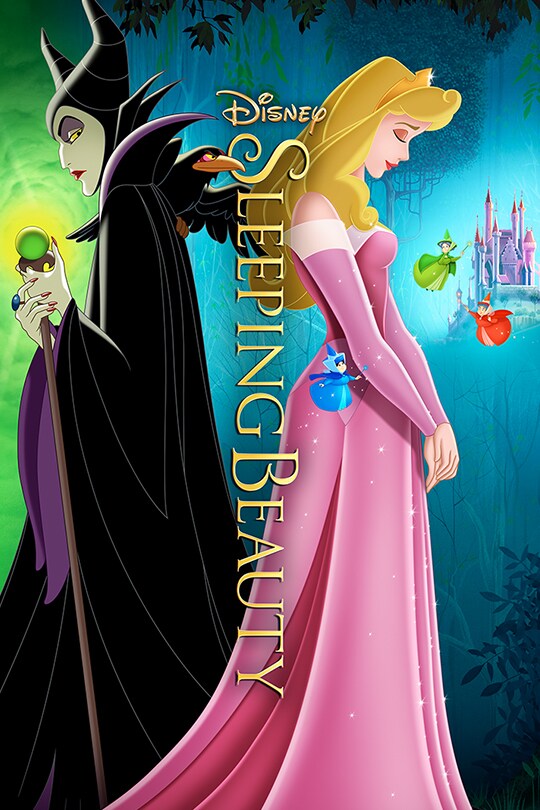
Perhaps the most significant branding decision Disney made was to give the princess a memorable and evocative name: Aurora. In Roman mythology, Aurora is the goddess of dawn, perfectly symbolizing the princess who awakens from a long sleep. This name is not present in Basile’s or Perrault’s versions, where she is often simply referred to as “the Princess” or “La Belle.” By christening her “Aurora,” Disney gifted the character a unique, elegant, and resonant identity, an essential component for any strong brand.
Aurora immediately became an aspirational figure for countless children, a cornerstone of the Disney Princess franchise, and a trademarked character with immense commercial value. The name itself is now synonymous with grace, beauty, and magical slumber, demonstrating the power of naming in solidifying a brand’s personality and market position.
Briar Rose: The Incognito Identity and Dual Brand Appeal
Adding another layer to Aurora’s brand identity, Disney introduced the alias “Briar Rose.” This name is inspired by the Brothers Grimm’s version of the tale, “Little Briar Rose,” which itself was a more sanitized adaptation of Perrault’s work. In the Disney film, Briar Rose is the name the three good fairies give the princess to hide her identity while she lives as a peasant girl in the forest.
This dual naming convention is a subtle but effective branding strategy. “Princess Aurora” represents her regal, destined self, the ultimate brand aspiration. “Briar Rose” embodies her humility, her connection to nature, and her more approachable, relatable side. This dual identity allows the brand to appeal to a wider emotional spectrum, offering both grand fantasy and down-to-earth charm, effectively broadening its narrative scope and emotional connection with the audience. It’s a clever way to show brand versatility and depth within a single character.
The Visual Language: Animation, Music, and Archetypal Imagery
Beyond the name, Disney’s brand execution for “Sleeping Beauty” was a masterpiece of multimedia integration. The distinctive animation style, characterized by its elegant, angular art direction inspired by medieval tapestries, created a unique visual brand identity. Tchaikovsky’s ballet score, adapted for the film, provided a luxurious auditory brand, elevating the story with timeless melodies. The introduction of iconic characters like Maleficent (a villain of unparalleled style and menace), Flora, Fauna, and Merryweather (the charming fairy godmothers), and Prince Phillip (the proactive hero) further enriched the “Sleeping Beauty” brand universe.
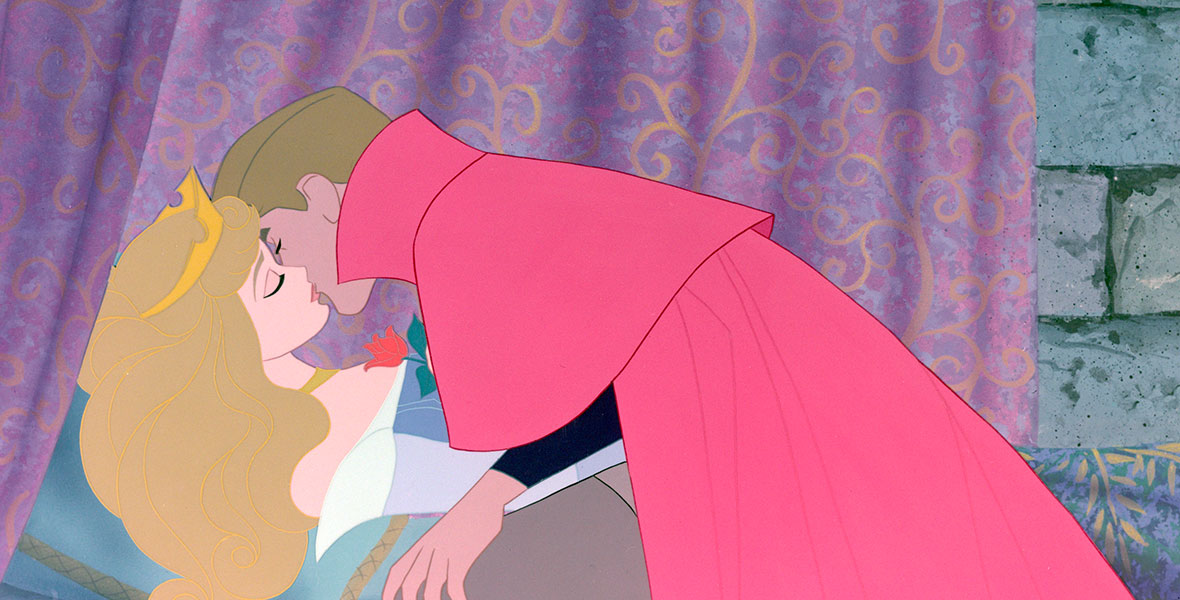
Each element—from the design of the castle to Aurora’s pink and blue gown dilemma—was carefully crafted to create a cohesive, enchanting, and utterly memorable experience. This holistic approach to sensory branding ensured that Disney’s “Sleeping Beauty” would not just be a story, but an immersive world, cementing its status as an enduring classic and a powerful component of the Disney brand empire.
The Power of a Name: Identity, Recognition, and Market Resonance
The transformation of “Sleeping Beauty” from an archaic tale to a modern brand icon underscores the immense power embedded in a name and its associated identity. For businesses, products, or even fictional characters, a strong name is the cornerstone of recognition, market resonance, and enduring value.
Beyond the Story: Merchandise, Theme Parks, and Cultural Impact
Once a name like “Princess Aurora” or the overarching “Sleeping Beauty” brand is established, its influence extends far beyond the original narrative. The brand permeates culture through an extensive ecosystem of merchandise: dolls, costumes, books, video games, and homeware. Disney theme parks feature Sleeping Beauty Castles as central icons, offering immersive brand experiences that draw millions globally.
This proliferation demonstrates the financial might of a well-crafted brand. The story ceases to be just a narrative; it becomes a lifestyle, a source of comfort, aspiration, and nostalgia. This broad cultural impact reinforces the brand’s value, making it instantly recognizable and deeply embedded in the collective consciousness, a testament to effective long-term brand management and marketing.
Protecting the Brand: Copyright, Trademarks, and Intellectual Property
The journey from public domain folk tale to a meticulously branded property highlights the critical importance of intellectual property (IP) protection. While the core concept of “Sleeping Beauty” resides in the public domain, Disney’s specific adaptations—the names Aurora and Briar Rose, the character designs, the unique animation, the distinct story elements—are vigorously protected by copyright and trademark law.
This legal framework ensures that Disney maintains exclusive rights to its interpretation, preventing unauthorized use and maintaining brand integrity. For any business, recognizing and protecting its unique brand assets—names, logos, slogans, designs, and unique content—is paramount to securing market share, preventing dilution, and building long-term financial value. The “real name” becomes not just a descriptive label, but a legally enforceable identifier of brand ownership and authenticity.
The Enduring Appeal: Why “Sleeping Beauty” Continues to Captivate
The continued popularity of “Sleeping Beauty” across its various forms speaks to the timeless appeal of its core themes: destiny, good versus evil, the power of love, and the triumph of hope. A strong brand identity doesn’t just rest on superficial appeal; it taps into universal human experiences and emotions.
The “Sleeping Beauty” brand, particularly in its Disney iteration, offers a sense of magic, romance, and escapism that remains highly sought after. Its consistency in delivering these emotional touchpoints across different media and products ensures its enduring relevance and continued captivation of new audiences, demonstrating the long-term return on investment of a carefully nurtured and strategically managed brand.
Brand Evolution and Adaptation: From Maleficent to Modern Interpretations
No brand can afford to remain static. To stay relevant, even the most iconic brands must evolve, adapt, and occasionally reinvent themselves while remaining true to their core identity. “Sleeping Beauty” is a prime example of a brand that has successfully navigated this challenge.
Retelling the Tale: Shifting Perspectives and Audiences
Recent adaptations, such as Disney’s live-action “Maleficent” films (2014, 2019), illustrate a fascinating brand evolution strategy. Instead of simply remaking the original, these films retell the story from the villain’s perspective, offering a darker, more nuanced interpretation of Maleficent’s motivations and her relationship with Aurora.
This strategy appeals to a more mature audience, leveraging the existing brand recognition while introducing new thematic depth and complexity. It demonstrates that a core brand can be reinterpreted to explore different facets, engage diverse demographics, and remain culturally pertinent without abandoning its established legacy. It’s a risk, but one that, when executed well, can significantly expand the brand’s storytelling universe and prolong its life cycle.
Leveraging Legacy: Sequels, Spin-offs, and Universe Expansion
The success of the “Sleeping Beauty” brand has enabled the creation of numerous spin-offs, sequels, and related media, all feeding into and reinforcing the main brand. From TV series to comic books, each extension further expands the narrative universe and deepens character development, fostering a richer, more interconnected brand experience for fans.
This brand expansion strategy is crucial for sustaining long-term engagement. By continuously offering new content and perspectives, the brand avoids stagnation and maintains its fresh appeal. It’s about building a comprehensive ecosystem around a beloved story, ensuring that the brand remains dynamic and offers multiple points of entry for different audiences.
Maintaining Core Identity Amidst Innovation
Despite centuries of adaptation and numerous re-brandings, the core identity of “Sleeping Beauty” – the enchanted sleep, the awakening, the triumph of good – remains remarkably consistent. Whether the princess is called Talia, La Belle, Aurora, or Briar Rose, the essential narrative beats and emotional resonance persist.
This ability to innovate while retaining a foundational core is the hallmark of a truly powerful and enduring brand. It underscores that while specific names, visuals, and storylines may change, the underlying archetypal power of the “Sleeping Beauty” tale continues to be its most valuable asset. The journey to discover the “real name” of Sleeping Beauty is, ultimately, a journey through the multifaceted, evolving landscape of brand identity itself, a testament to how stories, like brands, can adapt, thrive, and captivate across the ages.
aViewFromTheCave is a participant in the Amazon Services LLC Associates Program, an affiliate advertising program designed to provide a means for sites to earn advertising fees by advertising and linking to Amazon.com. Amazon, the Amazon logo, AmazonSupply, and the AmazonSupply logo are trademarks of Amazon.com, Inc. or its affiliates. As an Amazon Associate we earn affiliate commissions from qualifying purchases.