
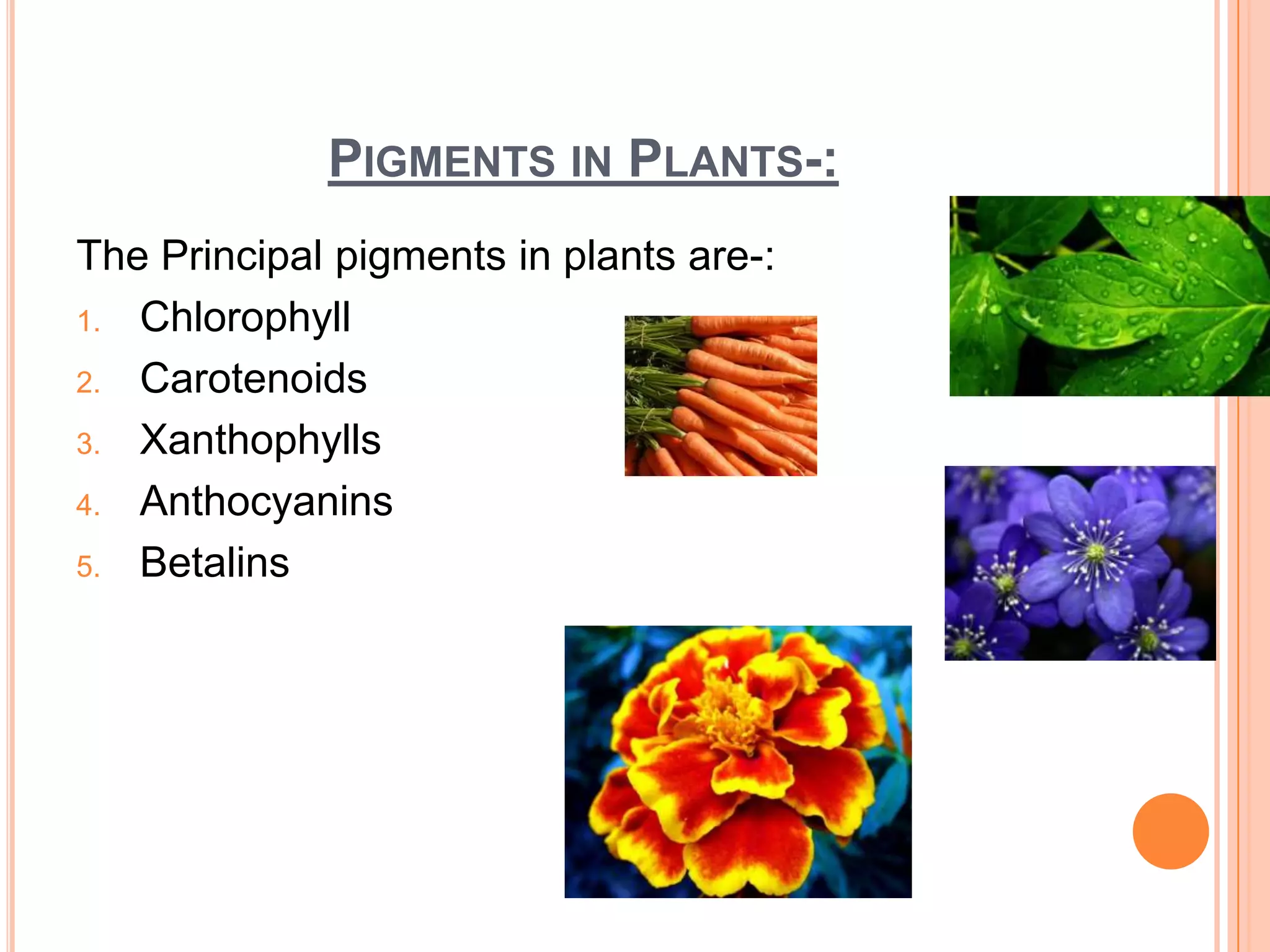
In the vibrant ecosystem of the natural world, plants derive their essential life force and defining characteristics from a remarkable substance: chlorophyll, their principal pigment. This verdant molecule doesn’t merely bestow plants with their signature green hue; it is the engine of photosynthesis, converting sunlight into the energy necessary for growth, sustenance, and ultimately, life itself. Without this fundamental pigment, the plant kingdom as we know it would cease to exist, losing its color, its energy source, and its very identity.
Drawing a parallel to the intricate landscape of commerce and identity, we must ask: What is the “principal pigment” of a brand? What is that foundational element that gives a corporate entity, a product, a service, or even an individual its distinctive color, its energy, and its capacity to thrive in a competitive market? It’s far more profound than a logo, a color palette, or a catchy slogan. Just as chlorophyll is the biological imperative for plants, a brand’s principal pigment is its strategic imperative—the intrinsic essence that defines its existence, fuels its connection with its audience, and empowers its sustained growth.

This principal pigment is not a singular, easily identifiable component but rather a complex interplay of core values, unique propositions, emotional resonance, and consistent experience. It’s the very DNA of a brand, influencing every touchpoint, from product development to customer service, from marketing campaigns to internal culture. Understanding, articulating, and diligently nurturing this pigment is not merely a task for brand managers; it is the ultimate differentiator in an increasingly crowded global marketplace, determining whether a brand merely exists or truly flourishes.
The Chromatic Core: Unpacking Brand Identity as a Pigment
The notion of a brand’s “principal pigment” transcends superficial aesthetics, delving into the very heart of what makes an entity recognizable, distinct, and resonant. It’s the inherent character and purpose that, like chlorophyll, enables a brand to absorb the energy of the market and convert it into meaningful connection and loyalty.
Beyond Visuals: The DNA of Brand Recognition
While a plant’s pigment is visually obvious, a brand’s core identity runs much deeper than its external presentation. Imagine a vibrant green leaf. The color is striking, but its significance lies in the underlying biochemical processes it facilitates. Similarly, a brand’s visual identity—its logo, color scheme, typography—is merely the outward manifestation of a far more fundamental core. This core is comprised of its mission, vision, values, unique selling proposition (USP), and personality. These are the genetic codes that determine how a brand behaves, communicates, and innovates.
For instance, Apple’s principal pigment isn’t just the sleek silver and white or the bitten apple logo; it’s the commitment to intuitive design, seamless user experience, and a philosophy that prioritizes innovation and creativity. Patagonia’s pigment isn’t just its mountain logo or earthy tones; it’s its unwavering dedication to environmental activism, quality outdoor gear, and ethical business practices. These deeply ingrained principles act as the brand’s true color, providing an unmistakable identity that resonates profoundly with its target audience. This DNA of brand recognition ensures that even if the visual “leaf” changes slightly over time, the underlying “plant” remains true to its essence. It’s what allows consumers to recognize and connect with the brand even without explicit branding cues, purely through its actions and offerings.
The Photosynthesis of Perception: How Core Identity Fuels Growth
Just as chlorophyll uses light energy to create food, a brand’s principal pigment—its authentic core identity—acts as the engine for the “photosynthesis of perception.” This process involves converting market attention, consumer needs, and cultural trends (the “sunlight” of the market) into brand equity, loyalty, and commercial success (the “energy” for growth). When a brand’s identity is clearly defined, authentically expressed, and consistently delivered, it cultivates a powerful resonance with its audience. Consumers don’t just buy products; they buy into stories, values, and identities that mirror their own aspirations.
This resonance is the vital energy source. A strong principal pigment allows a brand to:
-
Attract its ideal audience: Those who align with its values naturally gravitate towards it.
-
Build trust and credibility: Consistency in identity fosters reliability.
-
Command premium pricing: Value is placed on authenticity and perceived quality.
-
Foster advocacy: Loyal customers become brand evangelists.
-
Navigate crises: A strong core identity provides a stable anchor during challenging times, allowing the brand to address issues in a manner consistent with its established character.
Without a well-defined and potent principal pigment, a brand struggles to absorb market energy effectively. It may blend indistinguishably into the background, fail to attract sustained attention, and ultimately wither under competitive pressures.
Cultivating Distinction: Strategic Pigmentation in a Crowded Ecosystem
In the vast and competitive “ecosystem” of the global market, merely existing is not enough. Brands must not only survive but thrive, standing out amidst a myriad of similar offerings. This requires strategic pigmentation—the deliberate cultivation and projection of a unique and compelling core identity.
Finding Your Unique Hue: Differentiating Through Core Values
Every brand, like every plant species, has the potential for a unique hue, a distinct character that sets it apart. The challenge lies in identifying and amplifying this singular color. This process begins with deep introspection: What is the fundamental purpose of this brand? What problem does it solve? What values guide its every decision? What emotional void does it fill for its audience?
Finding your unique hue involves:
-
Self-Discovery: Articulating the brand’s origin story, its founders’ vision, and its non-negotiable principles.
-
Audience Empathy: Understanding the target consumer’s desires, pain points, and aspirations, and how the brand uniquely addresses them.
-
Competitive Analysis: Identifying gaps in the market, unchallenged narratives, or unfulfilled needs that the brand can uniquely own.
-
Proposition Clarity: Distilling complex offerings into a clear, concise, and compelling value proposition that encapsulates the brand’s unique benefit.
For example, while many brands offer coffee, Starbucks found its unique hue by focusing on the “third place”—a comfortable community space between home and work—and a premium, personalized experience. Volvo’s hue is safety and reliability, meticulously engineered into every vehicle. By isolating and emphasizing these distinct core values, brands create an identity that is not easily replicated, forging a path of differentiation that resonates with specific segments of the market.
Consistent Coloration: The Power of Unified Brand Experience
Once a brand’s principal pigment (its unique hue and core values) has been identified, its power lies in consistent coloration across every single touchpoint. Just as a plant’s green is uniform from leaf to stem, a brand’s identity must be consistently expressed through all its interactions, both internal and external. Inconsistency dilutes the pigment, leading to confusion, distrust, and a fragmented brand image.
This unified brand experience encompasses:
-
Visual Identity: Consistent application of logos, colors, fonts, and imagery across all platforms.
-
Verbal Identity: A consistent brand voice, tone, and messaging in all communications, from website copy to customer service scripts.
-
Product/Service Delivery: Ensuring that the brand’s values are embedded in the quality, design, and functionality of its offerings.
-
Customer Experience: Training employees to embody the brand’s personality and values in every interaction.
-
Organizational Culture: Ensuring that internal practices and employee values align with the external brand promise.
Brands like Coca-Cola have mastered consistent coloration for over a century, delivering a unified message of happiness and refreshment globally, despite evolving advertising techniques. Airbnb, while a younger brand, consistently conveys a sense of belonging and unique local experiences across its platform, marketing, and host interactions. This relentless dedication to consistent coloration reinforces the brand’s identity, builds recognition, and strengthens the emotional bonds with its audience, ensuring that the “plant” always presents a cohesive and healthy appearance.
The Evolution of Color: Adapting Brand Pigment to Changing Climates
Even the most vibrant plants must adapt to changing seasons and environmental conditions to survive and flourish. Similarly, a brand’s principal pigment, while foundational, is not static. It must possess an inherent flexibility to evolve, adapting its expression and even its underlying chemistry to remain relevant and resonant in an ever-shifting market climate.
Seasonal Shifts: Responding to Market Trends Without Losing Core Identity
Market trends, technological advancements, cultural shifts, and evolving consumer preferences represent the “seasonal shifts” that every brand must navigate. The challenge lies in responding to these shifts effectively without diluting or abandoning the brand’s core identity—its principal pigment. This requires a delicate balance between innovation and preservation.
Brands must be agile enough to:
-
Update their communication strategies: Employing new digital channels or marketing techniques.
-
Introduce new product lines or features: Addressing emerging consumer needs.
-
Refine their visual aesthetics: Modernizing logos or packaging to remain contemporary.
However, these adaptations should always flow from and reinforce the brand’s fundamental values and purpose. For example, while Nike continually innovates with new footwear technologies and fashion trends, its principal pigment—the celebration of athletic achievement and the spirit of “just do it”—remains constant. Similarly, Mercedes-Benz adapts its car designs and technology with each new generation, but its core promise of luxury, engineering excellence, and status endures. Losing sight of this core pigment during a “seasonal shift” can lead to brand fragmentation, consumer confusion, and a loss of identity.
Genetic Engineering: Innovation and Reinvention of Brand Essence
Occasionally, the market climate undergoes such a profound transformation that a brand needs more than a seasonal adaptation; it requires a form of “genetic engineering”—a deeper reinvention of its brand essence. This might involve a significant pivot in its business model, a redefinition of its target audience, or a fundamental shift in its value proposition. Such changes are radical and must be handled with extreme care, as they risk alienating existing loyalists while attempting to attract new ones.
A successful “genetic engineering” or rebrand often involves:
-
Acknowledging a fundamental shift: Recognizing that the original pigment is no longer viable or relevant for future growth.
-
Redefining purpose: Articulating a new core mission and values that align with the future vision.
-
Strategic communication: Carefully explaining the evolution to all stakeholders, demonstrating continuity where possible.
A prime example is IBM, which successfully transitioned from a hardware-centric company to a services and consulting powerhouse. Its principal pigment evolved from “mainframe computers” to “business solutions and innovation” without entirely abandoning its legacy of technological leadership. This level of reinvention is not undertaken lightly, but when executed strategically, it can infuse a brand with renewed vitality, allowing it to blossom in entirely new terrains and secure its future relevance.
Measuring the Vibrancy: Metrics of a Well-Pigmented Brand
How do we quantify the health and effectiveness of a brand’s principal pigment? Unlike a biological pigment that can be analyzed in a lab, a brand’s vibrancy is measured through its impact on the market and its resonance with consumers. These metrics provide crucial insights into whether the brand is effectively absorbing market energy and converting it into sustained growth.
Brand Equity as Luminous Output
Brand equity is the accumulated value of a brand over time, representing the “luminous output” of a powerful and well-cultivated principal pigment. It’s the premium consumers are willing to pay, the loyalty they exhibit, and the overall positive associations they hold with a brand. Strong brand equity indicates that the core identity is clearly understood, deeply valued, and consistently experienced by the target audience.
Key indicators of high brand equity include:
-
Brand Awareness: The extent to which consumers recognize and recall the brand.
-
Brand Loyalty: The likelihood of customers repeatedly choosing the brand over competitors.
-
Perceived Quality: The consumer’s subjective judgment about the brand’s superiority.
-
Brand Associations: The strength, favorability, and uniqueness of mental links consumers have with the brand.
Brands with high equity, like Google or Nike, demonstrate that their principal pigment is not only well-defined but also profoundly effective in creating enduring value and a robust market position.

The Health of the Plant: Assessing Brand Resonance and Impact
Beyond financial metrics, assessing the “health of the plant” involves understanding the brand’s resonance and its broader impact. This moves beyond mere recognition to evaluate the depth of connection and the active engagement consumers have with the brand’s core identity.
Metrics for assessing brand resonance and impact include:
-
Customer Engagement: Interaction rates on social media, website visits, content consumption.
-
Net Promoter Score (NPS): A measure of customer loyalty and willingness to recommend.
-
Market Share: The brand’s proportion of the total sales in its market.
-
Brand Sentiment: Analysis of positive, negative, or neutral mentions across online platforms.
-
Employee Satisfaction: Internal alignment with brand values, which significantly impacts external delivery.
A brand demonstrating high resonance and positive impact signifies that its principal pigment is not only visible but actively contributing to its ecosystem, fostering a thriving community and generating positive ripple effects. It’s an affirmation that the brand’s core identity is not just a strategic document but a living, breathing force in the market.
In conclusion, the “principal pigment of plants” serves as a powerful metaphor for the core essence of a brand. It is the fundamental identity, the unique value proposition, and the consistently expressed ethos that defines a brand’s existence, fuels its growth, and differentiates it in the marketplace. Understanding, meticulously cultivating, and strategically evolving this pigment is not merely an option but an imperative for any brand aspiring to not just survive, but to truly flourish and cast a lasting, vibrant color upon the commercial landscape.
aViewFromTheCave is a participant in the Amazon Services LLC Associates Program, an affiliate advertising program designed to provide a means for sites to earn advertising fees by advertising and linking to Amazon.com. Amazon, the Amazon logo, AmazonSupply, and the AmazonSupply logo are trademarks of Amazon.com, Inc. or its affiliates. As an Amazon Associate we earn affiliate commissions from qualifying purchases.