
In the vast and ever-evolving landscape of healthcare, numerous vital roles often operate behind the scenes, yet are absolutely critical to patient care and medical diagnostics. Among these essential positions is the phlebotomist – a trained professional responsible for drawing blood from patients for tests, transfusions, donations, or research. While the compassion, precision, and technical skill required for this role are evident, a fundamental question for anyone considering this career path, or indeed for those already in it, revolves around the financial compensation. “What is the pay for a phlebotomist?” is not merely a query about a number; it delves into career viability, financial planning, and the economic value placed on this specialized healthcare service.

Understanding phlebotomist salaries requires a multifaceted approach, considering various factors that influence earning potential. From geographical location to experience level, employer type to educational attainment, a spectrum of variables shapes the take-home pay for these vital healthcare providers. This article will meticulously explore these dimensions, providing an insightful and professional overview of phlebotomist compensation, offering strategies for maximizing income, and detailing the financial outlook for this indispensable profession. For those seeking a fulfilling role in healthcare that offers a stable income and a clear career trajectory, understanding the financial landscape of phlebotomy is the first crucial step towards informed decision-making and robust financial planning.
Understanding Phlebotomist Salaries: Key Factors at Play
The seemingly straightforward question of a phlebotomist’s pay is, in reality, quite complex, influenced by a dynamic interplay of several key factors. Discerning these variables is crucial for both aspiring phlebotomists estimating their potential earnings and current professionals seeking to understand their market value.
Geographical Variations and Cost of Living
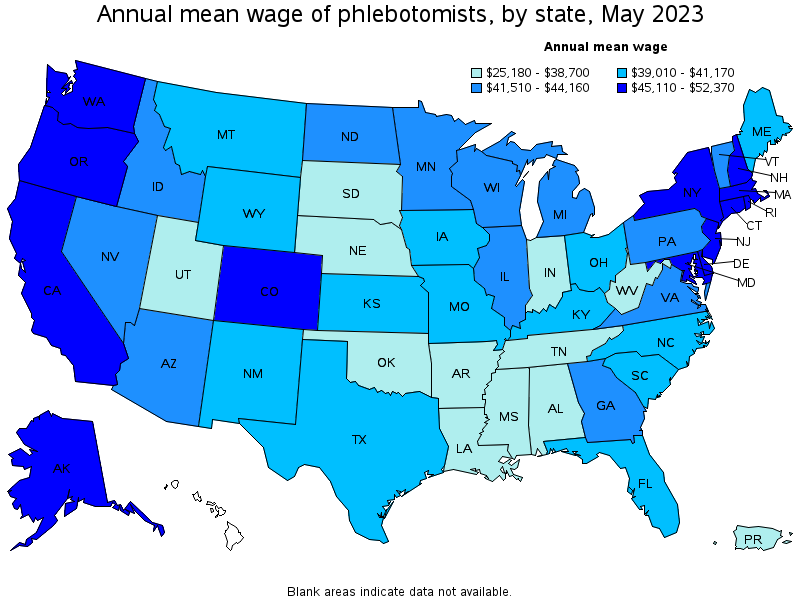
One of the most significant determinants of phlebotomist pay is geography. Salaries can vary dramatically from one state to another, or even between metropolitan and rural areas within the same state. This disparity is primarily driven by:
-
Cost of Living: Regions with a higher cost of living (e.g., major coastal cities like New York, San Francisco, Los Angeles) typically offer higher wages to offset increased expenses such as housing, transportation, and daily necessities. Conversely, areas with a lower cost of living may have correspondingly lower average salaries.
-
Demand for Services: The concentration of healthcare facilities, the size of the patient population, and the general demand for phlebotomy services in a particular area can influence pay rates. High-demand areas, especially those experiencing shortages of skilled healthcare workers, often offer more competitive salaries and sign-on bonuses.
-
State-Specific Regulations: Some states might have different licensing or certification requirements, which can indirectly impact the perceived value and compensation for phlebotomists.
Experience Level and Seniority
Like most professions, a phlebotomist’s income tends to increase with experience. The journey from an entry-level position to a senior or lead role brings with it enhanced responsibilities, greater autonomy, and a higher pay scale.
-
Entry-Level Phlebotomists: Typically, those new to the profession, often with just their initial certification, will start at the lower end of the pay spectrum. Their focus is on mastering techniques, understanding protocols, and gaining confidence.
-
Mid-Career Phlebotomists: With a few years of experience (3-5 years), phlebotomists become more efficient, handle complex cases with ease, and may take on mentoring roles. Their demonstrated reliability and expertise translate into a noticeable increase in earnings.
-
Senior/Lead Phlebotomists: Those with extensive experience (5+ years) might move into supervisory or lead positions, managing teams, overseeing operations, training new staff, or specializing in difficult draws. These roles come with significantly higher compensation, reflecting their leadership and advanced skills.
Type of Employer
The institutional setting in which a phlebotomist works also plays a substantial role in their compensation package. Different employers have varying pay scales, benefit structures, and work environments.
-
Hospitals (Acute Care): Often offer competitive salaries and comprehensive benefits packages (health insurance, retirement plans, paid time off). Hospitals typically have diverse patient populations and offer opportunities for shift differential pay (evenings, nights, weekends).
-
Outpatient Clinics/Physician Offices: May offer slightly lower base salaries compared to hospitals but often provide more predictable hours and a less demanding pace. Benefits can vary widely depending on the size of the practice.
-
Commercial Laboratories (e.g., Quest Diagnostics, LabCorp): These large labs process a high volume of samples and often have standardized pay scales across their locations. They might offer opportunities for specialization and career advancement within their network.
-
Blood Banks/Donation Centers: Phlebotomists here specialize in blood donation processes. Pay can be competitive, and the work environment is often focused on donor interaction rather than patient diagnosis.
-
Mobile Phlebotomy Services: These services, which involve traveling to patients’ homes or workplaces, can sometimes offer higher per-draw rates or mileage reimbursement, making it an attractive option for independent contractors or those seeking flexibility.
-
Research Institutions: Working in a research setting might involve unique challenges and specialized draws, potentially leading to higher pay for specific projects or niche skills.
Education and Certifications
While a high school diploma or equivalent is generally a prerequisite, additional education and professional certifications significantly enhance a phlebotomist’s earning potential and career prospects.
-
Phlebotomy Programs: Completing an accredited phlebotomy training program (often lasting a few months to a year) is crucial for acquiring the necessary skills.
-
National Certification: Obtaining certification from recognized bodies such as the National Phlebotomy Association (NPA), American Society for Clinical Pathology (ASCP), or National Healthcareer Association (NHA) is highly valued by employers. Certified phlebotomists often earn more than their uncertified counterparts, as certification demonstrates a commitment to professional standards and validated competency.
-
Advanced Certifications/Specializations: Pursuing additional certifications in areas like point-of-care testing, medical assistant (MA) cross-training, or specific laboratory techniques can open doors to higher-paying, more specialized roles.
National Averages and Earning Potential
To provide a concrete financial perspective, it’s helpful to look at national average salaries for phlebotomists, understanding that these figures are broad estimates and subject to the factors discussed above.
Entry-Level Wages
For individuals just starting their career in phlebotomy, typical entry-level wages often fall into a specific range. According to data from various sources like the U.S. Bureau of Labor Statistics (BLS) and salary aggregation websites, entry-level phlebotomists can expect to earn around $15.00 to $18.00 per hour, which translates to an annual salary of approximately $31,000 to $37,500. This range can be influenced by local demand and the minimum wage laws in effect. It’s important to remember that this is a starting point, and significant growth in earnings is possible with experience and further professional development.
Mid-Career Earnings
As phlebotomists gain experience, refine their skills, and take on more responsibilities, their earning potential increases considerably. Mid-career phlebotomists, typically with 3-5 years of experience, often see their hourly wages rise to $19.00 to $22.00 per hour, bringing their annual income into the range of $39,500 to $45,800. At this stage, many phlebotomists have mastered difficult draws, are proficient in various collection methods, and may be training new staff or handling a wider array of patient types.
Top Earners and How They Get There
The highest earners in phlebotomy can command salaries significantly above the national average. These professionals typically possess a combination of extensive experience (5+ years), advanced certifications, specialized skills, and often work in high-demand, high-cost-of-living areas or specialized roles. Top earners can make upwards of $23.00 to $28.00 per hour, with some even exceeding this, pushing their annual salaries into the $48,000 to $58,000+ range.
Factors contributing to becoming a top earner include:
-
Leadership Roles: Becoming a lead phlebotomist, supervisor, or manager of a phlebotomy department.
-
Specialization: Working in highly specialized areas such as pediatric phlebotomy, oncology units, or research laboratories where unique skills are required.
-
Travel Phlebotomy: Taking on contract or travel phlebotomy assignments, which often offer higher pay rates to compensate for relocation and temporary work.
-
Advanced Degrees/Cross-Training: Pursuing an associate’s degree or bachelor’s degree in medical laboratory technology or cross-training as a Medical Assistant can provide a broader skill set and lead to higher-paying hybrid roles or career advancement opportunities.
Benefits and Compensation Packages
Beyond the base salary, the overall compensation package for a phlebotomist often includes a range of benefits that add substantial value. These benefits can significantly impact a phlebotomist’s total financial well-being.
-
Health Insurance: Medical, dental, and vision coverage are standard offerings from most full-time employers in healthcare.
-
Retirement Plans: Many employers offer 401(k) or 403(b) plans, often with employer matching contributions, which are crucial for long-term financial security.
-
Paid Time Off (PTO): Vacation days, sick leave, and paid holidays are standard benefits.
-
Tuition Reimbursement: Some healthcare systems offer tuition assistance for employees pursuing further education, which can be invaluable for career advancement.
-
Life and Disability Insurance: Additional protective benefits often provided.
-
Shift Differentials: Higher pay for working evening, night, weekend, or holiday shifts.
-
Certification Reimbursement: Employers may cover the cost of maintaining professional certifications.

Evaluating the entire compensation package, not just the hourly wage, is essential for a complete financial assessment of a phlebotomy role.
Boosting Your Phlebotomy Income: Strategies for Financial Growth
For phlebotomists looking to maximize their earning potential and secure a stronger financial future, several strategic approaches can be employed. These strategies focus on skill development, career diversification, and smart negotiation.
Advanced Certifications and Continuing Education
The healthcare field is constantly evolving, and staying current with best practices and new technologies is paramount. Pursuing advanced certifications or enrolling in continuing education courses demonstrates a commitment to professional growth and can directly lead to higher wages.
-
Specialty Certifications: Beyond the initial certification, consider obtaining specialized certifications in areas like Point-of-Care Testing (POCT) or advanced venipuncture techniques.
-
Cross-Training: Training in related fields, such as EKG technician, medical assistant (MA), or lab processing, can make you a more versatile and valuable employee, justifying a higher salary.
-
Associate’s or Bachelor’s Degree: For those aiming for supervisory roles or transitioning into medical laboratory technology, an associate’s or bachelor’s degree can unlock significantly higher earning potential.
Exploring Different Employment Settings
As discussed, different types of employers offer varying compensation. Proactively exploring and potentially transitioning between these settings can be a strategic move.
-
Travel Phlebotomy: This niche offers high pay rates, often including housing and travel stipends, for phlebotomists willing to work short-term contracts in various locations across the country. It’s excellent for financial boosts and gaining diverse experience.
-
Mobile Phlebotomy/Independent Contracting: Working for mobile services or even starting your own independent mobile phlebotomy business can offer greater flexibility and potentially higher per-draw rates, especially for those with an entrepreneurial spirit.
-
Specialized Clinics/Research Facilities: These environments often require specific skills and can offer higher compensation for that expertise compared to general hospital settings.
Negotiation Skills
Many phlebotomists underestimate the power of negotiation. When offered a position or during annual performance reviews, negotiating your salary and benefits can significantly impact your financial trajectory.
-
Research Market Rates: Before any negotiation, thoroughly research the average pay for phlebotomists with your experience and certifications in your specific geographical area. Websites like Glassdoor, Indeed, and the BLS are excellent resources.
-
Highlight Your Value: Articulate your skills, experience, certifications, and any unique contributions you bring to the role (e.g., high patient satisfaction scores, efficiency improvements, difficult draw expertise).
-
Consider the Entire Package: While base salary is important, remember to negotiate for other benefits like PTO, health insurance contributions, tuition reimbursement, or sign-on bonuses.
Side Gigs and Overtime Opportunities
For those looking to supplement their primary income, side gigs and overtime are readily available options within phlebotomy.
-
Overtime: Many hospitals and larger labs offer overtime hours, especially during staff shortages or peak seasons. This can significantly boost your weekly paycheck.
-
Part-Time Work: Picking up part-time shifts at another clinic, blood bank, or even through a staffing agency can provide additional income without committing to a second full-time job.
-
Weekend/Evening Shifts: These shifts often come with higher differential pay, making them financially attractive for those with flexible schedules.
The Financial Outlook for Phlebotomists: A Growing Healthcare Role
The demand for healthcare services is consistently on the rise, driven by an aging population and advancements in medical testing. This positive trend directly translates into a favorable financial outlook for phlebotomists.
Job Growth Projections
The U.S. Bureau of Labor Statistics projects a robust job growth for phlebotomists. The demand for phlebotomists is expected to grow much faster than the average for all occupations. This growth is fueled by:
-
Increasing Demand for Lab Testing: Medical diagnostics increasingly rely on blood tests for disease detection, monitoring, and treatment planning.
-
Aging Population: As the baby boomer generation ages, the need for medical care and diagnostic testing will continue to escalate, requiring more phlebotomists.
-
Preventative Care Focus: A greater emphasis on preventative medicine means more routine screenings and health checks, all of which require phlebotomy services.
This strong job outlook suggests a stable career path with consistent opportunities for employment and, consequently, steady income potential.
Career Progression and Pathways
A career in phlebotomy is often seen as an entry point into the broader healthcare field, offering numerous opportunities for upward mobility and increased financial reward.
-
Lead Phlebotomist/Supervisor: With experience, phlebotomists can advance to lead positions, overseeing teams, managing schedules, and ensuring quality control. These roles come with higher salaries and management experience.
-
Medical Laboratory Technologist/Scientist: Many phlebotomists use their experience as a stepping stone to further their education and become medical laboratory technologists or scientists, roles that involve analyzing blood and other body fluids. These positions require a bachelor’s degree and offer significantly higher pay.
-
Registered Nurse (RN): The hands-on patient interaction and understanding of medical procedures gained as a phlebotomist can serve as an excellent foundation for pursuing a nursing degree. Registered Nurses command much higher salaries.
-
Patient Care Technician/Medical Assistant: Cross-training into these roles allows for a broader scope of practice and often higher pay rates, as well as more diverse job opportunities within clinics and hospitals.
Economic Value of the Role
Beyond the direct salary, it’s essential to recognize the intrinsic economic value that phlebotomists bring to the healthcare system. Their accurate and efficient blood collection directly impacts:
-
Patient Diagnoses: Precise blood draws ensure reliable test results, leading to accurate diagnoses and timely treatment.
-
Healthcare Efficiency: Skilled phlebotomists reduce the need for repeat draws, saving time, resources, and improving patient satisfaction.
-
Public Health: In blood banks, phlebotomists facilitate life-saving blood donations, underpinning critical public health initiatives.
This essential contribution underpins the stable and growing financial compensation for phlebotomists, reinforcing their importance to the functioning of modern medicine.
Conclusion
The question “what is the pay for a phlebotomist” unveils a dynamic financial landscape shaped by experience, location, employer, and professional development. While entry-level positions offer a solid starting point, the profession provides ample opportunities for financial growth, with experienced and specialized phlebotomists commanding significantly higher salaries. The robust job growth projections, coupled with clear pathways for career progression into higher-paying roles, make phlebotomy an attractive and financially viable career choice within the expanding healthcare sector.
For those considering a career in phlebotomy, understanding these financial aspects is crucial for making informed decisions about education, certification, and career planning. For current phlebotomists, recognizing these factors empowers them to strategically pursue advanced training, explore diverse employment settings, and confidently negotiate for compensation that reflects their invaluable skills and contributions. Ultimately, a career as a phlebotomist offers not just a stable income, but a financially rewarding journey within a compassionate and ever-demanding field essential to human health and well-being.
aViewFromTheCave is a participant in the Amazon Services LLC Associates Program, an affiliate advertising program designed to provide a means for sites to earn advertising fees by advertising and linking to Amazon.com. Amazon, the Amazon logo, AmazonSupply, and the AmazonSupply logo are trademarks of Amazon.com, Inc. or its affiliates. As an Amazon Associate we earn affiliate commissions from qualifying purchases.