
Tipping is an ingrained part of consumer culture in many parts of the world, particularly in countries like the United States. Far more than just a polite gesture, it serves as a critical component of income for millions of service professionals. Yet, for many consumers, the question “what is the normal tip amount?” remains a perennial source of confusion, anxiety, and debate. Navigating the unwritten rules of gratuity requires understanding industry standards, cultural nuances, and the underlying financial realities that shape these expectations. This article aims to demystify tipping, providing a comprehensive guide to what’s considered “normal” and why, helping consumers approach gratuities with confidence and clarity, while also acknowledging the broader financial implications.
The Evolution and Purpose of Tipping
To understand what constitutes a “normal” tip today, it’s helpful to look back at the historical context and the economic function tipping serves. Originating in medieval Europe, tipping (or “gratuity”) was initially a small payment given to servants or staff as a sign of appreciation for good service. It made its way to America, where it evolved dramatically, particularly after the Civil War.
A Brief History of Gratuities
Early American tipping was often seen as an aristocratic affectation, even frowned upon by some who viewed it as undemocratic. However, as the restaurant and service industries grew, especially in the early 20th century, tipping became a way for employers to keep wages low, shifting a significant portion of employee compensation onto the customer. This practice became codified into law through the “tip credit” system, which allows employers to pay tipped employees less than the minimum wage, provided their tips make up the difference. This historical context is crucial for understanding why tipping is so deeply entrenched and why the “normal” tip amount carries such weight.
The Service Industry’s Wage Structure
For many service professionals—waitstaff, bartenders, hairdressers, delivery drivers, and more—tips are not merely extra income; they are the primary component of their livelihood. In the U.S., the federal minimum wage for tipped employees can be as low as $2.13 per hour, with the expectation that tips will bring their earnings up to or beyond the standard minimum wage. This structure places a direct financial responsibility on the customer to ensure service workers earn a living wage. Understanding this fundamental aspect of the service economy highlights why consistent and appropriate tipping is not just good etiquette but a vital act of financial support. It also explains why the “normal” amount often hovers around percentages that significantly bolster these workers’ incomes.
Cultural Nuances of Tipping
What’s “normal” for tipping varies significantly across different cultures and countries. While tipping is deeply expected and often substantial in North America, it can be less common, even considered an insult, in parts of Asia, or included as a service charge in many European countries. Even within the U.S., regional differences or specific community expectations can subtly shift the perceived “normal” range. This cultural variability underscores that “normal” is not a universal constant but a socially constructed expectation, reinforced by local norms and financial practices.
Current Tipping Norms Across Industries
While specific percentages can fluctuate based on location, service quality, and individual discretion, generally accepted tipping percentages provide a useful benchmark for consumers. These norms are shaped by industry traditions, the intensity of service provided, and the general cost of living in an area.
Dining Out: Restaurants and Bars
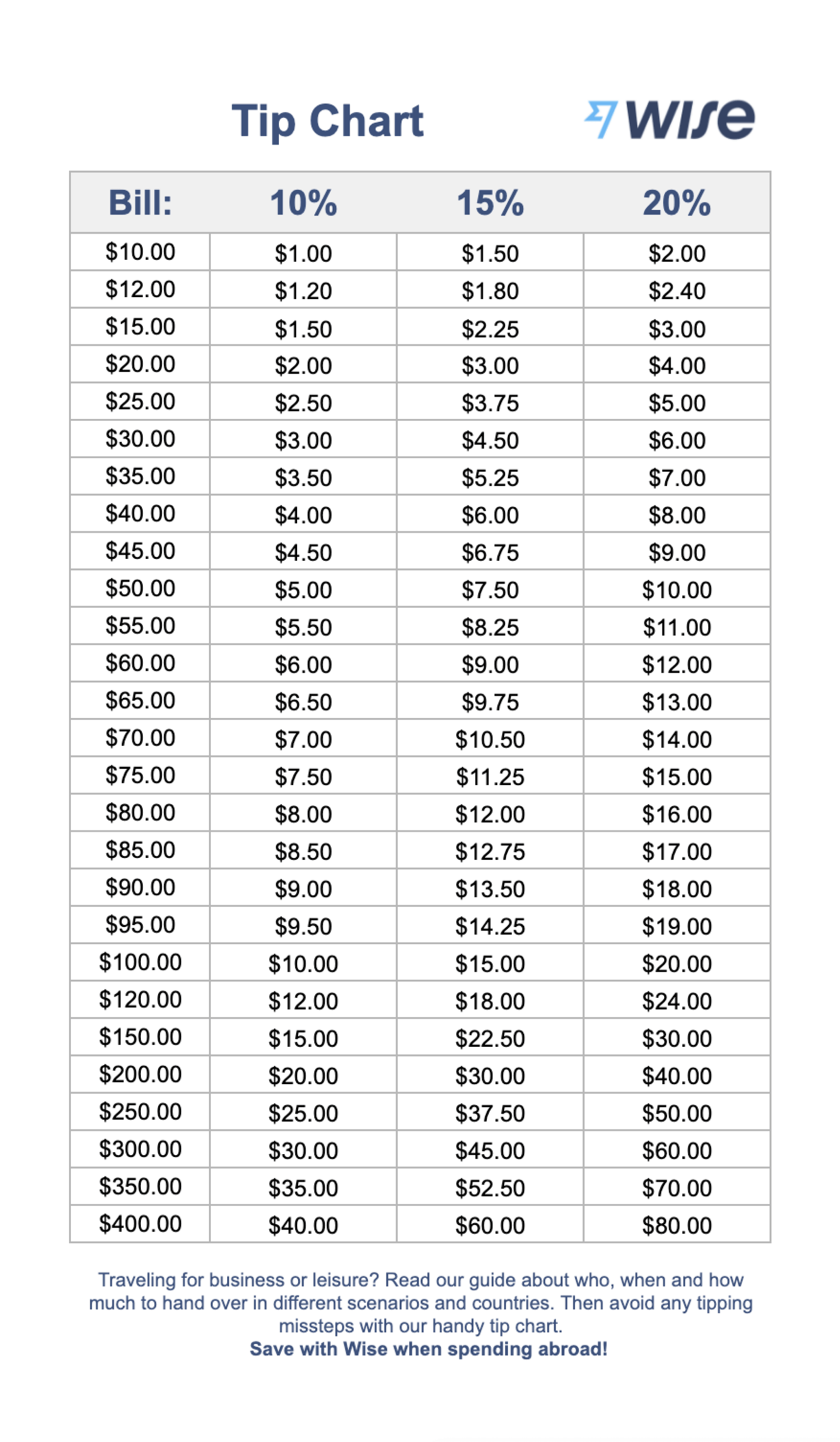
This is perhaps the most common tipping scenario. For sit-down restaurant service, the standard tip in the U.S. has steadily climbed over the years. What was once 15% is now widely considered the absolute minimum for satisfactory service, with 18-20% being the new normal for good service. For exceptional service, 22-25% is often appropriate. At bars, a common practice is $1-2 per drink, or 15-20% of the total bill, especially if you’re ordering multiple drinks or food. For coffee shops where baristas are only preparing drinks (not serving a meal), a $1-2 tip or 10-15% on larger orders is typical, often left in a tip jar.
Personal Services: Salons, Spas, and Barbers
Services like haircuts, manicures, massages, and shaves also have clear tipping expectations. For these services, 15-20% of the total cost of the service is considered normal. If multiple professionals assist (e.g., a colorist and a stylist, or an assistant who washes hair), you might tip each individually or base the total tip on the overall service and let the salon distribute it, though direct tipping is often preferred. Remember to tip on the full price of the service, even if you used a discount or coupon.
Delivery and Transportation Services
With the rise of app-based services, tipping in this category has evolved. For food delivery (e.g., DoorDash, Uber Eats), 15-20% of the food total is standard, with a minimum of $3-5, especially for small orders or challenging delivery conditions (bad weather, long distances). For taxi and ride-share services (e.g., Uber, Lyft), 15-20% of the fare is a good guideline for a standard ride. For exceptional service, help with luggage, or going above and beyond, consider tipping more.
Hospitality: Hotels and Travel
Tipping in hotels covers various staff members who contribute to your stay. For bellhops who help with luggage, $1-2 per bag (or $5-10 for significant luggage) is appropriate. For housekeeping, a daily tip of $2-5 (left clearly marked) is standard, increasing for longer stays or if you’ve made a mess. Concierge services might warrant a tip of $5-20, depending on the complexity of their assistance. For valet parking, $2-5 upon retrieving your car is customary.
Emerging Service Categories (e.g., Gig Economy)
The gig economy has introduced new services, from dog walkers to home cleaners and task runners. For dog walkers/pet sitters, 15-20% is common for one-time services, or a holiday bonus for regular service. For home cleaners, 15-20% of the service cost is standard. For other task-based services, similar percentages apply, reflecting the effort and skill involved. When in doubt, consider the effort involved, the duration of the service, and what feels fair given the quality of the work.
Factors Influencing Your Tipping Decision
While industry norms provide a baseline, a truly “normal” tip is often dynamic, influenced by several factors beyond a simple percentage calculation. Discretion is key, and understanding these elements allows for more thoughtful and appropriate gratuities.

Quality of Service
This is arguably the most significant factor. Excellent service—attentive, friendly, efficient, and proactive—should be rewarded at the higher end of the normal range, or even above it. Conversely, truly poor service might warrant a tip at the lower end or, in extreme cases, no tip at all, though this should be a rare occurrence and often accompanied by feedback to management. It’s important to distinguish between poor service and circumstances outside the server’s control (e.g., kitchen delays).
Complexity of the Service
Some services are inherently more demanding or intricate. A large group dining experience, a complex hair color, a delivery through inclement weather, or a bartender making elaborate cocktails all represent services that might warrant a higher tip due to the increased effort and skill involved. Recognizing this complexity shows appreciation for the extra work.
Your Financial Comfort
While adhering to norms is generally good practice, your personal financial situation can subtly influence your tipping. It’s important to budget for tips as part of the overall cost of a service. However, if you are genuinely struggling financially, tipping at the lower end of the “normal” spectrum might be necessary. Conversely, if you are comfortable, being more generous is always appreciated. The goal is to be fair, not to put yourself in a difficult financial position.
Local Customs and Peer Pressure
Tipping culture can vary significantly even within different neighborhoods of the same city. In high-cost-of-living areas, expectations for tips might be slightly higher. Additionally, dining with others might create a subtle pressure to conform to their tipping habits. While it’s good to be aware of these influences, ultimately, your tip should reflect your assessment of the service and your comfort level.
Group Size and Special Requests
For larger dining parties (typically 6 or more), many restaurants automatically add a gratuity (often 18-20%) to the bill. Always check your bill to avoid double-tipping. If an automatic gratuity isn’t added for a large group, tipping at the higher end of the spectrum is highly recommended due to the increased workload for the server. Similarly, special requests or unusual demands on a service professional might warrant a slightly more generous tip to acknowledge their extra effort.
The Financial Impact of Tipping
Tipping isn’t just a transaction; it has significant financial implications for both the consumer and the service professional, shaping budgets, livelihoods, and broader economic debates.
For the Consumer: Budgeting for Gratuities
For consumers, recognizing that tips are an integral part of service costs is crucial for sound personal finance. When planning a meal out, a salon visit, or ordering delivery, always factor in the additional 15-25% for gratuity. This helps avoid sticker shock and ensures you can afford to tip appropriately without stressing your budget. Treating tips as a non-negotiable part of the expense, rather than an optional add-on, aligns with responsible financial planning. Failing to budget for tips means the true cost of the service is underestimated, potentially leading to awkward situations or underserving the professional.
For Service Professionals: The Livelihood Perspective
For service professionals, tips are often the backbone of their income. A “normal” tip allows them to cover basic living expenses, save, and achieve financial stability. Fluctuations in tipping directly impact their financial well-being, making consistent and fair tipping critically important. Many rely on tips to meet rent, grocery bills, and other daily necessities, especially given the low base wages in many tipped professions. The generosity and consistency of customers’ tips directly correlate to their ability to sustain themselves and their families.
The Debate: Fair Wages vs. Tipping
The reliance on tipping has sparked an ongoing debate about wage structures in the service industry. Advocates for a “fair wage” or “living wage” argue that employers should pay service professionals a higher base salary, reducing or eliminating the customer’s burden of making up the difference through tips. They suggest this would provide more stable and predictable income for workers, and a clearer, more transparent cost for consumers. Conversely, proponents of the tipping system argue it incentivizes excellent service and allows top-performing employees to earn more than a fixed wage might allow. Understanding this broader economic context helps frame why “what is the normal tip amount” is not just a question of etiquette but of economic justice and policy.
Navigating Tipping in the Digital Age and Beyond
The digital revolution has introduced new complexities and conveniences to tipping, while evolving social attitudes continue to reshape expectations.
App-Based Tipping: Convenience vs. Obligation
Digital platforms for food delivery, ride-shares, and even some in-person services have integrated tipping directly into their payment processes. While convenient, this can sometimes lead to “tip fatigue” as consumers are prompted to tip for every micro-transaction. The “normal” here is still largely based on traditional percentages, but the ease of tapping a pre-set option (often 15%, 18%, 20%) means consumers might default to these without much thought. It also sometimes makes it harder to adjust for truly exceptional or poor service compared to handing over cash.
No-Tipping Policies: A Growing Trend?
Some restaurants and service establishments have experimented with “no-tipping” policies, opting instead to pay staff higher hourly wages and/or add a service charge to the bill. The aim is to provide more stable income for staff and a more transparent pricing structure for customers. While these initiatives face challenges and are not yet widespread, they represent a potential future direction that could redefine what “normal” tipping means, shifting the responsibility from the customer to the employer.
Tipping Etiquette for New Services
As new services emerge—from online personal trainers to virtual assistants—the question of tipping can become less clear. Generally, if a service involves direct, personal interaction and significant effort, a tip might be appropriate. For purely digital or remote services where a professional is simply providing information or a product without a direct, labor-intensive service component, tipping is less expected. When in doubt, consider if the service worker is operating in a traditional “tipped” role, or if their compensation model is closer to a salaried professional.

The Future of Gratuities
The concept of “normal” tipping is not static. It will continue to evolve with economic pressures, technological advancements, changing cultural attitudes, and policy debates. As consumers, staying informed, exercising thoughtful discretion, and understanding the financial impact of our choices are crucial. Ultimately, a “normal” tip is one that acknowledges good service, supports the livelihood of service professionals, and aligns with both established industry standards and one’s own financial capacity and conscience.
aViewFromTheCave is a participant in the Amazon Services LLC Associates Program, an affiliate advertising program designed to provide a means for sites to earn advertising fees by advertising and linking to Amazon.com. Amazon, the Amazon logo, AmazonSupply, and the AmazonSupply logo are trademarks of Amazon.com, Inc. or its affiliates. As an Amazon Associate we earn affiliate commissions from qualifying purchases.