
In an era where smartphones have become indispensable extensions of ourselves – our communication hubs, personal computers, entertainment devices, and even payment methods – protecting these significant investments is paramount. A cracked screen, a shattered back, or internal damage from an unfortunate drop can not only be costly to repair but can also disrupt our daily lives significantly. With new flagship phones often costing upwards of $1,000, the question “what is the most protective phone case?” isn’t just a query about an accessory; it’s about safeguarding a vital piece of personal technology and, by extension, our digital continuity.

The market is flooded with countless options, from sleek, minimalist covers to bulky, armored fortresses. Navigating this labyrinth can be daunting. This article delves into the science and engineering behind phone case protection, dissecting materials, design philosophies, and real-world performance to help you identify the ultimate shield for your device. We’ll explore the critical factors that define true protection, separating marketing hype from genuine durability, ensuring your tech remains safe in almost any scenario.
Understanding the Anatomy of Phone Protection
Identifying the most protective phone case requires a foundational understanding of what makes a case protective in the first place. It’s not just about adding a layer; it’s about intelligent design, advanced materials, and rigorous testing.
Material Matters: The Foundation of Durability
The core of any phone case’s protective capability lies in the materials it employs. Different materials offer distinct advantages in shock absorption, scratch resistance, and impact deflection.
-
Polycarbonate (PC): A rigid, tough plastic often used for the outer shell of multi-layered cases. It provides excellent impact resistance and helps distribute force across a wider area. While great for stopping punctures and hard knocks, it lacks inherent shock absorption on its own.
-
Thermoplastic Polyurethane (TPU): A flexible, rubber-like plastic that excels at shock absorption. Its elasticity allows it to absorb and dissipate impact energy, making it ideal for the inner layer or bumper of a case. TPU also offers good grip and scratch resistance.
-
Silicone: Very soft and flexible, silicone provides decent shock absorption and an excellent non-slip grip. However, it tends to be less durable than TPU and can attract lint and dust, making it a less common choice for truly “most protective” cases, though it’s comfortable to hold.
-
Aramid Fiber (Kevlar/Carbon Fiber): Lightweight yet incredibly strong, these materials are often found in premium protective cases. They offer exceptional stiffness and tensile strength, providing robust impact resistance without adding significant bulk. Mous cases, for example, leverage Aramid fiber for impressive drop protection in a slim form factor.
-
D3O and Other Smart Materials: D3O is a non-Newtonian fluid that remains flexible in its resting state but instantly locks together upon impact to absorb and disperse energy. This “smart material” allows for slimmer cases that offer superior protection. Other brands use proprietary gels and foams designed for similar energy dispersion.
-
Metal (Aluminum) and Tempered Glass: While less common for the primary protective element, metal frames can offer rigidity, and some cases integrate tempered glass for additional back protection. These can be strong but also add weight and can sometimes transmit shock rather than absorb it, depending on their integration.
Truly protective cases often combine several of these materials, leveraging the strengths of each to create a multi-layered defense system. For instance, a rigid polycarbonate outer shell might protect against punctures, while a soft TPU inner layer absorbs and dissipates shock.
Design Elements: Engineering for Impact
Beyond materials, the physical design of a phone case plays a crucial role in its ability to protect. Thoughtful engineering can mitigate the effects of drops from various angles.
-
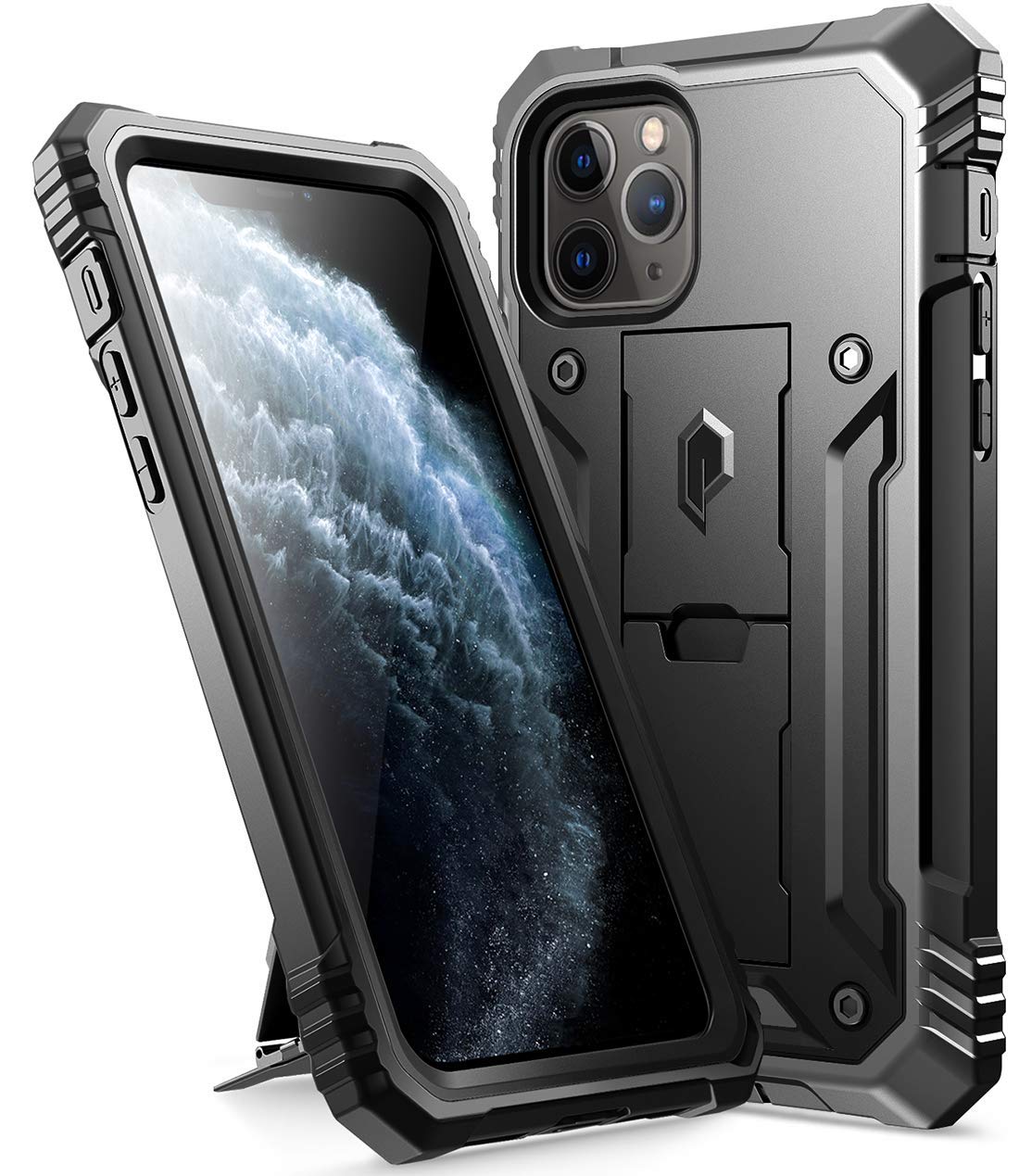
Reinforced Corners: Corners are typically the first point of impact when a phone falls. Many protective cases feature reinforced corners, often with air-cushion technology or extra-thick material, to absorb and dissipate the brunt of a fall. This design element is critical for preventing screen shattering and frame damage.
-
Raised Bezels (Lips): A crucial design feature, raised bezels around the screen and camera module ensure that if the phone falls face-down or lands on its back, the screen and camera lenses do not directly contact the surface. This slight elevation (typically 1-2mm) is a simple yet highly effective way to prevent scratches and cracks.
-
Multi-Layered Construction: The most protective cases usually employ a multi-layered design. This typically involves a soft, shock-absorbing inner layer (e.g., TPU or a proprietary gel) encased within a rigid outer shell (e.g., polycarbonate). Some even include a third, more flexible layer for grip or enhanced shock absorption. This layered approach allows for a dynamic response to impact, distributing and dampening force more effectively.
-
Port Covers and Button Protection: While seemingly minor, integrated port covers prevent dust, dirt, and moisture from entering crucial openings, extending the life of your device. Protective buttons, often designed to be tactile yet shielded, prevent accidental presses while maintaining full functionality.
-
Textured Grips: A good protective case isn’t just about surviving a fall; it’s also about preventing one. Textured surfaces and ergonomic designs enhance grip, reducing the likelihood of the phone slipping from your hand in the first place.
Drop Test Standards and Certifications
When manufacturers claim “military-grade protection,” they’re often referring to compliance with MIL-STD-810G (or H). This is a series of performance tests developed by the U.S. Department of Defense to assess equipment limits in various environmental conditions. For phone cases, the relevant tests typically involve dropping the device from a certain height (e.g., 4 or 6 feet) onto a hard surface, usually 26 times on different faces, edges, and corners.
It’s important to understand that MIL-STD-810G is a performance standard, not a certification body. Any manufacturer can claim compliance if their product passes the tests. However, reputable brands will often provide specific drop height ratings (e.g., “tested to 15-foot drops”) and transparently explain their testing methodology. While “military-grade” is a good indicator, it’s crucial to look for specific drop heights and real-world reviews, as not all MIL-STD-810G compliant cases offer the same level of protection.
Types of Protective Phone Cases: A Deep Dive
The spectrum of phone cases ranges dramatically, each designed with different priorities in mind. To find the “most protective,” we must distinguish between general protection and truly robust safeguarding.
Slim vs. Rugged: Balancing Aesthetics and Armor
The fundamental trade-off in phone cases is often between sleek aesthetics and ultimate protection.
-
Slim Cases: These cases prioritize minimalism and maintain the phone’s original form factor. They are typically thin, made from a single layer of TPU or polycarbonate, and offer basic scratch protection and minor bump absorption. While they make the phone comfortable to hold and slide easily into pockets, they offer minimal protection against significant drops, especially from height or onto hard, uneven surfaces. If your primary concern is aesthetics and you rarely drop your phone, a slim case might suffice, but it will not be the “most protective.”
-
Rugged Cases: At the other end of the spectrum are rugged cases, designed with the sole purpose of providing maximum protection. These are often multi-layered, bulkier, and feature advanced shock-absorbing materials and reinforced structures. They are built to withstand severe drops, impacts, and often harsh environments. Brands like OtterBox, UAG, and Supcase are synonymous with rugged protection, offering solutions for those who frequently expose their phones to risk. While they add significant bulk and can obscure the phone’s design, their protective capabilities are unparalleled.
Specialized Protection: Beyond Basic Drops
Some cases offer targeted protection for specific scenarios, addressing needs beyond just everyday drops.
-
Waterproof Cases: Designed for adventurers or those prone to spills, waterproof cases provide an airtight seal around your phone. They are rated using the Ingress Protection (IP) system (e.g., IP68, meaning dust-tight and submersible up to a certain depth for a specified duration). Brands like LifeProof are well-known for their robust waterproof cases, which often come with integrated screen protectors and port covers. While offering excellent water resistance, their drop protection might vary depending on the specific model.
-
Battery Cases: These cases integrate an external battery to extend your phone’s life. While their primary function is power, they often add substantial bulk and can offer a decent level of drop protection due to their larger form factor and multi-component construction. However, their protective features are usually secondary to their charging capabilities.
-
Wallet/Folio Cases: Combining a phone case with a wallet, these cases typically feature a front flap that covers the screen when closed. This flap provides excellent scratch protection for the screen and can offer some cushioning during a face-down drop. However, the open-face design during use and the potential for the flap to open upon impact can compromise overall drop protection compared to a fully enclosed rugged case.
-
Mountable Cases: Designed for active individuals (cyclists, runners, content creators), these cases integrate a mounting system (e.g., for bike mounts, tripods). They are often ruggedized to protect the phone during activities and offer secure attachment points. Brands like Quad Lock specialize in combining robust protection with versatile mounting solutions.

Top Contenders for “Most Protective”
While the “most protective” case can be subjective based on individual needs, certain brands and series consistently stand out for their superior engineering and proven track record in extreme conditions.
OtterBox Defender Series
The OtterBox Defender has long been the gold standard for rugged phone protection. It features a multi-layered design typically comprising a solid inner shell, a soft outer slipcover, and an integrated screen protector (in some models, or a separate frame that works with a screen protector). It includes port covers to block dust and dirt and often comes with a belt-clip holster that doubles as a kickstand. The Defender series is designed for heavy-duty use, offering exceptional protection against drops, impacts, and environmental factors. Its main drawback is its significant bulk, but for ultimate peace of mind, it’s a top choice.
UAG (Urban Armor Gear) Monarch Series
UAG cases are recognizable for their distinctive, almost futuristic aesthetic. The Monarch series, in particular, combines several protective layers, including armor frames, top-grain leather or carbon fiber inserts, polycarbonate shear plates, alloy metal hardware, and impact-resistant rubber surrounds. They are engineered to be surprisingly lightweight for their level of protection, often exceeding MIL-STD-810G drop test standards for 2X the required drops. UAG strikes an excellent balance between serious protection and a more manageable form factor than some other ultra-rugged options.
Spigen Tough Armor / Neo Hybrid
Spigen is renowned for offering excellent protection at a more accessible price point. The Tough Armor series features a dual-layer design with a flexible TPU body and a rigid polycarbonate back, often incorporating Spigen’s “Air Cushion Technology” in the corners for enhanced shock absorption. The Neo Hybrid series offers a similar dual-layer approach with a focus on a more refined aesthetic, often using a durable bumper frame. Both lines provide robust protection for everyday drops and impacts, making them a popular choice for those seeking substantial security without extreme bulk or cost.
Supcase Unicorn Beetle Pro
The Supcase Unicorn Beetle Pro is another contender for extreme protection, often compared to the OtterBox Defender but typically at a lower price. It’s a full-body rugged case, usually featuring a built-in screen protector, port covers, a multi-layer design, and a sturdy kickstand. The UB Pro is designed to withstand harsh drops, dirt, and dust, making it ideal for outdoor enthusiasts, construction workers, or anyone who needs maximum protection without compromise. Its robust construction can add considerable bulk, but its protective capabilities are undeniable.
Mous Limitless/Clarity Series
Mous cases represent a premium approach to protection, focusing on advanced materials and minimalist design. Their Limitless and Clarity series often utilize AiroShock™ technology, a proprietary impact-absorbing material, in conjunction with materials like aramid fiber, wood, or leather. This allows Mous to create remarkably slim cases that offer incredibly high drop protection (often tested from 45 feet or more in demonstrations) without the bulk traditionally associated with such durability. They cater to users who want top-tier protection but refuse to compromise on aesthetics and feel.
The Real-World Factor: Beyond Specifications
While specifications and brand reputation provide a strong foundation, the true “most protective” phone case is ultimately one that aligns with your individual circumstances and habits.
Your Lifestyle Dictates Your Need
The ideal case for a construction worker who regularly encounters dust, concrete, and high drops will differ significantly from that of an office professional who primarily worries about desk-height falls or minor bumps.
-
High-Risk Environments: If you work in construction, are an outdoor adventurer, or frequently engage in activities where your phone is exposed to harsh elements, extreme drops, or impacts, a rugged, multi-layered case like the OtterBox Defender, Supcase UB Pro, or UAG Monarch is non-negotiable. Consider waterproof options if water exposure is a concern.
-
Moderate Risk: For everyday users who might occasionally drop their phone from pocket or hand height onto pavement or hard floors, a case offering a strong balance of protection and aesthetics, like the Spigen Tough Armor/Neo Hybrid or a Mous case, will provide ample security.
-
Low Risk: If you are meticulous with your phone and rarely drop it, or primarily use it in controlled indoor environments, a slim case might suffice for minor scratches, but be aware of its limitations against serious impacts.
Installation and Maintenance
Even the most robust case won’t offer its full protection if not installed correctly. Ensure all components are securely fitted, and that there are no gaps or misalignments. Regularly inspect your case for wear and tear, especially after a significant drop. Cracks, deformation, or worn-out port covers can compromise its protective integrity. Keeping the case clean also prevents dirt and debris from accumulating inside, which could scratch your phone.
The Screen Protector Synergy
No matter how protective a phone case is, it usually doesn’t fully cover the screen itself. This is why a high-quality tempered glass screen protector is an essential companion to any protective case. Even cases with raised bezels can’t completely prevent screen damage from direct impact on a pointed object or an uneven surface. A good screen protector offers an additional sacrificial layer that absorbs direct impact, often shattering itself to save your phone’s display. For the ultimate protection, always combine a robust case with a durable, edge-to-edge tempered glass screen protector.
Conclusion
Determining the “most protective phone case” isn’t about finding a single, universally superior product but rather identifying the optimal solution for your personal risk profile and lifestyle. Generally, the answer lies in rugged, multi-layered cases from reputable brands that utilize advanced materials and intelligent design principles. Brands like OtterBox, UAG, Supcase, and Mous consistently lead the pack with their commitment to engineering durable and resilient phone protection.
Prioritize cases with reinforced corners, raised bezels, and proven drop-test certifications. Remember that materials like polycarbonate, TPU, aramid fiber, and smart materials like D3O are key indicators of robust impact absorption and resistance. Finally, always complement your chosen case with a high-quality tempered glass screen protector for comprehensive, 360-degree defense. Investing in the right protective gear is a small price to pay to safeguard your valuable smartphone and ensure its longevity in the face of life’s inevitable mishaps.
aViewFromTheCave is a participant in the Amazon Services LLC Associates Program, an affiliate advertising program designed to provide a means for sites to earn advertising fees by advertising and linking to Amazon.com. Amazon, the Amazon logo, AmazonSupply, and the AmazonSupply logo are trademarks of Amazon.com, Inc. or its affiliates. As an Amazon Associate we earn affiliate commissions from qualifying purchases.