
The word “proverbial” often conjures images of ancient wisdom, folk sayings, or common truths passed down through generations. At its core, “proverbial” refers to something that is well-known, characteristic of a type, or widely spoken of, often to the point of becoming a common saying or an archetype. It denotes a status of being deeply embedded in collective understanding, a universal reference point. However, when we delve into the realm of brand strategy, the meaning of “proverbial” transcends a mere linguistic definition to become a profound aspiration – the ultimate accolade for a brand aiming for timeless recognition, unparalleled authority, and an indelible mark on culture.

For a brand, achieving “proverbial” status means becoming more than just a product or service; it means becoming a benchmark, a household name, or even a verb. It signifies a brand that has transcended its commercial origins to become a cultural touchstone, a universally understood symbol of quality, innovation, or a specific experience. This article will explore the multifaceted meaning of “proverbial” through the lens of branding, outlining what it truly means for a brand to achieve such status, the strategies involved in this ambitious quest, and the immeasurable value it brings to an organization.
The Essence of “Proverbial” in Brand Context
To truly grasp the significance of “proverbial” for a brand, one must look beyond its dictionary definition and understand its implications for market perception, competitive standing, and cultural impact.
Beyond Dictionary Definitions: A Brand’s Ultimate Acclaim
In common parlance, something is “proverbial” if it is so characteristic, typical, or widely known that it practically defines its category or represents a universal truth. Think of “the proverbial needle in a haystack” or “the proverbial calm before the storm.” For a brand, this translates into achieving a level of recognition and acceptance so profound that it becomes the default mental image or verbal shorthand for an entire category.
Consider brands like Kleenex (for facial tissues), Google (for internet search), or Band-Aid (for adhesive bandages). While these are specific brand names, they have, through consistent excellence and pervasive presence, become “proverbial” in their respective fields. When someone asks for a “Kleenex,” they are often referring to any brand of tissue; when they say “Google it,” they mean to search online, regardless of the search engine. This level of semantic dominance is not merely about market share; it’s about owning a conceptual space in the consumer’s mind, a testament to deep cultural penetration and an almost unchallenged position of authority. It signifies that the brand has evolved from a commercial entity to an integral part of everyday language and understanding.
Becoming a Benchmark: The Gold Standard
A brand that achieves “proverbial” status often becomes the benchmark against which all others are measured. It embodies the “gold standard” – the ultimate measure of quality, reliability, or innovation. This doesn’t happen overnight; it’s the result of relentless pursuit of excellence, unwavering commitment to a brand promise, and a consistent ability to exceed expectations.
For example, what brand comes to mind when you think of luxury cars, exceptional customer service, or groundbreaking technology? Often, it’s a brand that has, over decades, established itself as the undisputed leader, setting trends and defining an entire industry’s direction. These brands become proverbial not just for their products, but for their ethos, their operational excellence, and their vision. They are the ones cited in business school case studies, the ones aspiring competitors try to emulate, and the ones consumers implicitly trust. Their very name carries the weight of a proven track record and an undeniable legacy, solidifying their position as the proverbial leader of the pack.
The Quest for Proverbial Status: Strategies for Brand Immortality
The journey to becoming a proverbial brand is arduous, demanding a holistic and sustained approach to brand building. It’s not simply about marketing; it’s about ingrained philosophy and execution.
Consistency, Quality, and Unwavering Vision
At the foundation of any proverbial brand lies an unyielding commitment to consistency and quality. Every interaction, every product, every message must align with the core brand identity and promise. Inconsistent experiences erode trust and dilute brand equity, making it impossible to achieve the kind of pervasive recognition that “proverbial” implies.
A brand with a strong, unwavering vision acts as a compass, guiding all decisions and ensuring that the brand’s offerings consistently meet the high standards consumers come to expect. This involves everything from product development and customer service to supply chain management and internal culture. When a brand consistently delivers exceptional quality and remains true to its stated values over time, it builds a reputation so solid that it becomes almost legendary – the “proverbial rock” that stands firm against market fluctuations and competitive pressures. This bedrock of reliability forms the basis for deep consumer trust and loyalty, paving the way for wider cultural acceptance.
Crafting Archetypal Narratives and Cultural Resonance
Proverbial brands don’t just sell products; they tell stories that resonate deeply with human experiences and aspirations. They tap into universal truths, creating narratives that are relatable, inspiring, or aspirational. These archetypal narratives help embed the brand into the cultural fabric, transforming it from a mere commodity into a meaningful symbol.
Consider brands that champion specific values like innovation, freedom, community, or luxury. Their marketing isn’t just about features; it’s about the lifestyle, the feeling, or the identity that associating with the brand confers. By connecting with consumers on an emotional level and aligning with broader cultural values, these brands become more than commercial entities. They become part of the collective consciousness, their stories and symbols becoming “proverbial” expressions of certain ideals or experiences. This often involves strategic partnerships, cultural sponsorships, and messaging that transcends mere advertising to become cultural commentary.
Innovation and Disruption: Redefining the Landscape
While consistency is vital, truly proverbial brands often achieve their status by redefining their categories through innovation and disruption. They don’t just compete; they create new rules, new standards, and new expectations. Think of Apple’s impact on personal computing and mobile technology, or Tesla’s disruption of the automotive industry. These brands introduced products and experiences so groundbreaking that they fundamentally shifted consumer perceptions and industry practices.
By pioneering new approaches, technologies, or business models, these brands become the “proverbial game-changer.” Their innovations are so impactful that they influence how everyone else operates, making their name synonymous with progress and forward-thinking. This relentless pursuit of the next big thing, coupled with a commitment to delivering superior solutions, solidifies their position as the archetypal innovator, ensuring their place in the collective consciousness as a brand that is perpetually pushing boundaries.

The Tangible Value of a Proverbial Brand
The efforts invested in building a proverbial brand yield substantial returns, translating into measurable benefits across various aspects of an organization.
Enhanced Brand Equity and Market Dominance
A brand that has achieved proverbial status commands immense brand equity. This means consumers are willing to pay a premium for its products or services, not just for their functional utility, but for the inherent value and prestige associated with the brand name. This enhanced equity translates directly into greater pricing power, improved profit margins, and a stronger competitive advantage.
Such brands often enjoy market dominance, not just in terms of sales volume, but in mindshare. They are the first choice, the trusted option, the brand consumers instinctively reach for. Their market position is often so entrenched that it becomes “the proverbial fortress,” difficult for competitors to penetrate or dislodge. This dominance reduces marketing costs over time, as the brand’s reputation itself becomes its most powerful marketing tool, fueled by word-of-mouth and cultural presence.
Cultivating Deep Customer Loyalty and Advocacy
Proverbial brands foster unparalleled customer loyalty. When a brand becomes a benchmark or an archetype, it builds a deep emotional connection with its audience. Consumers don’t just buy its products; they identify with the brand, becoming ardent advocates who proudly champion its offerings and defend its reputation.
This loyalty goes beyond repeat purchases; it involves a willingness to forgive occasional missteps, a desire to engage with brand content, and an eagerness to recommend the brand to others. These brand evangelists become a powerful, organic marketing force, spreading positive messages and reinforcing the brand’s “proverbial” status within their networks. This cultivated trust and affinity create a self-perpetuating cycle of positive perception and sustained growth.
Attracting Top Talent and Fostering a Strong Company Culture
The benefits of a proverbial brand extend beyond the marketplace to internal operations. A strong, widely recognized brand acts as a magnet for top talent. Professionals are often eager to work for companies that are leaders in their field, known for innovation, quality, and a clear vision. This allows proverbial brands to attract and retain the best employees, further strengthening their capabilities and reinforcing their market position.
Furthermore, being part of a proverbial brand instills a sense of pride and purpose among employees. It fosters a strong company culture where individuals feel they are contributing to something significant, working for a name that truly stands for something. This internal alignment and motivation contribute to higher productivity, greater creativity, and a resilient workforce, ensuring the brand’s continued legacy as “the proverbial employer of choice.”
Leveraging Proverbial Wisdom in Brand Communication
Beyond aspiring to be proverbial, brands can also strategically leverage actual proverbial wisdom in their communication to connect with audiences and reinforce their messages.
Tapping into Collective Consciousness with Familiar Sayings
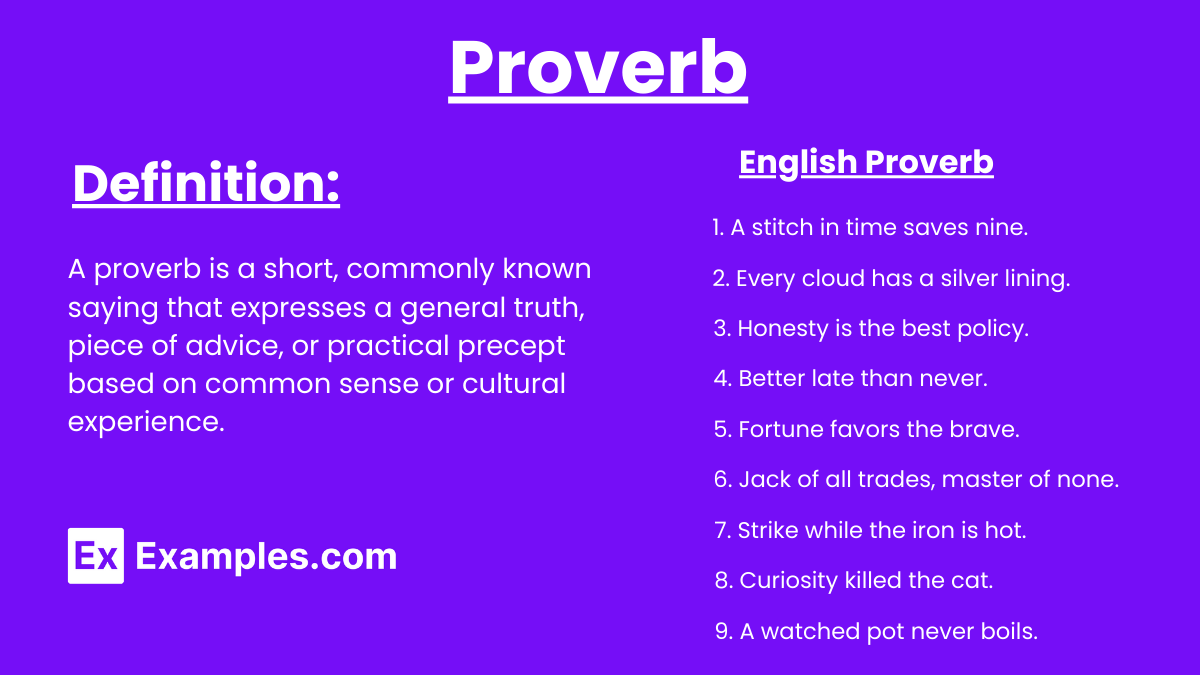
Proverbs are concise, memorable sayings that express a common truth or piece of advice. By incorporating existing proverbs or proverbial phrases into marketing campaigns, brands can tap into a shared cultural understanding and instantly resonate with their audience. Phrases like “A penny saved is a penny earned” might be used by a financial institution, or “Actions speak louder than words” by a brand emphasizing reliability and performance.
This approach offers several advantages: it creates instant familiarity, lends an air of wisdom and trustworthiness, and makes messages highly memorable. It’s like using a shortcut to connect with deeply ingrained beliefs and values, positioning the brand as one that understands and shares the consumer’s worldview. However, careful consideration is needed to ensure the proverb aligns authentically with the brand’s message and doesn’t feel forced or cliché.
Crafting Original Brand Proverbs: Memorable Slogans and Taglines
Some of the most effective brand slogans and taglines have achieved a status akin to modern proverbs. They are short, impactful statements that encapsulate a brand’s essence and become universally recognized. Think of Nike’s “Just Do It,” Apple’s “Think Different,” or L’Oréal’s “Because You’re Worth It.” These aren’t traditional proverbs, but through consistent repetition and powerful association, they have become “proverbial” brand statements – phrases that immediately evoke the brand and its core promise.
Creating such an impactful “brand proverb” requires deep insight into the brand’s identity and its target audience. It must be authentic, aspirational, and memorable enough to embed itself in the collective lexicon, becoming an enduring symbol of the brand’s philosophy and an effective shorthand for its value proposition.
The Fine Line: Authenticity vs. Cliché
While leveraging proverbial wisdom can be powerful, brands must tread carefully to avoid sounding trite or inauthentic. Overused proverbs can come across as clichés, diluting the message rather than enhancing it. The key lies in strategic application: either adapting a proverb in a fresh, unexpected way or creating original, proverb-like statements that truly capture the brand’s unique voice.
Authenticity is paramount. If a brand uses a proverb about hard work but its actions demonstrate shortcuts, the message will fall flat. The chosen wisdom must genuinely reflect the brand’s values, mission, and the experience it delivers. When done correctly, leveraging proverbial language can deepen a brand’s connection with its audience, reinforcing its message with the weight of shared human experience and wisdom.
In conclusion, the meaning of “proverbial” in the branding landscape is multi-layered and profound. It represents a brand’s ascent to universal recognition, becoming an archetype, a benchmark, and a cultural touchstone. It is the aspiration to be more than just a product, but a symbol deeply embedded in the collective consciousness. Achieving this status requires relentless commitment to quality, consistent vision, compelling storytelling, and often, disruptive innovation. The rewards are immense: unparalleled brand equity, fervent customer loyalty, and the ability to attract top talent. By understanding and strategically pursuing the “proverbial,” brands can not only build market dominance but also forge an enduring legacy that transcends generations, becoming truly immortal in the minds of consumers.
aViewFromTheCave is a participant in the Amazon Services LLC Associates Program, an affiliate advertising program designed to provide a means for sites to earn advertising fees by advertising and linking to Amazon.com. Amazon, the Amazon logo, AmazonSupply, and the AmazonSupply logo are trademarks of Amazon.com, Inc. or its affiliates. As an Amazon Associate we earn affiliate commissions from qualifying purchases.