
In an increasingly complex and interconnected world, the concepts that shape our societies also profoundly influence our commercial landscapes. The term “matriarchy” typically conjures images of historical or anthropological social structures where women hold primary power. However, within the dynamic realm of branding, marketing, and corporate identity, the concept of “matriarchy” can be reinterpreted not as a literal societal system, but as a powerful archetype and a set of guiding principles that can inform and elevate modern brand strategy. This article explores “matriarchy” through a brand lens, dissecting how its core conceptual tenets – such as community focus, empathetic leadership, long-term vision, and nurturing relationships – can forge more authentic, resilient, and impactful brands in today’s market.
Redefining Matriarchy for the Modern Brand Landscape
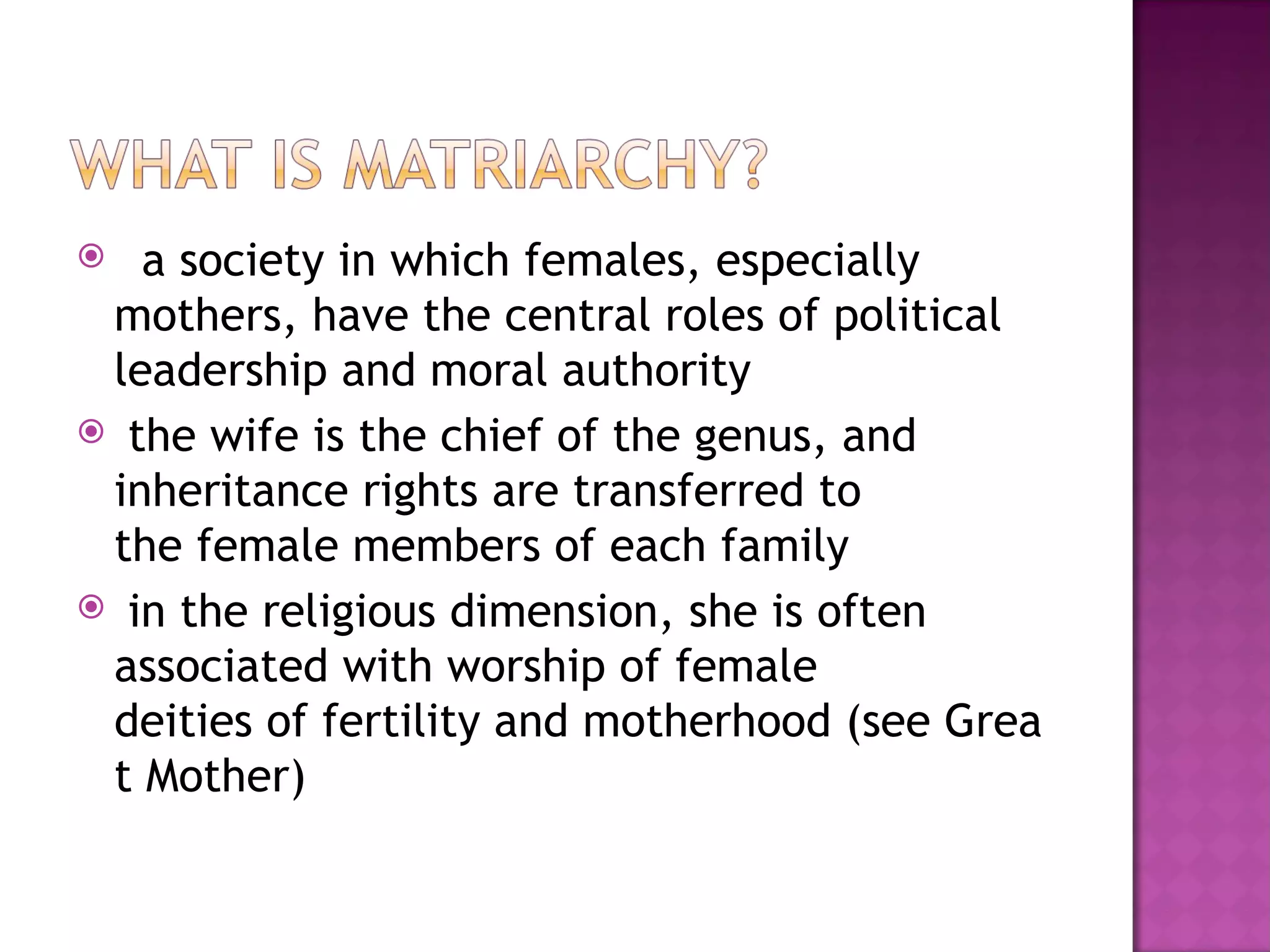
To understand the matriarchy in a brand context, we must first liberate it from its purely academic, historical, or sociological confines. While traditional definitions refer to a social organization where women are at the head of the family or tribe, where descent and inheritance are traced through the female line, and where women hold positions of authority, this literal interpretation isn’t directly applicable to a modern business entity. Instead, we can extract the essence of what matriarchy represents in terms of power dynamics, values, and relational structures, and apply these insights to brand development.
Beyond Literal Rule: Archetypes and Influence
At its heart, the conceptual matriarchy embodies characteristics often associated with feminine principles: collaboration over competition, nurturing over aggressive acquisition, emotional intelligence, sustainability, and community well-being. These aren’t exclusive to women, nor are they absent in masculine leadership, but they are often amplified and prioritized within the archetypal matriarchal framework. For brands, this means moving beyond a purely hierarchical or transactional approach. It signifies a shift towards understanding and leveraging the softer, yet immensely powerful, aspects of influence, connection, and shared value.
Consider the “Caregiver” or “Sage” archetypes in branding, which resonate with the perceived strengths of a matriarchal approach. Brands embodying these archetypes often focus on providing support, fostering wisdom, promoting well-being, and building enduring relationships. They stand in contrast to archetypes like “Ruler” or “Warrior,” which prioritize control, conquest, and dominance. Neither is inherently superior, but understanding the conceptual matriarchy helps brands intentionally cultivate an identity that champions empathy, inclusivity, and collective flourishing. This approach is not about female leadership replacing male leadership; it’s about integrating a balance of diverse leadership qualities and values into brand DNA.
The Rise of Values-Driven Branding
Modern consumers are increasingly sophisticated and demand more from brands than just products or services. They seek authenticity, purpose, and alignment with their own values. This trend directly aligns with a matriarchal brand perspective. Brands that operate with a conceptual matriarchal ethos are inherently values-driven. They prioritize ethical sourcing, social responsibility, environmental sustainability, and equitable practices, not just as marketing ploys, but as fundamental pillars of their identity.
This isn’t merely about corporate social responsibility (CSR) as an add-on; it’s about embedding these values into the very core of the brand narrative and operations. A “matriarchal brand” understands that its success is intertwined with the well-being of its employees, customers, suppliers, and the broader community. This holistic view fosters a deeper, more meaningful connection with its audience, transforming customers into advocates and employees into true brand ambassadors. It’s about building a legacy of impact, not just profit, a hallmark of long-term thinking inherent in the matriarchal archetype.
Matriarchal Principles in Corporate Identity and Culture
Applying matriarchal principles to corporate identity and culture involves a deliberate cultivation of an internal environment and external perception that mirrors its core values. This isn’t just about what a brand says, but what it does and how it feels to interact with it.
Nurturing Stakeholder Relationships
A matriarchal approach to branding emphasizes nurturing relationships with all stakeholders: employees, customers, partners, and the wider community. This extends beyond transactional exchanges to building trust, fostering loyalty, and ensuring mutual benefit. For employees, it translates into supportive work environments, opportunities for growth, fair compensation, and a strong sense of belonging. The “family” metaphor, often overused, finds genuine resonance here when applied with true care and commitment.
For customers, it means active listening, responsive support, transparent communication, and a genuine effort to understand and meet their evolving needs. It’s about creating a sense of belonging and community around the brand, where customers feel valued and heard. This translates into robust customer service, personalized experiences, and a commitment to quality that speaks volumes about the brand’s dedication. This nurturing extends to partnerships, where collaboration is prioritized over competition, fostering alliances that strengthen the ecosystem rather than creating zero-sum scenarios.
Empathy, Inclusivity, and Community Building
Empathy and inclusivity are cornerstones of a matriarchal brand. This means genuinely understanding and sharing the feelings of others, designing products and services with diverse needs in mind, and ensuring representation in all facets of the brand – from marketing campaigns to leadership teams. An inclusive brand actively seeks out and celebrates diverse perspectives, recognizing that a broader range of voices leads to richer insights and more robust solutions.
Community building is a natural extension of this empathetic approach. Matriarchal brands often excel at creating vibrant communities around their offerings, whether through online forums, loyalty programs, or grassroots initiatives. These communities become powerful engines of advocacy, feedback, and shared experience, transforming passive consumers into active participants in the brand’s journey. This fosters a sense of collective ownership and shared identity, which is incredibly powerful in building lasting brand equity.
Long-Term Vision and Sustainability
The matriarchal archetype often embodies a deep understanding of continuity and legacy. This translates into a brand strategy that prioritizes long-term vision over short-term gains. Sustainability, both environmental and social, becomes a non-negotiable aspect of the brand’s identity. This means investing in sustainable practices, responsible supply chains, ethical manufacturing, and contributing positively to the planet and its people.

A matriarchal brand considers the ripple effects of its decisions, not just for the next quarter, but for generations to come. This foresight builds immense trust and respect, especially among younger demographics who are acutely aware of global challenges. It differentiates the brand as a responsible corporate citizen, one that is committed to making a lasting, positive impact, aligning its purpose with the greater good.
Personal Branding Through a Matriarchal Lens
The principles of matriarchy are not confined to large corporations; they are profoundly relevant for personal branding, especially for leaders, entrepreneurs, and professionals seeking to build authentic and influential personal brands.
Authentic Leadership and Connection
For individuals, adopting a matriarchal lens means prioritizing authentic leadership. This involves leading with empathy, vulnerability, and a genuine desire to uplift and empower others. It moves away from the traditional, often hierarchical, “hero” leader archetype towards a more relational and collaborative style. A matriarchal personal brand focuses on building genuine connections, fostering a supportive network, and leading by example through integrity and compassion.
This approach recognizes that true influence comes not from positional power alone, but from the ability to inspire, mentor, and foster growth in others. It emphasizes emotional intelligence, active listening, and the ability to articulate a clear vision that resonates with and motivates a diverse group of people. Such a leader doesn’t just direct; they guide, support, and collaborate, creating an environment where others can thrive.
Building a Supportive Network
A matriarchal personal brand understands the power of a strong, supportive network. This isn’t about transactional networking for self-gain, but about cultivating genuine relationships based on mutual respect, reciprocity, and a shared commitment to success. It involves actively mentoring others, championing diverse voices, and creating opportunities for collaboration rather than solely pursuing individual achievements.
For personal brands, this translates into building a community around one’s expertise or mission. It means being a resource, a connector, and a source of inspiration for one’s audience and peers. This approach fosters a loyal following and a reputation as a benevolent and influential figure, whose impact extends far beyond individual accomplishments to the collective success of their sphere of influence.
Crafting a Matriarchal Brand Strategy
Implementing a matriarchal brand strategy requires intentionality and consistency across all touchpoints, from messaging to design and internal culture.
Messaging with Purpose and Impact
The messaging of a matriarchal brand is characterized by its purpose-driven nature. It communicates not just what the brand offers, but why it exists and the positive impact it aims to create. The language is empathetic, inclusive, and empowering, speaking directly to the values and aspirations of its audience. Storytelling is a crucial element, focusing on narratives of community, connection, growth, and collective achievement rather than solely individual triumphs or product features.
This messaging avoids aggressive, competitive rhetoric, opting instead for collaborative and supportive tones. It builds trust through transparency and authenticity, openly sharing challenges and successes, fostering a genuine dialogue with its audience. It’s about inviting people into a shared journey, rather than just selling them a destination.
Design and Aesthetics Reflecting Core Values
The visual and aesthetic elements of a matriarchal brand should reflect its core values. This often translates into designs that are warm, inviting, inclusive, and organic. Colors might lean towards natural palettes, typography could be approachable, and imagery would typically depict diverse individuals in authentic, collaborative settings. The focus is on creating a sense of comfort, trustworthiness, and belonging.
Design choices should also consider accessibility and inclusivity, ensuring that the brand experience is welcoming to all. Packaging, website interfaces, and physical spaces should all embody the nurturing and thoughtful approach central to the matriarchal archetype, creating a harmonious and reassuring user experience.
Measuring Success Beyond Profit
Finally, a matriarchal brand strategy redefines success. While financial viability is essential, success is measured not just by profit margins, but by impact. This includes social impact (e.g., community upliftment, employee well-being), environmental impact (e.g., reduced carbon footprint, sustainable practices), and brand equity built on trust, loyalty, and positive reputation. Key performance indicators (KPIs) extend beyond traditional financial metrics to include customer satisfaction, employee retention, community engagement, and environmental benchmarks.
This holistic view of success ensures that the brand remains true to its matriarchal principles, continuously striving for a balance between prosperity and purpose. By embracing the conceptual matriarchy, brands can cultivate a distinct identity that resonates deeply with modern consumers, fostering lasting connections, driving meaningful impact, and building a legacy that truly matters in the complex ecosystem of the 21st century. The matriarchy, in this context, is not a return to a historical social structure, but a forward-thinking framework for building brands that are both powerful and profoundly human.
aViewFromTheCave is a participant in the Amazon Services LLC Associates Program, an affiliate advertising program designed to provide a means for sites to earn advertising fees by advertising and linking to Amazon.com. Amazon, the Amazon logo, AmazonSupply, and the AmazonSupply logo are trademarks of Amazon.com, Inc. or its affiliates. As an Amazon Associate we earn affiliate commissions from qualifying purchases.