
While dobutamine is a pharmaceutical agent with a well-defined pharmacological profile, its “major clinical use” in the 21st century is not merely a matter of its chemical properties. Instead, its effective, precise, and safe application in patient care is inextricably woven into the fabric of modern medical technology. The ability to accurately diagnose conditions requiring dobutamine, administer it with titrated precision, monitor its effects in real-time, and make data-driven decisions regarding its dosage and duration, all hinge on an elaborate ecosystem of technological advancements. From the sophisticated diagnostic tools that identify the need for cardiac support to the intelligent infusion systems that ensure accurate delivery, and the predictive analytics that refine treatment protocols, technology is the silent enabler behind every successful clinical application of dobutamine. This article delves into the technological infrastructure that underpins and optimizes the major clinical uses of dobutamine, framing its utility within the broader context of medical innovation.
The Technological Lens: Unpacking Dobutamine’s Role in Cardiac Support
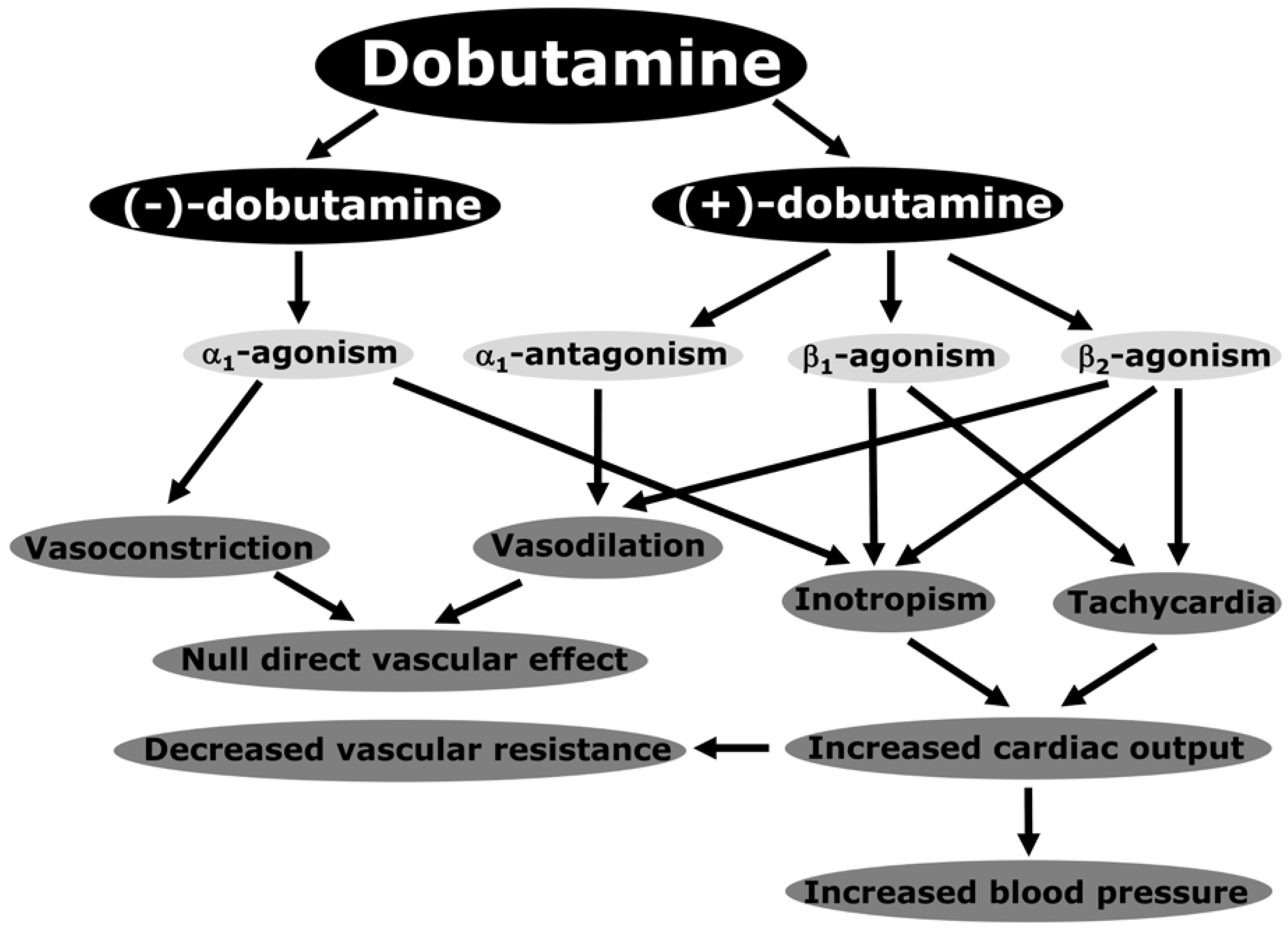
Dobutamine is primarily known for its positive inotropic effects, meaning it strengthens myocardial contractility, making it invaluable in situations where the heart’s pumping action is compromised. Its major clinical use is in the short-term treatment of cardiac decompensation, particularly in conditions like acute heart failure, cardiogenic shock, or after cardiac surgery. However, identifying when and how to deploy this potent drug effectively is a complex process heavily reliant on sophisticated medical technology. These technologies not only diagnose the underlying issues but also facilitate its use as a diagnostic tool itself.
Real-Time Hemodynamic Monitoring Systems
Before, during, and after dobutamine administration, clinicians rely on an array of real-time hemodynamic monitoring technologies to assess a patient’s cardiovascular status. These systems provide critical data that guides the decision to initiate dobutamine therapy and subsequent dose adjustments. Invasive arterial lines offer continuous blood pressure readings, while central venous catheters measure central venous pressure, providing insights into fluid status. The more advanced pulmonary artery catheter (Swan-Ganz catheter), though used less frequently now, provides detailed information on cardiac output, pulmonary artery pressures, and systemic vascular resistance—all crucial parameters for guiding dobutamine therapy in severe heart failure or cardiogenic shock.
Beyond these invasive methods, non-invasive cardiac output monitors utilizing technologies like impedance cardiography, bioreactance, or pulse wave analysis offer continuous estimations of cardiac output, stroke volume, and other hemodynamic variables. These less invasive technologies allow for more frequent and safer monitoring, enabling clinicians to observe the immediate effects of dobutamine and titrate it effectively without the risks associated with invasive lines. The integration of these monitors into central patient monitoring systems allows for trend analysis, immediate alerts for critical changes, and a comprehensive overview of the patient’s response, making the major clinical use of dobutamine a technologically supported endeavor.
Advanced Diagnostic Imaging
Diagnostic imaging technologies play a dual role in the clinical use of dobutamine. Firstly, they are pivotal in diagnosing the underlying causes of cardiac decompensation that necessitate dobutamine therapy. Transthoracic and transesophageal echocardiography, for instance, provide real-time visualization of cardiac chambers, valve function, and global and regional wall motion, directly assessing myocardial contractility and ejection fraction. These images can confirm impaired heart function and guide the decision to use inotropes.
Secondly, dobutamine itself is employed as a pharmacological stress agent in conjunction with these imaging technologies. Dobutamine stress echocardiography (DSE) is a common diagnostic procedure. By infusing increasing doses of dobutamine, clinicians can evaluate cardiac contractility, detect inducible ischemia, and assess myocardial viability, especially in patients unable to perform physical exercise. Similarly, dobutamine can be used in nuclear stress tests (e.g., Dobutamine-MIBI scan) to assess myocardial perfusion and function. In these contexts, the “major clinical use of dobutamine” is intrinsically linked to the performance and interpretation capabilities of sophisticated ultrasound and nuclear imaging technologies, allowing for precise diagnostic insights that influence further treatment strategies.
Precision Administration: The Cornerstone of Safe Dobutamine Therapy
Dobutamine is a potent vasoactive agent, meaning even small dosing errors can have significant clinical consequences, from ineffective treatment to severe adverse effects like arrhythmias or excessive hypotension. Therefore, the precise and controlled administration of dobutamine is paramount. This necessitates a reliance on advanced drug delivery systems that have evolved significantly over time.
Smart Infusion Pumps and Syringe Drivers
The days of manually adjusting drip rates for potent intravenous medications are largely gone, especially in critical care settings. Modern smart infusion pumps and syringe drivers are indispensable technologies for dobutamine administration. These devices offer micro-precision in drug delivery, allowing clinicians to administer dobutamine in micrograms per kilogram per minute (mcg/kg/min) with unparalleled accuracy.
Crucially, smart pumps are equipped with comprehensive drug libraries that contain predefined dosing limits and concentrations for various medications, including dobutamine. These “dose error reduction systems” (DERS) provide hard and soft stops, alerting clinicians to potential programming errors that could lead to under- or overdosing. This technological safeguard significantly reduces the risk of medication errors, enhancing patient safety and ensuring that dobutamine is delivered within therapeutic windows. Furthermore, many smart pumps integrate with electronic health records (EHRs), allowing for seamless documentation of infusion parameters and reducing manual transcription errors, thereby streamlining the entire administration process.
Closed-Loop Systems and Automated Titration
Pushing the boundaries of precision, research and development are advancing towards closed-loop systems for dobutamine administration. These cutting-edge technologies represent a paradigm shift, moving beyond static programming to dynamic, automated adjustments. In a closed-loop system, real-time physiological data from patient monitors (e.g., blood pressure, heart rate, cardiac output) are continuously fed into an algorithm that automatically adjusts the dobutamine infusion rate to maintain predefined target parameters.
While fully autonomous systems are still largely in the experimental or highly specialized stages, semi-closed loop systems are gaining traction. For instance, some advanced ventilators can integrate with infusion pumps to adjust vasoactive drugs based on hemodynamic responses. The promise of these technologies is immense: they could optimize drug delivery around the clock, potentially leading to more stable patient hemodynamics, reduced workload for clinicians, and ultimately, improved outcomes. The major clinical use of dobutamine in the future will likely involve increasingly sophisticated automated titration, minimizing human variability and maximizing therapeutic effect.
Data, AI, and Personalized Dobutamine Protocols
The era of big data and artificial intelligence is transforming nearly every aspect of healthcare, and the clinical application of dobutamine is no exception. These technologies are moving us beyond one-size-fits-all treatment protocols towards highly personalized medicine, optimizing dobutamine therapy based on individual patient characteristics and responses.
Predictive Analytics in Patient Management
Predictive analytics, powered by machine learning algorithms, involves analyzing vast datasets from electronic health records, physiological monitors, and laboratory results to identify patterns and forecast future events. For dobutamine, this means being able to predict which patients are most likely to respond favorably to the drug, which might experience adverse effects (e.g., arrhythmias, hypotension), or which are at higher risk for clinical deterioration despite therapy.
By identifying these patient subgroups, clinicians can make more informed decisions about initiating dobutamine, selecting optimal starting doses, and anticipating potential complications. This proactive approach, enabled by sophisticated analytical technologies, allows for earlier intervention or alternative strategies, thereby improving patient safety and efficacy of treatment. The major clinical use of dobutamine is thus enhanced by the ability to personalize its application based on data-driven risk stratification.
AI-Driven Decision Support Systems
Artificial intelligence (AI) is also being integrated into clinical decision support systems (CDSS) to assist healthcare professionals in complex decision-making scenarios involving dobutamine. These AI tools can process a patient’s entire clinical profile—including comorbidities, current medications, real-time vital signs, and lab results—and provide evidence-based recommendations for dobutamine dosing, titration strategies, or even suggest when to consider alternative inotropic agents.
For instance, an AI-powered CDSS might flag a patient with a specific cardiac rhythm as being at higher risk for dobutamine-induced arrhythmias, prompting the clinician to adjust the dose or enhance monitoring. By leveraging machine learning to synthesize complex information rapidly, AI can augment human clinical judgment, reducing cognitive load and ensuring that the major clinical use of dobutamine aligns with the latest evidence and best practices, tailored to the individual patient.
Electronic Health Records (EHRs) and Interoperability
While often seen as administrative tools, Electronic Health Records (EHRs) are foundational technologies that significantly impact the clinical use of dobutamine. EHRs centralize all patient data, from diagnosis and past medical history to current medications, allergies, and real-time physiological measurements. This comprehensive data allows clinicians to quickly review a patient’s complete profile before prescribing dobutamine, minimizing the risk of drug interactions or contraindications.
Beyond mere documentation, the interoperability of modern EHRs allows for seamless communication between different hospital systems, pharmacies, and even outpatient clinics. This ensures that a patient’s medication history, including previous responses to dobutamine or other cardiac medications, is readily available. Furthermore, EHRs facilitate large-scale data analysis for research, allowing institutions to study population-level responses to dobutamine, identify optimal protocols, and contribute to the evidence base that guides its major clinical use. The digital infrastructure provided by EHRs is therefore an unsung hero in optimizing dobutamine therapy.
Training, Simulation, and Future Innovations in Dobutamine Application
The effective application of dobutamine, particularly in critical and emergency situations, requires skilled clinicians. Technology plays a crucial role in training healthcare professionals and in envisioning future, more advanced methods of utilizing this important drug.
High-Fidelity Patient Simulators
Learning to manage potent drugs like dobutamine effectively and safely is a high-stakes endeavor. High-fidelity patient simulators offer a risk-free environment for healthcare professionals to practice complex clinical scenarios involving dobutamine administration, titration, and management of potential adverse effects. These advanced mannequins mimic human physiology, respond to administered medications, and allow for the simulation of various cardiac pathologies.
Trainees can practice initiating dobutamine drips, adjusting dosages based on simulated hemodynamic responses, and recognizing and responding to complications like arrhythmias or hypotension, all in a controlled setting. Virtual reality (VR) and augmented reality (AR) are further enhancing these simulations, creating immersive learning experiences that closely mirror real-world critical care environments. By honing their skills on these technological platforms, clinicians become more competent and confident in the major clinical use of dobutamine, ultimately improving patient safety and outcomes.
Telemedicine and Remote Monitoring Integration
Telemedicine, significantly accelerated by recent global health events, offers a promising avenue for extending expert oversight in dobutamine management. For patients who might be receiving dobutamine in less acute settings or during inter-facility transfers, remote monitoring technologies allow critical care specialists to supervise their care from a distance. Wearable sensors, connected smart devices, and secure video conferencing can transmit vital signs and other physiological data to remote clinicians, who can then advise on dobutamine adjustments or emergency interventions. This technological integration ensures that even patients in geographically isolated areas or those in transit can benefit from specialist guidance for dobutamine therapy, expanding the reach and safety of its major clinical use.
Nanotechnology and Targeted Drug Delivery
Looking to the future, nanotechnology holds the potential to revolutionize how dobutamine is delivered. Conventional systemic administration distributes the drug throughout the body, leading to potential off-target effects. Nanocarriers—microscopic particles designed to encapsulate drugs—could enable highly targeted delivery of dobutamine directly to myocardial cells.
This localized delivery could significantly reduce systemic side effects, such as hypotension or arrhythmias, while maximizing the therapeutic concentration at the site of action. Imagine dobutamine encapsulated in nanoparticles that are engineered to specifically bind to receptors on failing heart cells. This futuristic approach promises to enhance the efficacy of dobutamine while minimizing adverse reactions, representing a profound leap in precision medicine and potentially redefining the major clinical use of dobutamine through advanced materials science and engineering.

Conclusion
The question “what is the major clinical use of dobutamine?” cannot be fully answered without acknowledging the profound and indispensable role of technology. While dobutamine’s pharmacological action—its ability to strengthen the heart’s pumping—remains its core utility, its safe, effective, and precise application in modern healthcare is a testament to the synergistic relationship between pharmacology and technological innovation. From advanced diagnostic imaging and real-time hemodynamic monitoring that guide its initiation, to smart infusion pumps and AI-driven decision support systems that ensure its optimal delivery, and high-fidelity simulators that train clinicians, technology is the engine that drives its major clinical uses. As medical science continues to evolve, further integration of emerging technologies promises to refine dobutamine’s application even further, making it an ever more potent and precise tool in the critical care physician’s arsenal.
aViewFromTheCave is a participant in the Amazon Services LLC Associates Program, an affiliate advertising program designed to provide a means for sites to earn advertising fees by advertising and linking to Amazon.com. Amazon, the Amazon logo, AmazonSupply, and the AmazonSupply logo are trademarks of Amazon.com, Inc. or its affiliates. As an Amazon Associate we earn affiliate commissions from qualifying purchases.