
When considering the linguistic landscape of Southeast Asia, Thailand stands out as a unique study in cultural cohesion and branding. The language of Thailand is called Thai, also known as Central Thai or Siamese. It is the sole official language of the country and serves as the primary medium for education, government, media, and commerce. However, from a brand strategy and corporate identity perspective, understanding the Thai language is not merely about linguistic classification; it is about recognizing the fundamental vehicle of a nation’s soft power and market communication.
The Linguistic Foundation of Thai Branding
To effectively market or build a brand identity within Thailand, one must understand that the Thai language is a member of the Kra-Dai language family. It is a tonal, analytic language, which presents distinct challenges and opportunities for international brands. Unlike European languages that rely on inflection to denote grammatical changes, Thai relies on pitch—high, low, mid, rising, and falling—to distinguish the meaning of words.

Phonological Complexity and Brand Naming
When foreign brands enter the Thai market, they often struggle with the transliteration of their names. A brand name that sounds premium in English can inadvertently translate to a negative or nonsensical term in Thai if the tonal markers are not carefully managed. Corporate identity experts often advise “brand localization” rather than simple translation. This involves choosing a Thai name that captures the essence of the brand while ensuring the phonetics are pleasing and auspicious according to local cultural values. A successful brand strategy in Thailand requires a deep audit of how a name is perceived, both phonetically and visually, through the unique Thai script.
The Role of the Thai Script
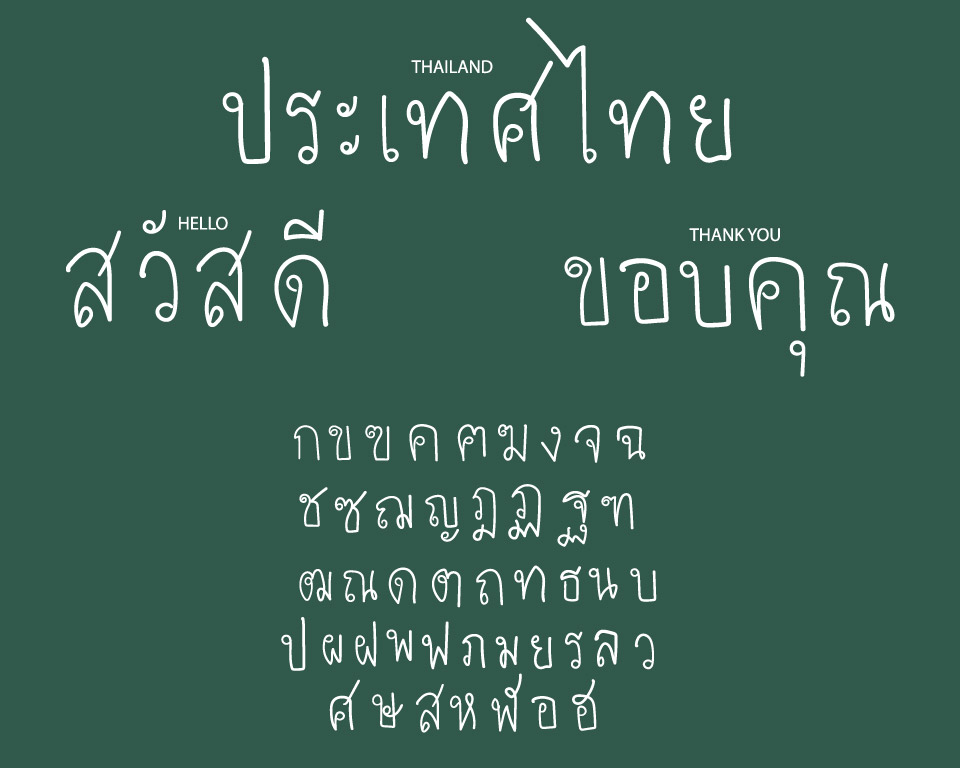
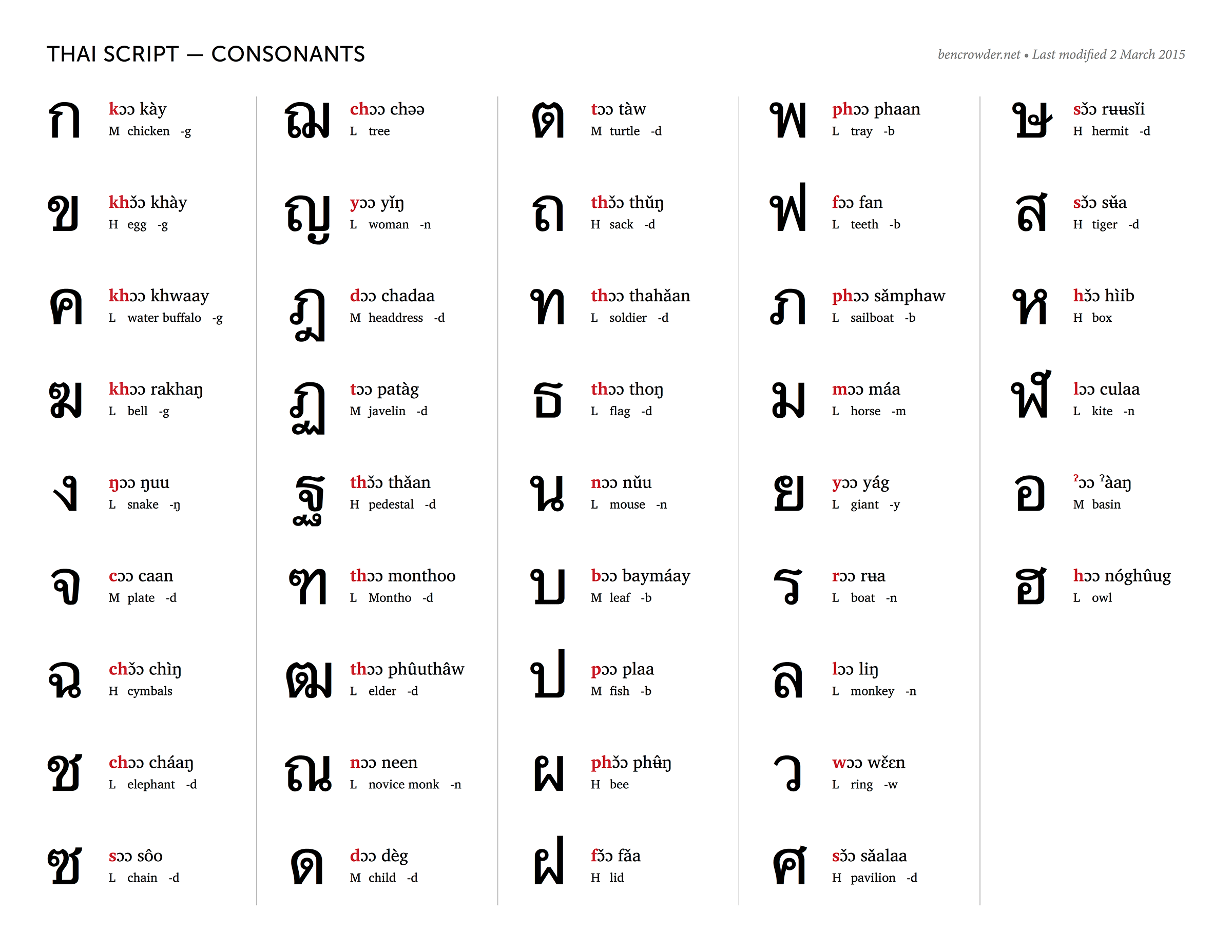
The Thai alphabet is a derivative of the Brahmic script, consisting of 44 consonants and 15 vowel symbols that combine into at least 28 vowel forms. For designers and marketing strategists, this creates a sophisticated visual identity. Unlike the Latin alphabet, which is linear, Thai script often utilizes diacritics above and below the consonants. This vertical complexity must be accounted for in logo design and typography. Brands that fail to optimize their typeface for the Thai script often find their visual communication looks cluttered or unprofessional, leading to a loss of brand equity.
Cultural Nuance and Communication Strategy
Language is the primary lens through which consumers view a brand’s value proposition. In Thailand, the social hierarchy and the concept of “face” (kreng jai) play a significant role in how language is structured. Professional communication in Thai is characterized by a high degree of formality and the use of polite particles like “khrap” (for males) and “ka” (for females).
The Power of Tone in Customer Experience
A brand’s voice in Thailand must be consistently polite and respectful. If a brand uses a tone that is too aggressive or casual—common pitfalls for Western companies attempting to replicate “disruptive” marketing—it can backfire. Thai consumers value harmony. Consequently, successful customer experience (CX) strategies often involve hiring native copywriters who understand the subtle art of “soft-sell” communication. When a company communicates in Thai, the tone must balance the professional necessity of the service with the cultural expectation of warmth and deference.
Digital Marketing and SEO in the Thai Market
From a digital strategy perspective, optimizing for the Thai language requires more than just Google Translate. Search engine optimization (SEO) in Thailand is highly competitive. Because Thai is written without spaces between words, search engines rely on sophisticated tokenization to understand user intent. Brands must invest in high-quality, long-form content that incorporates natural Thai phrasing. Utilizing local search terms, colloquialisms, and cultural references is essential for increasing organic visibility. A brand that speaks the “language” of the local digital ecosystem is far more likely to build sustainable authority than one that relies on direct translations of international SEO strategies.
Branding for the Thai Demographic: A Strategic Approach
Creating a corporate identity that resonates with a Thai audience requires an appreciation for the blend of tradition and modernity. Thailand is a high-context culture, meaning that much of the message is conveyed through the setting, the choice of words, and the relationship between the speaker and the receiver, rather than the explicit facts provided.
Visual Identity and Symbolism
Because the Thai language is so inherently connected to Buddhism and traditional craftsmanship, visual branding often thrives when it incorporates subtle nods to these elements. Brands that utilize colors, patterns, or fonts that evoke a sense of “Thainess” while maintaining a global standard of design excellence tend to perform better. This is known as “Global-Local” (Glocal) strategy. By anchoring the brand in the language and visual symbols of the country, companies signal that they respect and understand the local consumer.
Media Strategy and Influencer Engagement
The Thai influencer market is one of the most vibrant in Asia. Because the Thai language is so expressive, storytelling via social media—particularly on platforms like TikTok and Instagram—has become the preferred method for building brand awareness. Influencers who can weave a brand’s narrative into the Thai dialect, using appropriate social cues and honorifics, generate significantly higher engagement. Brands must be careful, however, to ensure that the “brand personality” remains intact across these various influencers. The language of the brand must sound authentic, not forced.
Future-Proofing Brands Through Linguistic Intelligence
As Thailand continues to grow as a regional economic hub, the importance of linguistic precision in corporate communication will only increase. Artificial Intelligence (AI) and Machine Learning (ML) are beginning to play a larger role in localization, yet the nuances of the Thai language remain difficult for machines to master perfectly.
The Human Element in Localization
While AI tools can assist in basic translation, high-level brand strategy requires human nuance. A professional brand strategist in Thailand understands that words carry historical weight. For example, specific words used in marketing luxury goods are distinct from those used for mass-market retail. Knowing when to use formal Royal-influenced vocabulary versus modern, urban slang is a skill that separates successful brands from those that appear tone-deaf.
Building Long-Term Equity
The Thai language is a living, breathing entity that evolves with youth culture and technological advancements. Brands that survive in this market are those that are willing to listen. By conducting regular sentiment analysis on how their brand name and messaging are being discussed in Thai social forums, corporations can pivot their strategy before a minor linguistic misunderstanding becomes a PR crisis. This iterative process of listening and refining is the hallmark of a world-class brand strategy.
Ultimately, the language of Thailand—Thai—is more than just a communication tool; it is the soul of the consumer base. Whether you are a multinational corporation or a growing startup, your ability to navigate the complexities of this language, respect its structure, and leverage its cultural weight will be the deciding factor in your success. Investing in linguistic expertise is not an operational expense; it is a vital strategic investment in your brand’s future in Southeast Asia. By treating the Thai language with the rigor it deserves, brands can transition from being mere outsiders to becoming integral parts of the vibrant Thai marketplace.
aViewFromTheCave is a participant in the Amazon Services LLC Associates Program, an affiliate advertising program designed to provide a means for sites to earn advertising fees by advertising and linking to Amazon.com. Amazon, the Amazon logo, AmazonSupply, and the AmazonSupply logo are trademarks of Amazon.com, Inc. or its affiliates. As an Amazon Associate we earn affiliate commissions from qualifying purchases.