
The pursuit of an optimal indoor environment has evolved significantly, moving beyond mere temperature control to embrace a holistic understanding of air quality. Central to this evolution is the concept of ideal indoor humidity – a critical, yet often overlooked, factor that profoundly impacts our comfort, health, and even the longevity of our homes. In an increasingly connected world, defining and maintaining this ideal is no longer a matter of guesswork but a precise science, driven by sophisticated technology.
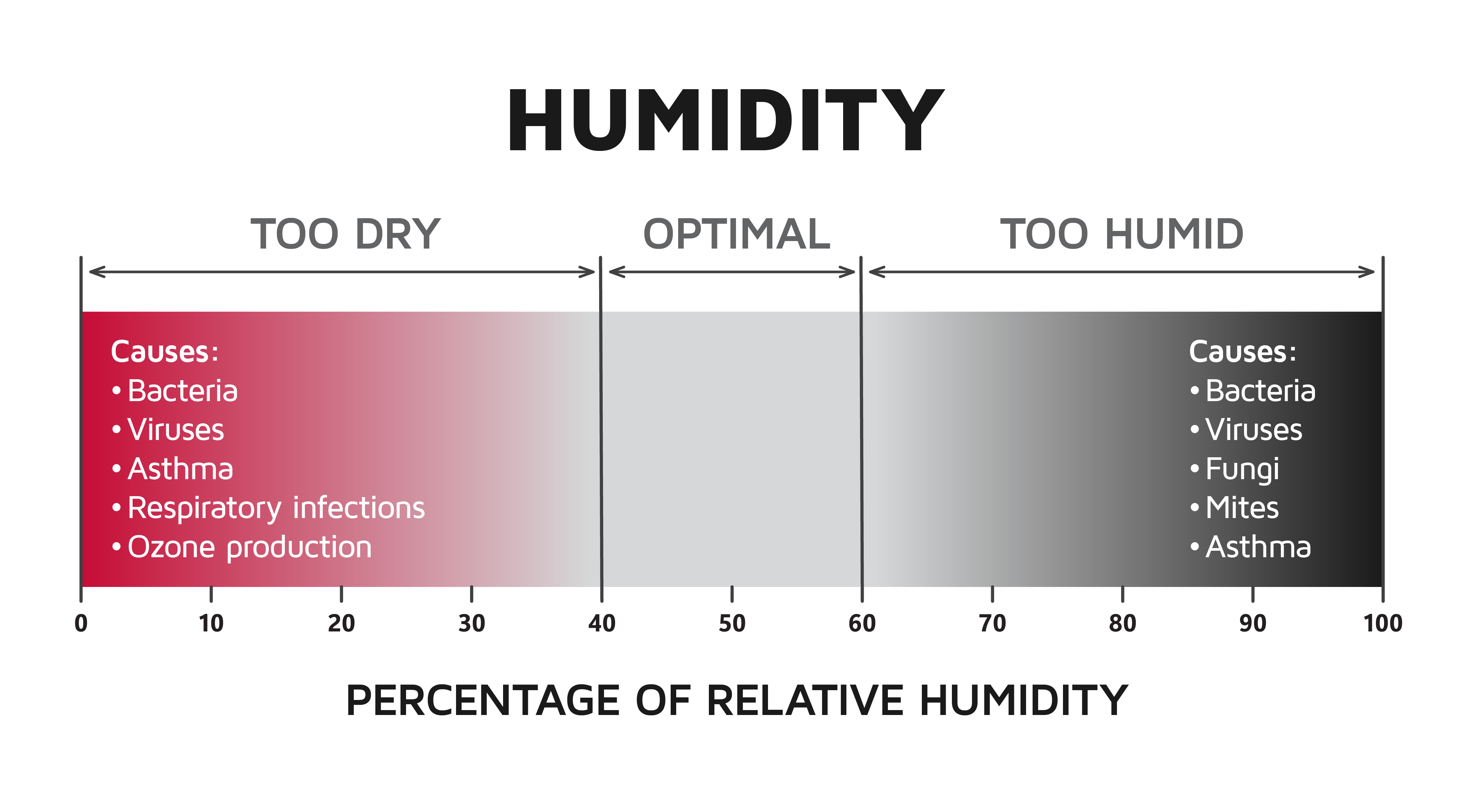
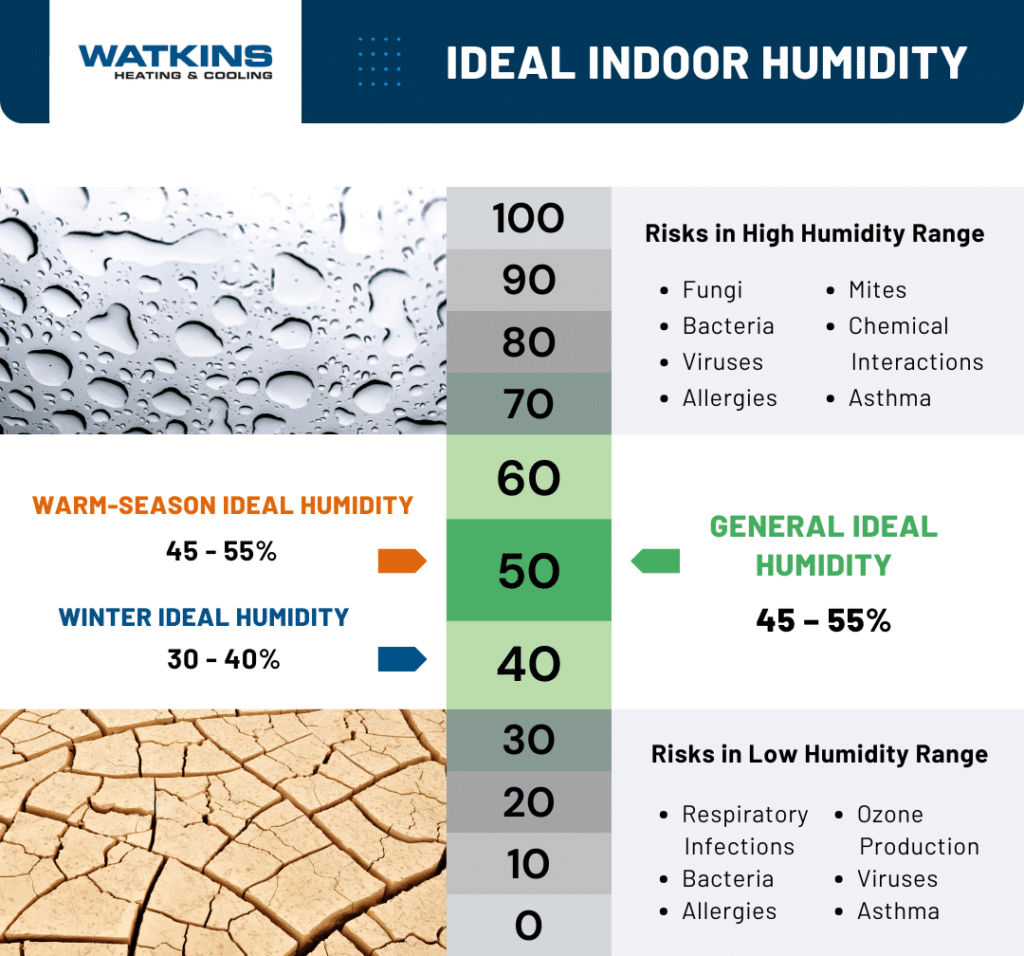
Humidity, specifically relative humidity (RH), represents the amount of water vapor present in the air relative to the maximum amount the air can hold at a given temperature. While an absolute value cannot be universally applied due to varying climates and personal preferences, a general consensus among health organizations and building scientists suggests an ideal indoor RH range between 30% and 50%. Some extend this slightly to 40-60%, but the principle remains: balance is key.

Too low, and the air becomes parched, leading to dry skin, irritated respiratory passages, and static electricity. It can also cause wooden furniture to crack and electronics to malfunction. Too high, and the environment becomes a breeding ground for mold, dust mites, and bacteria, exacerbating allergies and respiratory issues, while also risking structural damage to buildings. The journey to achieving this perfect balance is where cutting-edge technology truly shines, transforming our living spaces into meticulously controlled ecosystems.
The Science and Impact of Indoor Humidity
Understanding the ‘why’ behind ideal humidity is the first step in appreciating the technological solutions designed to achieve it. The air we breathe is a complex mixture, and its moisture content plays a silent yet significant role in our daily lives. Modern technology provides us with the tools to not only monitor this invisible element but to proactively manage its impact.
Understanding Relative Humidity (RH)
Relative humidity is not just a number; it’s a dynamic variable intricately linked to temperature. As air temperature rises, its capacity to hold moisture increases, and vice versa. This means that a seemingly comfortable RH in a warm room could feel dramatically different in a cooler one, even if the absolute moisture content remains the same. Smart sensors, the vanguard of modern humidity control, go beyond simple hygrometers. They leverage advanced algorithms and high-precision transducers to provide real-time RH readings, often compensating for temperature fluctuations to offer a more accurate and meaningful environmental snapshot. These devices often integrate with home automation platforms, allowing users to track historical data, identify trends, and understand the specific humidity patterns unique to their living spaces. This data-driven approach moves us from anecdotal observation to scientific insight, empowering informed decision-making about our indoor climate.
Health Implications of Imbalanced Humidity
The human body is exquisitely sensitive to environmental conditions, and humidity is no exception. Low humidity can dehydrate mucous membranes in the nose and throat, compromising the body’s natural defenses against airborne viruses and bacteria. It can also aggravate conditions like asthma, bronchitis, and eczema. Conversely, high humidity creates a breeding ground for pathogens. Mold spores thrive in damp conditions, releasing allergens and mycotoxins that can trigger severe allergic reactions, respiratory problems, and even long-term health issues. Dust mites, another common allergen, flourish when RH exceeds 60%.
Modern tech solutions address these challenges directly. Beyond mere measurement, smart humidifiers and dehumidifiers feature HEPA filters, UV-C light sterilization, and anti-microbial coatings to purify the air as they adjust moisture levels. Wearable technology and smart health apps can even correlate physiological responses (e.g., sleep quality, respiratory discomfort) with environmental data provided by smart home systems, offering a personalized feedback loop that highlights the direct impact of humidity on individual well-being and guides users toward an optimal indoor climate for their specific health needs.
Protecting Your Home and Possessions
Beyond personal comfort and health, indoor humidity significantly affects the structural integrity of a building and the longevity of its contents. Extremely low humidity can cause wooden floors, furniture, and musical instruments to dry out, shrink, and crack, leading to irreversible damage. Wallpaper can peel, and static electricity can damage sensitive electronics. On the other hand, excessive humidity poses an even greater threat. It encourages the growth of mold and mildew on walls, ceilings, and fabrics, leading to unsightly stains, unpleasant odors, and costly remediation. It can also warp wood, corrode metals, and degrade insulation, compromising the structural soundness and energy efficiency of the property.
Sophisticated humidity control systems are now integral to home maintenance. Integrated smart sensors can detect localized humidity hotspots, alerting homeowners to potential leaks or areas prone to condensation before visible damage occurs. Predictive analytics, driven by AI, can even forecast potential humidity issues based on external weather patterns and historical indoor data, enabling proactive adjustments. For sensitive environments like wine cellars, art studios, or server rooms, dedicated precision climate control units leverage multi-stage filtration and highly accurate sensors to maintain exact RH levels, safeguarding valuable collections and critical infrastructure from environmental degradation.
Smart Home Technology for Humidity Management
The advent of the smart home revolution has transformed how we interact with our living spaces, and humidity control is a prime beneficiary. No longer a manual chore, managing indoor moisture levels has become an automated, intelligent process, seamlessly integrated into our daily lives through a suite of innovative devices.
Advanced Sensors and Monitors
At the core of any effective humidity management system are precise sensors. Traditional analog hygrometers are rapidly being replaced by digital, Wi-Fi-enabled or Bluetooth-connected sensors that offer unparalleled accuracy and connectivity. These devices, often no larger than a small puck, can be strategically placed throughout a home to provide granular data on RH, temperature, and sometimes even volatile organic compounds (VOCs) or particulate matter. They communicate wirelessly with central hubs or directly with smartphone apps, pushing real-time data, historical trends, and customizable alerts. Some advanced models boast machine learning capabilities, allowing them to learn a home’s unique environmental characteristics and anticipate fluctuations. This data isn’t just for display; it’s the intelligence that powers automated responses from other smart devices, creating a truly responsive indoor environment.
Smart Humidifiers and Dehumidifiers
The evolution of humidifiers and dehumidifiers from simple, single-setting appliances to smart, app-controlled devices marks a significant leap. Smart humidifiers can automatically adjust their mist output based on real-time sensor data, ensuring the RH remains within the desired range without human intervention. Many feature multiple mist settings, essential oil diffusers, and even built-in air purifiers. Similarly, smart dehumidifiers can target specific RH percentages, often coming with internal pumps for continuous drainage, eliminating the need for manual emptying. Both types of devices can be controlled remotely via smartphone apps, allowing users to pre-condition their home’s humidity before arrival or adjust settings from anywhere in the world. Integration with voice assistants like Amazon Alexa or Google Assistant provides hands-free control, making humidity management as simple as a spoken command.
Integrated HVAC Systems and Smart Thermostats
For comprehensive whole-home humidity control, integration with a building’s heating, ventilation, and air conditioning (HVAC) system is paramount. Modern HVAC units can be equipped with whole-home humidifiers and dehumidifiers that operate in conjunction with the primary heating and cooling cycles. The real intelligence, however, comes from smart thermostats. These devices are far more than just temperature controllers; they act as the central nervous system for indoor climate. Equipped with their own humidity sensors, they can communicate with and orchestrate the operation of auxiliary humidity control units, ensuring that temperature and humidity are managed synergistically. Advanced smart thermostats can learn occupancy patterns, integrate with local weather forecasts, and even leverage geo-fencing to adjust humidity levels based on whether residents are home or away, optimizing comfort and energy efficiency simultaneously. This level of integration ensures a consistent, ideal indoor environment throughout the entire home, adapting fluidly to changing conditions.
Building a Connected Climate Control Ecosystem
The true power of smart humidity management emerges when individual devices are woven into a cohesive, interconnected ecosystem. This move from standalone gadgets to an intelligent network allows for unprecedented levels of automation, personalization, and control, pushing the boundaries of what’s possible in indoor climate management.
Centralized Control Platforms
The cornerstone of a connected climate control ecosystem is a centralized control platform. This could be a dedicated smart home hub (e.g., Apple HomeKit, Samsung SmartThings, Hubitat), a powerful smart thermostat acting as a hub, or even a robust software interface accessible via a tablet or computer. These platforms serve as the brain, collecting data from all integrated humidity sensors and smart devices, processing information, and executing automated routines. Through a single interface, users can monitor the RH in every room, set global humidity targets, create specific schedules (e.g., lower humidity in the basement, higher in the bedroom at night), and even receive consolidated alerts. The advantage is a simplified user experience, eliminating the need to jump between multiple apps for different devices, and ensuring that all components work in harmony to achieve the desired indoor climate.
Predictive Analytics and AI for Optimal Environments
The next frontier in indoor climate control involves leveraging artificial intelligence and predictive analytics. Instead of merely reacting to current conditions, AI-powered systems can anticipate future humidity needs. By analyzing historical data on indoor humidity, external weather patterns, local climate forecasts, and even user preferences, these systems can learn to proactively adjust humidifiers, dehumidifiers, and HVAC settings. For example, if a heavy rainstorm is predicted, an AI system might pre-emptively lower humidity levels to mitigate the influx of moisture. Similarly, if it observes a consistent drop in humidity during winter mornings, it can gradually increase humidification before occupants even wake up. This predictive capability optimizes both comfort and energy consumption, ensuring ideal conditions are maintained with minimal manual intervention and maximum efficiency, moving beyond reactive control to truly intelligent environmental management.
Remote Monitoring and Alerts
One of the most compelling advantages of a connected humidity control system is the ability to monitor and manage conditions remotely. Whether at work, on vacation, or simply in another room, users can access real-time humidity data, adjust settings, and receive critical alerts directly on their smartphones or other connected devices. This feature is invaluable for preventing issues before they escalate. Imagine receiving an alert that your basement humidity has spiked due to a plumbing leak, allowing you to address it immediately and prevent costly water damage. Or being able to remotely activate a dehumidifier in a vacation home before arriving, ensuring a comfortable and mold-free environment. This level of oversight provides peace of mind and empowers homeowners to maintain optimal conditions no matter where they are, transforming environmental management from a localized chore into a globally accessible responsibility.
Choosing and Implementing Your Humidity Tech Solutions
Navigating the diverse landscape of humidity control technology can be daunting, but a strategic approach ensures that chosen solutions effectively meet specific needs and integrate seamlessly into existing smart home ecosystems. The goal is to build a system that is both effective and user-friendly.
Assessing Your Needs: From Basic to Premium Systems
Before investing in any technology, a thorough assessment of your specific indoor humidity challenges is crucial. Do you live in an arid climate where dry air is the primary concern, or a humid region battling excessive moisture? Is the issue localized to certain rooms, or is it a whole-home problem? For basic needs, a few smart standalone humidifiers or dehumidifiers with app control might suffice. These offer flexibility and can be moved as needed. For more comprehensive requirements, particularly in larger homes or those with existing HVAC systems, a whole-home solution integrated with a smart thermostat is often the most effective. This premium approach provides uniform control and greater energy efficiency. Consider factors like tank capacity (for humidifiers/dehumidifiers), coverage area, noise levels, and additional features like air purification or aroma diffusion. Researching reviews and comparing specifications is vital to match technology to individual lifestyle and home characteristics.
Installation and Calibration Best Practices
Even the most advanced technology can underperform if not installed and calibrated correctly. While many smart humidity sensors and standalone units are plug-and-play, whole-home humidifiers and dehumidifiers integrated with HVAC systems often require professional installation. Incorrect wiring or improper ductwork integration can lead to inefficient operation or even damage to the HVAC system. For all devices, proper placement is key. Humidity sensors should be placed away from direct sunlight, drafts, heat sources, and areas prone to immediate moisture (like bathrooms after a shower) to ensure accurate readings. Calibration, while often automated in modern smart devices, might occasionally require manual verification using a trusted reference hygrometer. Regular cleaning and maintenance, especially for humidifiers (to prevent mold growth in water tanks) and dehumidifiers (to clear filters and drainage lines), are non-negotiable for optimal performance and longevity.
Future-Proofing Your Smart Humidity Setup
Technology evolves rapidly, and future-proofing your smart home setup involves making choices that allow for scalability and compatibility. Opt for devices that adhere to widely accepted smart home communication protocols (e.g., Wi-Fi, Zigbee, Z-Wave, Thread, Matter) rather than proprietary systems, ensuring broader compatibility with future devices and platforms. Choose brands that offer regular software updates, as these often introduce new features, improve performance, and patch security vulnerabilities. Consider open-source or highly customizable platforms that allow for greater integration flexibility and user control. As new sensors, AI algorithms, and control methodologies emerge, a flexible and open system will be better positioned to integrate these advancements, ensuring that your indoor climate control remains at the cutting edge and continues to meet your evolving needs without requiring a complete overhaul every few years.
The Future of Indoor Climate Control: Beyond Humidity
The journey to an ideal indoor humidity level is just one facet of a broader technological shift towards fully intelligent and adaptive living spaces. As technology continues to advance, our ability to precisely control and personalize our environments will reach unprecedented levels, ushering in an era of hyper-optimized habitats.
Hyper-Personalized Environments
The next generation of indoor climate control will move beyond general ideal ranges to hyper-personalization. Imagine a home that understands your individual physiological responses to humidity and temperature, perhaps through integration with wearable health devices. An AI system could learn that you prefer slightly lower humidity for optimal sleep or slightly higher levels when experiencing a cold, and automatically adjust the environment accordingly. Rooms might even maintain different microclimates based on individual preferences and activities – a slightly warmer, drier study for focus, a cooler, more humid bedroom for sleep, and a standard setting in common areas. This level of customization, driven by advanced sensors, deep learning algorithms, and seamless integration with personal health data, promises an indoor experience tailored to the unique biological rhythm and comfort profile of each occupant.
Energy Efficiency and Sustainability Through Smart Tech
The drive for ideal indoor humidity is inextricably linked with energy efficiency and environmental sustainability. Smart humidity control systems already contribute by optimizing HVAC usage and preventing energy waste due to excessively dry or humid conditions. The future will see this amplified. Predictive AI will allow homes to ‘pre-condition’ based on energy grid demands, leveraging off-peak hours for energy-intensive tasks like dehumidification. Integration with renewable energy sources and smart grid technologies will enable homes to minimize their carbon footprint while maintaining optimal conditions. Innovations in material science, such as phase-change materials and adaptive building envelopes, combined with smart climate control, will further reduce the energy required to regulate indoor humidity, moving towards truly passive and self-regulating eco-friendly buildings.
Integration with Broader Wellness Technologies
Finally, humidity control will cease to be a standalone function and become an integral part of broader indoor wellness ecosystems. This means seamless integration with smart lighting systems that mimic natural daylight cycles, air purification systems that actively monitor and neutralize pollutants, soundscapes that adapt to mood, and even smart aroma diffusers. The future home will be a fully synchronized entity, where humidity is just one variable in a complex symphony designed to enhance physical health, mental well-being, and overall quality of life. Through intuitive dashboards and AI assistants, occupants will manage their entire environmental wellness profile with ease, allowing technology to quietly and intelligently craft the perfect habitat for thriving. The ideal humidity indoors is not just a technical specification; it’s a foundational element in this inspiring vision of future living.
aViewFromTheCave is a participant in the Amazon Services LLC Associates Program, an affiliate advertising program designed to provide a means for sites to earn advertising fees by advertising and linking to Amazon.com. Amazon, the Amazon logo, AmazonSupply, and the AmazonSupply logo are trademarks of Amazon.com, Inc. or its affiliates. As an Amazon Associate we earn affiliate commissions from qualifying purchases.