
The pursuit of a medical career is often driven by a deep-seated desire to heal, innovate, and contribute to human well-being. Yet, for many prospective and current medical students, understanding the financial landscape of this demanding field is a crucial part of their decision-making process. While altruism and intellectual curiosity are powerful motivators, the significant investment in education, time, and effort—often culminating in substantial student loan debt—makes the earning potential a legitimate and important consideration. Identifying the highest paying medical professions isn’t merely about chasing a big paycheck; it’s about making informed career choices that align with long-term financial stability, wealth accumulation, and the ability to live a comfortable life while practicing a deeply impactful profession.
This exploration will delve into the upper echelons of medical salaries, dissecting the factors that influence compensation, highlighting the specialties that consistently top the earning charts, and offering insights into the broader financial implications for those on this demanding career path. Understanding these dynamics is essential for strategic financial planning, from managing student debt to building a robust investment portfolio, and ultimately, securing a prosperous future within the medical field.
The Landscape of High-Earning Medical Specialties
The medical field is incredibly diverse, encompassing a vast array of specialties, each with its unique demands, educational pathways, and, consequently, varying compensation levels. While all physicians undergo rigorous training, some areas of practice are compensated significantly more due to factors like the complexity of procedures, the scarcity of specialists, the urgency of care provided, and the inherent risks involved.
Factors Influencing Medical Salaries
Several key factors converge to determine a medical professional’s earning potential. Foremost among these is specialization. Highly specialized fields, particularly those involving complex surgical procedures or critical care, generally command higher salaries. The demand-supply dynamic also plays a significant role; specialties with a shortage of qualified practitioners in relation to patient needs often see higher compensation. Geographic location is another critical variable, with some regions offering higher pay due to higher cost of living, physician shortages, or a greater concentration of specialized medical facilities. Furthermore, the type of practice (e.g., private practice vs. hospital employment, academic medicine vs. research) can dramatically impact income, as can years of experience and reputation. The economic climate and healthcare policy changes also exert a subtle but continuous influence on overall compensation trends.
Understanding Compensation Structures
Medical compensation is not always a straightforward salary. It often involves complex structures that can include base salaries, performance bonuses, productivity incentives (based on relative value units or RVUs), on-call pay, malpractice insurance coverage, and comprehensive benefits packages. For private practice physicians, income is directly tied to billing, overhead costs, and patient volume. Hospital-employed physicians, particularly those in larger systems, might have more predictable salaries but may also be subject to performance metrics that influence bonuses. Understanding these various components is vital for medical professionals to accurately assess their total compensation and negotiate effectively.
Top-Tier Medical Professions by Earning Potential
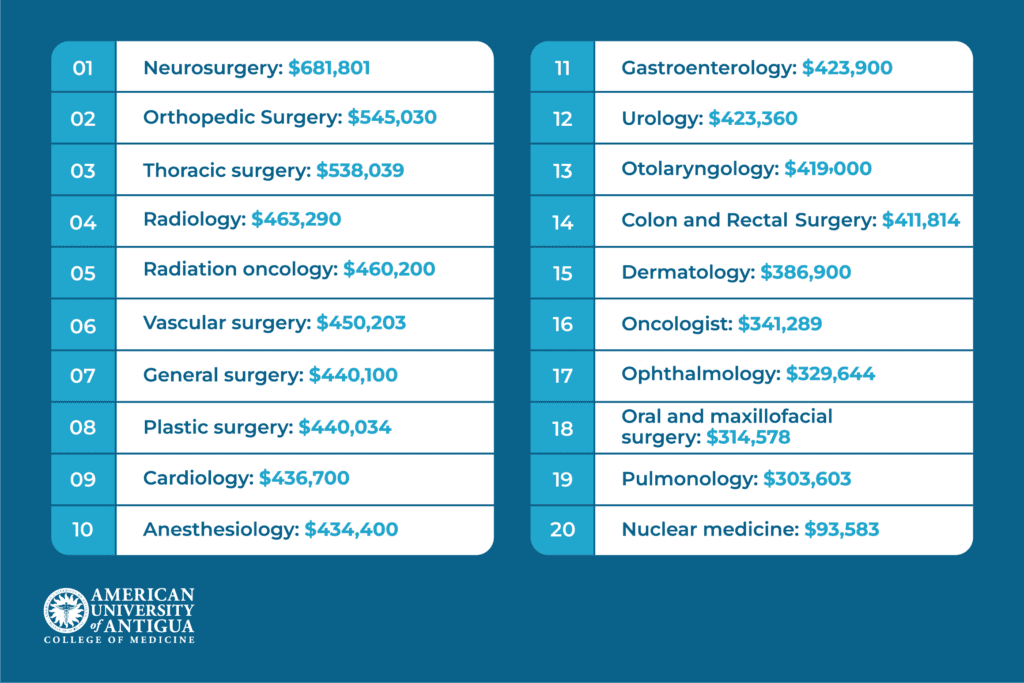
When examining the highest-paying medical professions, certain specialties consistently emerge at the top. These roles often require extensive training beyond basic medical school and residency, involving fellowships and sub-specializations that deepen expertise in highly critical or technically demanding areas.
Surgical Specialties Dominating the Charts
Surgical fields frequently lead the pack in terms of earning potential. Neurosurgeons consistently rank among the highest, dealing with complex and delicate procedures on the brain, spinal cord, and nervous system. Their work is highly specialized, carries significant risk, and requires extraordinary precision and expertise. Similarly, Orthopedic Surgeons who focus on musculoskeletal system issues, performing joint replacements, fracture repairs, and treating sports injuries, command substantial incomes. Cardiothoracic Surgeons, specializing in the heart, lungs, and esophagus, also fall into this elite group due to the life-saving nature and intricate complexity of their operations. The long hours, high stakes, and extensive training associated with these surgical roles are directly reflected in their compensation.
Anesthesiology and Radiology: Critical and Lucrative
While not performing surgery themselves, Anesthesiologists are indispensable to surgical procedures, managing patient pain and vital signs before, during, and after operations. Their responsibility for patient safety during critical moments, coupled with their sophisticated pharmacological knowledge, places them among the top earners. Radiologists, who specialize in diagnosing and treating diseases using medical imaging techniques like X-rays, MRIs, and CT scans, also command high salaries. Their expertise is crucial for accurate diagnosis across nearly all medical specialties, and the increasing demand for advanced imaging and interventional radiology procedures contributes to their high compensation.
Specialized Internal Medicine Fields
Beyond surgery and critical support, several specialized internal medicine fields also offer impressive earning potentials. Gastroenterologists, who diagnose and treat disorders of the digestive system, perform procedures like endoscopies and colonoscopies which are both diagnostic and therapeutic. Cardiologists, specializing in heart conditions, utilize advanced diagnostic tools and interventional procedures to manage complex cardiovascular diseases. Similarly, Oncologists, who treat cancer, often engage in long-term patient relationships and complex treatment plans, contributing to their high value and compensation within the healthcare system. These specialists address prevalent and often chronic health issues, ensuring a consistent demand for their expertise.

Strategic Financial Planning for Medical Professionals
The journey through medical school and residency often means accumulating substantial student loan debt. While the high earning potential of top medical professions offers a clear path to financial recovery and wealth building, it necessitates diligent and strategic financial planning from the outset.
Student Loan Management and Debt Reduction
For many medical professionals, addressing student loan debt is the first critical financial hurdle. Strategies include exploring loan forgiveness programs (such as Public Service Loan Forgiveness for those working in non-profit or government settings), refinancing high-interest private loans, and making aggressive payments once a stable, high-income position is secured. Understanding the nuances of income-driven repayment plans versus standard repayment is also crucial, especially during residency when income is lower. A well-structured debt reduction plan is fundamental to freeing up capital for future investments and avoiding unnecessary interest accumulation.
Investment Strategies for High Earners
With high incomes, medical professionals have significant opportunities for wealth accumulation. Developing a robust investment strategy is key. This typically involves maximizing contributions to tax-advantaged retirement accounts like 401(k)s, 403(b)s, and IRAs (including backdoor Roth IRAs). Beyond retirement accounts, exploring taxable brokerage accounts, investing in real estate, and considering alternative investments can further diversify and grow wealth. Working with a financial advisor specializing in physicians’ unique financial situations can provide tailored advice on asset allocation, risk management, and long-term financial goals, including planning for early retirement or establishing a legacy.
Tax Planning and Wealth Accumulation
High earners face significant tax liabilities, making proactive tax planning essential. Strategies can include optimizing deductions, exploring tax-loss harvesting, making charitable contributions (potentially through Donor-Advised Funds), and understanding the implications of different business structures if moving into private practice. For those running their own practices, establishing solo 401(k)s or SEP IRAs can offer additional tax-advantaged savings opportunities. Effective tax planning ensures more of the hard-earned income contributes to wealth accumulation rather than being lost to taxes.
Navigating the Path to a Lucrative Medical Career
While the allure of high salaries is undeniable, the path to becoming a top-earning medical professional is arduous and requires careful planning and continuous dedication. It’s not just about choosing a specialty; it’s about strategic career development and ongoing financial stewardship.
Educational Pathways and Specialization Choices
The journey begins with excelling in undergraduate studies, performing well on the MCAT, and gaining admission to medical school. After earning an M.D. or D.O. degree, the crucial decision of specialty choice arises. This involves a residency program, which can range from three years for general internal medicine to seven or more years for complex surgical specialties like neurosurgery. Many high-paying fields also require additional fellowship training, adding further years to the educational timeline. Making an informed decision requires understanding not only the financial rewards but also the daily demands, lifestyle implications, and personal interests that align with a particular specialty.
Continuous Professional Development and Negotiation
Even after becoming an attending physician, the pursuit of knowledge and skill enhancement never truly ends. Continuous Professional Development (CPD), through conferences, courses, and certifications, is vital for staying current and competitive. For those seeking to maximize income, developing niche expertise or sub-specializing further can open doors to even higher compensation. Crucially, negotiation skills are paramount. Physicians, especially early in their careers, often under-negotiate their salaries and benefits. Understanding market rates, demonstrating value, and effectively articulating one’s worth can significantly impact lifetime earnings.

Exploring Entrepreneurial Ventures in Medicine
For some medical professionals, the highest earning potential lies beyond traditional employment. Exploring entrepreneurial ventures within medicine can be highly lucrative. This might include establishing a private practice, developing medical devices or software, investing in healthcare startups, or even creating online medical education platforms. These paths require not only clinical expertise but also business acumen, risk tolerance, and a willingness to navigate the complexities of healthcare management and innovation. While carrying greater risk, successful entrepreneurial endeavors can lead to unparalleled financial independence and wealth generation for medically trained individuals.
In conclusion, while the ethical motivations for entering medicine are primary, understanding the financial landscape is a practical necessity. The highest-paying medical professions, predominantly surgical and highly specialized fields, offer significant financial rewards but demand exceptional dedication and extended training. Through diligent financial planning, strategic career choices, and continuous professional growth, medical professionals can not only achieve their noble goal of healing but also secure a robust and prosperous financial future for themselves and their families.
aViewFromTheCave is a participant in the Amazon Services LLC Associates Program, an affiliate advertising program designed to provide a means for sites to earn advertising fees by advertising and linking to Amazon.com. Amazon, the Amazon logo, AmazonSupply, and the AmazonSupply logo are trademarks of Amazon.com, Inc. or its affiliates. As an Amazon Associate we earn affiliate commissions from qualifying purchases.