
In the intricate world of pharmaceuticals, names are far more than mere labels; they are strategic markers that navigate the complex interplay of science, regulation, public health, and fierce commercial competition. At the heart of this nomenclature lies a fundamental dichotomy: the generic name versus the brand name. Understanding “what is the generic name of a drug” isn’t just a scientific inquiry; it’s an essential dive into the very fabric of pharmaceutical branding, market differentiation, intellectual property, and consumer perception. This distinction underpins how drugs are developed, approved, marketed, and ultimately, how they interact with patients and healthcare systems worldwide.
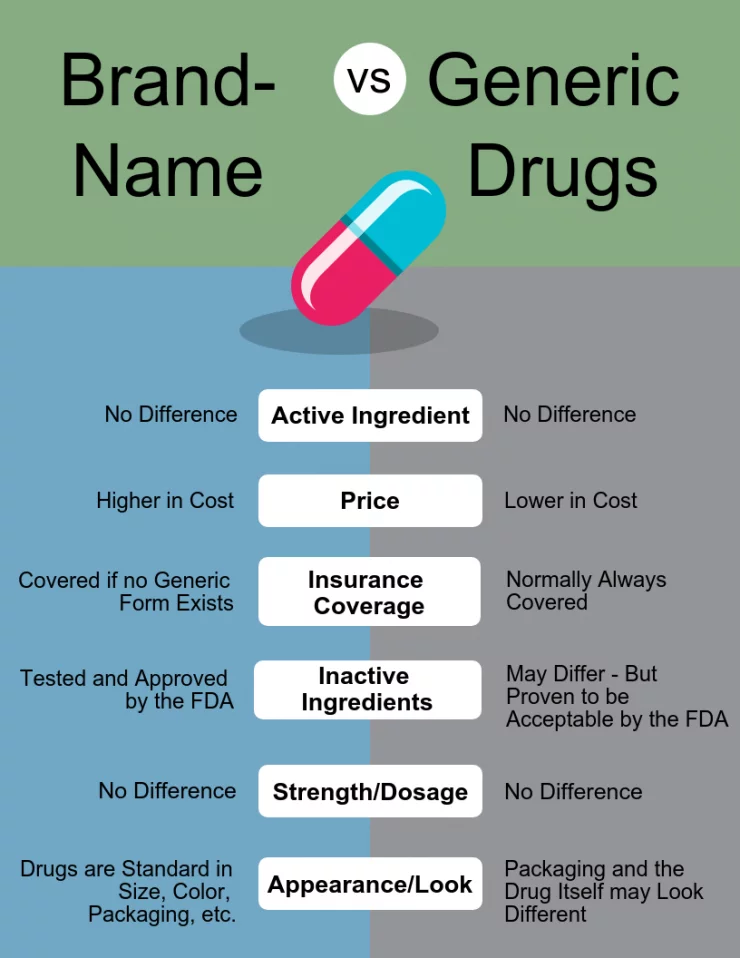
From a branding perspective, the generic name represents the foundational, unadorned identity of a medicinal substance, while the brand name is the crafted, proprietary persona designed to capture market share and establish a unique commercial footprint. This article will dissect this critical dual naming system, exploring its strategic implications for pharmaceutical companies, its impact on market dynamics, and its profound relevance to brand building within a highly regulated industry.
The Core Concept: Generic vs. Brand – A Fundamental Branding Dichotomy
The journey of any new drug from laboratory to pharmacy shelf involves a painstaking process of discovery, development, testing, and regulatory approval. Throughout this journey, and particularly once it reaches the public, its identity is defined by two distinct types of names, each serving a unique and critical purpose. This dual naming convention is a cornerstone of pharmaceutical branding, delineating the scientific essence from the commercial entity.
Defining the Generic Name (Non-Proprietary Name)
The generic name of a drug is its official, non-proprietary designation. It is the standardized, internationally recognized name for the active pharmaceutical ingredient (API) itself, regardless of who manufactures it. This name is universal, unambiguous, and critical for scientific communication, regulatory oversight, and ensuring patient safety.
-
Explanation and Purpose: The generic name is assigned to a drug substance to provide a clear, concise, and public identifier. Its primary purpose is to allow healthcare professionals, researchers, and regulatory bodies to refer to the exact same chemical compound consistently across different brands and geographical regions. It facilitates prescribing, dispensing, and scientific discourse by removing commercial bias or proprietary associations. For example, “acetaminophen” is the generic name for a common pain reliever, while “paracetamol” is its equivalent in many other parts of the world, highlighting the need for international harmonization despite regional variations in nomenclature.
-
Governing Bodies and Assignment: The assignment of generic names is typically overseen by international and national bodies dedicated to standardizing drug nomenclature. Globally, the World Health Organization (WHO) plays a crucial role through its International Nonproprietary Names (INN) Programme, which aims to provide unique, universally applicable names for pharmaceutical substances. In the United States, the United States Adopted Names (USAN) Council is responsible for selecting non-proprietary names for drugs. These bodies follow strict guidelines to ensure that names are distinctive, reflect the drug’s chemical or pharmacological class where possible, and avoid confusion with existing names.
-
Characteristics: Generic names are often complex, reflecting elements of the drug’s chemical structure, pharmacological action, or its therapeutic class. They are designed for clarity and scientific accuracy rather than memorability or market appeal. Examples include “ibuprofen,” “amoxicillin,” “atorvastatin,” and “omeprazole.” These names are part of the public domain, free from proprietary rights, underscoring their role as identifiers for the substance itself, not a particular manufacturer’s version of it.
Defining the Brand Name (Proprietary Name)
In stark contrast to the scientific neutrality of the generic name, the brand name (also known as the proprietary name, trade name, or registered trademark) is the unique, often catchy, identifier given to a drug by its manufacturer. This name is a cornerstone of the company’s branding strategy, designed specifically for market differentiation and consumer recognition.
-
Explanation and Purpose: The brand name is a commercial asset, carefully crafted and legally protected to distinguish a specific manufacturer’s product from others, including its generic counterparts. Its purpose is multifaceted: to establish market presence, build consumer loyalty, communicate specific benefits (often implicitly), and create a strong brand identity that justifies premium pricing during its patent-protected lifecycle.
-
Characteristics and Role in Marketing: Brand names are typically easy to pronounce, memorable, and often evoke a positive feeling or hint at the drug’s intended use or benefit. Think “Tylenol” (acetaminophen), “Advil” (ibuprofen), “Lipitor” (atorvastatin), or “Prilosec” (omeprazole). These names are backed by extensive marketing campaigns, often making them household names synonymous with efficacy in treating specific conditions. The investment in building a powerful brand name allows pharmaceutical companies to command significant market share and brand equity, fostering trust and recognition among patients and healthcare providers alike. The brand name is a direct representation of the company’s intellectual property and its strategic market positioning.
The Strategic Implications of Naming in Pharmaceutical Branding
The distinction between generic and brand names is not merely an academic exercise; it carries profound strategic implications for pharmaceutical companies. This dual identity dictates market dynamics, influences pricing strategies, shapes intellectual property landscapes, and ultimately impacts patient access and healthcare economics. From a branding perspective, understanding these implications is paramount.
Brand Equity and Market Dominance
For pharmaceutical innovators, the brand name is their most valuable intangible asset. It is the culmination of years of research, development, and significant marketing investment. During the patent protection period, the brand name allows a company to establish overwhelming market dominance.
-
Establishing Market Presence: A powerful brand name, backed by clinical efficacy and extensive marketing, becomes synonymous with the treatment for a specific condition. Brands like Viagra, Prozac, and Zoloft didn’t just sell a drug; they created categories and emotional connections, fostering immense brand equity. This equity translates into customer loyalty, prescriber preference, and a strong competitive moat. The company invests heavily in promoting the brand name to healthcare providers and, in some markets, directly to consumers, making it the default choice.
-
Intellectual Property and Pricing Power: The brand name, along with the drug’s patent, grants the innovating company a monopoly. This intellectual property protection allows them to set premium prices, recouping their enormous R&D investments and generating profits that fuel future innovation. The brand name is the commercial face of this exclusivity, a symbol of innovation and quality that justifies its market position.
The Generic Challenge to Brand Hegemony
The expiration of a drug’s patent protection marks a pivotal moment, fundamentally altering the market landscape. This is where the generic name, previously in the background, takes center stage as it opens the door for generic competition.

-
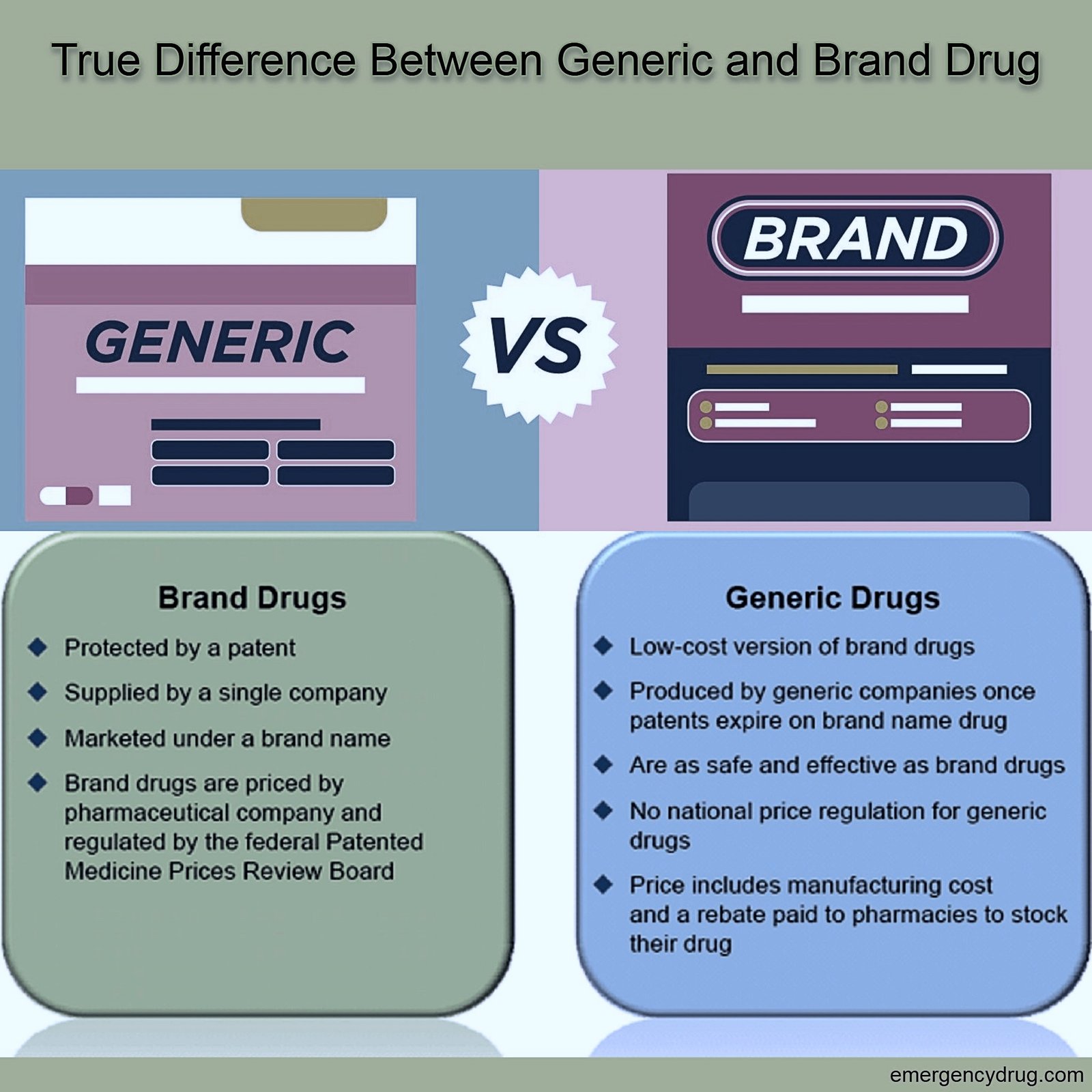
Patent Expiration and Market Shift: Once a patent expires, other manufacturers can produce and sell bioequivalent versions of the drug using its generic name. These “generic drugs” contain the same active ingredient, strength, dosage form, and route of administration as the original branded product. Because generic manufacturers do not bear the initial R&D costs or the extensive marketing spend of the innovator, they can offer their products at significantly lower prices.
-
The Marketing Shift for Original Manufacturers: For the original brand manufacturer, patent expiration necessitates a strategic shift. They might introduce their own authorized generic, explore new formulations or combination therapies (life cycle management), or focus on marketing their corporate brand and reputation for innovation. The challenge is to maintain some level of market share against a wave of cheaper, therapeutically equivalent alternatives.
-
Generics’ Own Brand (Company Brand): While the drug itself is generic, the manufacturer of a generic drug still operates under its own corporate brand. Companies like Teva, Mylan (now Viatris), or Sandoz build their reputation on reliability, quality, and affordability. They market their corporate brand to healthcare systems, pharmacists, and sometimes even directly to consumers, to differentiate themselves in a crowded generic market. This illustrates that even in the “generic” space, branding, albeit at a corporate level, remains crucial for trust and market share.
Navigating the Naming Process: A Brand Development Lens
The process of naming a drug, whether generic or brand, is a highly regulated and strategic endeavor. It involves careful consideration of scientific accuracy, legal compliance, linguistic appropriateness, and market impact. For brand developers, understanding this dual process is critical for crafting effective pharmaceutical identities.
The Rigor of Generic Name Assignment
The assignment of a generic name is a meticulous process, governed by stringent rules designed to ensure safety, clarity, and global consistency. This scientific branding process is far from arbitrary.
-
Why Generic Names are Carefully Chosen: Regulatory bodies like the WHO’s INN Programme and the USAN Council follow specific guidelines. Names are chosen to be unique, to avoid confusion with other existing drugs (generic or brand), and often to incorporate stems that indicate the drug’s pharmacological class or chemical structure (e.g., “-pril” for ACE inhibitors, “-statin” for cholesterol-lowering drugs). This systematic approach helps healthcare professionals quickly identify the type of drug.
-
International Harmonization (INN): The goal of INN is to provide a single, globally recognized name for each pharmaceutical substance. This harmonization is vital for international trade, research, and public health, preventing miscommunication and ensuring that a drug is understood universally, regardless of its commercial branding in different countries. From a branding perspective, the generic name provides the unchanging core identity, allowing commercial brands to vary while the fundamental substance remains clear.
-
Implications for Global Branding: While brand names change across regions to suit linguistic and cultural nuances, the generic name remains constant. This consistency is invaluable for companies operating globally, providing a universal identifier that transcends commercial branding variations and simplifies regulatory filings and scientific communication across borders.
Crafting a Compelling Brand Name
Developing a brand name for a new drug is a sophisticated art and science, requiring extensive strategic planning, creativity, and legal diligence. It’s a multi-stage process akin to branding any consumer product, but with amplified stakes due to health implications and strict regulatory oversight.
-
Creativity and Strategy in Brand Naming: Companies invest heavily in linguistic analysis, cultural surveys, and market research to generate names that are memorable, pronounceable, and evoke positive associations, while avoiding negative connotations or unintended meanings in multiple languages. The name must be unique enough to register as a trademark and clear enough to prevent confusion with existing drug names (both prescription and over-the-counter). Branding agencies specializing in pharmaceuticals often lead this effort, balancing creativity with stringent regulatory requirements.
-
Extensive Testing and Legal Review: Before a brand name is finalized, it undergoes rigorous testing by regulatory bodies (e.g., FDA in the US) to assess potential for medication errors due to similar-sounding or similar-looking names. This involves extensive phonetic and orthographic similarity reviews. Legally, extensive trademark searches are conducted globally to ensure the name is available for registration and does not infringe on existing intellectual property. The name must also pass linguistic checks across various cultures to ensure it doesn’t have offensive or inappropriate meanings.
-
Ensuring Distinctiveness: The ultimate goal is to create a brand name that is distinctive, protective, and effective in marketing. It must stand out in a crowded market, communicate the unique value proposition of the drug, and be enforceable as intellectual property. This distinctiveness is crucial for building a strong brand identity that resonates with patients and healthcare providers, fostering trust and loyalty.
The Evolving Landscape: Generics as Brands and Beyond
The pharmaceutical industry is dynamic, and the roles of generic and brand names continue to evolve, particularly with the advent of complex biological drugs and increasing patient engagement. This evolution presents new challenges and opportunities for branding strategies within the sector.
Generics’ Own Brand Identity
While the drug substance is generic, the company manufacturing that generic drug operates under its own corporate brand. This distinction is vital for understanding the broader branding landscape of pharmaceuticals.
-
Building Trust and Reputation: Generic manufacturers compete not just on price, but also on the reputation of their corporate brand. They build trust by demonstrating consistent quality, reliable supply chains, and adherence to strict manufacturing standards. Brands like Teva, Sandoz, and Mylan have invested in establishing themselves as trusted providers of affordable, high-quality medicines. Their branding strategy focuses on reliability, efficacy equivalence, and accessibility, catering to different stakeholders (pharmacists, hospitals, insurers, and patients).
-
The Importance of the Corporate Brand: For generic companies, their corporate brand is their promise of quality and consistency across a portfolio of generic drugs. This corporate branding is crucial for gaining market share and fostering long-term relationships within the healthcare ecosystem. It’s a testament to the idea that even in a commodity market, brand perception and trust remain powerful differentiators.
The Future of Pharmaceutical Naming and Branding
The future of pharmaceutical branding is being shaped by several factors, including scientific advancements, changing regulatory frameworks, and evolving consumer expectations.
-
Impact of Biosimilars: The rise of biosimilars—biological products highly similar to an approved reference biological product—presents unique branding challenges. Unlike small molecule generics, biosimilars are not identical, leading to nuanced naming conventions and distinct branding strategies that must emphasize their “similarity” and efficacy, while still differentiating themselves from the original biologic. This creates a hybrid branding model, blending aspects of both generic and brand name strategies.
-
Patient Engagement and Direct-to-Consumer Advertising: As patients become more engaged in their healthcare decisions, the power of brand names, driven by direct-to-consumer advertising (where permitted), continues to be significant. This blurs the lines between purely scientific communication and consumer marketing, requiring even more sophisticated branding strategies that balance education with persuasion.
-
The Enduring Power of Naming: Regardless of future trends, the fundamental distinction between the scientific, non-proprietary generic name and the proprietary, market-driven brand name will remain critical. The generic name anchors the drug in scientific reality and global public health, while the brand name drives commercial success, market differentiation, and competitive advantage. Both serve indispensable roles, making pharmaceutical naming a uniquely complex and strategically vital aspect of brand management.
In conclusion, understanding “what is the generic name of a drug” is to grasp a foundational concept in pharmaceutical branding. It illuminates the strategic tension and synergistic relationship between scientific identification and commercial differentiation. This dual naming system ensures both global scientific integrity and robust market competition, providing a fascinating case study in how branding operates within one of the world’s most regulated and impactful industries. The generic name grounds the drug in universal science, while the brand name elevates it to a distinct commercial entity, together shaping the identity and destiny of medicines worldwide.
aViewFromTheCave is a participant in the Amazon Services LLC Associates Program, an affiliate advertising program designed to provide a means for sites to earn advertising fees by advertising and linking to Amazon.com. Amazon, the Amazon logo, AmazonSupply, and the AmazonSupply logo are trademarks of Amazon.com, Inc. or its affiliates. As an Amazon Associate we earn affiliate commissions from qualifying purchases.