
The journey into parenthood is often paved with well-meaning advice, yet few milestones are as dreaded—or as misunderstood—as the four-month sleep regression. While the term “regression” suggests a backward slide, it is, in reality, a significant physiological milestone in your baby’s development. For parents who have finally settled into a rhythm, the sudden disruption of sleep patterns can feel like a crisis. Understanding the underlying mechanisms behind this shift is the first step toward reclaiming your nights and supporting your baby’s healthy development.
The Biological Shift: Why Sleep Architecture Changes
To understand the four-month sleep regression, one must first understand that this phenomenon is not a temporary setback but a permanent transition in the way a baby sleeps. It represents the point at which a baby’s brain matures from newborn sleep cycles to more complex, adult-like sleep architecture.
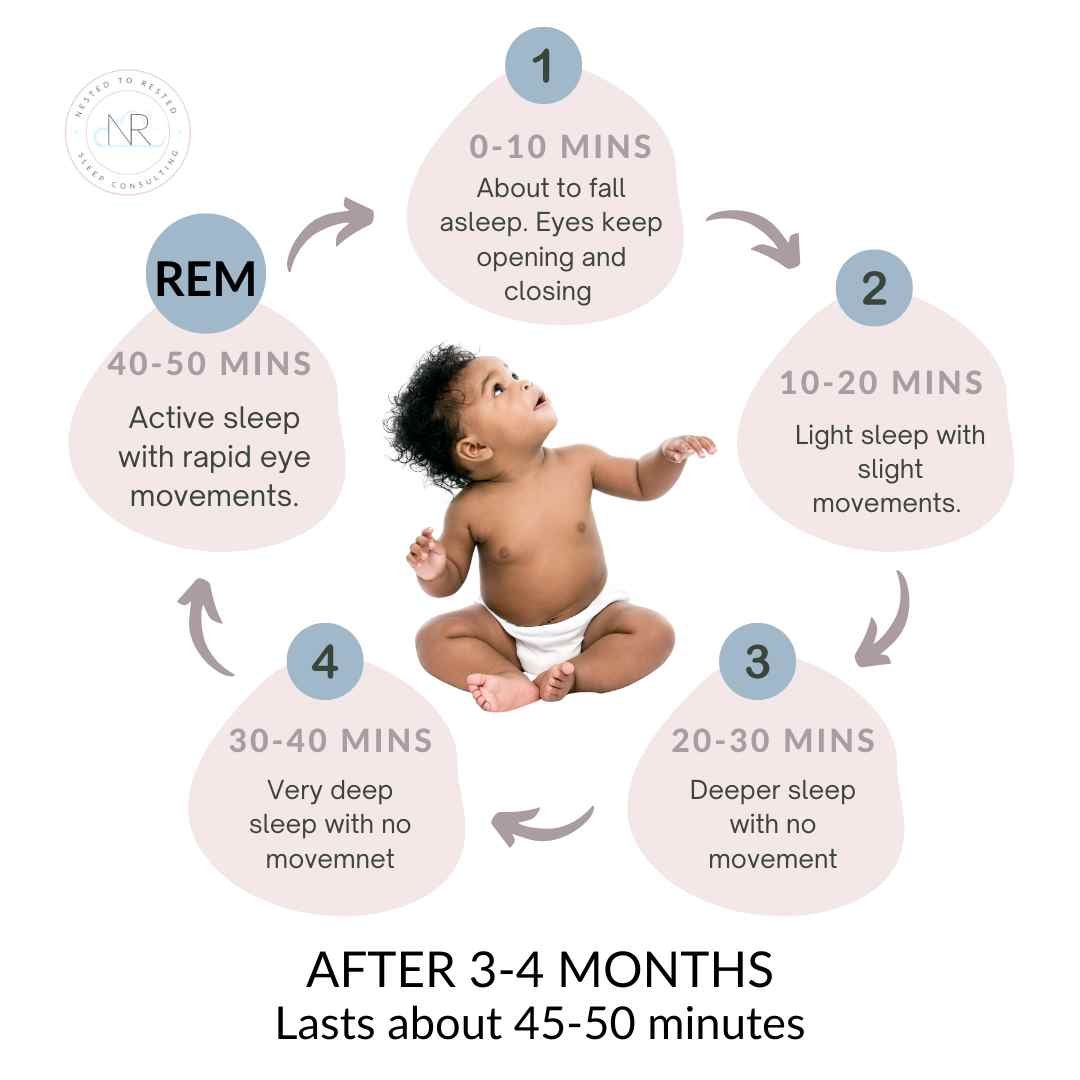
From Newborn Cycles to Circadian Rhythms
Newborns possess a relatively primitive sleep structure. They cycle between two primary states: active sleep and quiet sleep. These cycles are short and heavily influenced by the immediate need for nutrition and comfort. Around the four-month mark, the baby’s brain undergoes a significant neurological reorganization. The sleep cycles become more defined, incorporating distinct stages of non-REM (deep sleep) and REM (light sleep) sleep.
The Difficulty of Transitions
As sleep cycles evolve, they become lighter at the end of each cycle. For an adult, this transition is seamless—we might shift our position or pull the covers up and drift immediately back into a deep sleep state. For a four-month-old, however, the ability to transition between these cycles independently has not yet been mastered. When the baby wakes briefly at the end of a 45-minute cycle, they suddenly become aware of their surroundings. If the conditions in which they fall asleep (such as being rocked or fed) are not present, they often wake fully, signaling their distress and difficulty connecting the next cycle.
Identifying the Signs and Duration of the Regression
Recognizing the onset of this period is essential for managing expectations. While every infant follows a unique developmental timeline, there are consistent indicators that suggest your baby is navigating this significant shift.
Common Behavioral Indicators
The most obvious sign is a sudden, persistent disruption in sleep patterns. If a baby who was previously sleeping in four-to-six-hour stretches begins waking every one to two hours, the regression has likely begun. Other signs include increased fussiness during the day, a sudden drop in appetite as interest in the world supersedes interest in feeding, and difficulty settling down for naps. Many parents also notice that the baby seems unusually alert or hyper-aware, practicing new motor skills—such as rolling over—even during the night.
How Long Does It Last?
The term “regression” is somewhat of a misnomer because it implies a temporary phase that eventually goes away on its own. In truth, the neurological change is permanent. However, the period of adjustment—the time it takes for both the baby and the parents to adapt to this new sleep reality—typically lasts between two to four weeks. If handled with consistency and patience, the sleep disruptions usually taper off as the baby learns the necessary skills to transition between cycles without external intervention.
Strategies for Navigating the Transition
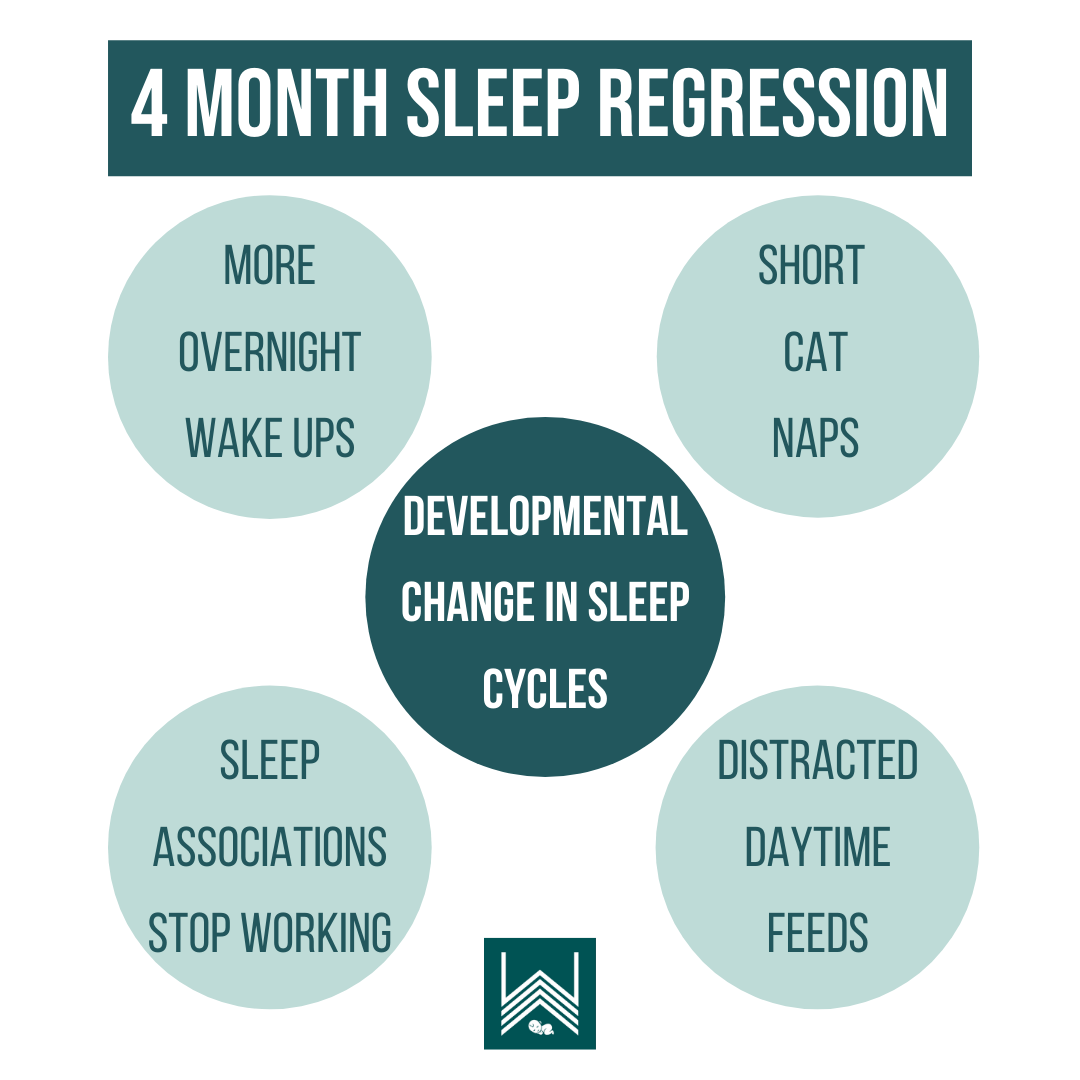
Successfully navigating the four-month sleep regression requires a combination of patience, environmental adjustments, and the gradual encouragement of independent sleep habits. While you cannot stop the biological development, you can create the conditions that make it easier for your baby to navigate their new sleep architecture.
Creating the Optimal Sleep Environment
Environment plays a critical role in minimizing nighttime stimulation. As babies become more aware of their surroundings, they are easily distracted by light and sound.
- Blackout Curtains: Even small amounts of light can signal the brain to wake up, particularly during early morning hours. A pitch-black room encourages the production of melatonin.
- White Noise: Consistency is key. White noise machines help mask household sounds that might startle a baby during a light sleep transition.
- Temperature Control: A cool room is generally conducive to deeper sleep. Ensure the baby is dressed appropriately for the ambient temperature to avoid over-heating or cold-induced wake-ups.
The Role of Sleep Associations
Sleep associations are the cues a baby uses to fall asleep. If a baby relies entirely on being held or rocked to enter sleep, they will naturally demand those same conditions when they wake up between cycles.
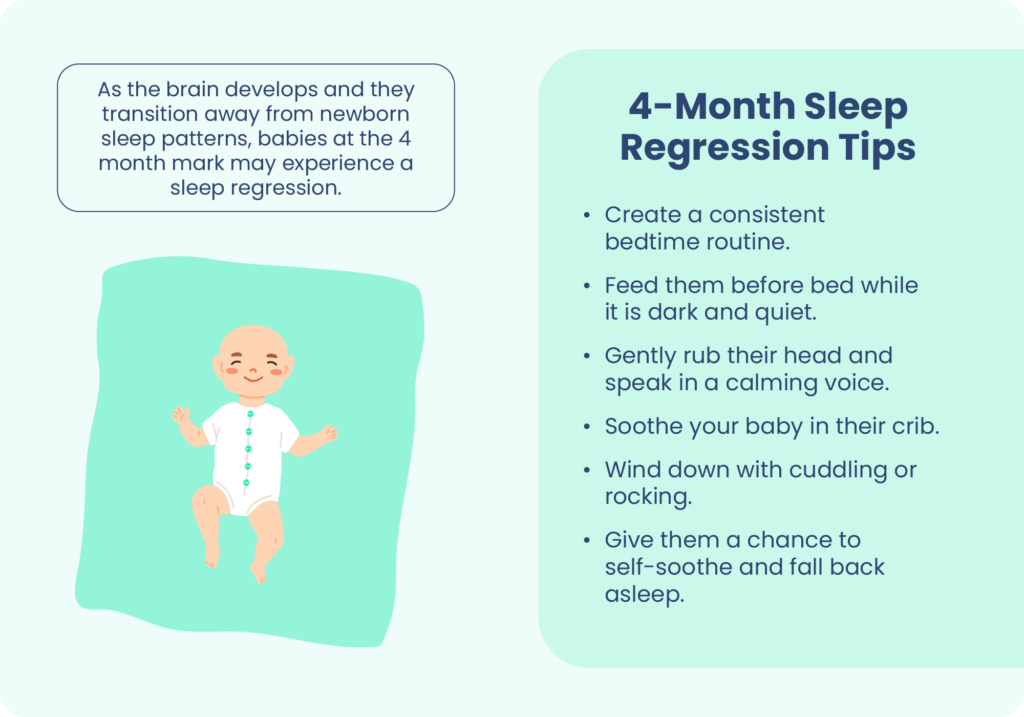
- Drowsy but Awake: While it is difficult to implement perfectly at four months, attempting to place the baby in their crib when they are drowsy but still aware of their surroundings helps them associate the crib—rather than the parent—with the act of falling asleep.
- Gradual Withdrawal: If you currently rock your baby to sleep, consider reducing the intensity of the motion or the length of time you provide support. Moving toward less intrusive forms of comfort allows the baby to practice self-soothing.
The Importance of Daytime Consistency
Often, parents focus exclusively on the nighttime struggles, forgetting that daytime rhythm is the backbone of nighttime success. At four months, the body’s circadian rhythm is becoming more refined, and daytime habits directly influence the quality of night sleep.
Establishing Age-Appropriate Wake Windows
Overtiredness is the enemy of sleep. When a baby stays awake for too long, their body produces cortisol, a stress hormone that makes it significantly harder for them to settle down and stay asleep. At four months, the typical “wake window”—the amount of time a baby can comfortably stay awake between sleeps—is usually between 75 and 100 minutes. Monitoring these windows prevents the “second wind” phenomenon, where the baby becomes fussy and restless rather than sleepy.
Structured Napping
During the regression, naps often become short or inconsistent. This is normal, as the baby is still adjusting to their new sleep cycles. However, maintaining a consistent nap routine—a mini version of the bedtime ritual—provides the baby with the sensory cues they need to understand that it is time to wind down. By protecting nap times and ensuring the baby is getting adequate daytime rest, you are reducing the accumulated sleep debt that often causes excessive night-waking.
Managing Parental Stress and Seeking Support
The four-month sleep regression is as much a test of parental resilience as it is a developmental hurdle for the infant. The sleep deprivation that accompanies this period can significantly impact mental health and decision-making.
The Value of Consistency
When you are exhausted, it is tempting to resort to whatever method yields the fastest result, even if it creates a new dependency that must be undone later. Maintaining a consistent approach is vital. If you decide to change your sleep strategy, stick to it for at least a week to allow the baby to adjust. Frequent changes in how you handle night-waking create confusion for the infant, which can prolong the regression.
Knowing When to Consult a Professional
While the four-month sleep regression is a standard developmental milestone, it is important to rule out other medical issues. If the sleep disruption is accompanied by signs of illness, such as a fever, persistent crying that seems related to pain, or a significant decrease in diaper output, consult your pediatrician. Furthermore, if you find that the sleep deprivation is severely impacting your ability to function or causing significant distress, reaching out to a certified pediatric sleep consultant can provide you with a personalized plan that honors your parenting philosophy.
Ultimately, the four-month sleep regression is a marker of your baby’s growth. While the lack of sleep is undeniably challenging, it is also evidence that your child’s brain is developing at a rapid pace. By understanding the science behind the shift and implementing small, consistent changes, you can help your baby master the skill of independent sleep, laying the foundation for healthy rest patterns that will benefit the entire family for months and years to come.
aViewFromTheCave is a participant in the Amazon Services LLC Associates Program, an affiliate advertising program designed to provide a means for sites to earn advertising fees by advertising and linking to Amazon.com. Amazon, the Amazon logo, AmazonSupply, and the AmazonSupply logo are trademarks of Amazon.com, Inc. or its affiliates. As an Amazon Associate we earn affiliate commissions from qualifying purchases.