
In the intricate and often opaque world of financial transactions, few topics generate as much contention and debate as credit card processing fees. These fees, largely invisible to the average consumer, represent a significant cost for businesses and a substantial revenue stream for banks and payment networks. Against this backdrop, legislative efforts periodically emerge to reshape the rules of engagement, aiming to inject competition, reduce costs, or protect specific stakeholders. Among the most prominent of these recent initiatives is the Durbin-Marshall Credit Card Bill, a proposed piece of legislation that seeks to fundamentally alter how credit card transactions are routed and processed in the United States.
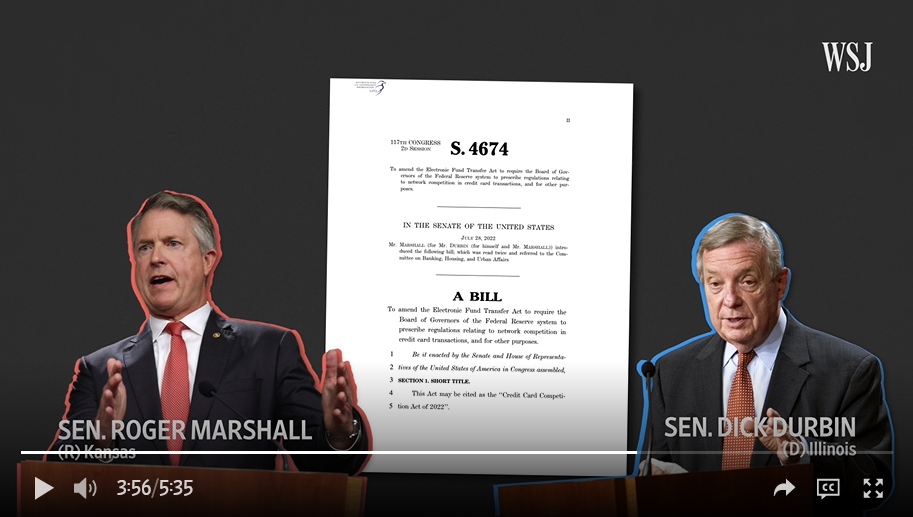
Named after its primary sponsors, Senators Richard Durbin (D-IL) and Roger Marshall (R-KS), this bipartisan bill proposes significant changes to the credit card market, echoing and expanding upon previous regulatory interventions in the debit card space. For anyone involved in commerce – from small businesses to large retailers, financial institutions, and even consumers – understanding the nuances of this bill is crucial. It represents a potential paradigm shift, promising to impact everything from transaction costs and merchant profitability to the availability of credit card rewards programs and the overall security of payment systems. This article delves into the core tenets of the Durbin-Marshall Bill, its historical context, the arguments surrounding its implementation, and the far-reaching implications it could have for the modern financial landscape.
Understanding the Legislative Landscape: The Bill’s Genesis
The Durbin-Marshall Credit Card Bill doesn’t emerge in a vacuum. It is deeply rooted in a history of legislative attempts to regulate payment card markets, particularly in response to concerns over market concentration and the costs imposed on merchants. To truly grasp its significance, one must understand the legislative precedents and the underlying financial dynamics it aims to address.
A Familiar Name: Recalling the Durbin Amendment of 2010
The most direct ancestor of the Durbin-Marshall Bill is the Durbin Amendment, enacted as part of the Dodd-Frank Wall Street Reform and Consumer Protection Act in 2010. Senator Richard Durbin also spearheaded this earlier legislation, which mandated significant changes to debit card transaction processing. Specifically, the Durbin Amendment required that debit card transactions be routable over at least two unaffiliated payment networks, thereby introducing competition into the routing of debit card payments. Furthermore, it capped the interchange fees that banks could charge for debit card transactions. The stated goal was to lower costs for merchants, which, proponents argued, would ultimately translate into lower prices for consumers. The impact of the Durbin Amendment on debit card interchange fees was substantial, estimated to have saved merchants billions of dollars annually. However, its effects on consumers, particularly regarding bank fee structures and the availability of debit card rewards, remain a subject of ongoing debate. This historical context is vital, as the Durbin-Marshall Bill essentially seeks to extend a similar framework to the far larger and more complex credit card market.
The Sponsors and Their Motivations: Senators Durbin and Marshall
Senator Richard Durbin, a long-time advocate for merchants and small businesses in their dealings with large financial institutions, has consistently voiced concerns about the rising costs associated with credit card acceptance. His motivation stems from a belief that the current credit card market suffers from a lack of genuine competition, allowing a duopoly of major card networks to dictate terms and fees. Senator Roger Marshall, joining Durbin in this bipartisan effort, brings a similar perspective, emphasizing the financial strain that high interchange fees place on businesses, particularly during periods of economic volatility. Their combined legislative effort underscores a shared concern that the current system is unfairly tilted against merchants, who often have little recourse but to accept the fees charged by credit card networks and issuing banks. Their collective aim is to foster a more competitive environment that could lead to reduced costs for businesses and, theoretically, for consumers.
The Core Problem Addressed: High Interchange Fees
At the heart of the Durbin-Marshall Bill is the issue of “interchange fees” – often referred to as “swipe fees.” These are the fees that an acquiring bank (the merchant’s bank) pays to an issuing bank (the cardholder’s bank) every time a credit card transaction occurs. While typically a small percentage of each transaction (ranging from 1.5% to over 3.5% for credit cards), these fees accumulate to staggering amounts annually, totaling tens of billions of dollars for U.S. merchants. These fees are determined by the credit card networks (primarily Visa and Mastercard) and the issuing banks, and they vary based on card type (e.g., standard, premium, rewards), transaction type (e.g., in-person, online), and merchant category. Proponents of the bill argue that the lack of competition among payment networks allows interchange fees to remain artificially high, essentially acting as a hidden tax on every transaction. They contend that merchants are forced to accept these fees as a cost of doing business, which is then passed on to consumers through higher prices for goods and services. The Durbin-Marshall Bill directly targets this perceived market inefficiency by attempting to inject competitive pressure into the routing of credit card transactions.
Key Provisions and Proposed Changes: What the Bill Aims to Achieve
The Durbin-Marshall Credit Card Bill, formally known as the Credit Card Competition Act (CCCA), proposes a structural change to how credit card transactions are processed. Its core mechanism revolves around mandating competition in the routing of these transactions, drawing a direct parallel to the Durbin Amendment’s impact on debit cards.
Mandating Network Choice for Credit Card Transactions
The central provision of the Durbin-Marshall Bill is its requirement that large credit card-issuing banks (those with assets exceeding $100 billion) offer at least two unaffiliated network options for processing credit card transactions. Currently, when a customer uses a Visa or Mastercard credit card, the transaction is almost exclusively routed through either the Visa or Mastercard network. The CCCA would compel issuing banks to enable merchants to choose from at least two networks, one of which cannot be Visa or Mastercard. This means that if a bank issues a Visa card, for example, it would also have to enable an alternative network (like Discover, American Express, or a new competitor) to process that transaction. The intent is to foster competition among networks, allowing merchants to select the lowest-cost or most efficient option for processing, much like they can for debit cards. This shift is designed to give merchants greater control over their transaction costs.
Breaking the Duopoly: Targeting Visa and Mastercard
While not explicitly naming them, the bill’s provisions are clearly aimed at disrupting the dominant market position held by Visa and Mastercard. Together, these two networks account for the vast majority of credit card transaction volume in the U.S. Proponents argue that this duopoly limits competition, enabling these networks and their associated banks to set interchange fees without sufficient market pressure. By mandating alternative routing options, the Durbin-Marshall Bill seeks to empower other, smaller networks (or potentially new entrants) to compete for credit card transaction volume. This competition, proponents believe, would naturally drive down processing costs as networks vie for merchant business by offering more favorable terms. The long-term vision is a more diverse and competitive payments ecosystem where the power to dictate transaction costs is diffused among more players.
The Goal: Increasing Competition and Lowering Costs
The overarching goal of the Durbin-Marshall Bill is multifaceted: to increase competition within the credit card processing industry and, as a direct consequence, to lower the costs associated with accepting credit card payments. For merchants, especially small and medium-sized businesses operating on thin margins, even a slight reduction in swipe fees could translate into significant annual savings. These savings, proponents argue, could then be reinvested in their businesses, passed on to consumers through lower prices, or used to absorb other rising operational costs. The bill’s supporters believe that the current system lacks genuine price competition, leading to an opaque and expensive framework for merchants. By forcing banks to offer network alternatives, the bill hopes to create a competitive marketplace where networks must actively compete for transaction routing, thus driving down the cost base for the entire system.
Potential Impacts on Stakeholders: Winners and Losers
Any significant legislative intervention in a complex financial market creates ripples that affect various participants differently. The Durbin-Marshall Bill is no exception, promising to redistribute costs and benefits across the payments ecosystem.
For Merchants: Reduced Processing Costs and Operational Shifts
Merchants are largely seen as the primary beneficiaries of the Durbin-Marshall Bill. By enabling them to choose from multiple, unaffiliated networks for processing credit card transactions, the bill aims to give them leverage to negotiate lower interchange fees. Retailers, particularly large ones with significant transaction volumes, stand to save potentially billions of dollars annually in processing costs. These savings could be crucial for their profitability and competitiveness. However, the implementation of such a system might also entail operational adjustments. Merchants would need to ensure their point-of-sale (POS) systems and payment gateways are capable of handling multi-network routing, which could require software updates or new equipment. While the long-term cost savings are attractive, there could be initial setup costs and technical complexities to navigate.
For Consumers: The Promise of Lower Prices or Reduced Rewards?
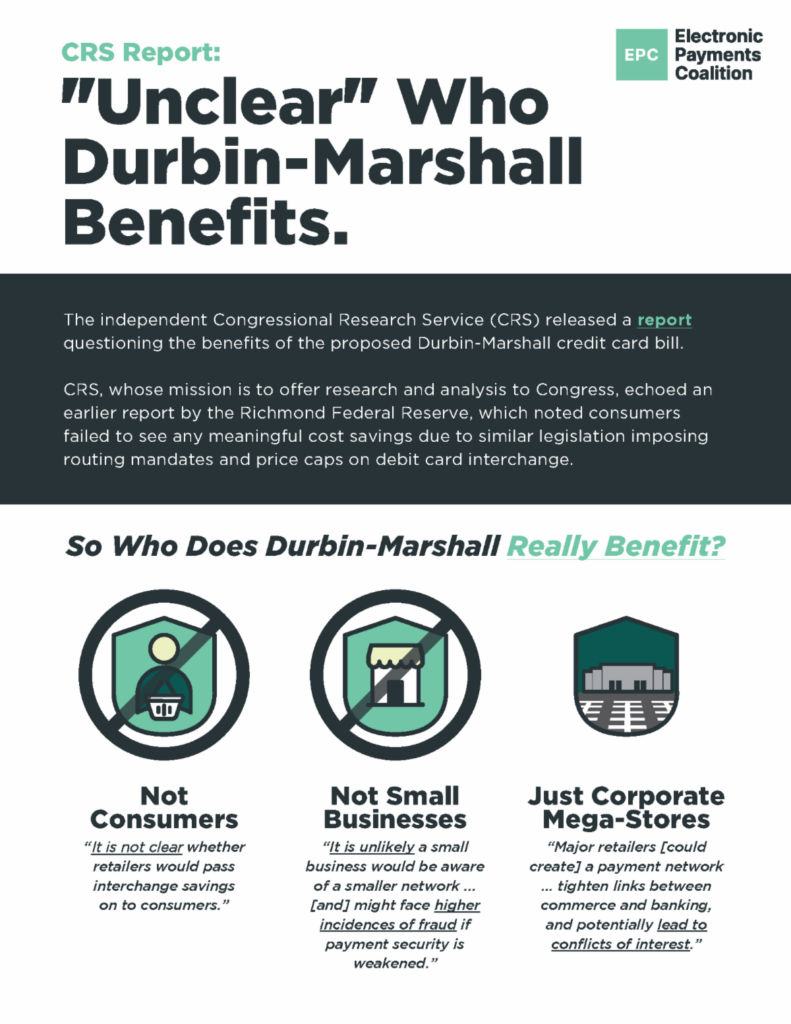
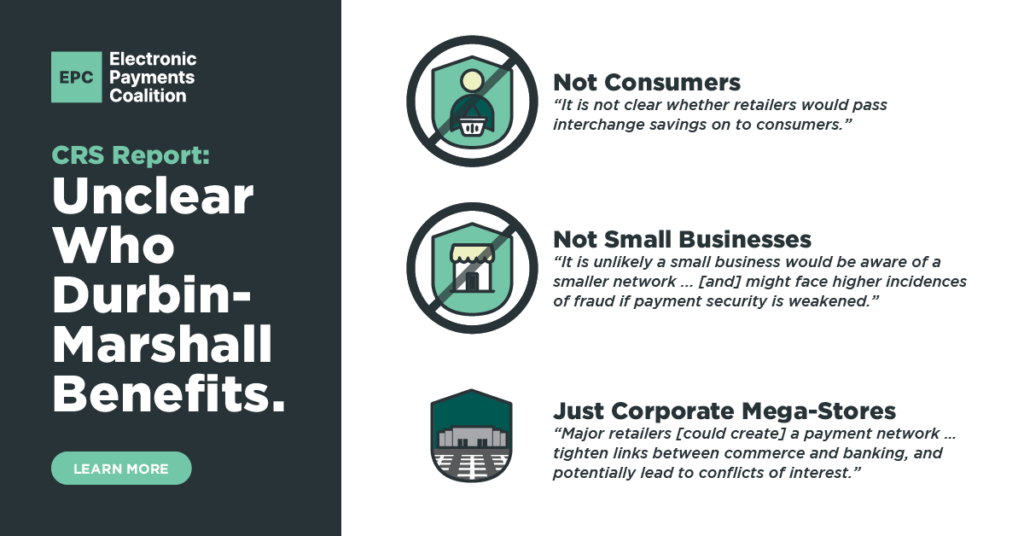
The impact on consumers is perhaps the most debated aspect of the bill. Proponents argue that lower merchant costs will eventually translate into lower prices for goods and services, as businesses pass on their savings. However, opponents counter that such savings rarely fully reach the consumer. Instead, they fear that the primary impact on consumers will be negative, primarily through the degradation or elimination of popular credit card rewards programs. Issuing banks currently fund these lucrative rewards (cash back, travel points, airline miles) primarily through the interchange fees they collect. If interchange fees are significantly reduced, banks might be forced to scale back or cut these programs, affecting millions of consumers who rely on them. Additionally, there are concerns that banks might seek to offset lost revenue by increasing other fees (e.g., annual fees, late payment fees) or tightening credit availability, particularly for subprime borrowers.
For Banks and Issuers: A Threat to Revenue and Business Models
Credit card issuing banks are expected to be significantly impacted, largely negatively, by the Durbin-Marshall Bill. Interchange fees constitute a substantial portion of their non-interest revenue, directly funding credit card rewards programs, fraud prevention measures, and credit risk management. A mandated reduction in these fees would directly hit their profitability, potentially leading to a restructuring of their credit card offerings. Banks might be compelled to reduce the generosity of rewards programs, introduce new annual fees, or become more selective in their lending practices. Smaller community banks and credit unions, though theoretically exempt from the explicit requirements for banks over $100 billion in assets, could still feel the ripple effects as larger banks adjust their strategies and the overall market dynamic shifts. The bill poses a direct threat to the current revenue models that have supported the widespread availability of credit and generous reward structures.
For Payment Networks: Increased Competition and Innovation Pressures
Visa and Mastercard, as the dominant credit card networks, face the most direct competitive pressure from the Durbin-Marshall Bill. Their exclusive routing arrangements with issuing banks would be broken, forcing them to compete with alternative networks for transaction volume. This could lead to a downward pressure on their network fees and a potential loss of market share to competitors like Discover, American Express (which operates as both an issuer and network), or smaller, domestic networks. This increased competition, while potentially leading to lower costs, also creates an imperative for these networks to innovate, differentiate their services, and demonstrate superior value beyond just routing. They might invest more in security features, data analytics, or value-added services to retain merchant and issuer loyalty. For smaller networks, the bill presents a significant opportunity to gain market share and expand their presence in the credit card ecosystem.
Arguments For and Against: The Debate Surrounding the Bill
The Durbin-Marshall Bill, like any major financial legislation, has sparked an intense debate, with powerful interest groups lining up on both sides. Understanding these arguments is key to grasping the full implications of the proposed changes.
Proponents’ Case: Promoting Fair Competition and Small Business
The primary advocates for the Durbin-Marshall Bill are merchant groups, particularly those representing small businesses, and consumer advocacy organizations. Their core argument rests on the principle of fair competition. They contend that the credit card market, dominated by a Visa-Mastercard duopoly, lacks the competitive forces necessary to drive down transaction costs. Merchants, especially small businesses, have little to no negotiating power over interchange fees, which represent one of their highest operating expenses after labor. Proponents argue that these fees are opaque, arbitrary, and directly contribute to higher consumer prices.
By mandating competitive routing, the bill aims to level the playing field, allowing merchants to choose the least expensive option and thereby reduce their costs. These savings, they assert, can then be reinvested in businesses, lead to job creation, or be passed on to consumers through lower prices. They often point to the success of the original Durbin Amendment in lowering debit card costs for merchants as a precedent, arguing that similar benefits will accrue in the credit card space. For small businesses, who often face tighter margins, these savings could be critical to their survival and growth, especially in a challenging economic climate.
Opponents’ Concerns: Unintended Consequences for Consumers and Security
Opposition to the Durbin-Marshall Bill comes primarily from banks, credit unions, and the major credit card networks. Their arguments focus heavily on the potential for severe unintended consequences, particularly for consumers and the security of the payment system.
Their most vocal concern is the potential impact on credit card rewards programs. They argue that if interchange fees are significantly reduced, banks will no longer be able to afford to offer generous cash back, travel points, and other perks that millions of consumers enjoy. This would effectively be a tax on consumers who currently benefit from these programs. Furthermore, opponents warn that banks might compensate for lost interchange revenue by increasing other fees (e.g., annual fees, ATM fees) or by tightening credit standards, making credit less accessible for certain segments of the population, especially those with lower credit scores.
Beyond rewards, there are significant concerns about payment security. Opponents argue that the current credit card networks (Visa and Mastercard) invest heavily in fraud prevention and cybersecurity measures. Introducing new, potentially less established networks into the routing process, particularly for online transactions, could fragment the security landscape and increase the risk of data breaches and fraudulent activity. They also raise concerns about the operational complexity for merchants, arguing that compliance with new routing mandates could be burdensome, especially for smaller businesses lacking sophisticated payment infrastructure. They suggest that mandating routing could create a race to the bottom, where networks compete solely on price, potentially compromising investment in innovation and security.
Economic Modeling and Real-World Examples: Learning from Debit Card History
Both sides often refer to the experience of the 2010 Durbin Amendment for debit cards, but they draw different conclusions. Proponents highlight the documented reduction in debit card interchange fees for merchants, claiming it as proof that similar legislation would benefit credit card merchants. Opponents, however, point to studies suggesting that the savings were not fully passed on to consumers and that banks responded by raising other fees, reducing or eliminating free checking accounts, and cutting back on debit card rewards. They argue that the debit card experience is a cautionary tale, demonstrating how legislative intervention can lead to negative unintended consequences for consumers and financial institutions, without necessarily delivering the promised benefits of lower consumer prices. The debate often involves detailed economic modeling and analysis, with each side presenting data to support their claims regarding who ultimately benefits and who bears the costs of such legislative changes.
The Road Ahead: Future Prospects and Implications for the Payments Industry
The Durbin-Marshall Credit Card Bill represents a significant policy debate with profound implications for the future of the American payments industry. Its journey through Congress is fraught with challenges, and its ultimate impact, should it pass, will shape the financial landscape for years to come.
Navigating the Legislative Labyrinth: Chances of Passage
The path for the Durbin-Marshall Bill through Congress is complex and uncertain. It faces formidable opposition from a powerful lobbying coalition of banks, credit card networks, and some consumer groups concerned about the loss of rewards. Supporters, primarily merchant trade associations and some consumer advocates, are also actively lobbying for its passage. Key factors influencing its chances include the broader political climate, the level of bipartisan support it can garner, and the intensity of the lobbying efforts from both sides. With a divided Congress, passing significant legislation often requires strong bipartisan consensus, which, despite the bill’s co-sponsors, remains challenging in the highly polarized financial policy arena. Furthermore, the complexity of the payments ecosystem means that many lawmakers may be hesitant to intervene without a clear understanding of all potential repercussions. The bill’s success will likely depend on its ability to overcome these legislative hurdles and persuade a sufficient number of lawmakers of its net benefits.
A Shifting Payments Landscape: Long-Term Trends
Regardless of the Durbin-Marshall Bill’s fate, the payments industry is in a constant state of evolution. Trends such as the increasing adoption of digital wallets, the rise of real-time payments, and the emergence of new payment technologies (like blockchain and cryptocurrencies) are already reshaping how transactions occur. The bill’s focus on interchange fees and network routing reflects a more traditional view of the payments landscape. However, its potential impact could accelerate or alter some of these long-term trends. For instance, if credit card rewards diminish, consumers might increasingly turn to debit cards or alternative payment methods that offer different benefits. Increased competition among networks could spur innovation in security or value-added services beyond just pricing. The debate surrounding the Durbin-Marshall Bill is therefore not just about specific fees but also about the fundamental structure and power dynamics within a rapidly evolving financial ecosystem.
Preparing for Change: Strategies for Businesses and Consumers
For businesses, particularly merchants, understanding the Durbin-Marshall Bill’s potential ramifications is crucial for strategic planning. If the bill passes, merchants will need to assess their current payment processing infrastructure, potentially upgrading systems to take advantage of new routing options. They will also need to re-evaluate their relationships with payment processors and consider how potential savings could impact their pricing strategies and profitability. For financial institutions, especially credit card issuers, preparing for a potential reduction in interchange revenue will necessitate a review of their credit card product offerings, reward structures, and overall business models. They may need to explore new revenue streams or adjust their fee structures to compensate for lost income.
For consumers, staying informed about the bill’s progress and potential effects is important. Changes to credit card reward programs or the introduction of new fees could directly impact personal finance decisions. Consumers might need to re-evaluate which credit cards offer the best value for their spending habits if current rewards are reduced or eliminated. Ultimately, the Durbin-Marshall Credit Card Bill underscores the continuous tension between fostering competition, managing costs, and preserving innovation and consumer benefits within the critical infrastructure of our financial system. Its outcome will undoubtedly cast a long shadow over the future of credit card commerce in the United States.
aViewFromTheCave is a participant in the Amazon Services LLC Associates Program, an affiliate advertising program designed to provide a means for sites to earn advertising fees by advertising and linking to Amazon.com. Amazon, the Amazon logo, AmazonSupply, and the AmazonSupply logo are trademarks of Amazon.com, Inc. or its affiliates. As an Amazon Associate we earn affiliate commissions from qualifying purchases.