
In the highly competitive landscape of sun care, the numerical designation of Sun Protection Factor (SPF) is more than just a scientific measurement; it’s a cornerstone of brand strategy, consumer perception, and market positioning. For companies operating in this space, understanding the nuanced differences between SPF 30 and SPF 50 extends far beyond their efficacy in blocking UV rays. It delves into how these numbers shape product development, influence marketing narratives, and ultimately dictate how brands connect with diverse consumer segments. This article explores the strategic implications of SPF 30 versus SPF 50, viewed through the lens of branding, marketing, and corporate identity.

The Core Science and Its Branding Implications
At its heart, SPF quantifies a product’s ability to protect skin from UVB rays, the primary cause of sunburn. While the science provides the foundational data, it’s how brands interpret and communicate this data that defines their market identity.
Understanding SPF: More Than Just a Number
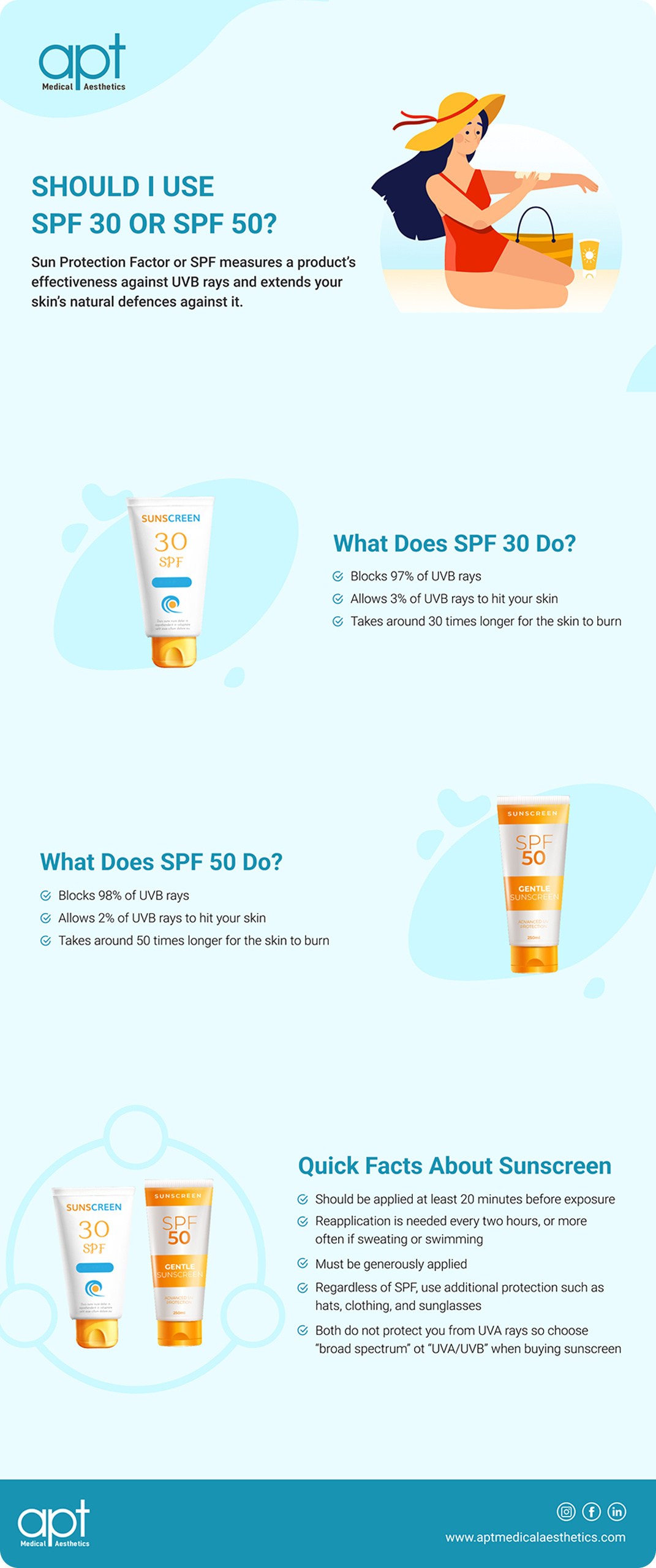
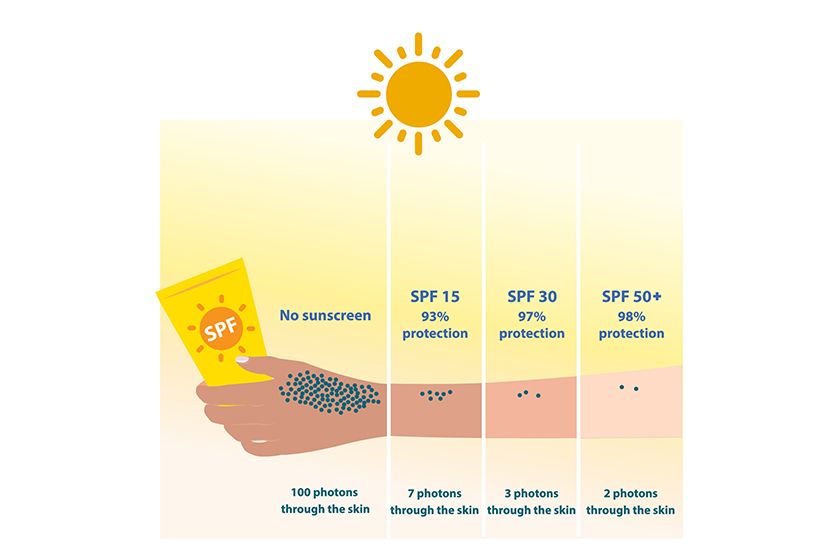
SPF 30 and SPF 50 both offer substantial protection against sunburn. SPF 30 is designed to block approximately 97% of UVB rays, while SPF 50 blocks roughly 98%. This marginal 1% difference, while seemingly insignificant from a purely scientific standpoint, presents a fascinating challenge and opportunity for brand strategists. For consumers, a higher number often implies unequivocally superior performance, irrespective of the diminishing returns in actual protection. Brands must navigate this perception, educating their audience without undermining the perceived value of their higher-tier products or overselling the lower-tier ones. The initial hurdle for any sun care brand is to articulate the fundamental purpose of SPF in an accessible manner, then skillfully differentiate their offerings. This foundational understanding becomes the launchpad for crafting compelling brand stories around varying levels of protection.
The Marginal Gain: A Marketing Dilemma
The scientific reality of SPF reveals that beyond SPF 15, the increase in protection becomes progressively smaller. The jump from no protection to SPF 15 is significant, as is the leap to SPF 30. However, the incremental benefit from SPF 30 to SPF 50, and even higher, is statistically quite small. This “marginal gain” poses a significant marketing dilemma for brands. How do you justify a potentially higher price point or position SPF 50 as a premium product when its functional advantage over SPF 30 is objectively minimal?
Brands overcome this by focusing on perceived value rather than strictly objective value. They might emphasize the “extra peace of mind,” the “ultimate defense,” or tailor their messaging to specific scenarios where even a 1% difference could be psychologically significant. For instance, a brand might highlight SPF 50 for extreme conditions or individuals with very sensitive skin, where every fraction of protection counts. This strategic pivot from raw numbers to emotional benefits and specific use-cases is critical for brand differentiation and maintaining competitive edge in a crowded market. The marketing teams work to translate this subtle scientific increment into a compelling brand promise that resonates deeply with target consumers, thereby creating a rationale for selection that transcends mere percentage points.
Communication Challenges and Consumer Education
A critical aspect of sun care branding involves transparent and effective communication. Brands face the delicate task of educating consumers about the actual protection offered by different SPF levels without inadvertently confusing them or creating a sense of false security. For example, explicitly stating that SPF 30 blocks 97% and SPF 50 blocks 98% might lead some consumers to conclude there’s no meaningful difference, thus eroding the premium positioning of SPF 50 products.
To mitigate this, successful brands employ sophisticated communication strategies. They might use infographics that visually demonstrate the progression of protection, emphasize the importance of reapplication (which often overshadows the numerical difference in protection), or frame higher SPFs as part of a comprehensive sun safety regimen. Language choices are crucial: instead of focusing solely on percentages, brands might use descriptors like “enhanced protection,” “max defense,” or “ideal for prolonged exposure” for SPF 50, while framing SPF 30 as “daily defense” or “everyday protection.” This careful calibration of messaging ensures that consumers grasp the benefits of each SPF level within the brand’s overarching narrative, reinforcing brand credibility and fostering informed choices.
Crafting Brand Narratives: SPF Levels and Target Audiences
The choice between SPF 30 and SPF 50 is often a strategic decision reflecting a brand’s target audience and the specific narrative it aims to construct. Each SPF level can be aligned with distinct lifestyle needs and consumer priorities, allowing brands to segment the market effectively.
SPF 30: The Everyday Protector and Accessible Brand
SPF 30 often serves as the cornerstone of many sun care brands’ offerings, positioned as the go-to solution for daily protection. Brands targeting a wider, mainstream market frequently leverage SPF 30 to embody accessibility, practicality, and sufficient protection for routine exposure. This segment often includes urban dwellers, individuals with moderate sun exposure, and those seeking an uncomplicated approach to sun safety.
The brand messaging for SPF 30 typically emphasizes ease of use, light textures, and integration into daily routines—think “your everyday essential” or “the perfect foundation for sun protection.” Affordability often plays a key role, allowing brands to capture a larger volume of sales by presenting SPF 30 as a reliable, cost-effective choice. Brands might also incorporate additional skincare benefits like moisturization or antioxidant properties, enhancing its appeal as a multi-functional daily product. The brand identity built around SPF 30 focuses on reliable, consistent protection without the perception of overkill, making it a staple for many households.
SPF 50: The High-Performance Shield and Premium Brand
Conversely, SPF 50 is frequently positioned as the “high-performance” or “max protection” offering, catering to specific consumer needs and often commanding a premium price point. Brands that carry SPF 50 products are often targeting athletes, outdoor enthusiasts, individuals with very fair or sensitive skin, or those planning extended exposure to intense sun (e.g., beach vacations, high-altitude sports).
The brand narrative for SPF 50 leans heavily on themes of ultimate defense, advanced formulation, and peace of mind in challenging conditions. Messaging might highlight its suitability for water sports due to enhanced water resistance, its broad-spectrum capabilities, or its robust protection for vulnerable skin. Packaging for SPF 50 products might convey a sense of strength and durability, using bolder colors or more technical design elements. This strategic positioning allows brands to carve out a niche for consumers who prioritize maximum protection above all else, reinforcing a perception of specialized care and unwavering commitment to sun safety. It’s about building a brand that signifies expertise and unwavering reliability in critical situations.
Beyond the Number: Innovating with Formulations and Features
In a market where SPF numbers alone offer diminishing returns for differentiation, brands must innovate beyond the core protection factor. The “difference” between SPF 30 and SPF 50 increasingly lies in the accompanying features and the overall user experience, which become powerful brand differentiators.
Brands strategically invest in developing formulations that enhance appeal, such as non-greasy textures, quick-absorbing lotions, invisible sprays, or mineral-based options. Added skincare benefits like anti-aging ingredients, vitamins, or specific formulations for acne-prone skin allow brands to tap into broader beauty and health trends. Furthermore, features like water resistance (crucial for sports brands), broad-spectrum protection (UVA and UVB), and even sustainable or reef-safe formulations provide distinct brand identities. These innovations allow brands to tell a more comprehensive story, moving beyond just “how much protection” to “what kind of protection and experience.” They provide tangible reasons for consumers to choose one brand’s SPF 30 over another’s, or to invest in an SPF 50 product that offers a superior sensory experience or addresses specific dermatological concerns.
Marketing and Perception: Shaping Consumer Choice
The numerical values of SPF 30 and SPF 50 are powerful psychological triggers, and brands adeptly leverage these perceptions to guide consumer choice and solidify their market presence.
The Psychology of “More is Better”
The human psyche often associates higher numbers with superior quality or increased benefit. This “more is better” heuristic is particularly potent in the context of SPF, where consumers may intuitively feel safer or more protected with SPF 50, regardless of the marginal scientific difference from SPF 30. Brands capitalize on this psychological tendency by positioning SPF 50 as the ultimate protective solution, appealing to an inherent desire for maximum security.
This is not to say brands are misleading consumers, but rather that they understand and cater to existing psychological frameworks. The brand messaging for SPF 50 might tap into an emotional desire for comprehensive safety, offering peace of mind to parents protecting their children, or to individuals prone to sunburn. The higher number becomes a psychological anchor, a visible symbol of advanced care and reduced risk. This perceptual advantage often allows brands to justify premium pricing and reinforce the idea that their SPF 50 offering represents the pinnacle of their protective capabilities.
Visual Branding and Messaging
Effective branding extends to the visual language and messaging employed across all touchpoints. The aesthetic presentation of SPF 30 versus SPF 50 products plays a crucial role in conveying their intended use and brand identity.
For SPF 30, brands might opt for lighter, more minimalist packaging designs, perhaps incorporating natural elements or subtle color palettes that evoke everyday freshness and simplicity. The language used might be approachable, emphasizing ease of integration into daily life. For SPF 50, however, packaging often features bolder designs, perhaps with metallic accents or darker hues that communicate strength, advanced technology, or intense protection. The messaging might employ more robust terminology like “extreme defense,” “sport formula,” or “broad-spectrum shield,” aligning with its premium, high-performance positioning. Even the font choice and imagery (e.g., a family enjoying a picnic for SPF 30 vs. an athlete engaged in strenuous outdoor activity for SPF 50) are meticulously crafted to reinforce the specific brand narrative and differentiate the products in the consumer’s mind.
Influencer Marketing and Endorsements
In the digital age, influencer marketing and expert endorsements have become indispensable tools for shaping consumer perceptions of SPF levels. Brands strategically partner with diverse figures to validate and promote their SPF 30 and SPF 50 products to specific demographics.
For SPF 30, brands might collaborate with lifestyle influencers, beauty bloggers, or dermatologists who advocate for consistent, everyday sun protection. These endorsements emphasize the product’s suitability for daily routines and its role in maintaining overall skin health. The messaging often focuses on habit formation and accessible skincare. For SPF 50, brands might seek out athletes, adventurers, or medical professionals who can speak to the necessity of maximum protection in challenging environments or for individuals with particular skin concerns. These endorsements lend credibility and authority, reinforcing the perception of SPF 50 as a serious, highly effective solution for specific needs. The choice of influencer, their platform, and their narrative become integral parts of the brand strategy, building trust and guiding purchasing decisions across the entire SPF spectrum.
Brand Strategy and Market Segmentation
Successfully navigating the SPF landscape requires a clear brand strategy that acknowledges the diverse needs of the market and effectively segments consumers based on their perceived requirements for sun protection.
Portfolio Management: Catering to Diverse Needs
Many leading sun care brands adopt a comprehensive portfolio approach, offering a range of SPF levels, including both SPF 30 and SPF 50, within their product lines. This strategy acknowledges that a single consumer may have different sun protection needs depending on the season, activity, or environment. A consumer might use SPF 30 for their daily commute and switch to SPF 50 for a beach holiday or a sports event.
By offering a diverse range, brands can capture a wider market share and foster brand loyalty across different usage occasions. This also allows for strategic cross-selling and up-selling opportunities within the brand ecosystem. For example, a brand might introduce a new SPF 50 sport line to an existing customer base loyal to its SPF 30 daily moisturizer. Effective portfolio management ensures that the brand remains relevant and valuable to consumers throughout their various sun exposure scenarios, reinforcing its position as a holistic solution provider for sun care.
Competitive Differentiation and Market Positioning
In a crowded market, simply having an SPF 30 or SPF 50 product is not enough. Brands must aggressively differentiate themselves to stand out. This often involves leveraging the specific SPF level in conjunction with unique selling propositions (USPs) that resonate with target consumers.
A brand might position its SPF 30 as the “clean beauty” option, emphasizing natural ingredients and sustainable packaging, appealing to environmentally conscious consumers. Another might brand its SPF 50 as the “dermatologist-recommended” choice, focusing on hypoallergenic properties and suitability for sensitive skin. The distinction lies in how a brand integrates the SPF number into a broader, compelling narrative that highlights distinct advantages—be it texture, ingredients, ethical sourcing, or specialized application. This careful crafting of a brand’s unique place in the market ensures that it speaks directly to specific consumer needs and values, moving beyond a simple comparison of numbers to a more holistic value proposition.
Future Trends in SPF Branding
The future of SPF branding will undoubtedly be influenced by emerging technologies and evolving consumer expectations. Personalization is a significant trend, with brands potentially leveraging AI tools or apps to recommend specific SPF levels and formulations based on individual skin type, location, and activity. Digital tools that monitor UV exposure and remind users to reapply sunscreen could become integral to a brand’s service offering, enhancing the value proposition beyond the product itself.
Sustainability will also continue to shape SPF branding. Brands that offer reef-safe, biodegradable, or ethically sourced SPF 30 and SPF 50 products will gain a competitive edge by appealing to eco-conscious consumers. The packaging itself, and the brand’s stance on environmental impact, will become as crucial as the SPF number. Furthermore, brands might explore innovative formats, such as ingestible sun protection supplements or smart textiles, expanding the very definition of sun care. These evolving trends will require brands to be agile, constantly innovating their product lines and communication strategies to remain relevant and compelling in a dynamic market.
In conclusion, the difference between SPF 30 and SPF 50, while minimal in pure scientific terms, creates a rich and complex landscape for brand strategy. Brands adeptly leverage these numbers, along with innovative formulations and strategic messaging, to craft distinct narratives, segment markets, and ultimately shape consumer choice. It is through this sophisticated interplay of science, psychology, and marketing that sun care brands forge their identity and secure their position in the consumer’s mind.
aViewFromTheCave is a participant in the Amazon Services LLC Associates Program, an affiliate advertising program designed to provide a means for sites to earn advertising fees by advertising and linking to Amazon.com. Amazon, the Amazon logo, AmazonSupply, and the AmazonSupply logo are trademarks of Amazon.com, Inc. or its affiliates. As an Amazon Associate we earn affiliate commissions from qualifying purchases.