
The choice between investing in sheep for mutton production or goats for goat meat (and other by-products) presents a fascinating financial dilemma for aspiring farmers, agribusiness entrepreneurs, and even astute consumers. Beyond their distinct culinary profiles, sheep and goats represent fundamentally different financial propositions, each with unique investment requirements, operational costs, market demands, and potential returns. For anyone looking to diversify their investment portfolio into agriculture, start a new side hustle, or simply make more informed purchasing decisions, understanding these underlying economic differences is paramount. This exploration delves into the financial nuances, dissecting the profitability drivers, market dynamics, and resource management strategies that differentiate these two popular livestock options.

Understanding the Livestock Investment: Sheep vs. Goats
Venturing into livestock farming, whether as a primary business or a supplementary income stream, requires a clear-eyed assessment of the initial capital outlay and ongoing operational expenses. The perceived “difference” between mutton and goat meat extends far beyond the plate; it begins with the animals themselves and the economic ecosystems they inhabit.
Initial Capital and Rearing Costs
The upfront investment for establishing a sheep or goat farm can vary significantly. Key factors include the cost of acquiring foundation stock, land infrastructure, housing, and initial feed supplies. Generally, both sheep and goats require similar basic infrastructure: secure fencing, shelter from the elements, and access to clean water. However, subtle differences can impact the financial bottom line.
Sheep, particularly those bred for meat (like Dorsets, Suffolks, or Katahdins), often come with a moderate to high purchase price per head, reflecting their robust growth rates and established market demand for mutton and lamb. They are typically grazers, thriving on pasture, which can reduce feed costs if sufficient land is available. However, sheep are also susceptible to certain parasites, requiring a diligent deworming program, which adds to veterinary expenses. The cost of shearing for wool (even if not the primary product) is another consideration for many breeds, though meat breeds may have less intensive shearing needs or be “hair sheep” which shed naturally.
Goats, on the other hand, can sometimes be acquired at a slightly lower initial per-head cost, especially for common meat breeds like Boers or Spanish goats. They are natural browsers, meaning they prefer to eat shrubs, weeds, and tree leaves rather than solely grass. This dietary preference can be an advantage if one has access to brushy land, potentially leading to lower supplemental feed costs and even serving as a natural land management tool. However, goats are renowned for their Houdini-like ability to escape enclosures, often necessitating more robust and therefore more expensive fencing solutions. Their herd dynamics can also lead to more frequent health issues if not managed properly, potentially increasing veterinary costs. Furthermore, goats, especially dairy breeds, can require more intensive care and specialized housing if milk production is a goal.
When calculating the total initial capital, one must also factor in equipment, such as feeders, water troughs, handling facilities, and potentially specialized equipment for shearing or milking. The scale of the operation—whether a small side hustle with a dozen animals or a commercial enterprise with hundreds—will naturally dictate the overall financial commitment.
Lifecycle Profitability and Returns
The ultimate financial viability of raising sheep versus goats hinges on their lifecycle profitability, encompassing their reproductive rates, growth to market weight, and potential for diverse revenue streams.
Sheep generally exhibit strong reproductive rates, with many breeds capable of lambing once a year, often producing twins or even triplets. A faster growth rate to market weight for lamb, followed by the longer maturation to mutton, allows for a relatively quick turnover of stock and revenue generation. The primary revenue stream is meat, with lamb fetching premium prices, while mutton provides a more mature, robust flavor favored in certain culinary traditions and often at a different price point. Wool can be a secondary income source, though its market value has fluctuated significantly, making it a less reliable primary profit driver for many meat-focused operations.
Goats also offer compelling reproductive potential, with many breeds able to kid twice a year, frequently producing twins or triplets. This higher frequency of reproduction can lead to faster herd growth and quicker returns on investment. Goat meat, often referred to as chevon or cabrito (for young goat), has a growing market, particularly within ethnic communities and gourmet restaurants. While goat meat typically sells for less per pound than lamb, the higher prolificacy and potential for multiple kidding seasons per year can offset this price difference. Beyond meat, goats offer diversified revenue streams that sheep typically do not, such as milk production (from dairy breeds), which can be processed into cheese, yogurt, and other value-added products, and fiber (from breeds like Angoras for mohair or Cashmere goats). This multi-product potential offers a hedge against market fluctuations in a single commodity.
Evaluating lifecycle profitability requires a detailed financial model considering feed conversion rates, mortality rates, and market prices for all potential products over the expected lifespan of the animals.
Market Dynamics and Consumer Demand
The profitability of raising sheep or goats is inextricably linked to the demand for their products and the prices they command in the marketplace. Understanding these market dynamics is crucial for any financial projection.
Pricing and Market Value of Mutton vs. Goat Meat
The pricing of mutton and goat meat is influenced by cultural preferences, supply chains, and consumer demographics. Lamb typically commands a higher price per pound in many Western markets due to its tender texture and mild flavor. Mutton, from older sheep, often has a stronger flavor profile and is priced differently, sometimes lower, but has specific culinary markets where it is highly valued. The market for lamb and mutton is well-established, with robust wholesale and retail channels.
Goat meat, while gaining traction, still operates in a more niche market in some regions, though it is a staple protein globally. Its price point can vary significantly based on regional demand, often being lower than lamb but comparable to or higher than some cuts of beef or pork. The growing multicultural population in many countries has spurred an increased demand for goat meat, creating new market opportunities for producers. Direct-to-consumer sales, farmer’s markets, and catering to specific cultural events can fetch premium prices, especially for ethically raised or specialized breeds. Developing strong market connections and understanding specific consumer preferences are vital for maximizing returns on goat meat.
Beyond Meat: Exploring Diversified Revenue Streams
A key financial differentiator between sheep and goats lies in their potential for diversified income. While some sheep breeds offer wool, and dairy sheep exist, the multi-purpose utility of goats often presents more robust opportunities for varied revenue streams, thus mitigating risks associated with sole reliance on meat sales.
Goats can yield:
-
Meat: The primary product, as discussed.
-
Milk: Dairy goats are prolific milk producers, and their milk can be sold fresh or processed into high-value products like artisanal cheeses, yogurts, soaps, and lotions. The market for goat milk and its derivatives has seen steady growth due to perceived health benefits and lactose intolerance among some consumers.
-
Fiber: Angora goats produce mohair, and Cashmere goats produce cashmere fiber, both of which are high-value textile materials that command premium prices.
-
Brush Control/Land Management: Goats are exceptional browsers and can be leased or hired for clearing overgrown land, serving as a sustainable and cost-effective alternative to mechanical clearing. This “eco-grazing” offers an innovative income stream for goat farmers.
-
Breeding Stock: High-quality purebred sheep or goats can be sold as breeding stock to other farmers, representing a significant return on investment.
Sheep’s secondary revenue streams primarily include wool (for most breeds) and sometimes milk (from specialized dairy sheep breeds like Lacaune or Awassi). While wool can contribute to income, its market volatility makes it less dependable as a primary profit driver for meat operations. The diversification potential of goats generally offers a stronger financial hedge and more avenues for profit maximization for the astute investor.
Operational Economics and Resource Management
Effective operational management is the backbone of any profitable livestock enterprise. The inherent differences in sheep and goat behavior, physiology, and resource requirements translate directly into varying operational economics.
Feed, Land, and Labor Efficiency
Feed: As mentioned, sheep are primarily grazers, preferring grasses and legumes. This makes them efficient at converting pasture into meat, provided the land is well-maintained. Goats are browsers, excelling at consuming weeds, brush, and woody plants. This dietary difference means goats can thrive on land less suitable for sheep or cattle, potentially utilizing marginal land that would otherwise be unproductive. This ecological niche can translate into lower supplemental feed costs if the land provides ample browsing material. However, if pasture alone is the goal, goats will struggle more than sheep and may require more supplementation.
Land: Sheep farming typically requires good quality pasture. Goats, with their browsing habits, can utilize more rugged, brushy terrain, which might be cheaper to acquire or manage. However, their destructive browsing habits mean rotational grazing is even more critical for goats to prevent overgrazing and damage to desirable vegetation. Proper fencing for goats is often more expensive and labor-intensive due to their agility and curiosity.
Labor: Both animals require daily care, including feeding, watering, and health checks. However, goats are often perceived as requiring slightly more vigilant management due to their predisposition to certain parasites and their inclination to explore beyond boundaries. Sheep can be easier to manage in large flocks due to their strong flocking instinct, while goats tend to scatter more. The specialized care required for milking goats or shearing sheep (if applicable) adds specific labor demands. Labor costs, whether paid or imputed for owner-operators, represent a significant portion of operational expenses for both.
Risk Management and Sustainability in Livestock Farming
Financial sustainability in livestock farming necessitates robust risk management strategies. Both sheep and goats face risks from disease, predators, adverse weather, and market price fluctuations.
Disease Management: While both species are susceptible to various ailments, goats are often considered more prone to internal parasites, necessitating regular fecal testing and targeted deworming protocols, which add to veterinary costs. Sheep can also suffer from parasites, but flock management strategies can sometimes be more straightforward due to their stronger flocking instinct. Vaccinations and biosecurity measures are critical for both to prevent costly outbreaks.
Predation: Both sheep and goats are vulnerable to predation from coyotes, dogs, and other carnivores. Investing in predator control measures, such as guard dogs (e.g., Great Pyrenees), llamas, or donkeys, or implementing secure night pens, adds to the initial investment and ongoing operational costs but is essential for protecting the herd and preventing financial losses.
Market Volatility: The prices for meat, milk, and fiber can fluctuate based on supply, demand, and global economic conditions. Diversifying revenue streams, as goats often allow, can hedge against a downturn in any single commodity market. For sheep, understanding seasonal demand for lamb (e.g., around holidays) can help optimize sales timing. Sustainable practices, such as rotational grazing, organic certification, or direct-to-consumer sales, can command premium prices and create a more resilient business model.
Strategic Financial Planning for Agricultural Ventures
Maximizing the financial returns from either sheep or goat farming requires meticulous planning, an understanding of genetics, and smart capital utilization.
Maximizing Profitability Through Breed Selection
The choice of breed significantly impacts the financial performance of a sheep or goat operation.
For sheep, meat breeds like Suffolk, Dorset, or Katahdin are chosen for their rapid growth, good carcass conformation, and prolificacy. Hair sheep breeds (e.g., Katahdin, Dorper) eliminate shearing costs, making them financially attractive for meat production. Dairy sheep breeds offer milk for cheese or yogurt.
For goats, Boer goats are highly regarded for their meat production due to their fast growth and muscularity. Dairy breeds like Nubians, Alpines, or Saanens are selected for high milk yield and butterfat content. Angora and Cashmere goats are chosen specifically for their valuable fiber.
Investing in high-quality breeding stock from reputable sources, understanding genetic traits like feed conversion efficiency, disease resistance, and reproductive rates, directly translates to better financial outcomes through faster growth, healthier animals, and higher yields.
Accessing Funding and Agricultural Subsidies
Starting or expanding a livestock operation requires capital. Farmers can access funding through various avenues:
-
Traditional Bank Loans: Agricultural loans are available from commercial banks, often requiring a solid business plan and collateral.
-
Government Programs: Many countries offer agricultural subsidies, grants, or low-interest loans specifically for farmers, new producers, or those adopting sustainable practices. These can significantly reduce the financial burden of startup costs or operational expenses.
-
Crowdfunding/Angel Investors: For innovative agricultural business models, alternative funding sources may be an option.
-
Self-Funding/Bootstrapping: Starting small, perhaps with a handful of animals as a side hustle, and reinvesting profits is a common way to grow.
Understanding and leveraging these financial resources is crucial for the long-term viability and growth of a sheep or goat farming enterprise.
The Consumer’s Choice: Value and Expenditure
Finally, the difference between mutton and goat meat also manifests in the consumer’s wallet, driven by price, perceived value, and increasingly, ethical considerations.
Price Point and Nutritional Value for the Buyer
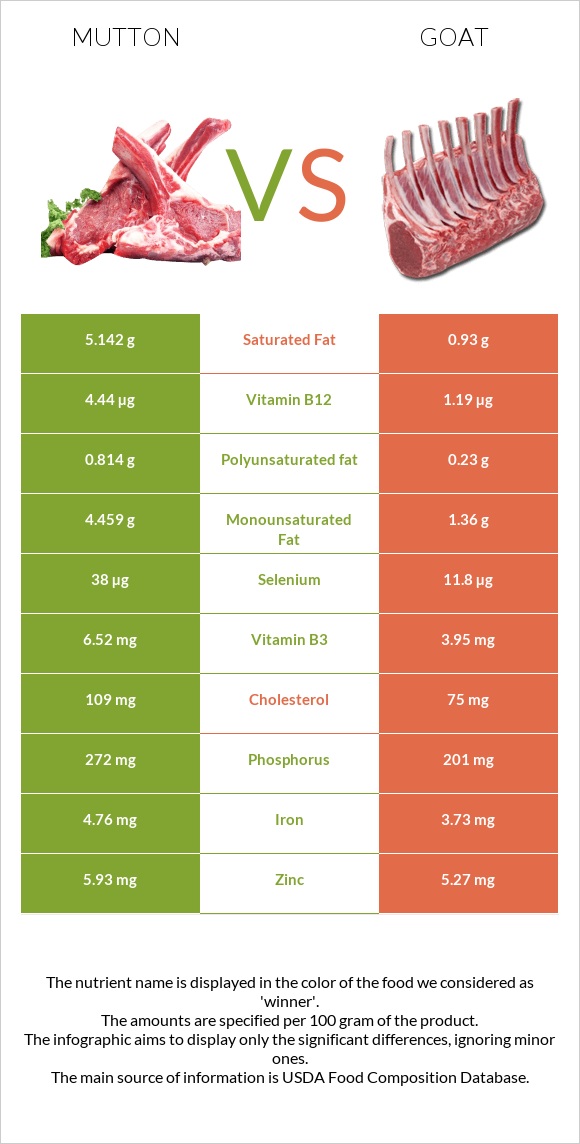
From a consumer’s perspective, the decision between mutton and goat meat often comes down to price, flavor preference, and perceived health benefits. Lamb, and by extension mutton, is often positioned as a premium meat in many markets, commanding a higher price per pound. Goat meat, while often more affordable than lamb, is increasingly valued for its leanness and lower cholesterol profile, appealing to health-conscious consumers. Both are excellent sources of protein, iron, and other essential nutrients. The price difference between them can influence weekly grocery budgets or decisions for special occasions. For a consumer focused on maximizing nutritional value per dollar spent, researching local market prices and cuts is essential.

Ethical and Sustainable Consumption Considerations
Beyond price and nutrition, consumers are increasingly factoring ethical and sustainable practices into their purchasing decisions. Questions about animal welfare, environmental impact (e.g., grazing practices, carbon footprint), and local sourcing influence buying habits. Both sheep and goat farming can be conducted sustainably, with practices like rotational grazing, reduced antibiotic use, and humane treatment appealing to a growing segment of the market. Producers who highlight these aspects can often command premium prices, even for cuts that might otherwise be less expensive. For the consumer, choosing ethically raised mutton or goat meat means aligning their financial expenditure with their values, supporting sustainable agricultural practices, and potentially investing in local economies.
In conclusion, the “difference between mutton and goat” is far more profound than a mere culinary distinction. It encompasses a complex interplay of financial investments, operational strategies, market dynamics, and consumer preferences. For anyone looking to enter the agricultural sector, diversify their income, or simply make informed choices as a consumer, understanding these multifaceted economic differences is the first step toward profitable and sustainable engagement with these versatile livestock animals.
aViewFromTheCave is a participant in the Amazon Services LLC Associates Program, an affiliate advertising program designed to provide a means for sites to earn advertising fees by advertising and linking to Amazon.com. Amazon, the Amazon logo, AmazonSupply, and the AmazonSupply logo are trademarks of Amazon.com, Inc. or its affiliates. As an Amazon Associate we earn affiliate commissions from qualifying purchases.