
In the intricate world of technology, where systems are complex organisms and networks flow like digital circulatory systems, understanding the nuances of compromise is paramount. While the terms “infection” and “disease” are traditionally associated with biological health, they offer a remarkably apt metaphor for describing the various stages and impacts of cyber threats on our digital infrastructure. In the realm of digital security, discerning the subtle yet critical distinction between a system being “infected” and it suffering from a “disease” is not just an academic exercise; it’s fundamental to effective prevention, detection, and remediation strategies.
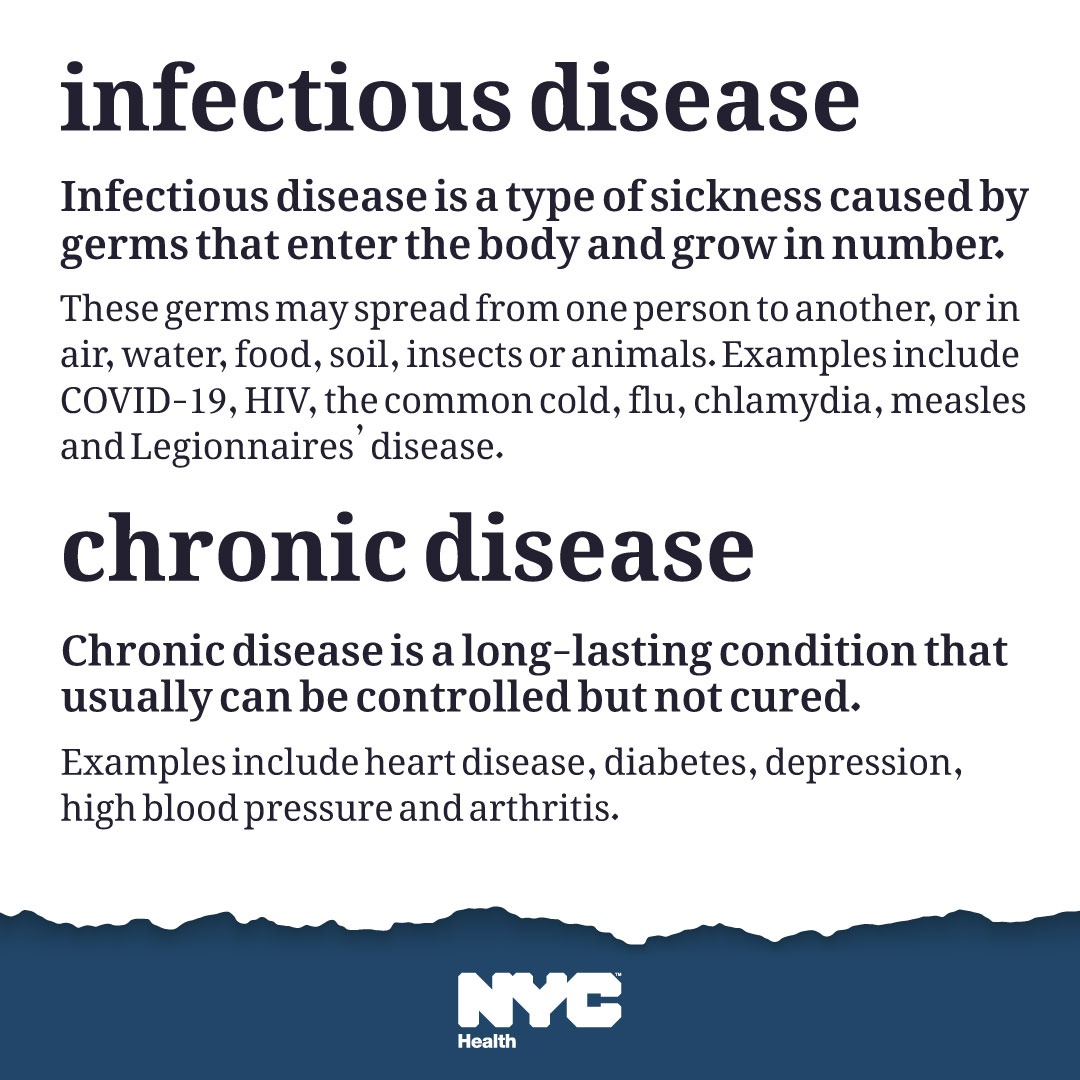
This article delves into these metaphorical concepts, translating biological principles into the language of bytes and networks. We will explore how a digital “infection” represents the initial infiltration and presence of malicious code, often latent or subtly active, while a digital “disease” signifies the full-blown manifestation of that malware’s payload, leading to noticeable performance degradation, data breaches, or complete system incapacitation. By drawing this parallel, we can gain a clearer, more insightful perspective on the lifecycle of cyberattacks and develop more robust defenses for our technological well-being.
The Digital Analogy: Understanding Cyber Threats Through a Biological Lens
The human body’s struggle against pathogens provides a powerful framework for comprehending the dynamics of cyber threats. Just as a biological pathogen seeks to invade and disrupt, so too does malicious software aim to compromise and control digital systems. This analogy helps demystify complex cybersecurity concepts, making them more accessible and actionable for individuals and organizations alike.
Defining Digital Infection: The Silent Intruder
A digital “infection” refers to the initial successful infiltration and presence of malicious software (malware) within a digital system or network. This stage is akin to a pathogen entering a host body; it’s there, but its full destructive potential might not yet be realized. The infection could be a virus attaching itself to a legitimate program, a worm exploiting a vulnerability to spread, a Trojan horse disguised as useful software, or ransomware lying dormant, awaiting a command-and-control signal.
Crucially, a system can be infected without immediately showing overt signs of compromise. The malware might be designed for stealth, collecting information covertly, establishing backdoors, or simply awaiting a specific trigger before launching its primary attack. This silent presence makes detection challenging and often requires sophisticated security tools like Endpoint Detection and Response (EDR) or Intrusion Detection Systems (IDS) to identify anomalies that signal an unwanted guest. The goal of an infection at this stage is often to establish persistence, expand its foothold, or maintain covert surveillance, laying the groundwork for future, more damaging actions. It’s the moment the seed of disruption is planted, whether through a phishing email, a drive-by download, or an unpatched vulnerability.
Defining Digital Disease: The Manifestation of Compromise
If infection is the presence of the pathogen, “digital disease” is the collection of symptoms and the functional impairment that results from that infection. This is when the malicious software begins to actively execute its payload, leading to noticeable and often detrimental effects on the system’s performance, data integrity, security posture, or network operations.
Examples of digital disease symptoms include:
-
System Slowdowns and Instability: Unexplained crashes, freezing, or sluggish application performance.
-
Data Corruption or Loss: Files being encrypted (ransomware), deleted, or altered without user interaction.
-
Unauthorized Network Activity: Excessive outbound traffic, connection attempts to suspicious IPs, or data exfiltration.
-
Security Breaches: Unauthorized access to sensitive data, compromised user accounts, or escalated privileges for attackers.
-
Operational Disruption: Denial-of-service, website defacement, or critical service outages.
-
Monetary Loss: Direct financial theft, extortion (ransomware payments), or costs associated with recovery and reputation damage.
A digital disease signifies that the malware has moved beyond mere presence and is actively fulfilling its harmful purpose. This stage is often more apparent, triggering alerts in monitoring systems and causing tangible problems for users and administrators. Recognizing the symptoms of a digital disease is critical for initiating timely incident response, limiting damage, and preventing further spread.
From Payload to Pandemic: The Lifecycle of a Cyber Malady
Understanding the progression from an initial breach to a full-blown crisis is essential for effective cybersecurity. Like a biological illness, a cyber malady follows a lifecycle, from the moment of exposure to the onset of severe symptoms and, hopefully, recovery.
Stages of Digital Infection: Infiltration to Incubation
The journey of a digital infection typically begins long before any overt symptoms manifest. This multi-stage process highlights the attacker’s methodology and the windows of opportunity for defenders.
-
Infiltration (Exposure): This is the point of entry. It could be a user clicking a malicious link, opening an infected attachment, a system exploit via an unpatched vulnerability, or a compromised credential being used for unauthorized access. The malware gains initial access, often with limited privileges.
-
Execution (Initial Replication/Establishment): Once inside, the malware executes its initial code. This might involve dropping additional components, modifying system settings, creating persistence mechanisms (e.g., startup entries), or elevating privileges. The infection solidifies its presence within the system.
-
Propagation (Spread): Some malware, like worms, actively seek to spread to other systems within the network. Others might remain confined to the initial host but are ready to be leveraged for lateral movement by an attacker. This is the equivalent of a pathogen multiplying and attempting to spread throughout the host or to new hosts.
-
Incubation (Dormancy/Stealth): At this stage, the malware is fully embedded and active but may not be causing obvious harm. It might be monitoring user activity, collecting data, waiting for a specific date/time, or awaiting instructions from a command-and-control server. This “incubation period” can last for days, weeks, or even months, making detection incredibly challenging and highlighting the need for continuous monitoring and threat hunting.
Symptoms of Digital Disease: Recognizing the Warning Signs
Once the incubation period ends, or the attacker decides to activate the payload, the digital infection transitions into a digital disease, characterized by discernible symptoms. Early recognition of these signs is crucial for mitigating damage.

-
Performance Degradation: Your computer becomes unusually slow, applications crash frequently, or system resources (CPU, RAM, disk I/O) are consistently high without apparent reason. This could indicate background processes run by malware.
-
Unusual Network Activity: Your network monitor shows unexpected high data usage, connections to unknown external IPs, or attempts to access restricted internal resources. This often signals data exfiltration or command-and-control communication.
-
System Alterations: New, unrecognized files or programs appear, existing files are modified or deleted, system settings (e.g., homepage, firewall rules) are changed, or strange pop-ups occur. Ransomware is a particularly aggressive form, encrypting files and demanding payment.
-
Security Alarms: Firewall alerts, antivirus notifications, or security event logs showing failed login attempts, unauthorized access, or unusual administrative activity. While these are often good, they can also indicate an active breach attempt.
-
User Account Compromise: Your email account sends spam, social media accounts post unauthorized content, or you find new user accounts created on your system. This points to credential theft and potential identity theft.
-
Device Malfunctions: Peripherals (webcams, microphones) activate unexpectedly, or unusual sounds emanate from your system, which could indicate spyware.
Promptly identifying these symptoms allows for the activation of incident response protocols, helping to contain the disease before it escalates into a catastrophic failure.
Proactive Health vs. Reactive Treatment: Strategies for Digital Wellness
Just as with biological health, managing digital security involves a combination of preventing illnesses and effectively treating them when they occur. A robust cybersecurity posture emphasizes proactive measures to maintain system health and robust reactive plans for rapid recovery.
Preventing Digital Infections: Fortifying Your Defenses
Prevention is always better than cure, and in cybersecurity, this adage holds particularly true. Building strong digital defenses significantly reduces the likelihood of infection.
-
Patch Management: Regularly update operating systems, applications, and firmware. Vulnerability patching is analogous to vaccination, closing known entry points for pathogens.
-
Robust Antivirus/Anti-Malware Solutions: Deploy and maintain reputable security software that offers real-time protection, heuristic analysis, and behavioral detection to catch emerging threats.
-
Firewalls: Configure network and host-based firewalls to restrict unauthorized inbound and outbound traffic, acting as a digital immune system’s first line of defense.
-
Strong Authentication: Implement multi-factor authentication (MFA) and enforce strong, unique passwords to prevent credential-based attacks.
-
Security Awareness Training: Educate users about phishing, social engineering, and safe browsing habits. The human element is often the weakest link, and informed users are better equipped to recognize and avoid traps.
-
Network Segmentation: Divide networks into smaller, isolated segments. This limits lateral movement for attackers, much like quarantining an infected individual to prevent a wider outbreak.
-
Principle of Least Privilege: Grant users and applications only the minimum necessary permissions to perform their functions, reducing the impact of a compromised account.
Treating Digital Diseases: Incident Response and Recovery
Despite the best preventative measures, infections can occur. When a digital disease manifests, a well-defined incident response plan is critical for containment, eradication, and recovery.
-
Identification: Rapidly detect and confirm the presence of a digital disease. This involves monitoring security alerts, analyzing logs, and investigating reported symptoms.
-
Containment: Isolate affected systems or network segments to prevent further spread of the infection. This might involve disconnecting from the network, disabling compromised accounts, or quarantining suspicious files.
-
Eradication: Remove the malicious software and all its remnants from the compromised systems. This can involve cleaning infected files, removing persistence mechanisms, and patching exploited vulnerabilities.
-
Recovery: Restore systems and data to a pre-infection state. This often relies on clean backups, system reimages, and thorough validation to ensure no lingering threats remain.
-
Post-Incident Analysis (Lessons Learned): Analyze the incident to understand how the infection occurred, what vulnerabilities were exploited, and what lessons can be learned to improve future security posture. This feedback loop strengthens the digital immune system over time.
The Broader Impact: Systemic Health and Digital Ecosystems
The distinction between infection and disease extends beyond individual systems to the broader digital ecosystem, highlighting the systemic risks and ripple effects that cyber threats can unleash.
Individual System Sickness vs. Network Epidemics
An infection might initially affect a single device, like a laptop or a server. If undetected and untreated, however, this localized infection can quickly evolve into a “network epidemic.” This occurs when malware leverages its foothold to spread laterally across an organization’s entire network, impacting multiple systems, critical infrastructure, and compromising widespread data. A single infected endpoint can become the patient zero for an organizational-wide digital disease, disrupting operations, exfiltrating vast amounts of data, or encrypting countless files.
Understanding this difference is crucial for scalability in incident response. Treating a single infected laptop is a localized effort. Containing a network-wide outbreak requires coordinated efforts, potentially involving shutting down entire network segments, rapid deployment of patches, and centralized remediation across hundreds or thousands of devices.

The Cost of Digital Disease: Beyond the Technical Glitch
The costs associated with digital disease far exceed the immediate technical fix. When systems become diseased, the repercussions can be profound and multi-faceted:
-
Direct Financial Losses: Ransom payments, cost of new hardware/software, expenses for cybersecurity experts, legal fees, and regulatory fines.
-
Operational Disruption: Downtime leading to lost productivity, inability to serve customers, missed deadlines, and supply chain interruptions.
-
Reputational Damage: Loss of customer trust, negative publicity, and long-term harm to brand image, especially in cases of data breaches.
-
Data Loss and Integrity Issues: Irreversible loss of critical business data or compromised data that can impact decision-making and compliance.
-
Legal and Compliance Penalties: Fines from regulatory bodies (e.g., GDPR, HIPAA) for failing to protect sensitive data.
-
Opportunity Costs: Resources diverted from innovation and core business activities to deal with the cyber incident.
Recognizing the full spectrum of a digital disease’s impact underscores the importance of proactive security investments. It’s not merely about preventing a technical glitch; it’s about safeguarding the entire operational, financial, and reputational health of a digital entity.
In conclusion, while the terms “infection” and “disease” are borrowed from biology, their application to the digital realm provides an invaluable framework for understanding and combating cyber threats. An infection represents the silent presence of malicious code, a potential time bomb within a system. A disease, on the other hand, signifies the active manifestation of that malware’s destructive payload, leading to tangible harm. By diligently working to prevent infections and developing robust strategies to mitigate and recover from digital diseases, individuals and organizations can cultivate a healthier, more resilient digital existence. The future of our interconnected world hinges on our ability to not just understand these distinctions, but to act decisively upon them.
aViewFromTheCave is a participant in the Amazon Services LLC Associates Program, an affiliate advertising program designed to provide a means for sites to earn advertising fees by advertising and linking to Amazon.com. Amazon, the Amazon logo, AmazonSupply, and the AmazonSupply logo are trademarks of Amazon.com, Inc. or its affiliates. As an Amazon Associate we earn affiliate commissions from qualifying purchases.