
In the realm of personal finance and exploring diverse income streams, understanding the nuances between various activities can unlock unexpected opportunities. While often discussed in medical or humanitarian contexts, the act of donating blood and plasma carries distinct financial implications that warrant a closer look, especially for individuals considering them as potential side hustles or supplementary income sources. This article delves into the fundamental differences between giving blood and plasma, not from a purely biological standpoint, but through the lens of personal finance, exploring the economic incentives, time commitments, and overall financial decision-making involved.
Understanding the Core Differences from an Income Standpoint
At first glance, “giving blood” and “giving plasma” might seem like interchangeable terms, both involving voluntary contribution from one’s body for medical purposes. However, when evaluating them as potential sources of income or financial engagement, their operational mechanics and the typical compensation models diverge significantly. Appreciating these distinctions is crucial for anyone looking to incorporate either activity into their financial planning.
Whole Blood Donation: A Purely Altruistic Endeavor
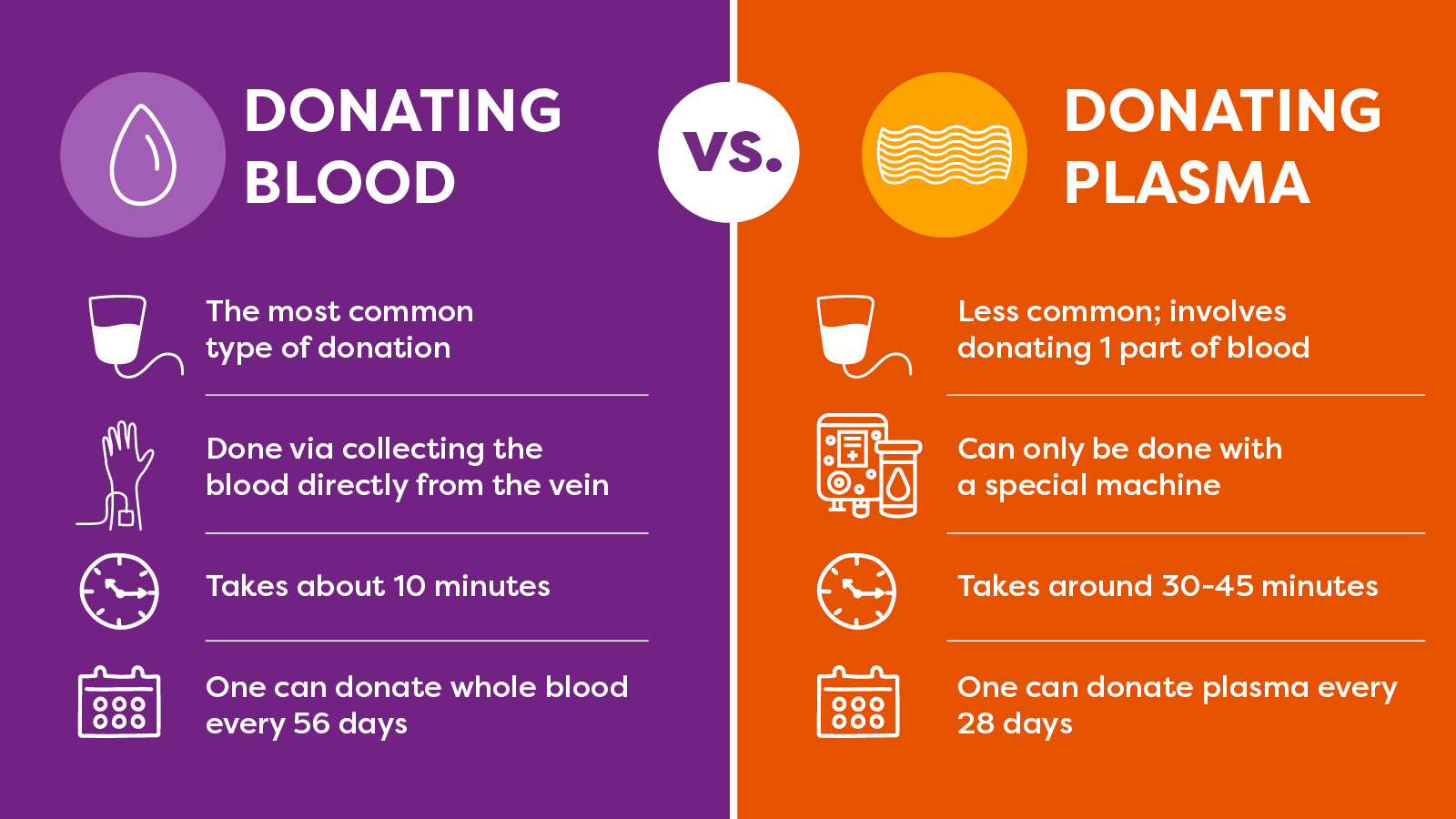
Whole blood donation is the most commonly recognized form of blood contribution. During this process, a donor typically provides about a pint (roughly 470 ml) of whole blood, which contains red cells, white cells, platelets, and plasma. This blood is then processed into its various components to treat patients with different needs.
From a financial perspective, whole blood donation is almost universally an altruistic act. In most countries, including the United States, direct monetary compensation for whole blood donation is illegal or strongly discouraged by regulatory bodies and ethical guidelines to ensure the safety and voluntary nature of the blood supply. The rationale is to prevent individuals who might be financially desperate from concealing health risks to donate, thus safeguarding the integrity of the blood supply.
Therefore, for those exploring avenues for earning income, whole blood donation typically offers no direct financial reward. While donors often receive small tokens of appreciation such as cookies, juice, or t-shirts, these are symbolic gestures and not intended as compensation for the donated blood itself. The primary motivation for whole blood donors remains humanitarian: saving lives. Financially, the “return” on this activity is indirect, potentially encompassing a sense of community contribution, a free health screening (blood pressure, pulse, iron levels), and perhaps a minor tax deduction for time off work if an employer supports it, though this is rare. For a personal finance enthusiast, whole blood donation is an expense of time (typically 30-60 minutes including registration and recovery) with no monetary return, making it unsuitable as a side hustle.
Plasma Donation (Plasmapheresis): The Path to Compensation
Plasma donation, or plasmapheresis, presents a stark contrast to whole blood donation when viewed through a financial lens. Plasma is the liquid component of blood that carries red cells, white cells, and platelets throughout the body. It’s rich in proteins, antibodies, and clotting factors, making it vital for treating various medical conditions, including immune deficiencies, bleeding disorders, and severe burns.
The process of plasma donation is more complex and time-consuming than whole blood donation. During plasmapheresis, blood is drawn from one arm, the plasma is separated from the other blood components by a machine, and the remaining red blood cells and other components are returned to the donor in the same arm or the other. This cyclical process takes longer, typically ranging from 1 to 2 hours per session.
Crucially, plasma donation centers frequently offer financial compensation to donors. This practice is widespread, particularly in the United States, where a significant portion of the global plasma supply originates from paid donors. The reasons for compensation differ from whole blood: plasma is often used to produce specialized pharmaceutical products (fractionated plasma products) that require a consistent and substantial supply. Paying donors helps ensure this supply, and unlike whole blood used for direct transfusions, the manufacturing process for plasma-derived therapies includes extensive purification and viral inactivation steps, which mitigate some of the ethical concerns associated with paid whole blood.
For individuals seeking to supplement their income, plasma donation therefore emerges as a viable option. Compensation varies by location, center, and even by the donor’s weight and donation frequency, but it typically ranges from $30 to $70 per donation, with incentives for new donors or frequent donations. This direct financial reward positions plasma donation firmly within the sphere of potential side hustles, offering a tangible return for one’s time and biological contribution.
The Economics of Plasma Donation as a Side Hustle
Given that plasma donation is the primary avenue for earning income, it’s essential to dissect its economic model to understand its potential as a recurring side hustle. This involves looking at how compensation is structured, the realistic earning potential, and strategies for maximizing that income.
How Compensation Works for Plasma Donors
Plasma donation centers typically employ a tiered compensation structure. New donors often receive higher payments for their first few donations as an incentive to join. Subsequent donations usually follow a consistent rate, though this can vary from week to week or month to month based on center needs. Some centers offer bonuses for reaching certain donation milestones within a specific period (e.g., donating eight times in a month).
Payments are usually made via a reloadable debit card, which is often issued on the first visit. Funds are typically available immediately after the donation is completed, offering quick access to earnings. This immediate liquidity is an attractive feature for many who turn to plasma donation for flexible, accessible income.
It’s important for potential donors to understand that compensation is tied to the volume of plasma collected, which in turn is dependent on the donor’s body weight. Heavier individuals can safely donate more plasma and therefore may receive slightly higher compensation per session. Centers adhere to strict guidelines to ensure donor safety, including minimum weight requirements and maximum donation frequencies (typically twice within a seven-day period, with at least 48 hours between donations).
Calculating the Potential Income: Time vs. Reward
Considering the time commitment (1-2 hours per session) and the typical payment per donation ($30-$70), the hourly wage for plasma donation can be competitive with some entry-level jobs or other basic side hustles. If a donor receives $50 for a 1.5-hour session, this translates to roughly $33 per hour. If they donate twice a week, consistently, that could mean an additional $100 per week, or approximately $400 per month. This amount can significantly contribute to covering small expenses, building an emergency fund, or funding discretionary spending.
However, calculating the “true” hourly wage also requires considering travel time to and from the donation center, which is unpaid. If a round trip takes 30 minutes, the effective hourly rate decreases. For example, a 1.5-hour donation with 30 minutes of travel time makes it a 2-hour commitment for $50, reducing the effective hourly rate to $25. Donors must weigh these factors based on their proximity to a center and their overall schedule flexibility.

Maximizing Your Earning Potential
To maximize income from plasma donation, several strategies can be employed:
-
Consistent Donations: Adhering to the maximum allowed frequency (twice a week) is the most straightforward way to maximize monthly earnings.
-
Utilize New Donor Bonuses: If available, take advantage of higher payouts for initial donations. Some individuals might even consider trying different centers if they are in proximity to benefit from multiple new donor incentives, though this can complicate tracking and eligibility.
-
Referral Programs: Many centers offer referral bonuses if you bring in new donors. This can be a simple way to earn extra cash for minimal effort beyond word-of-mouth.
-
Special Promotions: Keep an eye out for seasonal or specific promotions that centers might run to increase donor turnout, which often include increased compensation for a limited time.
-
Maintain Eligibility: Staying hydrated, eating well, and following all center guidelines for health and frequency ensures you remain eligible to donate, preventing lost income opportunities due to deferrals.
Weighing the Financial Pros and Cons
Like any financial decision, pursuing plasma donation as an income stream comes with its own set of advantages and disadvantages that prospective donors must evaluate.
Financial Benefits and Opportunities
The most apparent financial benefit is the direct cash payment, offering a relatively easy and flexible way to earn money. It doesn’t require specialized skills, significant upfront investment, or a rigid schedule, unlike many other side hustles. For those with limited traditional employment opportunities or unusual working hours, plasma donation can provide a much-needed income supplement. It can also serve as a quick liquidity source, with funds often available on the same day. For college students, individuals between jobs, or those facing unexpected expenses, this immediate financial injection can be incredibly valuable.
Time Commitment and Opportunity Cost
The primary financial drawback is the time commitment. While the hourly rate can be attractive, spending 1-2 hours hooked up to a machine, plus travel time, means that time cannot be spent on other income-generating activities or personal development. This is the “opportunity cost.” For someone who could be earning a higher hourly wage elsewhere, or using that time to acquire skills for a better-paying job, plasma donation might not be the most efficient use of their time from a purely economic standpoint. Donors need to honestly assess what else they could be doing with that time and its potential financial or personal returns.
Health Considerations and Their Financial Implications
While generally safe, plasma donation does have health considerations. Some donors experience fatigue, bruising, or dehydration. Regular monitoring of iron levels and general health is standard, but potential long-term effects of frequent donation are still debated. From a financial perspective, any health issue arising from donation could lead to medical expenses or lost income if it prevents the donor from working or engaging in other activities. It’s crucial for donors to prioritize their health and ensure they are physically fit for donation, understanding that their body is their most valuable asset, financially and otherwise. The minor physical toll, while usually negligible, is still a factor in the overall cost-benefit analysis.
Navigating the Donor Landscape: Practical Financial Tips
For those deciding that plasma donation aligns with their financial goals, a few practical tips can help optimize the experience from a money management perspective.
Finding Reputable Plasma Centers and Understanding Payment Structures
Not all plasma centers are created equal. It’s advisable to research and choose reputable centers that are FDA-licensed (in the US) and have positive donor reviews. Pay close attention to their payment schedules, bonus programs, and how they handle payment (e.g., debit card vs. direct deposit). Some centers might offer better initial bonuses, while others might have higher long-term rates for consistent donors. Comparing these aspects across local centers can help you choose the most financially advantageous option.
Tracking Your Donations and Income for Tax Purposes
Income from plasma donation is taxable. The donation center is typically required to provide a 1099-MISC form if you earn over a certain amount (e.g., $600 in a calendar year in the US). It is crucial for donors to keep meticulous records of their donation dates and the compensation received. This will simplify tax filing and ensure compliance with tax regulations. Failing to report this income could lead to penalties. Treating this income like any other side hustle, with proper record-keeping, is a mark of sound financial management.
Beyond the Transaction: The Broader Financial Impact
While the direct income is appealing, consider the broader financial impact. For some, the consistent, albeit modest, income from plasma donation can be a lifeline, helping to prevent debt, build a small emergency fund, or afford necessities. It can also instill a sense of discipline and responsibility regarding personal health, as maintaining good health is essential for continued donation eligibility. Integrating this income into a larger budget plan – perhaps earmarking it specifically for a savings goal or debt repayment – can transform it from mere extra cash into a strategic component of one’s financial journey.

Conclusion: Making an Informed Financial Decision
The choice between giving whole blood and plasma, when viewed through a financial lens, clearly favors plasma donation for those seeking monetary compensation. Whole blood donation remains a vital, purely altruistic act. Plasma donation, however, has evolved into a well-established mechanism for individuals to earn supplementary income, providing a tangible financial return for their time and biological contribution.
For the financially astute individual, understanding the economic incentives, compensation structures, time commitments, and potential health considerations associated with plasma donation is paramount. It’s a side hustle that requires careful calculation of the hourly wage, consideration of opportunity costs, and diligent record-keeping for tax purposes. By weighing these factors, individuals can make an informed decision that aligns with their personal financial goals, allowing them to leverage their biological capacity not just for the benefit of others, but also for their own economic well-being.
aViewFromTheCave is a participant in the Amazon Services LLC Associates Program, an affiliate advertising program designed to provide a means for sites to earn advertising fees by advertising and linking to Amazon.com. Amazon, the Amazon logo, AmazonSupply, and the AmazonSupply logo are trademarks of Amazon.com, Inc. or its affiliates. As an Amazon Associate we earn affiliate commissions from qualifying purchases.