
Obtaining a credit card is often viewed as a rite of passage in one’s financial journey. It represents a transition into a world of greater purchasing power, emergency safety nets, and the ability to build a robust credit history. However, for many, the process of getting that first “yes” from a financial institution can feel like an opaque and daunting challenge. Whether you are a student just starting out, an immigrant establishing a financial footprint in a new country, or someone looking to rebuild after past financial hurdles, understanding the mechanics of credit card approval is essential.
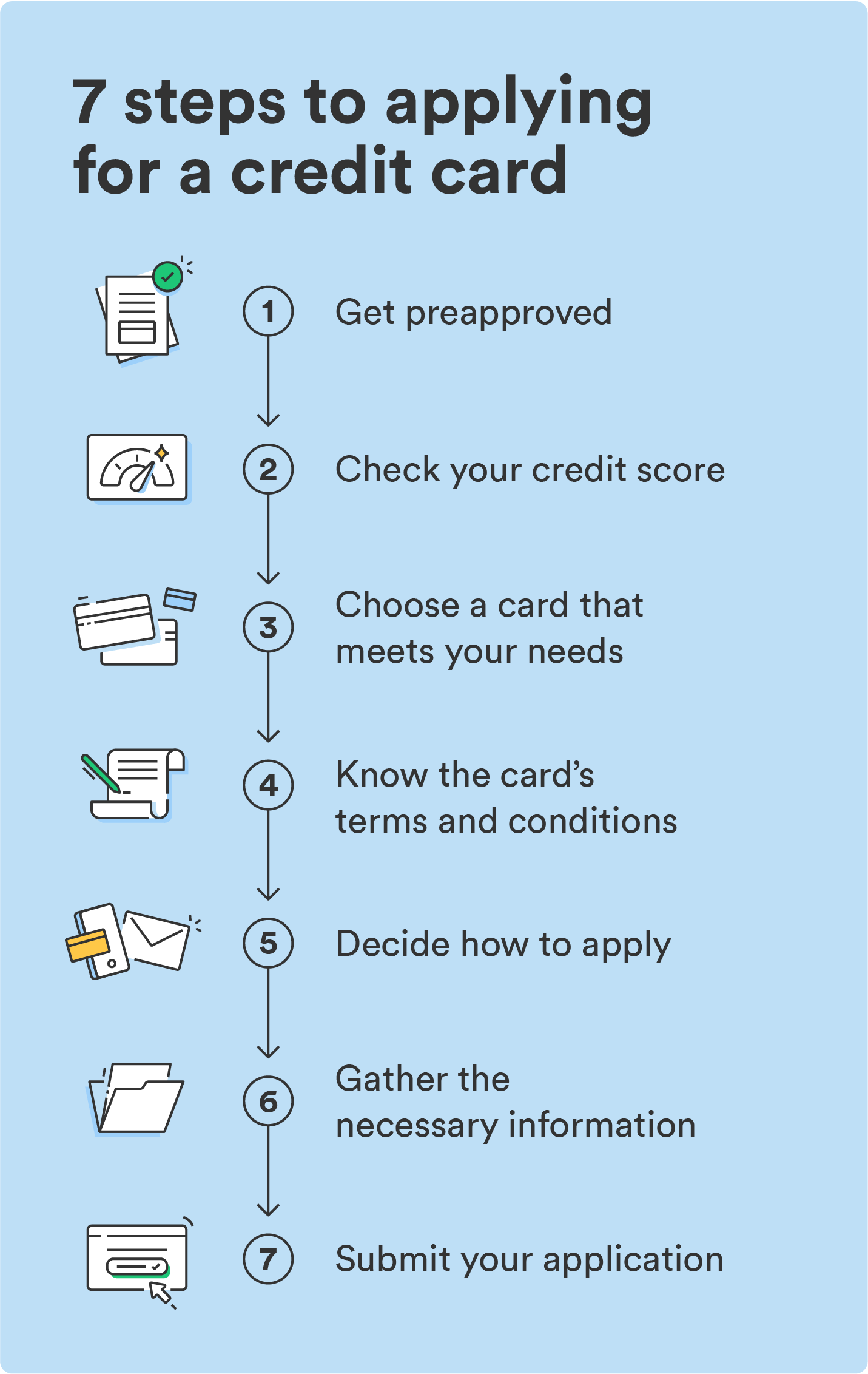
This guide provides a deep dive into the strategic steps required to navigate the world of personal finance, specifically focusing on how to successfully apply for, secure, and manage a credit card.
Understanding the Fundamentals: What Issuers Look For
Before you fill out an application, it is crucial to understand the perspective of the lender. A credit card issuer—usually a bank or credit union—is essentially providing you with an unsecured loan every time you swipe. To mitigate their risk, they evaluate several key pillars of your financial profile.
The Role of Credit Scores and Reports
Your credit score is perhaps the most significant factor in the approval process. In the United States, the FICO score and VantageScore are the two primary models. These scores are calculated based on your credit report, which documents your history of borrowing and repayment. If you have never had a loan or a card, you may have a “thin file” or no score at all. For those with a history, issuers look for high scores (typically 670 or above for “good” credit) to ensure you are a low-risk borrower.
Income Requirements and Debt-to-Income Ratios
Legally, credit card issuers must verify that an applicant has the “ability to pay.” This means you will need to provide an annual income figure. For individuals over 21, this can include shared income from a spouse or partner to which they have reasonable access. Issuers also look at your Debt-to-Income (DTI) ratio. If a large portion of your monthly income is already committed to student loans, car payments, or rent, an issuer may decline your application, fearing that you cannot handle additional revolving debt.
Age and Residency Legalities
In most jurisdictions, you must be at least 18 years old to apply for a credit card. However, due to regulations like the CARD Act of 2009, applicants under 21 often face stricter requirements, such as proving independent income or having a co-signer. Additionally, you will generally need a valid Social Security Number (SSN) or an Individual Taxpayer Identification Number (ITIN), along with a residential address, to complete an application.
Navigating the Application Process: Step-by-Step
Once you understand the criteria, the next step is the actual application. This phase requires research and precision to avoid unnecessary hits to your credit score.
Researching Different Types of Cards
Not all credit cards are created equal. Applying for a high-tier rewards card with no credit history is a recipe for rejection. Instead, match your profile to the right product:
- Student Credit Cards: Designed for college students with little to no credit. They often have lower limits but higher approval odds.
- Secured Credit Cards: These require a refundable security deposit, which usually acts as your credit limit. They are excellent for building or rebuilding credit.
- Retail/Store Cards: Often easier to get than major bank cards, though they usually come with higher interest rates and can only be used at specific retailers.
Gathering Necessary Documentation
To ensure a smooth application process, have your personal information ready. You will typically need your full legal name, date of birth, SSN/ITIN, total annual gross income, and monthly housing payment. Having these figures accurate is vital; discrepancies between your application and your credit report can trigger fraud alerts or automatic denials.
The Online Application vs. In-Person Visits
While most applications are processed online for speed and convenience, visiting a local branch where you already have a checking or savings account can be beneficial. Banks often favor existing customers. A “pre-qualification” tool on a bank’s website is also a powerful resource. It allows you to see which cards you are likely to be approved for via a “soft pull,” which does not damage your credit score.
Strategies for Those with No Credit or Poor Credit
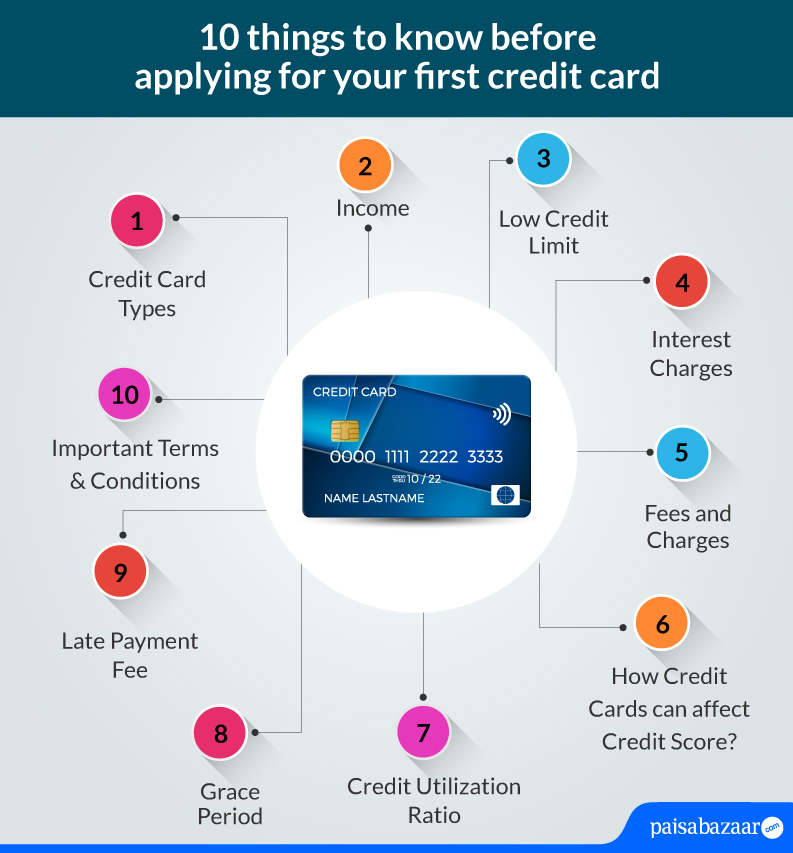
If your credit history is non-existent or marred by past mistakes, the traditional path to a credit card might be blocked. In these instances, you must utilize specific financial tools designed to bridge the gap.
The Power of Secured Credit Cards
A secured card is the most reliable “stepping stone” in personal finance. Because you provide a deposit (for example, $200), the bank takes on zero risk. If you fail to pay, they keep the deposit. However, the card functions exactly like a normal credit card, and the issuer reports your payments to the credit bureaus. After 6 to 12 months of responsible use, many issuers will “graduate” the card to an unsecured version and return your deposit.
Becoming an Authorized User
If you have a trusted family member with a long-standing credit account in good standing, they can add you as an “authorized user.” You don’t even need to use the physical card; the history of that account—including its age and payment record—will often appear on your credit report. This can provide an immediate and significant boost to your score, making it easier to qualify for your own card later.
Credit Builder Loans and Alternative Fintech Solutions
Some financial institutions offer “credit builder loans.” The money you borrow is held in a locked savings account while you make monthly payments. Once the loan is paid off, you get the money back, and your consistent payment history is reported to the bureaus. Additionally, some modern fintech companies offer cards that link to your bank account and use your cash flow (income vs. spending) rather than a FICO score to determine eligibility.
Maximizing Approval Odds and Avoiding Common Pitfalls
Applying for credit is a strategic game. Every time you submit an official application, the lender performs a “hard inquiry” on your credit report, which can temporarily lower your score by a few points.
Hard Inquiries and Why Timing Matters
A common mistake is “shotgunning” applications—applying for multiple cards in a short period. To an issuer, this looks like financial desperation, which is a major red flag. If you are rejected for a card, do not immediately apply for another. Wait at least three to six months to allow your score to recover and to address the reasons for the initial rejection.
How to Respond to a Rejection
If you receive a denial, the law requires the lender to send you an “Adverse Action Notice” explaining why. Instead of giving up, call the bank’s reconsideration line. This connects you with a human underwriter. You can explain your situation, highlight your steady income, or clarify a mistake on your credit report. Many rejections are overturned during these brief, professional conversations.
Long-Term Credit Management: Beyond the Approval
Getting the card is only the beginning. The way you manage that card will determine your financial opportunities—such as mortgage rates and insurance premiums—for years to come.
Maintaining a Low Credit Utilization Ratio
Credit utilization is the amount of credit you are using compared to your total limit. If you have a $1,000 limit and carry a $900 balance, your utilization is 90%, which signals high risk to lenders. To maintain a healthy score, aim to keep your utilization below 30%, and ideally below 10%. Paying your balance in full every month is the single best way to manage this.
The Importance of On-Time Payments
Payment history is the most significant component of your credit score, accounting for roughly 35% of the total. Even one payment that is 30 days late can cause a score to plummet by 60 to 100 points. Set up automatic payments for at least the minimum amount due to ensure you never miss a deadline, though paying the full statement balance is always recommended to avoid high-interest charges.

Monitoring for Identity Theft and Errors
Once you have a credit card, you are part of the global financial ecosystem, which unfortunately comes with risks. Regularly monitor your credit reports (available for free via AnnualCreditReport.com) to ensure no fraudulent accounts have been opened in your name. Early detection of errors or fraud can save you months of financial headaches.
In conclusion, getting a credit card is a process that requires a blend of preparation, patience, and strategic action. By understanding the criteria used by lenders, choosing the right product for your current situation, and committing to responsible management habits, you can unlock a powerful tool that serves your financial goals rather than hindering them. Remember, a credit card is not just a way to spend money—it is a foundation upon which your financial reputation is built.
aViewFromTheCave is a participant in the Amazon Services LLC Associates Program, an affiliate advertising program designed to provide a means for sites to earn advertising fees by advertising and linking to Amazon.com. Amazon, the Amazon logo, AmazonSupply, and the AmazonSupply logo are trademarks of Amazon.com, Inc. or its affiliates. As an Amazon Associate we earn affiliate commissions from qualifying purchases.