
In the complex and ever-evolving landscape of healthcare finance, understanding the mechanisms that dictate reimbursement and revenue is paramount for providers. Among these, the Merit-based Incentive Payment System, or MIPS, stands as a cornerstone of the Centers for Medicare & Medicaid Services’ (CMS) value-based care initiatives. Far from being a mere administrative hurdle, MIPS is a sophisticated financial framework designed to incentivize higher quality, more efficient patient care through a system of financial rewards and penalties. For any healthcare organization, from solo practices to large hospital systems, comprehending and strategically navigating MIPS is not just about compliance; it’s about safeguarding and enhancing financial viability in a progressively outcomes-driven market.
This article delves into MIPS, dissecting its core components, revealing its profound financial implications, and outlining strategic approaches for maximizing its benefits. We will explore how MIPS transforms the traditional fee-for-service model, pushing providers to invest in quality and efficiency, ultimately reshaping the financial architecture of healthcare delivery.
Understanding MIPS: The Financial Shift to Value-Based Reimbursement
The advent of MIPS marked a significant paradigm shift from the volume-centric fee-for-service model to a value-based reimbursement system. Historically, healthcare providers were paid for the quantity of services rendered, irrespective of patient outcomes or cost efficiency. This approach, while straightforward, inadvertently led to escalating healthcare costs and inconsistent quality. MIPS, mandated by the Medicare Access and CHIP Reauthorization Act of 2015 (MACRA), was introduced to fundamentally alter this dynamic, linking a portion of Medicare Part B payments directly to a provider’s performance across several key categories.
At its core, MIPS is a financial incentive program. It consolidates and streamlines previous quality programs (Physician Quality Reporting System, Medicare EHR Incentive Program, and Value-Based Payment Modifier) into a single, comprehensive system. Eligible Clinicians (ECs), which include physicians, physician assistants, nurse practitioners, clinical nurse specialists, certified registered nurse anesthetists, and others, are evaluated based on their performance data. This evaluation culminates in a MIPS Final Score, which then dictates a positive, neutral, or negative adjustment to their future Medicare Part B reimbursements. This direct financial leverage is what makes MIPS a critical element of business finance in healthcare, compelling organizations to strategically allocate resources towards performance improvement.
The primary goal of MIPS is to encourage providers to deliver high-quality, cost-effective care that improves patient outcomes and reduces overall healthcare spending. By tying financial remuneration to demonstrated value, CMS aims to foster a healthcare environment where efficiency, patient satisfaction, and clinical excellence are directly rewarded, thereby creating a more sustainable and patient-centered financial model for the entire system.
The Evolution of Healthcare Economics
The journey from fee-for-service to value-based care reflects a broader evolution in healthcare economics. Governments and payers globally are increasingly seeking mechanisms to control costs while improving care quality. MIPS represents the U.S. federal government’s major stride in this direction for Medicare beneficiaries. For individual practices and large health systems, this means a fundamental re-evaluation of financial strategies. No longer can organizations simply focus on maximizing billable services; instead, they must invest in infrastructure, technology, and processes that facilitate superior outcomes and efficient resource utilization, as these are now directly tied to their revenue streams.
This economic shift demands greater financial transparency, sophisticated data analytics capabilities to track performance, and a willingness to invest in quality improvement initiatives that may not yield immediate returns but are essential for long-term financial health under MIPS.
The Four Pillars of MIPS: Navigating Performance Categories for Financial Gain
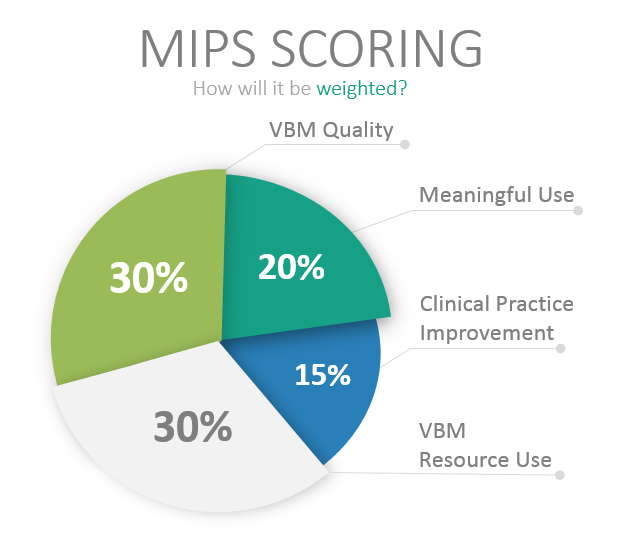
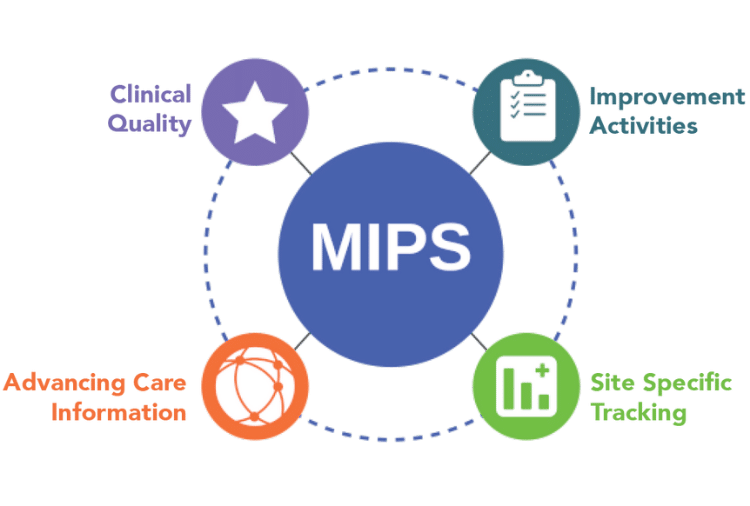
MIPS evaluates eligible clinicians across four distinct performance categories, each weighted differently and contributing to the overall MIPS Final Score. Understanding these categories is crucial for strategically allocating resources and optimizing performance to secure a positive payment adjustment. Each category represents an area where financial investment and diligent management can directly impact the reimbursement received.
1. Quality (30% of Final Score)
The Quality category assesses how well clinicians furnish care compared to quality measures established by CMS. Providers select from a comprehensive list of measures relevant to their specialty, reporting on outcomes, processes, patient safety, and patient experience. This category replaced the Physician Quality Reporting System (PQRS) and emphasizes patient-centered care.
- Financial Impact: High performance in Quality means demonstrating superior patient outcomes and adherence to best practices, which directly contributes to a higher MIPS score and thus a potentially larger positive payment adjustment. Conversely, underperformance can lead to penalties. Practices must strategically invest in quality improvement initiatives, staff training, and data collection systems to accurately track and report these measures. This often requires upfront financial commitments in terms of technology, personnel, and process redesign, which are essential investments for long-term financial returns under MIPS.
2. Promoting Interoperability (PI) (25% of Final Score)
The PI category measures the use of certified electronic health record (EHR) technology to improve patient engagement and the electronic exchange of health information. It focuses on how providers leverage technology to securely share data, provide patients with access to their health information, and engage in public health reporting.
- Financial Impact: This category underscores the necessity of robust EHR systems and competent IT infrastructure. Non-compliance or poor performance can lead to significant deductions, as it signifies a failure to meet fundamental digital healthcare requirements. Practices must invest financially in compliant EHR systems, ensure staff proficiency, and potentially secure cybersecurity measures to protect patient data. The cost of upgrading or maintaining certified EHR technology and training staff is a direct financial investment aimed at securing PI points and contributing to a favorable MIPS adjustment.
3. Improvement Activities (IA) (15% of Final Score)
The IA category awards points for participation in activities that improve clinical practice, such as care coordination, patient engagement, and patient safety. These activities are designed to foster continuous improvement within a practice, often requiring minimal data submission but significant operational changes.
- Financial Impact: While seemingly less data-intensive, participating in IAs often requires an investment of time, personnel, and process redesign. For example, implementing a new care coordination strategy might involve hiring dedicated staff or investing in new communication platforms. These operational investments, though sometimes indirect, are critical for earning points in this category and contributing to the overall MIPS score, thereby impacting the eventual payment adjustment. Strategic selection of high-value improvement activities can optimize financial returns by leveraging existing resources or making targeted, impactful new investments.
4. Cost (30% of Final Score)
The Cost category assesses the total cost of care per patient relative to other providers, without requiring any data submission from the clinician. CMS calculates this category using Medicare claims data, focusing on measures like total per capita costs for beneficiaries and specific episode-based costs.
- Financial Impact: This category directly measures a practice’s financial efficiency and resource utilization. Performing well in Cost means delivering effective care at a lower expenditure compared to peers. This requires practices to meticulously manage resource allocation, optimize patient pathways, and minimize unnecessary tests or procedures. The financial implications are twofold: achieving better cost efficiency not only boosts the MIPS score but also inherently reduces operational expenses, leading to greater profitability. Investment in care management programs, judicious prescribing, and efficient referral networks can lead to significant financial returns in this category.
Financial Implications and Incentives: Maximizing Reimbursement

The ultimate outcome of a practice’s MIPS performance is a payment adjustment applied to their Medicare Part B reimbursements two years later. This adjustment can be positive, neutral, or negative, directly impacting the practice’s revenue and bottom line. Understanding how these adjustments are calculated and applied is fundamental to managing business finance in healthcare under MIPS.
The Payment Adjustment Mechanism
CMS sets a MIPS performance threshold each year. If a clinician’s MIPS Final Score is above this threshold, they receive a positive payment adjustment. If their score is below the threshold, they receive a negative adjustment. Scores at the threshold receive a neutral adjustment. The magnitude of the positive or negative adjustment is tied to how far above or below the threshold the score falls, up to a maximum adjustment percentage determined annually by CMS. Exceptional performers who score above an additional “exceptional performance threshold” can receive an even greater positive adjustment, funded from a separate pool.
- Revenue Volatility: For practices heavily reliant on Medicare Part B payments, MIPS introduces a significant element of revenue volatility. A substantial negative adjustment can severely impact cash flow, hinder investment in new technologies, or even threaten the practice’s solvency. Conversely, consistent high performance can lead to a reliable stream of additional revenue, enabling growth, staff retention, and further investment in quality improvement. This necessitates robust financial modeling and forecasting to anticipate potential MIPS adjustments.
Investment in Compliance and Performance
Achieving a high MIPS score often requires strategic financial investments. These can include:
-
Technology Upgrades: Investing in certified EHR systems, interoperability tools, and data analytics platforms to meet PI requirements and efficiently track quality measures.
-
Personnel and Training: Hiring dedicated staff (e.g., MIPS coordinators, data analysts, care managers) or providing extensive training to existing staff on MIPS reporting, quality improvement, and efficient care delivery.
-
Process Improvement: Redesigning clinical workflows to optimize patient outcomes, reduce waste, and improve care coordination, all of which contribute to better Quality and Cost scores.
-
Reporting Tools and Services: Utilizing third-party MIPS reporting services or consultants to ensure accurate and timely data submission, reducing the risk of penalties due to administrative errors.
These investments, while potentially significant upfront, are crucial for securing positive MIPS adjustments and ensuring the long-term financial health of the practice. They represent a strategic allocation of capital aimed at maximizing future revenue streams.
Strategic Approaches to MIPS Success: Investment and Planning
Effective MIPS participation requires more than just meeting minimum requirements; it demands a proactive, strategic approach integrated into the practice’s overall financial and operational planning. For healthcare entities, MIPS is not an optional add-on but an intrinsic part of their financial strategy.
1. Data-Driven Financial Management
A foundational strategy for MIPS success is the adoption of robust data analytics. Practices must invest in systems that can accurately collect, analyze, and report performance data across all four MIPS categories. This means leveraging EHR capabilities, integrating with claims data, and potentially utilizing specialized MIPS tracking software.
- Investment in Analytics: Financial investment in data warehousing, business intelligence tools, and data analytics personnel allows practices to identify areas of underperformance, understand cost drivers, and pinpoint opportunities for quality improvement. This insight is invaluable for making informed financial decisions regarding resource allocation and targeted interventions.
2. Proactive Performance Monitoring and Adjustment
Rather than waiting for the annual MIPS score, practices should implement continuous performance monitoring. Regularly reviewing key performance indicators (KPIs) related to quality, interoperability, improvement activities, and cost allows for timely adjustments to clinical workflows, patient management protocols, and staff training.
- Budgeting for Flexibility: Financial planning should include contingencies for making mid-year operational adjustments. This might involve reallocating budget to specific improvement projects, investing in additional training, or even hiring temporary staff to address a performance gap identified through ongoing monitoring. Such flexibility is a crucial financial safeguard.
3. Strategic Quality and Cost Initiatives
Practices should strategically select quality measures and improvement activities that align with their patient population, clinical strengths, and existing operational capabilities. For the Cost category, a focus on reducing unnecessary utilization, promoting preventive care, and managing chronic diseases effectively can yield substantial financial benefits.
- ROI-Driven Project Selection: When considering quality improvement projects or new technology investments, practices should conduct a return on investment (ROI) analysis that considers both the direct MIPS impact (potential positive adjustment) and indirect benefits (improved patient outcomes, reduced readmissions, enhanced reputation). This ensures that financial resources are deployed in the most impactful way.
4. Engaged Leadership and Staff Education
MIPS success is a team effort. Leadership must champion the importance of MIPS, communicating its financial implications to all staff. Investing in comprehensive education and training ensures that every team member understands their role in contributing to the practice’s MIPS performance.
- Financial Incentive Programs for Staff: Some practices choose to tie internal staff incentives to MIPS performance, financially aligning individual efforts with the organization’s MIPS goals. This can motivate staff to engage more actively in quality improvement and efficient care delivery.
The Future of MIPS and Healthcare Reimbursement: Evolving Financial Landscapes
MIPS is not a static program; it evolves annually, with CMS continually refining measures, performance thresholds, and weighting of categories. Healthcare organizations must remain agile and forward-thinking in their financial and operational planning to adapt to these changes. The long-term trajectory suggests an increasing emphasis on population health management, greater accountability for patient outcomes, and a continued push towards value over volume.
The program also offers pathways for advanced alternative payment models (APMs) for clinicians who participate in value-based care models that take on more financial risk. These APMs often provide higher upside potential and reduced reporting burdens, presenting another avenue for financial optimization for eligible practices willing to embrace more comprehensive risk-sharing arrangements.
For healthcare providers, MIPS is an undeniable financial reality. It transforms quality and efficiency into currency, making strategic investment in these areas not just good clinical practice, but imperative for sustained financial health. By embracing data-driven decision-making, proactive management, and continuous improvement, healthcare organizations can navigate the complexities of MIPS, secure their financial future, and thrive in the evolving landscape of value-based care.
aViewFromTheCave is a participant in the Amazon Services LLC Associates Program, an affiliate advertising program designed to provide a means for sites to earn advertising fees by advertising and linking to Amazon.com. Amazon, the Amazon logo, AmazonSupply, and the AmazonSupply logo are trademarks of Amazon.com, Inc. or its affiliates. As an Amazon Associate we earn affiliate commissions from qualifying purchases.