
In an era increasingly defined by data and digital transformation, even the most fundamental aspects of human health are being re-examined through a technological lens. Understanding diagnostic results, such as a high MCV (Mean Corpuscular Volume) in a blood test, is no longer solely about medical interpretation in a sterile lab; it’s about leveraging advanced technology to gain deeper insights, manage health proactively, and empower individuals with actionable information. This article delves into what a high MCV signifies, but more importantly, explores how cutting-edge technology—from AI-driven analytics to integrated digital health platforms—is revolutionizing our comprehension and response to such vital health indicators.
The Core of Diagnostic Insights: Understanding MCV and Its Implications
Before we dissect the technological layers, it’s crucial to grasp the medical foundation. A complete blood count (CBC) is a routine blood test that provides a wealth of information about the cells in your blood, including red blood cells, white blood cells, and platelets. Among these, the Mean Corpuscular Volume (MCV) is a critical parameter that offers insight into the average size of your red blood cells.
What is MCV (Mean Corpuscular Volume)?
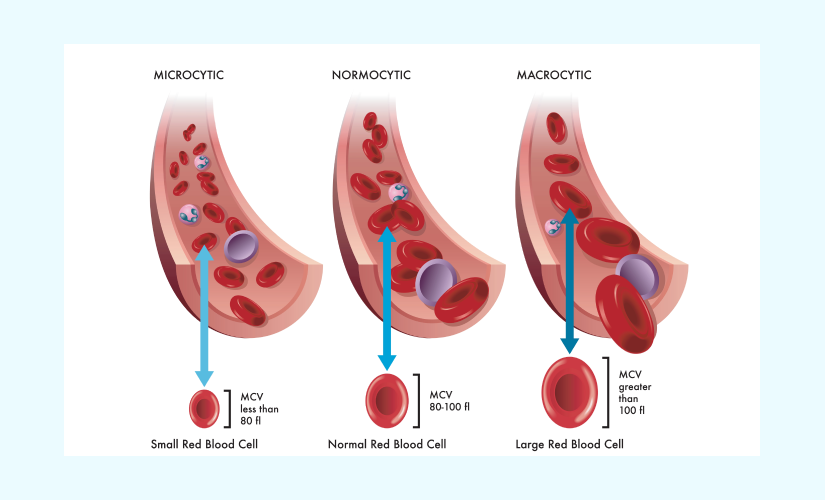
MCV stands for Mean Corpuscular Volume, a measurement that indicates the average size of your red blood cells. These cells are vital for transporting oxygen from your lungs to the rest of your body. The MCV value helps doctors classify anemia (a condition where your blood lacks healthy red blood cells) and other blood disorders. Normal MCV values typically fall within a specific range, often between 80 and 100 femtoliters (fL). Deviations from this range can signal underlying health issues.
When MCV is High: Initial Medical Considerations
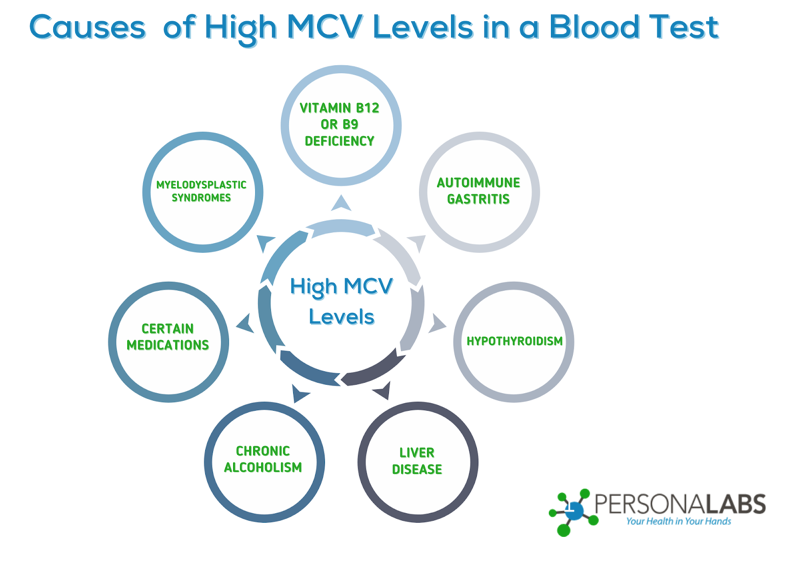
When your MCV is high, it means your red blood cells are larger than average. This condition is medically known as macrocytosis. A high MCV is not a diagnosis in itself but rather an indicator that prompts further investigation. Common causes for elevated MCV include:
-
Vitamin B12 Deficiency: Vitamin B12 is essential for red blood cell production. A lack of it can lead to the production of larger, immature red blood cells.
-
Folate (Folic Acid) Deficiency: Similar to B12, folate is crucial for DNA synthesis and red blood cell maturation.
-
Liver Disease: The liver plays a vital role in metabolism and blood production. Liver dysfunction can affect red blood cell size.
-
Alcohol Abuse: Chronic excessive alcohol consumption can interfere with nutrient absorption and red blood cell formation.
-
Hypothyroidism: An underactive thyroid can sometimes lead to macrocytosis.
-
Certain Medications: Some drugs, particularly those used in chemotherapy or antiretroviral therapy, can cause a high MCV.
-
Myelodysplastic Syndromes (MDS): These are a group of bone marrow disorders where the bone marrow doesn’t produce enough healthy blood cells.
Understanding these potential causes forms the bedrock of medical diagnosis. However, in the digital age, the process of arriving at these insights, communicating them, and managing the associated health journey is profoundly influenced by technology.
Leveraging Technology for Enhanced Blood Test Interpretation
The era of merely receiving a printed lab report and waiting for a doctor’s explanation is slowly giving way to a more dynamic, technologically-driven approach to health data. From the moment a blood sample is analyzed to when a patient receives and understands their results, technology plays an increasingly pivotal role in streamlining processes, improving accuracy, and enhancing user comprehension.
Digital Health Platforms: Centralizing Your Diagnostic Data
One of the most significant technological advancements has been the rise of digital health platforms. Electronic Health Records (EHRs) and Electronic Medical Records (EMRs) are now standard in most healthcare systems, consolidating patient data, including blood test results like MCV, into easily accessible digital formats. Beyond clinical systems, patient portals and dedicated health apps are empowering individuals to access their own lab results directly.
These platforms offer:
-
Centralized Access: Patients can view their MCV values, historical trends, and compare them against reference ranges from anywhere with an internet connection.
-
Data Integration: They integrate results from various tests over time, painting a longitudinal picture of health rather than isolated snapshots. This is crucial for tracking changes in MCV and assessing the efficacy of treatments.
-
Secure Sharing: Facilitates secure sharing of results with specialists or other healthcare providers, reducing redundancy and improving coordinated care.
Imagine an app that not only displays your current MCV but also overlays it with previous results, highlighting significant shifts and perhaps even correlating it with dietary changes or medication timings you’ve logged. This level of personalized data presentation transforms raw numbers into a narrative of your health journey.
AI and Machine Learning in Hematology: Beyond the Manual Read
The diagnostic process for blood tests, traditionally reliant on human observation and manual analysis, is undergoing a profound transformation with Artificial Intelligence (AI) and Machine Learning (ML). These technologies are not just assisting but are actively augmenting the capabilities of hematologists and lab technicians.
-
Automated Image Analysis: AI algorithms can analyze microscopic images of blood cells with unparalleled speed and accuracy. For conditions causing a high MCV, such as macrocytic anemia, AI can quickly identify abnormally large red blood cells, quantify their prevalence, and even detect subtle morphological changes that might be missed by the human eye, especially during high-volume screening.
-
Pattern Recognition for Early Detection: ML models can be trained on vast datasets of blood test results, correlating specific MCV values with other blood parameters (e.g., hemoglobin, MCH, RDW) and patient demographic information to identify patterns indicative of underlying conditions (e.g., distinguishing between B12 deficiency and liver disease based on a broader panel of markers). This can aid in earlier and more precise diagnosis.
-
Personalized Risk Assessment: AI can process an individual’s entire medical history, genetic data (if available), and lifestyle information alongside their MCV results to provide a personalized risk assessment for conditions associated with macrocytosis. This moves beyond general guidelines to highly tailored insights.
While human expertise remains paramount for diagnosis and treatment planning, AI acts as an intelligent co-pilot, enhancing efficiency, reducing diagnostic errors, and uncovering insights that might otherwise remain hidden in complex data sets.
Wearable Tech and Continuous Monitoring: Pre-emptive Data Collection
While current wearable technology doesn’t directly measure MCV, its evolution points towards a future where continuous, non-invasive monitoring could provide pre-emptive insights into conditions affecting blood parameters. Wearables tracking sleep patterns, activity levels, heart rate variability, and even specific biomarkers (e.g., glucose) can contribute to a holistic data picture that might indirectly signal changes related to issues like nutritional deficiencies or liver stress, which in turn could influence MCV.
-
Early Symptom Detection: A wearable detecting prolonged fatigue, irregular sleep, or unusual changes in activity levels could prompt a user to consult a doctor, who might then order a blood test revealing a high MCV, allowing for earlier intervention.
-
Lifestyle Correlation: Data from wearables can be integrated with digital health platforms to correlate lifestyle factors (e.g., alcohol intake logged manually, or inferred from activity patterns) with MCV trends, helping patients and doctors understand potential causal links.
-
Future Biometric Sensors: Research is ongoing into non-invasive ways to monitor various blood components. While direct MCV measurement via a wearable is still futuristic, advancements in sensor technology could eventually lead to devices that provide real-time, indicative data, moving us towards truly proactive health management.
From Raw Data to Actionable Insights: The Role of Digital Tools
The true power of technology in health diagnostics lies not just in collecting and analyzing data, but in transforming that data into something meaningful and actionable for the patient. Digital tools bridge the gap between complex medical jargon and understandable, personalized health guidance.
User-Friendly Interfaces for Complex Medical Data
Medical reports can be daunting, filled with acronyms, reference ranges, and technical terms. Digital health tools are designed to simplify this complexity. Apps and patient portals now often feature:
-
Visualizations: Graphs and charts that show MCV trends over time, clearly indicating whether results are within, above, or below the normal range.
-
Plain Language Explanations: Instead of just showing “MCV High,” these interfaces often provide concise, easy-to-understand explanations of what MCV is, what a high result might mean, and what the next steps could be, often sourced from reputable medical databases.
-
Educational Resources: Links to trusted articles, videos, or FAQs about conditions associated with high MCV (e.g., B12 deficiency, liver health), empowering patients to learn more at their own pace.
This demystification of medical data is crucial for patient engagement and understanding, fostering a sense of control over one’s health journey.
Predictive Analytics and Personalized Health Management
Beyond simply explaining current results, technology is enabling predictive analytics that can forecast potential health trajectories and offer personalized recommendations.
-
Risk Prediction: Based on historical MCV data, other blood markers, demographic information, and even genetic predispositions, AI algorithms can estimate the likelihood of developing certain conditions or progressing in severity. For example, if a patient consistently shows a high MCV combined with other subtle markers, the system might flag a higher risk for specific nutritional deficiencies or liver issues.
-
Tailored Interventions: If a high MCV is linked to a likely B12 deficiency, a smart health app might suggest dietary changes, supplement recommendations, or trigger a reminder for follow-up testing, all tailored to the individual’s profile. These recommendations can adapt as new data comes in, creating a dynamic feedback loop for health management.
-
Proactive Lifestyle Adjustments: For individuals with risk factors for conditions affecting MCV (e.g., those with a family history of liver disease or a history of alcohol use), digital tools can offer personalized lifestyle coaching, goal setting, and progress tracking to mitigate risks proactively.
This moves healthcare from a reactive model (treating illness after it occurs) to a more proactive, preventative one, guided by intelligent data analysis.
Telemedicine and Remote Consultations: Bridging the Information Gap
The ability to discuss blood test results with a healthcare professional has been significantly enhanced by telemedicine. For a high MCV result, a virtual consultation can be just as effective as an in-person visit for initial discussions, particularly when follow-up tests or lifestyle modifications are the primary recommendations.
-
Convenience and Accessibility: Patients can receive explanations and guidance on their MCV results from the comfort of their home, overcoming geographical barriers and reducing the need for unnecessary travel.
-
Efficient Follow-ups: For monitoring MCV trends or discussing the effectiveness of treatment, telemedicine offers an efficient way to check in with a doctor without disrupting daily routines.
-
Integrated Communication: Telehealth platforms often integrate directly with EHRs, allowing doctors to easily access a patient’s MCV results during the consultation, share their screen to highlight specific data points, and send follow-up instructions or prescriptions digitally.
This seamless digital interaction ensures that medical guidance is accessible and timely, directly impacting how patients act upon their diagnostic information.
The Future of Personalized Diagnostics: Integrating MCV into a Holistic Digital Health Ecosystem
The trajectory of health technology points towards an increasingly integrated and personalized healthcare ecosystem. Understanding a high MCV will be just one data point within a vast network of information, all working together to create a comprehensive, real-time picture of an individual’s health.
The Interconnected Clinic: EHRs and Data Sharing for Better Care
The future envisions truly interconnected clinics where all health data, including MCV results, specialist reports, genetic information, and even lifestyle data from wearables, flows seamlessly across different providers and systems. This interoperability will enable:
-
Holistic Patient Profiles: Doctors will have immediate access to a complete, up-to-date patient profile, leading to more informed diagnoses and treatment plans for conditions associated with high MCV.
-
Reduced Medical Errors: A unified data view minimizes the risk of fragmented information leading to misdiagnosis or suboptimal care.
-
Population Health Insights: Aggregated, anonymized data from millions of MCV tests and associated diagnoses can provide invaluable insights for public health initiatives, identifying trends and risk factors on a much larger scale.
Empowering Patients: Tools for Proactive Health Management
Technological advancements will continue to empower patients, transforming them from passive recipients of care into active participants in their health management. Future tools will likely offer:
-
Intelligent Digital Companions: AI-powered health assistants that can interpret MCV results in context, answer specific questions, and provide personalized coaching based on medical guidelines and individual data.
-
Gamified Health Goals: Engaging applications that make managing conditions linked to high MCV (e.g., adhering to a B12 regimen, moderating alcohol) more interactive and rewarding.
-
Peer Support Networks: Digitally facilitated communities where individuals with similar health profiles can share experiences and support each other, moderated by AI to ensure accurate and safe information exchange.

Ethical AI and Data Security in Medical Diagnostics
As technology becomes more deeply embedded in health diagnostics, the ethical considerations surrounding data privacy, security, and algorithmic bias become paramount.
-
Robust Cybersecurity: Protecting sensitive medical data, including MCV results, from breaches and unauthorized access will be a continuous challenge requiring state-of-the-art encryption and security protocols.
-
Algorithmic Transparency: Ensuring that AI models used for diagnosing or predicting conditions related to high MCV are transparent, explainable, and free from biases that could lead to health disparities.
-
Patient Consent and Control: Individuals must have clear control over who accesses their MCV data and how it is used, with strong ethical frameworks governing data sharing and utilization.
In conclusion, understanding what a high MCV means in a blood test is a foundational medical concept, but our interaction with this information is rapidly evolving. Technology is not just a tool for diagnosis; it is an enabler of deeper understanding, proactive management, and ultimately, a more personalized and effective approach to health and well-being. By integrating sophisticated digital platforms, AI analytics, and user-centric design, we are moving towards a future where diagnostic data like MCV empowers every individual to navigate their health journey with greater clarity, confidence, and control.
aViewFromTheCave is a participant in the Amazon Services LLC Associates Program, an affiliate advertising program designed to provide a means for sites to earn advertising fees by advertising and linking to Amazon.com. Amazon, the Amazon logo, AmazonSupply, and the AmazonSupply logo are trademarks of Amazon.com, Inc. or its affiliates. As an Amazon Associate we earn affiliate commissions from qualifying purchases.