
In an era increasingly defined by data and digital innovation, understanding personal health metrics has never been more accessible or critical. Among the myriad data points generated during a routine blood test, Mean Corpuscular Hemoglobin (MCH) stands out as a vital indicator. While traditionally discussed within the confines of medical literature, the true power of MCH data is now being unlocked through the lens of technology – from advanced automated laboratory systems to sophisticated AI-driven analytics and intuitive patient-facing platforms. This article will demystify MCH, exploring its significance not just as a medical parameter, but as a crucial piece of information within the burgeoning landscape of digital diagnostics and personalized health technology. We will delve into how technology measures, interprets, and helps individuals leverage their MCH results for proactive health management, transforming raw data into actionable insights for a healthier future.
Decoding MCH: The Core Metric in a Digital World
At its heart, MCH is a straightforward yet profoundly informative metric. However, its true value is amplified when processed, presented, and understood through modern technological interfaces.
Understanding Mean Corpuscular Hemoglobin (MCH)
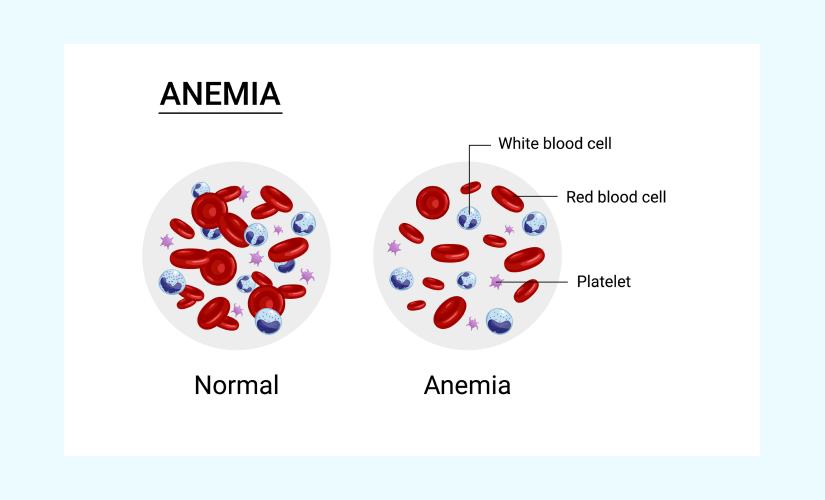
Mean Corpuscular Hemoglobin, or MCH, is a key component of a complete blood count (CBC) – one of the most common and comprehensive blood tests performed globally. Specifically, MCH measures the average amount of hemoglobin found in a single red blood cell. Hemoglobin, a protein rich in iron, is responsible for carrying oxygen from the lungs to the rest of the body’s tissues and carbon dioxide back to the lungs. Therefore, MCH provides crucial insights into the oxygen-carrying capacity of your blood.
Normal MCH values typically range between 27 and 33 picograms (pg) per red blood cell, though these ranges can vary slightly depending on the laboratory.
-
Low MCH: An MCH value below the normal range (hypochromic) often indicates that red blood cells contain less hemoglobin than they should. This is commonly associated with microcytic anemia, where red blood cells are smaller than average. Iron deficiency anemia is a primary cause, as iron is essential for hemoglobin production. Other potential causes include thalassemia or chronic diseases.
-
High MCH: An MCH value above the normal range (macrochromic) suggests that red blood cells contain more hemoglobin. This is often seen in macrocytic anemia, where red blood cells are larger than average. Vitamin B12 deficiency and folate deficiency are common culprits, as these nutrients are vital for red blood cell maturation. Liver disease or excessive alcohol consumption can also contribute to elevated MCH.
Understanding MCH is foundational, as it offers a glimpse into the efficiency of your body’s oxygen transport system and can signal underlying nutritional deficiencies or blood disorders.
Accessing and Interpreting MCH Results via Digital Platforms
The days of receiving handwritten lab results are largely behind us. Modern healthcare technology has revolutionized how patients access and interact with their bloodwork data, including MCH. Digital patient portals, often integrated with Electronic Medical Records (EMRs) or Electronic Health Records (EHRs), are now standard. These secure online platforms allow individuals to view their MCH values, alongside other blood parameters, shortly after they are processed.
Beyond raw numbers, many of these platforms incorporate user-friendly interfaces that can:
-
Highlight abnormal results: Automatically flagging MCH values that fall outside the normal range.
-
Provide contextual information: Offering brief explanations of what MCH is, what high or low values might signify, and prompting users to consult their healthcare provider.
-
Trend analysis: Graphically display MCH levels over time, allowing patients and clinicians to observe changes and the effectiveness of interventions.
-
Integrate with personal health apps: Some platforms offer APIs or export functions, enabling users to port their MCH data into third-party health management apps for a more holistic view of their health.
This digital accessibility empowers patients, shifting them from passive recipients of information to active participants in their health management journey.
The Technological Backbone of MCH Measurement and Analysis
The precision and speed with which MCH data is generated are a testament to sophisticated technological advancements in laboratory science and data processing.
Automated Hematology Analyzers: Precision at Scale
The measurement of MCH is no longer a manual process. Modern clinical laboratories rely on highly advanced automated hematology analyzers. These complex instruments are marvels of engineering, capable of processing hundreds of blood samples per hour with remarkable accuracy. They employ a combination of technologies, including:
-
Electrical impedance: To count and size red blood cells.
-
Light scattering (flow cytometry): To differentiate cell types and measure their physical properties.
-
Spectrophotometry: To accurately quantify hemoglobin concentration.
From these measurements, the MCH value is precisely calculated. These automated systems minimize human error, ensure standardization across tests, and dramatically reduce the time it takes to get results, making MCH data readily available for clinical decision-making and digital dissemination. The integration of robotics and sophisticated software ensures quality control, flags potential issues, and connects seamlessly with laboratory information systems (LIS) to transfer data to EHRs.
AI and Predictive Analytics in Bloodwork Interpretation
The true frontier for MCH data lies in the application of Artificial Intelligence (AI) and machine learning. While a single MCH value provides a snapshot, AI can analyze MCH trends in conjunction with hundreds of other blood parameters, patient demographics, medical history, and even genetic data, to uncover patterns that might be imperceptible to the human eye.

AI algorithms can be trained on vast datasets of patient information to:
-
Identify subtle anomalies: Flagging MCH shifts that, while still within “normal” range, might indicate an early precursor to a condition when considered alongside other markers.
-
Predict disease risk: Estimate the likelihood of developing certain anemias or other conditions based on MCH and related parameters over time.
-
Aid in differential diagnosis: Suggesting potential causes for abnormal MCH levels by cross-referencing with known disease patterns.
-
Personalize treatment recommendations: By analyzing a patient’s unique MCH trajectory and response to previous treatments, AI could help clinicians tailor more effective interventions.
This transformative potential moves MCH from a descriptive statistic to a predictive and prescriptive tool, promising a future of more proactive and personalized healthcare driven by intelligent data analysis.
Empowering Patients: MCH Data and Personalized Health Tech
The advent of accessible health technology has shifted the paradigm of patient engagement, turning MCH data into a tool for self-management and empowerment.
Integrating MCH with Personal Health Records (PHRs) and Wearables
Personal Health Records (PHRs) are digital platforms that allow individuals to consolidate their health information from various sources into a single, comprehensive view. Integrating MCH results into a PHR enables a holistic understanding of one’s health. For instance, an individual tracking their diet and exercise through a fitness tracker could cross-reference changes in their MCH levels with their lifestyle data. While wearables don’t directly measure MCH, the data they collect (e.g., heart rate variability, sleep patterns, activity levels) can offer contextual clues when MCH levels fluctuate. Future integrations might see advanced analytics engines correlating MCH data from lab tests with continuous physiological monitoring from wearables to detect patterns or flag potential issues more quickly. This confluence of data creates a richer, more actionable personal health profile.
Telehealth and Virtual Consultations for MCH Insights
Telehealth has become an indispensable component of modern healthcare, particularly for discussing and interpreting complex medical data like MCH results. Instead of requiring an in-person visit, patients can schedule virtual consultations with their doctors to review their bloodwork. During these remote appointments, healthcare providers can share screens to walk patients through their MCH levels, explain their significance, and discuss treatment plans or lifestyle adjustments. This not only improves convenience but also increases the accessibility of expert medical advice, ensuring that abnormal MCH results are not overlooked due to logistical barriers.
Gamification and Goal Setting for MCH-Related Health Management
Health apps and platforms are increasingly leveraging gamification and goal-setting principles to encourage proactive health management. For individuals with low MCH due to iron deficiency, for example, apps can:
-
Track dietary intake: Monitor iron-rich foods consumed.
-
Set reminders: Prompt for iron supplement intake.
-
Offer educational content: Explain the role of iron and B vitamins in hemoglobin production.
-
Provide rewards/badges: For consistent adherence to dietary or treatment plans.
-
Visualize progress: Show how MCH levels might improve over time with consistent effort, providing positive reinforcement.
By making health management interactive and engaging, these digital tools transform the often-passive act of receiving blood test results into an active, empowering journey towards better health.
Future Frontiers: MCH and the Evolution of Diagnostic Technology
The journey of MCH data, from lab analysis to personalized insights, is just beginning. Future technological innovations promise even more profound impacts.
Next-Gen Diagnostics: From Biomarkers to Digital Twins
The future of MCH diagnostics is likely to be hyper-personalized and integrated. We can anticipate:
-
Advanced Biomarker Discovery: Research using AI and big data analytics might uncover new correlations between MCH and other novel biomarkers (e.g., genetic markers, proteomic profiles) to identify disease risks even earlier or more precisely.
-
Liquid Biopsies and Non-Invasive Monitoring: While still in early stages for broad blood parameters, future technologies might allow for less invasive ways to infer or track changes related to MCH, potentially through advanced sensor technologies or even smart toilets that analyze waste.
-
Digital Twins: The concept of a “digital twin” – a virtual replica of an individual’s physiology – could revolutionize personalized medicine. By integrating MCH data with genetic information, lifestyle choices, and continuous monitoring from wearables, a digital twin could simulate the impact of different interventions on a person’s MCH levels and overall health, optimizing treatment strategies without physical experimentation.
Data Security and Ethical AI in MCH Diagnostics
As MCH data becomes more integrated, analyzed by AI, and shared across digital platforms, the imperatives of data security and ethical AI become paramount. Protecting sensitive health information from breaches and ensuring patient privacy are non-negotiable. Blockchain technology is being explored as a secure way to manage and share health records, offering unparalleled encryption and immutable ledgers.
Furthermore, the ethical implications of AI in interpreting MCH data must be carefully considered. Algorithms must be transparent, unbiased, and regularly audited to prevent discriminatory outcomes or misdiagnoses. Robust regulatory frameworks will be essential to govern the use of AI in diagnostics, ensuring that technological advancements in MCH analysis serve humanity responsibly and equitably.

Conclusion
Mean Corpuscular Hemoglobin (MCH), once a mere line item on a lab report, has transcended its traditional medical confines to become a focal point within the rapidly expanding universe of health technology. From the precise automation of hematology analyzers to the predictive power of AI and the empowering interfaces of patient portals, technology has transformed MCH from an isolated data point into an actionable component of personalized health management. As we look ahead, the synergy between MCH data and cutting-edge digital diagnostics promises an era of even greater insights, proactive care, and patient empowerment, ensuring that the journey toward optimal health is increasingly informed, engaging, and digitally driven. Understanding “what is MCH on bloodwork” today is not just about comprehending a medical term, but about recognizing its pivotal role in the future of tech-enabled healthcare.
aViewFromTheCave is a participant in the Amazon Services LLC Associates Program, an affiliate advertising program designed to provide a means for sites to earn advertising fees by advertising and linking to Amazon.com. Amazon, the Amazon logo, AmazonSupply, and the AmazonSupply logo are trademarks of Amazon.com, Inc. or its affiliates. As an Amazon Associate we earn affiliate commissions from qualifying purchases.