
In an era driven by data, precision, and rapid scientific advancement, laboratories are at the forefront of innovation, research, and quality assurance. From developing life-saving drugs to ensuring the safety of our food and environment, the integrity and efficiency of laboratory operations are paramount. Yet, managing the vast amounts of data, samples, instruments, and processes within a lab can be overwhelmingly complex. This is where a Laboratory Information Management System, or LIMS, becomes not just beneficial, but indispensable.
At its core, LIMS is a sophisticated software solution designed to manage and track laboratory data and workflows, automating many of the manual processes that traditionally consume valuable time and resources. It acts as the central nervous system for a modern laboratory, orchestrating everything from sample reception to final report generation. But what exactly does a LIMS entail, and why has it become a cornerstone of technological infrastructure in virtually every analytical, research, and clinical lab worldwide? This article delves into the intricacies of LIMS, exploring its functionalities, applications, benefits, and the transformative impact it has on scientific endeavors.

The Core Concept: Defining LIMS
A Laboratory Information Management System (LIMS) is a software-based system for managing laboratory samples and associated data. Its primary goal is to enhance operational efficiency by automating and streamlining workflows, reducing manual errors, and improving data traceability and accessibility. While the fundamental concept remains consistent, modern LIMS platforms are incredibly versatile, adaptable to various laboratory sizes, disciplines, and regulatory environments.
Beyond Simple Data Entry: The Evolution of Lab Management
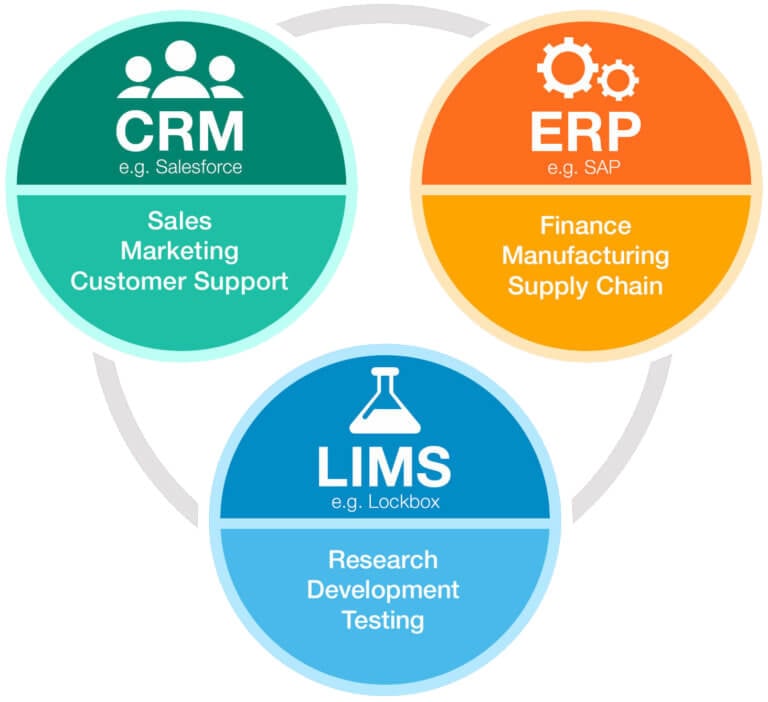
Early forms of laboratory data management were often manual, involving paper notebooks, spreadsheets, and isolated databases. This approach was prone to human error, difficult to audit, and inefficient for large sample volumes. The advent of LIMS marked a significant leap forward, transforming labs from disparate data silos into integrated, automated environments. Today’s LIMS goes far beyond simple data entry; it encompasses comprehensive management of samples, experiments, results, instruments, personnel, and quality control, all within a secure, centralized digital framework. It’s an enterprise resource planning (ERP) system tailored specifically for the unique demands of a laboratory.
Key Objectives of a LIMS
The overarching objectives of implementing a LIMS are multifaceted, aiming to address the critical challenges faced by contemporary laboratories:
-
Improve Data Quality and Integrity: By standardizing data entry, validating inputs, and maintaining an auditable trail, LIMS ensures that all generated data is accurate, reliable, and trustworthy.
-
Enhance Operational Efficiency: Automating repetitive tasks, streamlining workflows, and optimizing resource allocation helps labs process more samples faster and with fewer errors.
-
Ensure Regulatory Compliance: For many industries, strict regulatory frameworks (e.g., GLP, GMP, HIPAA, ISO 17025) necessitate meticulous record-keeping and robust audit trails. LIMS is designed to meet these requirements, facilitating compliance and simplifying audits.
-
Reduce Turnaround Time (TAT): Faster sample processing, automated data analysis, and quicker report generation significantly cut down the time from sample arrival to result delivery.
-
Optimize Resource Utilization: Better management of instruments, reagents, and personnel scheduling leads to more efficient use of laboratory resources.
-
Facilitate Data Analysis and Reporting: Providing powerful tools for data retrieval, analysis, and customized reporting enables deeper insights and more effective communication of results.
Essential Features and Functionalities of LIMS
A modern LIMS is a rich ecosystem of interconnected modules, each designed to address a specific aspect of laboratory operations. While features can vary between vendors and specific industry needs, several core functionalities are universal to robust LIMS platforms.
Sample Management and Tracking
This is arguably the cornerstone of any LIMS. From the moment a sample arrives, LIMS assigns a unique identifier, tracks its chain of custody, storage location, tests performed, and results. This module ensures complete traceability, from origin to disposal, preventing misplacement or loss. Features often include barcode generation, automated labeling, batch management, and precise location tracking within freezers or racks.
Instrument Integration and Data Acquisition
Manual transcription of results from instruments is a significant source of error and inefficiency. LIMS integrates directly with laboratory instruments (e.g., chromatographs, spectrometers, PCR machines) to automatically capture data. This not only eliminates transcription errors but also speeds up the data processing pipeline, ensures data integrity, and often allows for automated instrument calibration tracking and maintenance scheduling.
Workflow Automation and Standardization
LIMS standardizes laboratory processes by enforcing predefined workflows, test methodologies, and quality control procedures. It can guide technicians through each step of an analytical process, ensuring adherence to Standard Operating Procedures (SOPs). This automation minimizes human variability, improves reproducibility, and simplifies training for new personnel.
Quality Control and Compliance
For labs operating under strict regulatory guidelines, LIMS is invaluable for maintaining quality control (QC) and ensuring compliance. It manages QC samples, tracks their results against established limits, and triggers alerts for out-of-spec conditions. The system automatically generates audit trails, capturing every action performed on a sample or piece of data, providing irrefutable evidence of compliance during inspections.
Reporting, Analysis, and Data Management
Beyond raw data, LIMS excels at transforming information into actionable insights. It offers powerful querying tools to retrieve specific data, generate statistical analyses, and create customized reports for clients, regulators, or internal stakeholders. Features like trend analysis, charting, and customizable dashboards empower labs to monitor performance, identify bottlenecks, and make data-driven decisions. Comprehensive data archiving and retrieval ensure long-term accessibility and integrity of historical data.
The Indispensable Role of LIMS Across Industries
The versatility of LIMS means it’s not confined to a single type of laboratory. Its benefits extend across a wide spectrum of scientific and industrial sectors, each leveraging LIMS to address their unique challenges and achieve specific objectives.
Pharmaceuticals and Biotechnology
In drug discovery, development, and manufacturing, LIMS is critical for managing clinical trial samples, tracking drug formulations, ensuring quality control of active pharmaceutical ingredients (APIs), and maintaining compliance with stringent regulations like GLP (Good Laboratory Practice) and GMP (Good Manufacturing Practice). It supports everything from R&D to batch release testing.
Clinical and Diagnostic Laboratories
For hospitals and diagnostic centers, LIMS manages patient samples, tests requested, results reporting, and integration with Electronic Health Record (EHR) systems. It ensures quick turnaround times for critical diagnoses, manages patient demographics securely (HIPAA compliance), and helps maintain accreditations like CLIA.
Environmental and Food Testing
Labs monitoring water quality, air pollutants, soil contamination, or food safety rely on LIMS to manage high volumes of routine samples, track environmental matrices, report against regulatory limits, and ensure the safety of public health. It’s essential for certifying product quality and adherence to environmental standards.
Forensics and Research
Forensic labs use LIMS for meticulous chain-of-custody tracking of evidence, managing complex analytical data, and generating legally admissible reports. In academic and industrial research settings, LIMS helps manage experimental designs, track reagents, share data among research groups, and facilitate reproducible science by providing a structured framework for data management.
Benefits and Strategic Advantages of Implementing LIMS
Implementing a LIMS is a significant investment, but the return in terms of efficiency, quality, compliance, and strategic advantage is profound. It transforms laboratory operations from reactive to proactive, laying a robust foundation for future growth and innovation.
Enhancing Operational Efficiency and Throughput
By automating tasks like sample registration, instrument interfacing, and report generation, LIMS drastically reduces the time and effort spent on manual processes. This frees up skilled personnel to focus on scientific analysis rather than administrative tasks, leading to higher sample throughput, quicker result delivery, and overall improved productivity.
Improving Data Accuracy and Reliability
Manual data entry and transcription are primary sources of errors. LIMS eliminates these by integrating directly with instruments and enforcing standardized data input fields. The result is cleaner, more accurate, and more reliable data, which is crucial for scientific validity and regulatory compliance. Every data point is timestamped and attributed, creating an unalterable record.
Ensuring Regulatory Compliance and Audit Readiness
For regulated industries, non-compliance can lead to hefty fines, reputational damage, and even shutdowns. LIMS is purpose-built with compliance in mind, offering features such as comprehensive audit trails, electronic signatures, version control, and adherence to specific regulatory requirements (e.g., 21 CFR Part 11). This significantly streamlines audit processes and provides undeniable evidence of compliant operations.
Fostering Better Decision-Making
With all data centralized and easily accessible, LIMS empowers laboratory managers and scientists with real-time insights. Performance metrics, trend analyses, and comprehensive reports allow for informed decision-making regarding resource allocation, process optimization, and strategic planning. Identifying bottlenecks or areas for improvement becomes much more straightforward.
Reducing Costs and Optimizing Resource Utilization
While there’s an upfront cost, LIMS ultimately leads to cost savings through reduced errors, less rework, optimized reagent and instrument usage, and decreased labor costs associated with manual data handling. Better inventory management and scheduling further contribute to optimizing the utilization of expensive laboratory resources.
Challenges and Future Trends in LIMS Technology
While the benefits of LIMS are clear, its implementation and ongoing management come with their own set of considerations. However, the technology continues to evolve, addressing these challenges and pushing the boundaries of what’s possible in lab management.
Implementation Complexities and User Adoption
Implementing a LIMS can be a complex undertaking, requiring significant planning, customization, data migration, and user training. Resistance to change among lab personnel is common. Successful implementation relies on strong project management, clear communication, and extensive user involvement to ensure smooth adoption and maximize system utilization.
Integration with Enterprise Systems (LIMS-ERP/EHR)
For laboratories that are part of larger organizations (e.g., pharmaceutical companies, hospital networks), integrating LIMS with other enterprise systems like Enterprise Resource Planning (ERP) for finance and supply chain, or Electronic Health Record (EHR) systems for patient data, is crucial. Seamless data exchange between these systems enhances end-to-end operational visibility and eliminates redundant data entry across departments.
Cloud-Based LIMS and SaaS Models
The shift towards cloud computing has profoundly impacted LIMS. Cloud-based LIMS, often offered as Software-as-a-Service (SaaS), provides greater flexibility, scalability, and reduced IT overhead. Labs can access their data from anywhere, on any device, and benefit from automatic updates and robust data security provided by vendors. This trend is particularly attractive to smaller labs or those with limited IT infrastructure.
AI, Machine Learning, and Advanced Analytics in LIMS
The future of LIMS lies in its integration with cutting-called technologies like Artificial Intelligence (AI) and Machine Learning (ML). AI can enhance predictive maintenance for instruments, optimize experimental designs, detect anomalies in results, and even automate complex data interpretation. Machine learning algorithms can learn from historical data to improve quality control processes, forecast sample volumes, and provide deeper, more nuanced analytical insights, transforming raw data into true scientific intelligence.

The Future of Laboratory Excellence
LIMS has evolved from a simple data tracking tool into a comprehensive, intelligent platform that is central to modern laboratory operations. Its ability to streamline workflows, ensure data integrity, facilitate regulatory compliance, and provide actionable insights makes it an indispensable asset in any scientific or industrial setting. As technology continues to advance, future iterations of LIMS, powered by AI, cloud computing, and sophisticated analytics, promise to unlock even greater efficiencies and accelerate the pace of discovery, ensuring that laboratories remain at the forefront of innovation and contribute meaningfully to societal progress. The question is no longer “what is LIMS?”, but rather, “how can we best leverage the evolving capabilities of LIMS to achieve unparalleled laboratory excellence?”.
aViewFromTheCave is a participant in the Amazon Services LLC Associates Program, an affiliate advertising program designed to provide a means for sites to earn advertising fees by advertising and linking to Amazon.com. Amazon, the Amazon logo, AmazonSupply, and the AmazonSupply logo are trademarks of Amazon.com, Inc. or its affiliates. As an Amazon Associate we earn affiliate commissions from qualifying purchases.