
In the intricate world of branding, whether personal or corporate, understanding human behavior is paramount. One of the most foundational distinctions in personality psychology, and arguably one of the most impactful for strategic branding, is the dichotomy between introversion and extroversion. Far from being simplistic labels, these terms describe fundamental differences in how individuals draw and expend energy, interact with the world, and process information. For brands, recognizing and strategically utilizing these personality types can unlock new dimensions of authenticity, engagement, and market penetration. This article delves into the core definitions of introversion and extroversion, exploring their nuances and, crucially, demonstrating how this understanding can be a potent tool in crafting compelling brand narratives, shaping corporate identity, and refining marketing strategies.
Understanding the Core Concepts: Beyond Simple Definitions
To effectively harness these personality insights for branding, we must first move past common misconceptions and grasp the true nature of introversion and extroversion. Often, people mistakenly equate introversion with shyness or extroversion with boisterousness. While there can be overlaps, the core distinction lies in an individual’s primary source of energy.
The Continuum of Personality: Not Black and White
It’s crucial to understand that introversion and extroversion are not binary states but rather points on a spectrum. No one is 100% introverted or 100% extroverted. Instead, individuals possess varying degrees of both traits, with one typically being dominant. Many people fall somewhere in the middle, known as ambiverts, who can comfortably shift between introverted and extroverted behaviors depending on the situation. Recognizing this continuum allows for a more nuanced and realistic application of these concepts in branding, avoiding oversimplification and enabling a broader appeal. A brand that acknowledges this spectrum can craft messaging that resonates with a wider audience, understanding that a target demographic isn’t monolithic in its energetic preferences.
Key Characteristics of Introversion: Building Depth and Authority
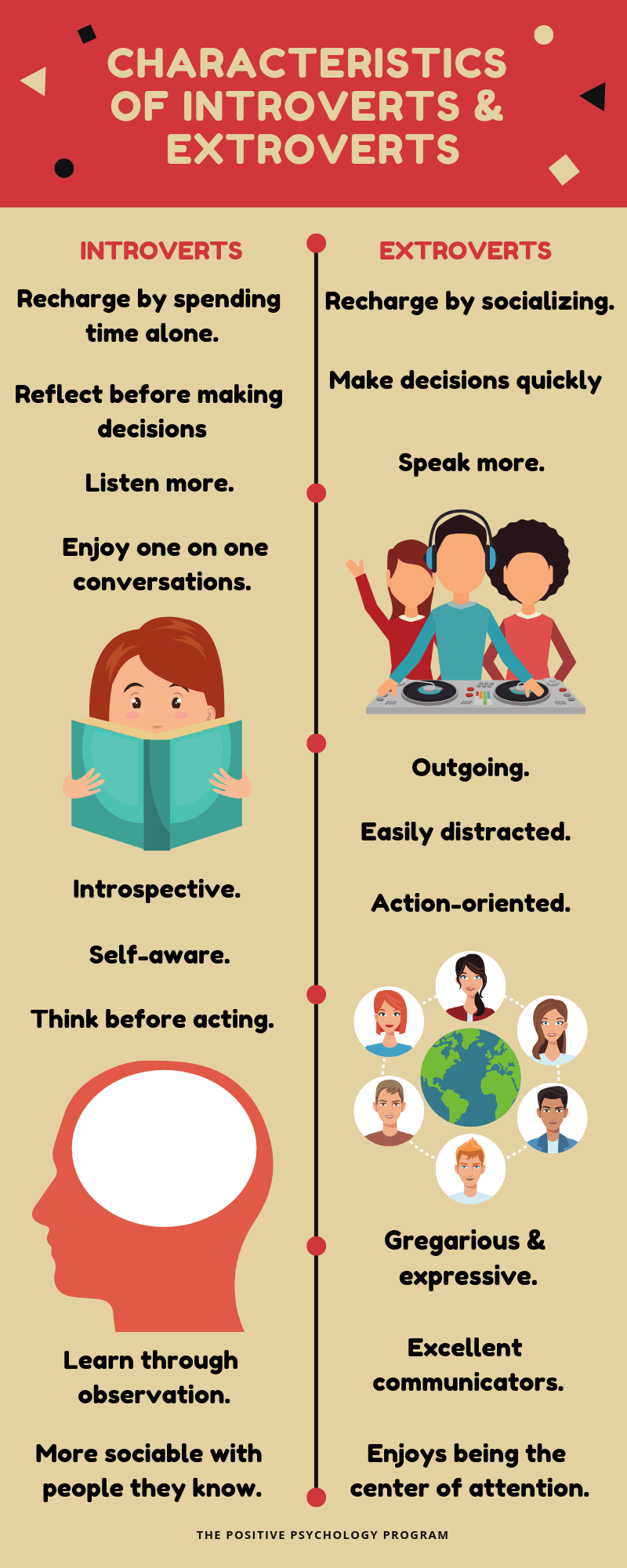
Introverts are individuals who typically gain energy from spending time alone or in quiet environments and expend energy in social settings. This doesn’t mean they dislike people or social interaction; rather, they prefer deeper, more meaningful connections over broad, superficial ones. They are often characterized by:
-
Thoughtfulness and Reflection: Introverts tend to process information internally, thinking before speaking. This leads to well-considered opinions and thoughtful contributions, which can be invaluable in strategic planning or crafting nuanced brand messages.
-
Observation and Listening: They are often keen observers and excellent listeners, absorbing details and nuances that others might miss. This trait is a goldmine for market research, understanding audience pain points, and developing highly targeted brand solutions.
-
Focus and Concentration: Introverts thrive in environments that allow for deep work and sustained concentration. Brands seeking to convey expertise, reliability, and precision can benefit from leveraging this inherent trait in their content creators, product developers, or thought leaders.
-
Preferring Depth over Breadth: In relationships, introverts seek profound connections. For personal branding, this translates to building a loyal, engaged community rather than just chasing large follower counts. For corporate brands, it means fostering customer loyalty through exceptional service and genuine engagement.
In a branding context, these characteristics lend themselves to building a brand persona that emphasizes authenticity, expertise, and a deep understanding of customer needs. An introverted leader might build a brand around meticulous strategy and insightful leadership, inspiring trust through quiet competence rather than outward charisma.
Key Characteristics of Extroversion: Amplifying Reach and Engagement
Extroverts, conversely, draw energy from social interaction and external stimulation, and they tend to expend energy when alone. They are often seen as the life of the party, but their drive for external engagement runs deeper than mere sociability:
-
Action-Oriented and Expressive: Extroverts are typically comfortable speaking their minds, initiating conversations, and taking decisive action. This makes them natural leaders in public-facing roles, brand ambassadors, or sales teams.
-
Enthusiasm and Sociability: Their natural exuberance and comfort in group settings make them excellent networkers and communicators. For a brand, this translates to high-energy marketing campaigns, engaging social media presence, and dynamic event participation.
-
Breadth of Connections: Extroverts tend to build wide networks of acquaintances and colleagues. This broad reach is incredibly valuable for brand visibility, public relations, and quickly disseminating messages to a large audience.
-
Quick Thinking and Adaptability: They often process thoughts by vocalizing them, leading to spontaneous ideas and adaptability in fast-paced environments. This agility can be an asset in crisis communications or dynamic content creation.
For branding, extroverted traits are powerful for building a dynamic, visible, and highly engaging brand persona. An extroverted founder might build a brand around charismatic leadership, inspiring innovation, and widespread community building.
Personal Branding: Crafting Your Authentic Self
Understanding your dominant personality trait is the cornerstone of effective personal branding. It’s not about forcing yourself to be something you’re not, but rather leveraging your natural inclinations to build an authentic, compelling, and sustainable personal brand.
Introverts: Building Depth and Authority
For introverts, personal branding thrives on quality over quantity. Instead of chasing broad visibility through constant public appearances, focus on:
-
Thought Leadership Through Content: Blog posts, in-depth articles, whitepapers, and insightful social media commentary allow introverts to share their well-thought-out ideas without the pressure of immediate public speaking. This establishes them as experts and authorities in their niche.
-
Niche Specialization: Deep dives into specific subjects, rather than broad generalism, play to an introvert’s strength for focus and in-depth processing. This builds a powerful reputation for expertise and reliability.
-
Strategic Networking: Instead of large, overwhelming networking events, introverts can excel at one-on-one meetings, virtual coffee chats, and building genuine relationships with a select few key influencers or collaborators. This creates a strong, supportive inner circle.
-
Authentic Storytelling: Introverts often have rich inner worlds and a keen ability to reflect. Harness this for powerful, emotionally resonant storytelling that connects deeply with an audience, demonstrating vulnerability and sincerity.
An introverted personal brand exudes quiet confidence, intellectual depth, and unwavering integrity, attracting those who value substance over flash.
Extroverts: Amplifying Reach and Engagement
Extroverts naturally excel at building a personal brand that is dynamic, visible, and highly engaging. Their strengths lie in:
-
Dynamic Public Speaking and Presentations: Extroverts thrive on the energy of an audience. Leveraging speaking engagements, webinars, podcasts, and video content allows them to project enthusiasm and connect with large groups.
-
Community Building and Event Leadership: Leading workshops, organizing meetups, or moderating online communities are natural fits. Their ability to energize and mobilize groups makes them effective community builders.
-
Proactive Networking and Collaboration: Extroverts can effortlessly expand their network, identifying and pursuing collaboration opportunities that rapidly amplify their reach and exposure. Their comfort in initiating conversations opens many doors.
-
High-Energy Social Media Presence: They can maintain a vibrant and consistent presence across multiple platforms, engaging in real-time conversations, live streams, and interactive content that keeps their audience captivated.
An extroverted personal brand is often characterized by charisma, accessibility, and a contagious enthusiasm that inspires action and widespread connection.
Ambiverts: The Advantage of Adaptability
Ambiverts, who embody traits of both introversion and extroversion, possess a unique advantage in personal branding. They can:
-
Flex Their Style: Adapt their communication and engagement strategies to suit different situations and audiences. They can be charismatic speakers when needed but also introspective and analytical in one-on-one settings.
-
Bridge Gaps: Effectively connect with both introverted and extroverted individuals, making them exceptional team players, mediators, and leaders capable of fostering diverse collaborations.
-
Maintain Balance: Avoid burnout by intuitively knowing when to seek social stimulation and when to retreat for recharge. This leads to a more sustainable and resilient personal brand.
Ambiverts can curate a versatile personal brand that is both deeply insightful and broadly engaging, offering a balanced and adaptable presence that appeals to a vast audience.
Corporate Identity and Team Dynamics: Fostering a Synergistic Culture
Beyond personal branding, understanding introversion and extroversion is vital for shaping a cohesive and productive corporate identity. It influences leadership styles, team collaboration, and ultimately, a company’s unique culture and employer brand.
Leading with Introspection vs. Exuberance
Diverse leadership styles, informed by personality traits, contribute to a richer corporate identity. An introverted leader might excel at strategic planning, deep analysis, and fostering a culture of thoughtful innovation and precision. Their brand of leadership is often seen as steady, reliable, and deeply empathetic, inspiring loyalty through consistency and well-considered decisions. Conversely, an extroverted leader might drive a corporate identity built on dynamic vision, infectious enthusiasm, and proactive market engagement. Their leadership is often characterized by bold initiatives, a strong public presence, and a talent for rallying teams around ambitious goals. A robust corporate identity often benefits from a mix of both, ensuring both meticulous planning and energetic execution.

Optimizing Team Collaboration and Innovation
A truly innovative corporate culture recognizes and values different working styles. By understanding that introverts often prefer quiet, focused work and derive energy from solitude, while extroverts thrive in collaborative, high-energy brainstorming sessions, companies can design flexible workspaces and meeting protocols.
-
For Introverts: Offer quiet zones, opportunities for individual contribution before group discussions, and remote work options. Their brand contribution comes from deep analytical thought, problem-solving, and quality output.
-
For Extroverts: Provide collaborative spaces, opportunities for public presentation, and team-based projects. Their brand contribution is often seen in their ability to energize a room, facilitate ideas, and drive momentum.
When a corporate brand demonstrates an understanding of these needs, it fosters an inclusive environment where all employees can contribute their best, leading to richer innovation and a more vibrant internal culture.
Employer Branding: Attracting Diverse Personalities
A strong employer brand communicates not just what a company does, but how it works and who thrives there. By openly embracing and valuing both introverted and extroverted traits, companies can attract a broader talent pool.
-
Messaging: An employer brand can highlight its commitment to diverse thinking, showcasing both its collaborative team projects and its opportunities for deep, independent work.
-
Culture: A corporate identity that promotes flexibility, offers various communication channels (from large meetings to one-on-one mentorship), and celebrates different forms of contribution signals an inclusive environment.
-
Leadership: Featuring leaders with diverse personality types in employer branding campaigns can resonate with different potential hires, demonstrating that there’s a place for everyone to succeed.
This strategic approach to employer branding ensures a more diverse workforce, leading to a richer array of perspectives and a more robust, adaptable corporate identity.
Marketing and Communication Strategies: Connecting with Your Audience
The ultimate goal of branding is to connect with an audience. Understanding introversion and extroversion can significantly refine marketing and communication strategies, ensuring messages resonate more deeply and effectively.
Tailoring Content for Different Personality Types
Different personality types engage with content in distinct ways. A savvy brand can tailor its marketing materials to appeal to both:
-
For Introverts: Focus on in-depth content, detailed analyses, whitepapers, case studies, and thoughtful articles. Provide opportunities for personal reflection and engagement that don’t require immediate public interaction, such as surveys, email newsletters, or private community forums. Emphasize data, logic, and a clear problem-solution framework.
-
For Extroverts: Employ dynamic video content, interactive live streams, engaging social media campaigns, and opportunities for direct participation. Use compelling visuals, energetic language, and clear calls to action that encourage immediate engagement and sharing. Emphasize community, connection, and experience.
By offering a spectrum of content types, a brand can ensure it speaks to the preferred modes of information consumption for a broader audience.
Event Marketing and Networking: Strategies for Every Style
Event marketing can be a powerful brand-building tool, but its effectiveness can be amplified by considering personality types:
-
For Introverts: Create opportunities for structured, one-on-one interactions or small group discussions. Provide pre-event materials to allow for preparation, and designated quiet zones where they can recharge. Focus on the depth of the content and the opportunity for meaningful connections.
-
For Extroverts: Design high-energy networking mixers, interactive workshops, and opportunities for public participation or spontaneous group activities. Emphasize the social aspect, the chance to meet many new people, and the excitement of the event.
A brand that successfully caters to both types at events will maximize engagement and positive brand association for all attendees.
Authentic Storytelling: Resonating Beyond the Surface
Storytelling is at the heart of powerful branding. When crafting brand narratives, consider how different personalities might connect:
-
Introverted Storytelling: Can focus on the journey of internal transformation, the meticulous process behind a product, or the quiet dedication of a team. It often uses reflective language and appeals to a sense of deeper meaning and personal growth.
-
Extroverted Storytelling: Can highlight communal experiences, the excitement of new discoveries, or the impact a brand has on a broader community. It often uses vibrant, active language and inspires collective action or celebration.
By integrating both introspective and expansive narratives, a brand can create a richer, more universal story that resonates with the diverse emotional landscapes of its audience.
The Strategic Advantage: Embracing All Personality Types
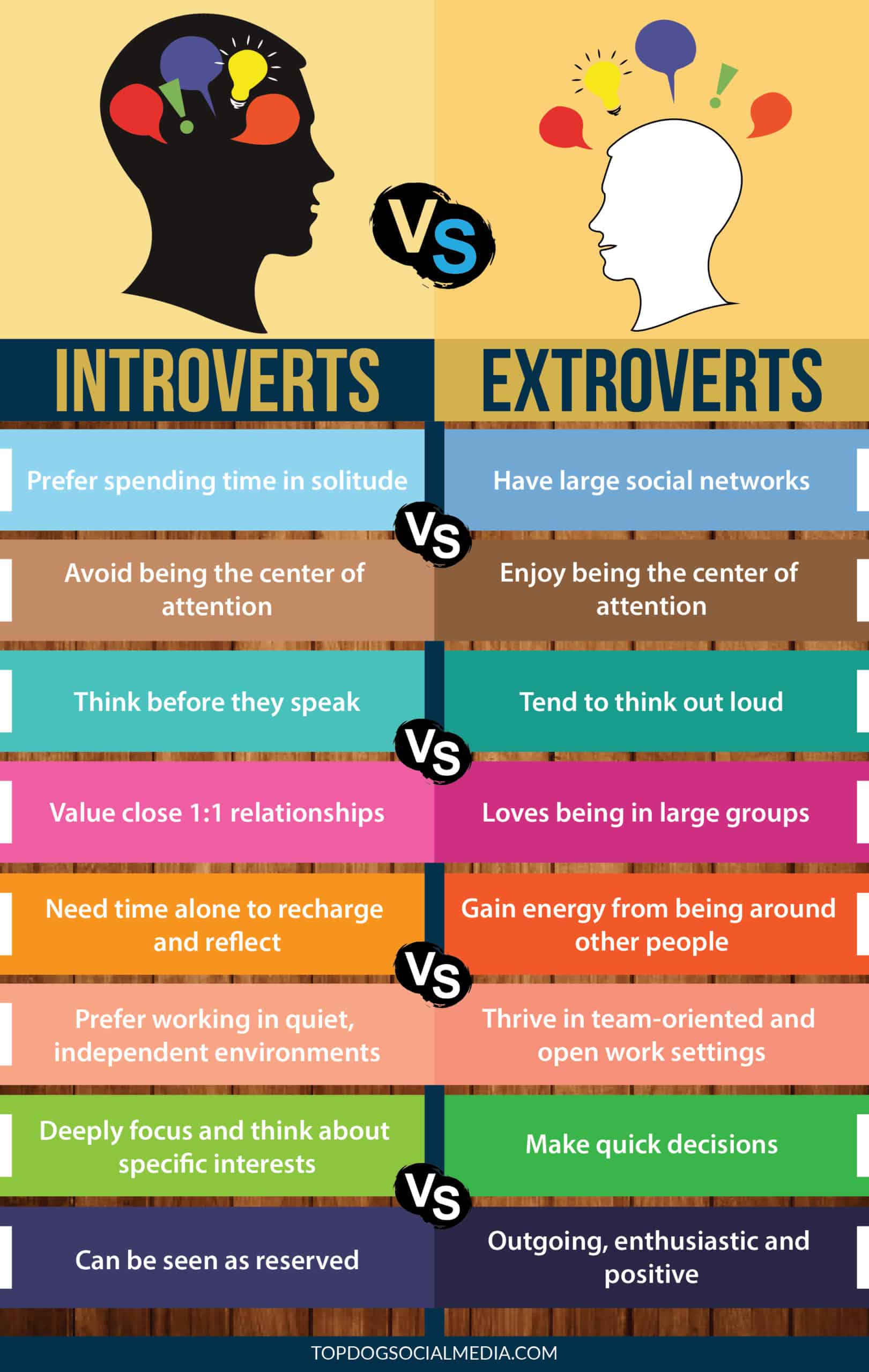
Ultimately, the understanding of introversion and extroversion is not merely an academic exercise; it’s a strategic imperative for any brand aspiring to be robust, adaptable, and genuinely connected to its audience. By moving beyond superficial stereotypes and recognizing the inherent strengths each personality type brings, brands can unlock a deeper level of authenticity and effectiveness.
Building a Diverse and Inclusive Brand Ecosystem
A brand that intentionally cultivates an ecosystem valuing both introverted and extroverted contributions will inherently be stronger. This means:
-
Diverse Teams: Ensuring your marketing, sales, product development, and leadership teams include a mix of personality types.
-
Inclusive Communication: Crafting messages that appeal to different processing styles and energy preferences.
-
Flexible Environments: Creating physical and virtual spaces that accommodate various working and interacting styles.
Such a brand ecosystem fosters creativity, enhances problem-solving, and builds a reputation as an inclusive and forward-thinking entity.
Future-Proofing Your Brand Through Self-Awareness
In an increasingly noisy and competitive marketplace, brands that demonstrate genuine self-awareness – both of their own internal dynamics and of their audience’s diverse needs – are best positioned for long-term success. Understanding introversion and extroversion allows a brand to:
-
Develop Authentic Voice: Ensure its communications genuinely reflect its values and internal strengths.
-
Build Deeper Connections: Forge more meaningful relationships with customers by speaking to their inherent preferences.
-
Adapt and Innovate: Remain agile by leveraging the full spectrum of human insight and creativity within its ranks.
By embracing the spectrum of human personality, a brand not only enriches its own identity but also builds a more resilient, empathetic, and ultimately, more powerful connection with the world.
aViewFromTheCave is a participant in the Amazon Services LLC Associates Program, an affiliate advertising program designed to provide a means for sites to earn advertising fees by advertising and linking to Amazon.com. Amazon, the Amazon logo, AmazonSupply, and the AmazonSupply logo are trademarks of Amazon.com, Inc. or its affiliates. As an Amazon Associate we earn affiliate commissions from qualifying purchases.