
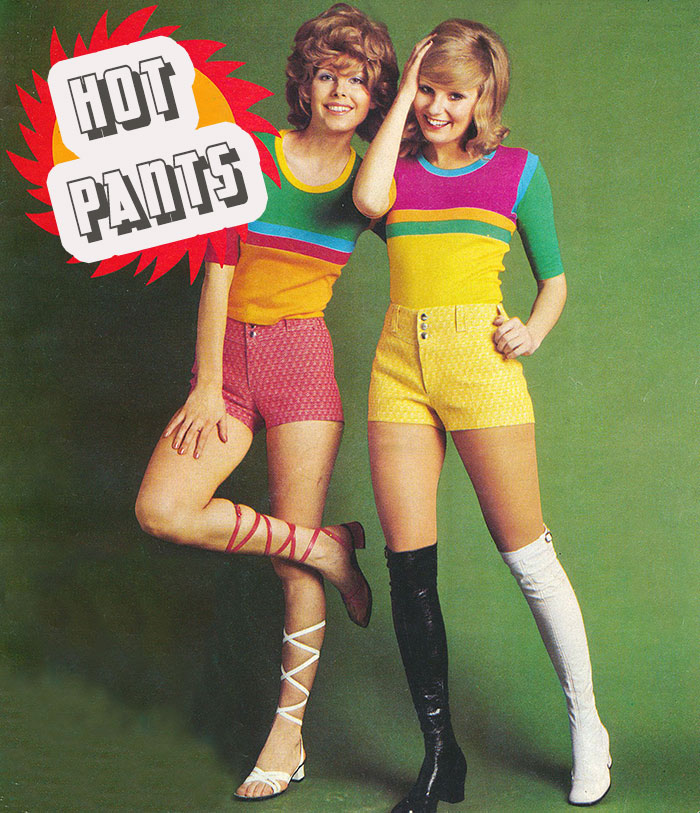
In the dynamic landscape of commerce and culture, certain brands, products, or phenomena don’t just succeed; they explode onto the scene, capturing the collective imagination and dominating conversations. They become an instant icon, a must-have, a symbol of the moment. We might colloquially refer to something that is exceptionally trendy, desirable, and culturally impactful as “hot.” Taking a cue from a fashion item that once provocatively defined a zeitgeist, “hot pants” serves as a powerful metaphor for brands that achieve this extraordinary level of buzz, desirability, and cultural resonance.
To be a “hot pants” brand is to transcend mere market success. It signifies a brand that is not just selling a product or service, but selling a feeling, an identity, a movement. It’s about a brand that, for a period, dictates trends, shapes aspirations, and becomes an undeniable part of the cultural fabric. This isn’t just about viral moments or fleeting fads; it’s about a deeper penetration into consumer psyche, driven by a unique blend of innovation, audacious identity, and masterful marketing. Understanding what constitutes a “hot pants” brand, how such status is achieved, and critically, how it can be sustained, offers profound insights into the mechanics of modern brand building and the pursuit of enduring relevance.
Defining the “Hot Pants” Phenomenon in Branding
The phrase “hot pants” evokes an image of something bold, fashionable, and undeniably current. In branding, this translates to a phenomenon where a brand or product isn’t merely popular but becomes a cultural touchstone, generating widespread excitement and immediate recognition. It’s an alchemy of product excellence, strategic communication, and opportune timing that catapults a brand from obscurity to omnipresence.
Beyond Viral: The Essence of Cultural Resonance
While viral marketing campaigns can create a momentary surge in awareness, a “hot pants” brand achieves something far more profound: cultural resonance. This means the brand doesn’t just get talked about; it gets integrated into daily conversations, memes, aspirations, and even personal identities. Think of the iPhone upon its initial release, not just as a phone, but as a revolutionary device that redefined personal technology and status. Or consider Tesla in its early days, which wasn’t just selling electric cars, but a vision of a sustainable, high-performance future. These brands tapped into, and often helped shape, the broader cultural narrative, becoming symbols of innovation, progress, or a desired lifestyle. Their impact extends beyond sales figures, influencing competitors, inspiring new industries, and leaving an indelible mark on popular culture. This level of resonance is built on a foundation of genuine value, innovative thinking, and an almost intuitive understanding of consumer desires and societal shifts.
The Intersection of Innovation and Desire
At the heart of every “hot pants” brand lies a compelling intersection of innovation and desire. These brands often introduce something genuinely new, or they radically reimagine an existing product or service, thereby solving an unmet need or, more powerfully, creating an entirely new desire. It’s not enough to be merely functional; the “hot pants” brand must also be aspirational and emotionally resonant. Consider brands like Peloton, which didn’t just sell exercise bikes but created a luxury home fitness ecosystem that blended technology, community, and aspirational well-being. The innovation might be technological, design-led, or even business model-driven, but its true power comes from its ability to ignite a passionate response from consumers. This dual focus on groundbreaking utility and profound emotional appeal is what transforms a good product into a cultural phenomenon, making it something people don’t just want, but crave.
The Anatomy of a “Hot Pants” Brand: Key Characteristics
What exactly distinguishes a “hot pants” brand from its competitors? While each brand’s journey is unique, common threads weave through their stories of meteoric rise. These characteristics are not accidental; they are often the result of deliberate strategic choices and an unwavering commitment to a distinct vision.
Audacious Identity and Clear Value Proposition
“Hot pants” brands are rarely subtle. They possess an audacious identity that makes them stand out in a crowded marketplace, often challenging established norms or categories. This boldness is reflected in their branding, messaging, and overall market posture. Their value proposition is not only immediately clear but also incredibly compelling, offering a distinct advantage or an irresistible allure. Think of Oatly, which didn’t just sell oat milk but championed a defiant, quirky, and environmentally conscious identity that resonated deeply with a specific demographic. This clear, bold identity acts as a magnet, drawing in consumers who identify with its values and promises. It’s about being memorable, distinct, and unapologetically themselves, creating a strong emotional connection that transcends product features.
Cultivating Scarcity and Exclusivity (Real or Perceived)
A crucial ingredient in generating “hot pants” status is the strategic cultivation of scarcity and exclusivity. This can be real, through limited production runs, exclusive collaborations, or members-only access, or it can be perceived, through carefully managed hype and early access programs. The psychology behind this is powerful: what is rare is often perceived as more valuable and desirable. Brands like Supreme have perfected this model, turning regular product drops into cultural events, leading to frenzied demand and creating a secondary market where items command premium prices. This strategy not only amplifies desire but also reinforces the brand’s exclusive, cult-like appeal, making consumers feel they are part of an elite group. It’s about creating a sense of urgency and privilege that fuels demand and elevates brand status.
Masterful Storytelling and Community Building
“Hot pants” brands don’t just sell products; they sell stories, experiences, and a sense of belonging. They are masterful storytellers, weaving narratives that resonate emotionally with their target audience and provide deeper meaning to their offerings. This storytelling often extends to building vibrant, engaged communities around the brand. Lululemon, for instance, built its empire not just on quality activewear but on fostering a community around well-being, mindfulness, and an aspirational lifestyle. These communities transform customers into advocates, evangelists who not only purchase the products but actively promote the brand and defend its values. This deep engagement fosters loyalty that transcends price or passing trends, creating a durable foundation for long-term success.
Strategies for Cultivating “Hot Pants” Status
Achieving “hot pants” status is rarely accidental. It requires a strategic and often audacious approach to product development, market entry, and communication. Brands that aim for this level of impact employ deliberate tactics to ignite desire and capture market attention.
Disruptive Innovation and Market Entry
The most direct path to becoming a “hot pants” brand often lies in disruptive innovation. This means identifying significant gaps in the market, challenging established incumbents, or introducing entirely novel solutions that redefine a category. Airbnb, for example, didn’t just offer an alternative to hotels; it disrupted the entire hospitality industry by leveraging peer-to-peer sharing and creating unique travel experiences. Successful disruption can provide a crucial first-mover advantage, or it can come from a significantly improved second-mover strategy that outmaneuvers early entrants. The key is to offer something so compellingly different and superior that it fundamentally shifts consumer expectations and creates its own demand.

Leveraging Cultural Moments and Influencer Marketing
“Hot pants” brands are adept at tapping into the cultural zeitgeist. They understand current trends, social conversations, and the emotional pulse of their target audience. This often involves strategic collaborations with authentic influencers who genuinely embody the brand’s spirit and values, rather than just acting as paid spokespeople. When a brand authentically aligns with a cultural moment or a respected voice, its message gains immense credibility and reach. Brands like Glossier capitalized on the rise of authentic, minimalist beauty and a community-first approach, leveraging micro-influencers and user-generated content to build a highly engaged following that felt intimately connected to the brand’s evolution. This strategy isn’t about chasing trends but about understanding and participating in culture in a meaningful way.
Designing for Desirability: Product, Experience, and Aesthetics
Beyond functionality, the “hot pants” brand prioritizes desirability in every facet of its existence. This includes impeccable product design, intuitive user experience, and aesthetics that not only appeal to but also inspire its target audience. The packaging, the website, the in-store experience—every touchpoint is meticulously crafted to evoke desire and reinforce the brand’s aspirational appeal. Consider Dyson, whose products aren’t just powerful but also beautifully engineered and aesthetically striking, transforming mundane household appliances into objects of desire. Furthermore, a seamless and delightful customer journey, from initial discovery to post-purchase support, is critical. This holistic approach ensures that the brand experience is as compelling as the product itself, fostering a sense of luxury and satisfaction.
Sustaining the Sizzle: Longevity Beyond the Trend
Achieving “hot pants” status is a remarkable feat, but the true challenge lies in sustaining that sizzle beyond the initial hype. Many brands burn brightly but quickly fade, unable to adapt to changing tides. Longevity requires strategic foresight and a commitment to evolution.
Continuous Innovation and Adaptation
A “hot pants” brand cannot afford to rest on its laurels. The market is constantly evolving, consumer tastes shift, and competitors emerge. To maintain relevance, these brands must continuously innovate and adapt. This might involve expanding product lines, entering new markets, refining existing offerings based on feedback, or even pivoting their core business model. Apple, for instance, consistently reinvents its product ecosystem, ensuring its offerings remain cutting-edge and desirable, thereby extending its “hot” status across decades. This commitment to ongoing development keeps the brand fresh, exciting, and prevents it from becoming a relic of a past trend.
Deepening Brand Loyalty and Community Engagement
As the initial euphoria of being “hot” naturally wanes, the focus must shift from acquiring new customers to deepening relationships with existing ones. This involves fostering profound brand loyalty through exceptional customer service, exclusive content, loyalty programs, and continued community engagement. Patagonia exemplifies this, building fierce loyalty by not just selling outdoor gear but advocating for environmental causes, offering repair services, and encouraging conscious consumption. By consistently delivering value and reinforcing shared values, brands can move beyond transactional relationships to forge emotional bonds that endure far beyond any fleeting trend.
Strategic Brand Extensions and Diversification
To maintain momentum and prevent dilution, “hot pants” brands must carefully consider strategic brand extensions and diversification. This means expanding into related categories or services that align with the brand’s core identity and values, without diluting its essence. Nike’s extension from athletic shoes to apparel, technology (like Nike+), and fitness experiences is a masterclass in diversification that strengthens the overall brand ecosystem. The key is to leverage existing brand equity to explore new avenues that offer incremental value to consumers and open up new revenue streams, all while maintaining the integrity and authenticity that made the brand “hot” in the first place.
Navigating the Risks and Rewards of Being “Hot”
The journey to becoming a “hot pants” brand is fraught with both exhilarating rewards and significant risks. The heightened visibility and intense scrutiny that come with such status can be a double-edged sword, demanding careful navigation.
The Double-Edged Sword of Hype
While hype is essential for achieving “hot pants” status, it also brings immense pressure. Brands basking in the spotlight face intense scrutiny, and any failure to deliver on lofty promises can lead to a rapid and dramatic decline in public favor. Over-promising and under-delivering can quickly shatter trust and turn enthusiastic supporters into vocal detractors. Managing expectations, ensuring product quality can keep pace with demand, and having robust contingency plans for rapid growth are critical to harnessing hype beneficially rather than succumbing to its pitfalls. A brand must be prepared for the magnifying glass effect that comes with being intensely popular.
Protecting Brand Integrity and Authenticity
As a brand gains widespread popularity, it often faces pressure to commercialize, mass-market, or dilute its original vision to appeal to a broader audience. Resisting this temptation and protecting brand integrity and authenticity is paramount. The very qualities that made the brand “hot”—its audacious identity, unique value proposition, and specific community appeal—can be jeopardized by attempts to become everything to everyone. Maintaining core values, staying true to its founding ethos, and making decisions that align with its original mission are crucial for long-term relevance and avoiding the fate of many brands that sacrificed their soul for short-term gain.

The Ultimate Payoff: Market Leadership and Cultural Impact
Successfully navigating the volatile yet exhilarating “hot pants” phase can lead to extraordinary rewards. It often results in sustained market leadership, establishing a brand as a dominant force within its industry. Beyond financial success, it confers strong brand equity, making the brand more resilient to economic downturns and competitive pressures. Ultimately, a “hot pants” brand that achieves longevity leaves a lasting cultural legacy, influencing societal trends, inspiring future innovations, and becoming a celebrated chapter in the ongoing story of human ingenuity and aspiration. It transforms from a fleeting sensation into an enduring icon, a testament to the power of vision, execution, and deep understanding of the consumer.
In conclusion, “what is hot pants” in the world of branding is not about a specific product, but a metaphor for a brand that achieves peak cultural relevance, desirability, and impact. It’s the brand that everyone is talking about, aspiring to, and often emulating. Achieving this status requires a potent cocktail of disruptive innovation, audacious identity, masterful storytelling, and strategic cultivation of desire. Yet, the true mastery lies not just in igniting that initial spark, but in fanning the flames with continuous innovation and authentic community engagement, ensuring that the brand’s sizzle endures, transforming a transient trend into a lasting legacy of market leadership and cultural significance.
aViewFromTheCave is a participant in the Amazon Services LLC Associates Program, an affiliate advertising program designed to provide a means for sites to earn advertising fees by advertising and linking to Amazon.com. Amazon, the Amazon logo, AmazonSupply, and the AmazonSupply logo are trademarks of Amazon.com, Inc. or its affiliates. As an Amazon Associate we earn affiliate commissions from qualifying purchases.