
In the complex landscape of health insurance, understanding the various plan types is crucial for making informed financial and healthcare decisions. Among the most common options available, the Health Maintenance Organization, or HMO, stands out as a distinctive model of managed care. For many, the term “HMO insurance” might evoke a sense of cost savings, but it often comes with specific structural requirements that differentiate it significantly from other plans like PPOs or EPOs. Delving into what an HMO truly means involves exploring its fundamental operational principles, its unique set of advantages and disadvantages, and how it impacts both your wallet and your access to medical care. This guide aims to demystify HMO insurance, providing a professional, insightful, and engaging look at how these plans function and whether they might be the right fit for your financial and health needs.
Understanding the Fundamentals of HMOs
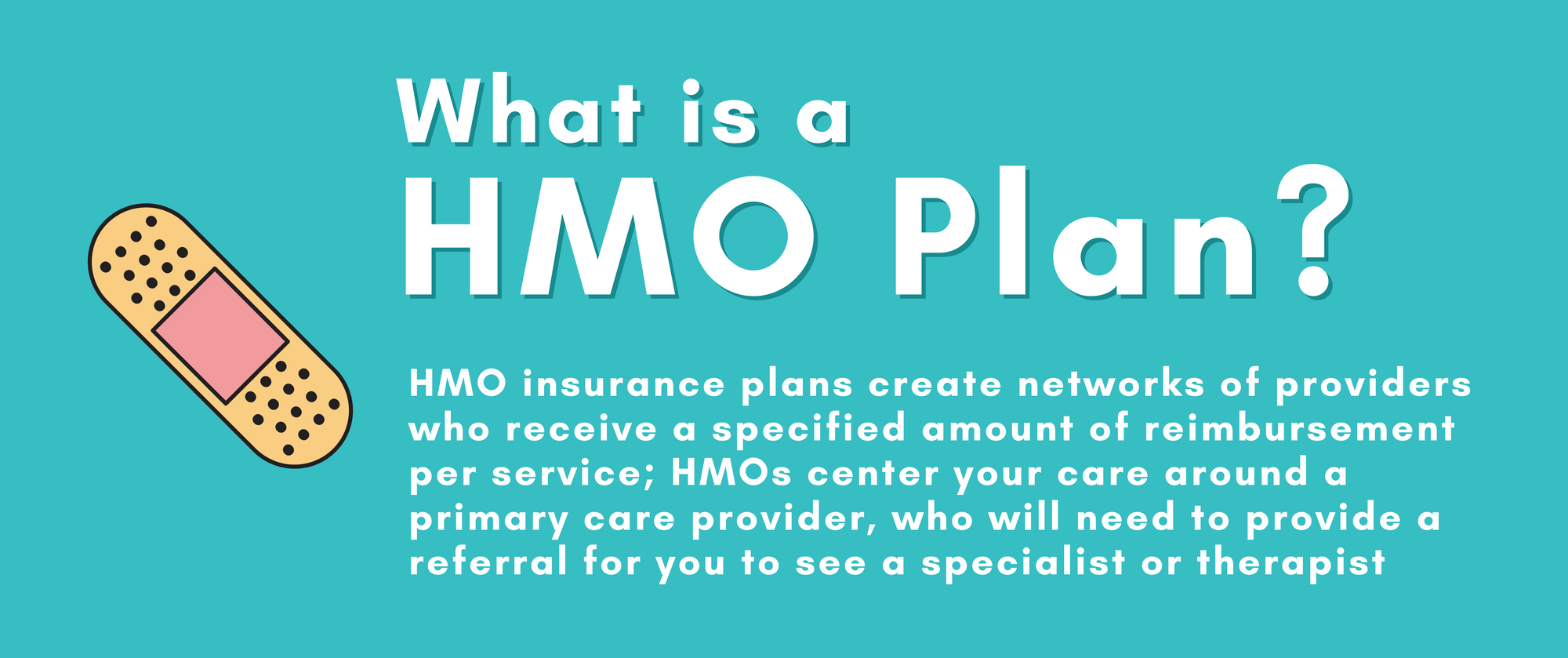
At its core, an HMO is a type of health insurance plan that offers a comprehensive range of healthcare services through a network of providers, typically at a lower premium cost than more flexible alternatives. The philosophy behind an HMO is rooted in managed care, emphasizing prevention and coordinated healthcare delivery to control costs and improve patient outcomes.
What is an HMO?
An HMO, or Health Maintenance Organization, is a healthcare plan that contracts with a specific network of doctors, hospitals, and other healthcare providers to offer medical services to its members. When you enroll in an HMO, you agree to receive most of your medical care from this network. This structured approach to healthcare aims to keep costs down for both the insurer and the policyholder while ensuring that members receive necessary care within a defined system. Unlike traditional indemnity plans or PPOs, HMOs typically require members to select a Primary Care Provider (PCP) who acts as the central point of contact for all medical needs.
How Does an HMO Work?
The operational model of an HMO revolves around its network and the role of the Primary Care Provider (PCP). When you join an HMO, you choose or are assigned a PCP from the plan’s network. This PCP then becomes your gatekeeper to the healthcare system. Any specialized care you might need—from seeing a dermatologist to consulting with a cardiologist—typically requires a referral from your PCP. This referral system is a cornerstone of the HMO model, designed to ensure that care is coordinated, medically appropriate, and provided efficiently within the network, thereby helping to control unnecessary costs. Without a referral, care from a specialist may not be covered, or could be subject to significantly higher out-of-pocket costs.
The Role of Your Primary Care Provider (PCP)
Your PCP in an HMO plays a pivotal role in managing your health. They are responsible for your general health screenings, routine check-ups, and managing chronic conditions. Beyond direct care, your PCP is also the coordinator of all your medical services. This includes ordering diagnostic tests, prescribing medications, and, most importantly, providing referrals to specialists within the HMO network when your condition warrants it. The emphasis is on a holistic, continuous relationship between you and your PCP, fostering a deeper understanding of your health history and needs, which can lead to more personalized and integrated care. This centralized approach aims to prevent fragmented care and ensure that all treatments are aligned with your overall health plan.
Key Features and Characteristics of HMO Plans
HMO plans are defined by several distinct characteristics that impact how members access care and manage their healthcare expenses. Understanding these features is essential for anyone considering an HMO for their financial and health planning.
Network Restrictions
One of the most defining features of an HMO is its emphasis on a closed network of providers. When you have an HMO, you are generally required to seek all your medical care, except for true emergencies, from doctors, hospitals, and clinics that are part of the plan’s specific network. Visiting an out-of-network provider, even if it’s a specialist your PCP referred you to, will typically result in no coverage at all, or significantly higher out-of-pocket costs that don’t count towards your deductible or out-of-pocket maximum. This strict adherence to the network is a primary mechanism through which HMOs manage costs, negotiating favorable rates with their contracted providers. It means that if your preferred doctor or hospital is not in the HMO network, you may need to switch providers to join the plan.
Referral System
As previously mentioned, the referral system is integral to the HMO model. For almost any specialized service, diagnostic test beyond basic screenings, or even certain medical equipment, you will need a referral from your Primary Care Provider (PCP). Your PCP acts as the gatekeeper, assessing your symptoms and determining whether a specialist consultation is necessary. This system is designed to streamline care, prevent redundant tests, and ensure that you see the most appropriate specialist for your condition. While it can sometimes be perceived as an extra step or a hurdle, it also ensures that your care is coordinated and that your PCP remains aware of all treatments you are receiving. Emergency care, however, is generally an exception; you can typically seek emergency treatment from any facility, regardless of network status, though follow-up care will likely need to transition back to your HMO network.
Cost-Effectiveness
For many individuals and families, the most attractive aspect of HMO plans is their cost-effectiveness. HMOs typically boast lower monthly premiums compared to more flexible plans like PPOs. Beyond the premiums, HMOs often feature predictable out-of-pocket costs, such as fixed copayments for doctor visits, specialists, and prescriptions, after which your costs are generally covered in full. They may also have lower deductibles or even no deductible at all for some services. This predictability makes it easier for individuals to budget for healthcare expenses. The cost savings stem from the managed care approach, which minimizes unnecessary services, negotiates lower rates with providers, and emphasizes preventive care to keep members healthier and reduce the need for more expensive treatments down the line.
Coinsurance, Copayments, and Deductibles in HMOs
While HMOs are known for their lower costs, members still encounter various cost-sharing mechanisms.
-
Copayments (Copays): These are fixed amounts you pay at the time of service, such as $20 for a PCP visit or $50 for a specialist. Many HMO plans use copays as the primary form of cost-sharing for routine services.
-
Deductibles: A deductible is the amount you must pay out of pocket before your insurance plan begins to cover costs for certain services. Some HMO plans have very low or even no deductibles for services like doctor visits or preventive care, while others might apply a deductible to hospital stays or expensive procedures.
-
Coinsurance: Coinsurance is a percentage of the cost of a covered service that you pay after you’ve met your deductible. For example, if your coinsurance is 20%, and the approved cost of a procedure is $1,000 after your deductible is met, you would pay $200. HMOs tend to have lower coinsurance rates or even 0% coinsurance for many in-network services after a copay or deductible.
The overall structure of these cost-sharing elements in an HMO is designed to make healthcare expenses more predictable and generally lower than in other plan types, particularly when staying within the network and following referral protocols.
Advantages and Disadvantages of Choosing an HMO
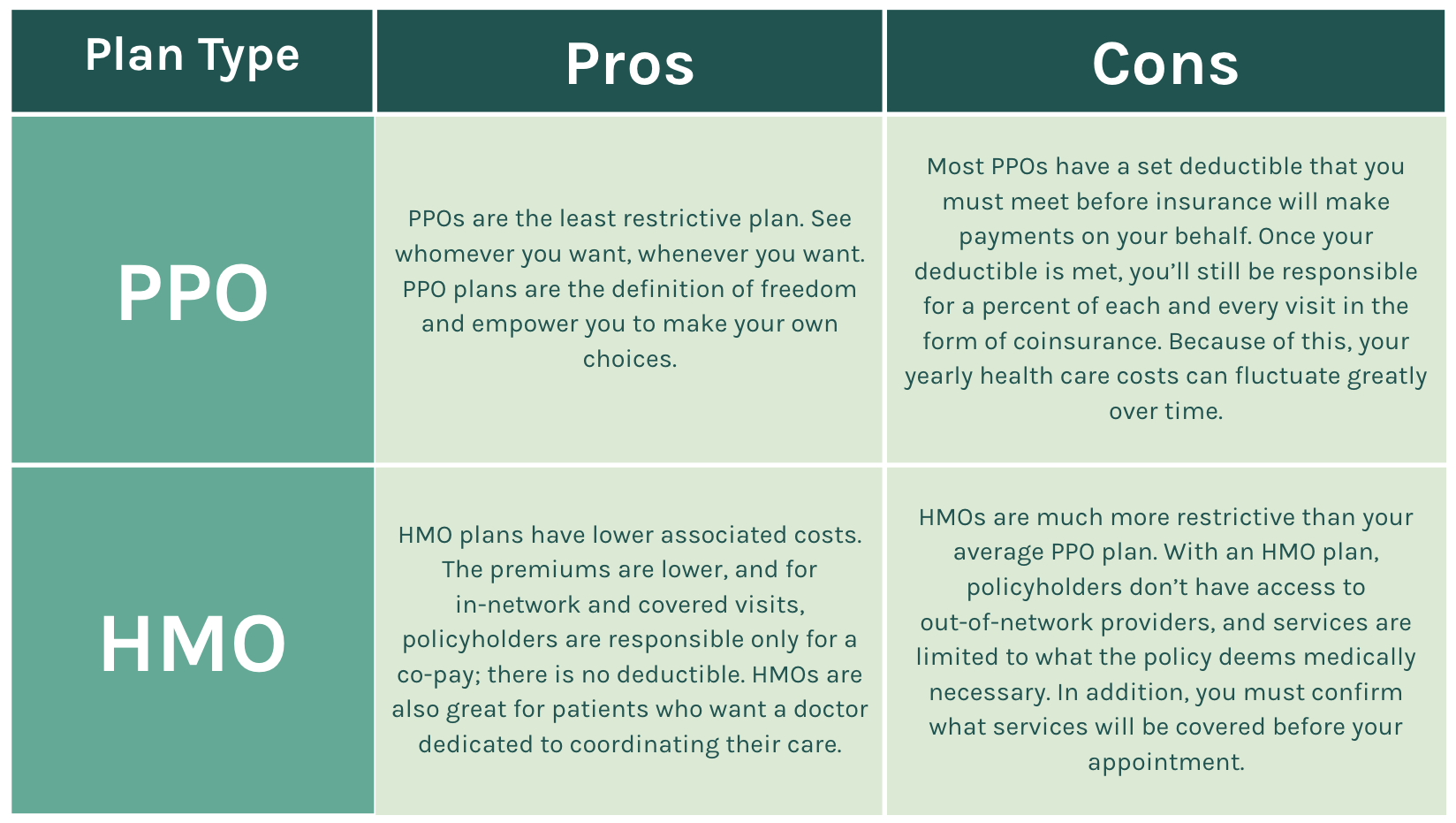
Deciding whether an HMO is the right health insurance choice involves weighing its unique benefits against its potential limitations. Understanding both sides is crucial for aligning the plan with your financial strategy and healthcare preferences.
The Upsides: Why an HMO Might Be Right for You
Opting for an HMO can offer several compelling advantages, primarily centered around cost and coordinated care.
-
Lower Premiums: Perhaps the most significant draw of an HMO is its generally lower monthly premiums compared to PPO or POS plans. This makes it an attractive option for individuals and families looking to reduce their fixed monthly expenses.
-
Predictable Out-of-Pocket Costs: With a focus on fixed copayments for most services, HMOs offer greater predictability regarding healthcare expenses. This makes budgeting for medical care much simpler, as you often know exactly what you’ll pay for a doctor’s visit or prescription.
-
Integrated and Coordinated Care: The gatekeeper function of the PCP ensures that all your medical care is coordinated. Your PCP has an overarching view of your health, potentially leading to better integrated care, fewer redundant tests, and more consistent treatment plans. This can be particularly beneficial for individuals with chronic conditions.
-
Emphasis on Preventive Care: HMOs often strongly emphasize preventive services, such as annual physicals, screenings, and immunizations, often covering them at 100% with no copay or deductible. By focusing on keeping members healthy, HMOs aim to reduce the need for more expensive treatments down the line.
-
Simplified Billing: Because all care is typically within a single network and coordinated by your PCP, the billing process can often be simpler and more straightforward than with plans that allow out-of-network care.
The Downsides: Potential Drawbacks to Consider
Despite the benefits, HMOs do come with certain limitations that might not suit everyone’s needs or preferences.
-
Limited Choice of Providers: The most frequently cited drawback is the restriction to a specific network of doctors and hospitals. If you have established relationships with healthcare providers who are not part of the HMO’s network, you will likely need to switch or pay the full cost out-of-pocket to continue seeing them. This lack of flexibility can be a significant concern for some.
-
Referral Hurdles: While beneficial for coordination, the necessity of obtaining a referral from your PCP for specialist visits can sometimes feel like an extra bureaucratic step. For those who frequently visit specialists or prefer direct access, this system can be inconvenient and time-consuming.
-
Less Flexibility: The inability to go outside the network for non-emergency care without incurring substantial costs means less flexibility in choosing where and from whom you receive medical services. This can be particularly challenging if you travel frequently or split your time between different locations where your HMO network coverage might vary or be non-existent.
-
Potential Delays in Specialist Access: While referrals aim for efficiency, they can sometimes introduce delays in accessing specialist care, especially if your PCP’s office is busy or if there’s a backlog in scheduling the initial consultation.
Comparing HMOs to Other Health Plan Types
Understanding what an HMO means is best achieved by comparing it to other common health insurance plan types. Each plan has a distinct approach to provider networks, cost-sharing, and access to care, which in turn impacts your financial outlay and flexibility.
HMO vs. PPO (Preferred Provider Organization)
The PPO (Preferred Provider Organization) plan is arguably the most common alternative to an HMO and represents a significant difference in philosophy and operation.
-
Network Flexibility: This is the primary differentiator. PPOs offer much greater flexibility. While they also have a network of preferred providers, you can typically see out-of-network doctors or specialists without a referral, albeit at a higher cost. HMOs, in contrast, provide virtually no coverage for out-of-network care, except in emergencies.
-
Referral System: PPOs generally do not require a referral from a PCP to see a specialist. Members can self-refer to any specialist, in or out of network, though out-of-network costs will be higher.
-
Cost Structure: PPO premiums are typically higher than HMO premiums. They often come with higher deductibles and coinsurance rates for out-of-network services. While HMOs emphasize predictable copays, PPOs often have higher deductibles that must be met before coverage kicks in, especially for major services.
-
PCP Role: While PPOs encourage having a PCP, it’s not a mandatory gatekeeper role as it is in an HMO.
HMO vs. EPO (Exclusive Provider Organization)
EPO (Exclusive Provider Organization) plans share some similarities with HMOs but also have key distinctions.
-
Network Restriction: Like HMOs, EPOs typically restrict coverage to providers within their network, with no coverage for out-of-network care except in emergencies. This “exclusive” aspect is where they get their name.
-
Referrals: The main difference from an HMO is that EPOs usually do not require a referral from a PCP to see a specialist within the network. This offers a bit more flexibility than an HMO while retaining the network restriction.
-
Cost: EPO premiums are often somewhere between HMO and PPO plans, balancing network restriction with more direct access to specialists.
HMO vs. POS (Point of Service)
POS (Point of Service) plans are often considered a hybrid model, blending features of both HMOs and PPOs.
-
Flexibility and Referrals: POS plans typically require you to choose a PCP within the network, similar to an HMO. This PCP acts as a gatekeeper for in-network specialist referrals. However, if you choose to go out of network, you can often do so without a referral, much like a PPO, but you will pay significantly higher out-of-pocket costs (higher deductibles, copays, and coinsurance).
-
Cost Structure: POS plans generally have higher premiums than HMOs but lower than PPOs. The cost-sharing depends heavily on whether you stay within the network or venture out.
In essence, the choice among these plans often comes down to a trade-off between cost, flexibility, and the desire for coordinated care. HMOs offer the most structured and cost-controlled environment, while PPOs provide the most freedom but at a higher price point. EPOs and POS plans offer intermediate options.
Making an Informed Decision: Is an HMO Right for Your Financial and Health Needs?
Choosing a health insurance plan is a significant financial decision that directly impacts your access to healthcare. An HMO can be an excellent choice for many, but it’s crucial to align its structure with your personal circumstances.
Factors to Consider When Choosing
When evaluating whether an HMO is the right fit for you, consider the following key factors:
-
Budget: If minimizing monthly premiums and having predictable out-of-pocket costs are your top priorities, an HMO could be a strong contender. Its cost-effectiveness is one of its primary appeals.
-
Preferred Doctors and Hospitals: Research the HMO’s network thoroughly. Are your current doctors, specialists, or preferred hospitals included? If not, are you willing to switch providers? This is a non-negotiable aspect of HMO membership.
-
Health Needs: If you primarily need routine check-ups and generally stay healthy, an HMO’s emphasis on preventive care and coordinated services can be ideal. If you have chronic conditions that require frequent specialist visits or specialized treatments, ensure those specialists are in the network and you are comfortable with the referral process.
-
Travel Habits: If you travel frequently, especially outside your plan’s service area, an HMO’s limited geographical coverage (for non-emergencies) might be a concern. Consider how you would access care if you fell ill far from home.
-
Comfort with a PCP Gatekeeper: Some individuals prefer direct access to specialists, while others appreciate having a single point of contact for all their healthcare needs. Your comfort level with the referral system is key.

Practical Tips for Maximizing Your HMO Benefits
If you decide an HMO is the right choice for you, maximizing its benefits can help you get the most out out of your plan and manage your finances effectively:
-
Understand Your Plan Documents: Read your Summary of Benefits and Coverage (SBC) thoroughly. Know your copays, deductible, out-of-pocket maximum, and which services require a referral. Ignorance can lead to unexpected bills.
-
Build a Strong Relationship with Your PCP: Your Primary Care Provider is your gateway to care. A good relationship ensures they understand your health history and can advocate for your needs within the network. Don’t hesitate to ask questions about referrals or treatment options.
-
Utilize Preventive Services: Take advantage of the comprehensive preventive care offered by HMOs. Annual check-ups, screenings, and vaccinations are often covered at 100% and can help catch potential health issues early, saving you money and preventing more serious conditions.
-
Verify Network Status: Always double-check that any provider or facility you plan to visit is in your HMO’s network before receiving services. Provider networks can change, so a quick call to your insurer or a check on their online portal can prevent costly surprises.
-
Keep Records of Referrals: Maintain a record of all referrals issued by your PCP. This can be helpful for tracking purposes and resolving any billing discrepancies.
Ultimately, “What does HMO insurance mean?” translates into a healthcare model focused on managed, integrated care within a specific network, generally offering lower premiums and predictable costs in exchange for less flexibility and a structured referral system. For individuals and families who prioritize affordability and a coordinated approach to healthcare, and who are comfortable with the network restrictions, an HMO can be a financially savvy and effective choice for their health insurance needs. Carefully evaluating your personal circumstances against the unique features of an HMO will empower you to make an informed decision that supports both your well-being and your financial health.
aViewFromTheCave is a participant in the Amazon Services LLC Associates Program, an affiliate advertising program designed to provide a means for sites to earn advertising fees by advertising and linking to Amazon.com. Amazon, the Amazon logo, AmazonSupply, and the AmazonSupply logo are trademarks of Amazon.com, Inc. or its affiliates. As an Amazon Associate we earn affiliate commissions from qualifying purchases.