
The concept of “intelligence quotient” or IQ has fascinated humanity for over a century, serving as a benchmark for cognitive ability. Historically, IQ tests were paper-and-pencil affairs, meticulously administered by trained psychologists in clinical settings. These assessments aimed to quantify various facets of human intellect, from logical reasoning and problem-solving to verbal comprehension and spatial awareness. However, as technology permeates every aspect of our lives, the very definition and delivery of a “high IQ test” have undergone a profound transformation. In the digital age, a high IQ test is no longer just a measure of raw intellect; it is a sophisticated technological construct, leveraging advanced software, artificial intelligence, and digital platforms to offer unprecedented precision, accessibility, and insights. This article explores what constitutes a high-quality IQ test in today’s technologically driven world, focusing on its evolution, the tools that power it, and its implications for understanding human cognition.
The Evolution of Cognitive Assessment: From Paper to Pixels
The journey of IQ testing from its analog origins to its current digital incarnation is a testament to the relentless march of technological innovation. Understanding this evolution is crucial to appreciating the capabilities of modern high IQ tests.
Traditional IQ Testing: A Brief Overview
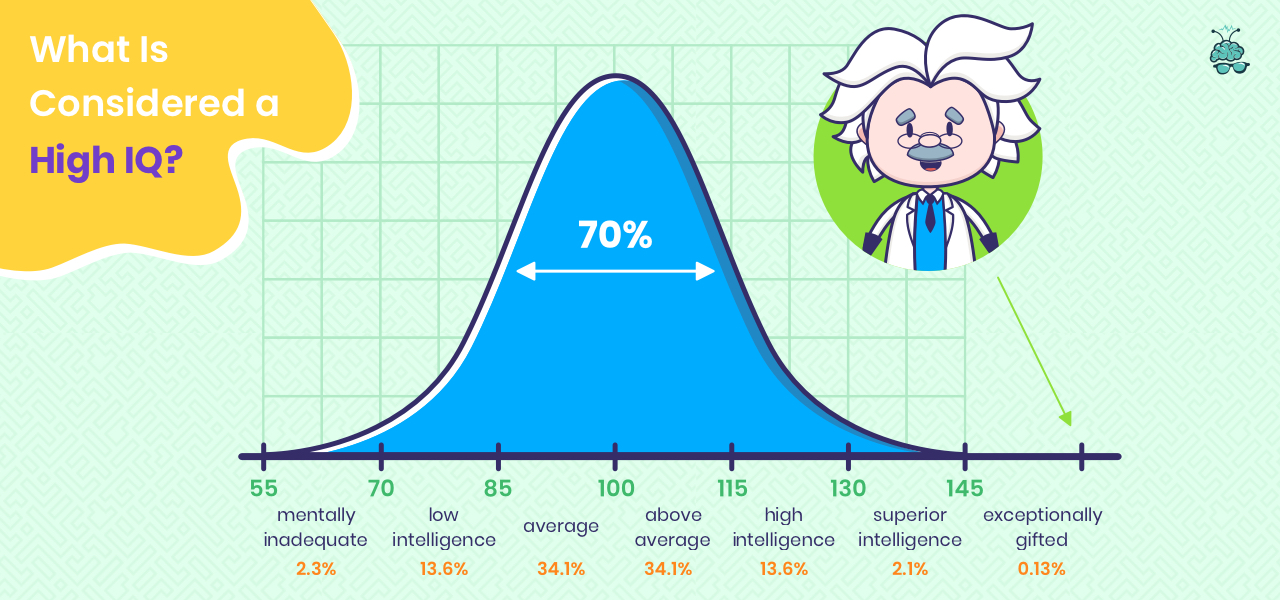
Early IQ tests, pioneered by figures like Alfred Binet and David Wechsler, were revolutionary for their time. They provided a standardized method for assessing cognitive functions, which was invaluable for educational placement and psychological evaluation. These tests typically involved a battery of subtests administered verbally or visually, requiring manual scoring and interpretation. While groundbreaking, they were limited by their fixed nature, the potential for human error in administration and scoring, and often, their lack of dynamic adaptability to individual responses. The process was resource-intensive, requiring significant time from both test-taker and administrator, making widespread, frequent assessment impractical. The concept of a “high IQ” was largely determined by percentile rankings against a normative sample, indicating performance significantly above the average.
The Digital Transformation of Intelligence Measurement
The advent of personal computers and the internet began to democratize and revolutionize the field of psychometrics. Digital platforms offered immediate benefits: automated scoring eliminated human error, standardized presentation ensured consistency, and remote administration opened up possibilities for broader data collection and access. Initial digital versions were often direct translations of paper tests, but quickly evolved to leverage the unique capabilities of computing. Today, high IQ tests are almost exclusively digital, ranging from sophisticated online platforms used by professional organizations to engaging mobile applications designed for general cognitive assessment. This shift has not only streamlined the testing process but has also paved the way for more complex and dynamic forms of cognitive evaluation that were previously impossible.
Leveraging AI and Advanced Software in High IQ Testing
The true innovation in modern high IQ tests lies in their deep integration with advanced software and artificial intelligence. These technologies elevate a simple digital test into a powerful, adaptive, and insightful cognitive assessment tool.
Adaptive Testing Algorithms: Tailoring the Challenge
One of the most significant advancements is the implementation of adaptive testing algorithms. Unlike fixed-form tests where every participant answers the same questions, adaptive tests adjust the difficulty of subsequent questions based on the test-taker’s previous responses. If a user answers correctly, the system presents a harder question; if they answer incorrectly, an easier one. This method, often powered by Item Response Theory (IRT), allows for a much more precise and efficient estimation of an individual’s cognitive ability. For a “high IQ test,” this means the test can quickly identify and home in on the upper limits of a test-taker’s intellectual capacity without presenting an overwhelming number of questions that are either too easy or impossibly difficult. This personalized approach not only reduces test fatigue but also yields more accurate results, especially at the extremes of the intelligence spectrum.
AI-Driven Analytics: Deeper Insights into Cognitive Profiles
Beyond adaptive question selection, AI plays a crucial role in analyzing the vast amounts of data generated by digital tests. Modern high IQ tests leverage machine learning models to identify subtle patterns in response times, error types, and problem-solving strategies that human analysts might miss. AI can construct comprehensive cognitive profiles, breaking down an individual’s overall IQ score into specific strengths and weaknesses across various cognitive domains (e.g., fluid reasoning, working memory, processing speed). This granular analysis provides far richer insights than a single numerical score, offering a detailed map of an individual’s intellectual landscape. For instance, AI can differentiate between someone who struggles with processing speed but excels in abstract reasoning versus someone with the opposite profile, even if their overall scores are similar. These insights are invaluable for personalized learning, career guidance, and even clinical diagnosis.
Gamification and Interactive Platforms: Engaging Modern Test-Takers
Modern software design principles, including gamification, are increasingly integrated into high IQ tests to make them more engaging and less intimidating. Tests are designed with interactive interfaces, visually stimulating graphics, and sometimes even narrative elements that transform the assessment process into a more enjoyable experience. While maintaining psychometric rigor, these platforms use sophisticated UI/UX design to minimize anxiety and maximize engagement, especially for younger generations accustomed to interactive digital experiences. This approach ensures that test-takers are motivated to perform their best, providing a more accurate reflection of their true cognitive abilities. Furthermore, these platforms often provide immediate, albeit often simplified, feedback, adding to the interactive nature of the assessment.
Characteristics of a High-Quality Digital IQ Test
Not all digital IQ tests are created equal. The proliferation of online tests makes it imperative to understand the distinguishing features of a truly high-quality digital assessment.
Validity, Reliability, and Normative Data in the Digital Realm
At its core, a high IQ test, regardless of its format, must be psychometrically sound.
-
Validity ensures that the test measures what it claims to measure (e.g., fluid intelligence, not just reading speed). In the digital context, this means carefully designing questions and tasks that are culturally fair and robust against various digital distractions or technical glitches.
-
Reliability indicates that the test produces consistent results over time and across different administrations. Digital tests can enhance reliability through standardized presentation and automated scoring, but developers must guard against issues like platform instability or varying internet speeds affecting performance.
-
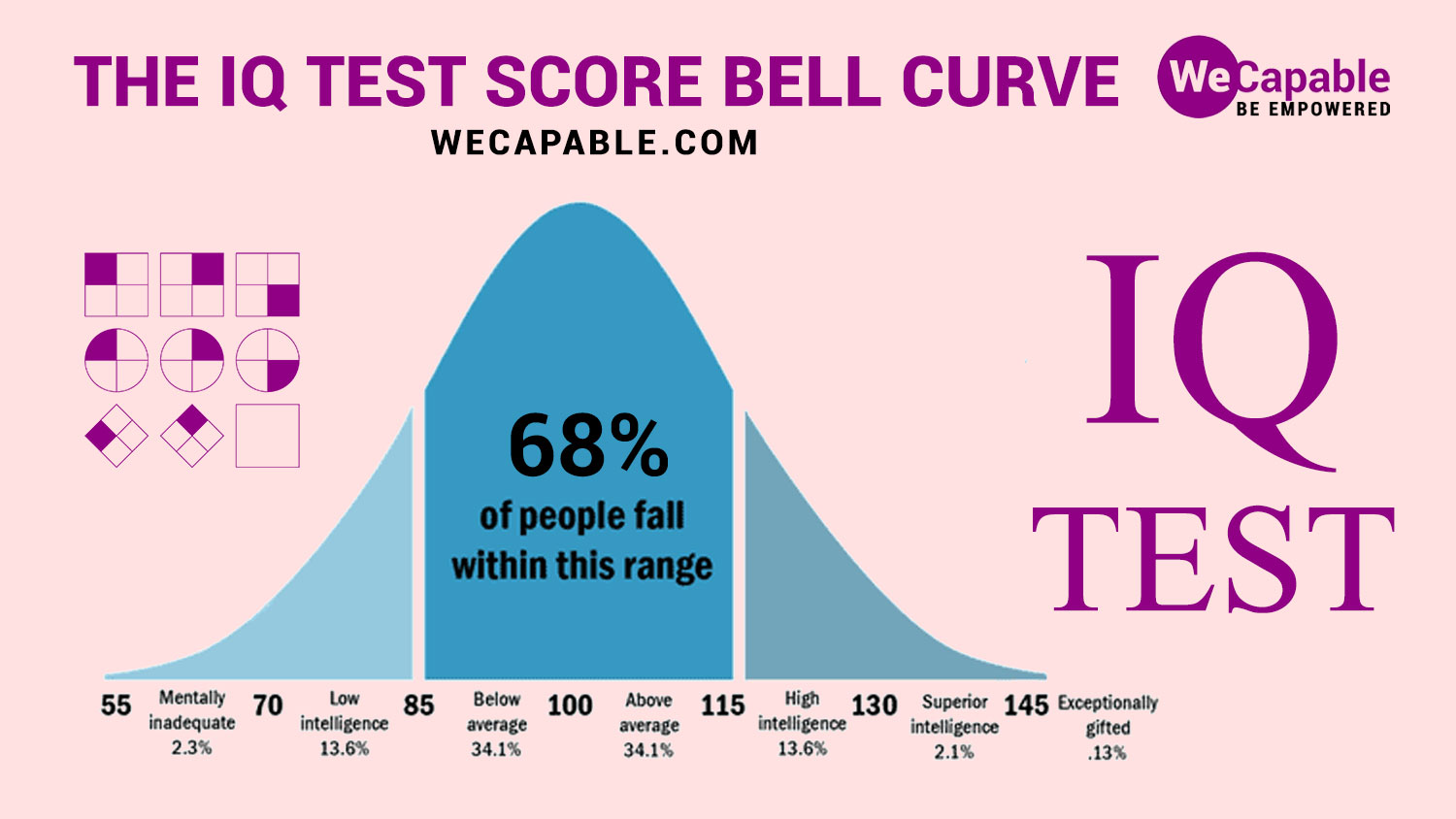
Normative data is critical for interpreting scores. A high-quality digital IQ test must be normed against a large, representative population sample to accurately place an individual’s score within a broader context. This data is collected and continuously updated using sophisticated statistical software to ensure its relevance and accuracy for diverse demographics.
User Experience and Accessibility Considerations
A high-quality digital IQ test prioritizes user experience (UX) and accessibility. This includes intuitive navigation, clear instructions, and a responsive design that works seamlessly across various devices (desktops, tablets, laptops). Accessibility features, such as text-to-speech options, adjustable font sizes, and compatibility with assistive technologies, are becoming standard requirements to ensure the test is fair and available to individuals with disabilities. The goal is to minimize cognitive load related to test navigation or technical issues, allowing the test-taker to focus solely on the cognitive tasks at hand.
Security and Data Privacy for Online Assessments
With sensitive personal data and performance metrics being collected, the security and privacy protocols of a digital IQ test are paramount. High-quality platforms employ robust encryption, secure data storage, and strict access controls to protect test-takers’ information. Compliance with data protection regulations (e.g., GDPR, CCPA) is non-negotiable. Furthermore, measures to prevent cheating, such as proctoring software, IP address tracking, and sophisticated algorithms that detect anomalous response patterns, are often integrated, especially for high-stakes assessments used in academic or professional settings. These technological safeguards are essential for maintaining the integrity and trustworthiness of the assessment results.
The Impact of Technology on Defining “High IQ”
The technological advancements in IQ testing are not merely changing how we measure intelligence but also subtly influencing what we consider “high IQ” to be.
Broadening the Scope: Beyond Traditional Psychometrics
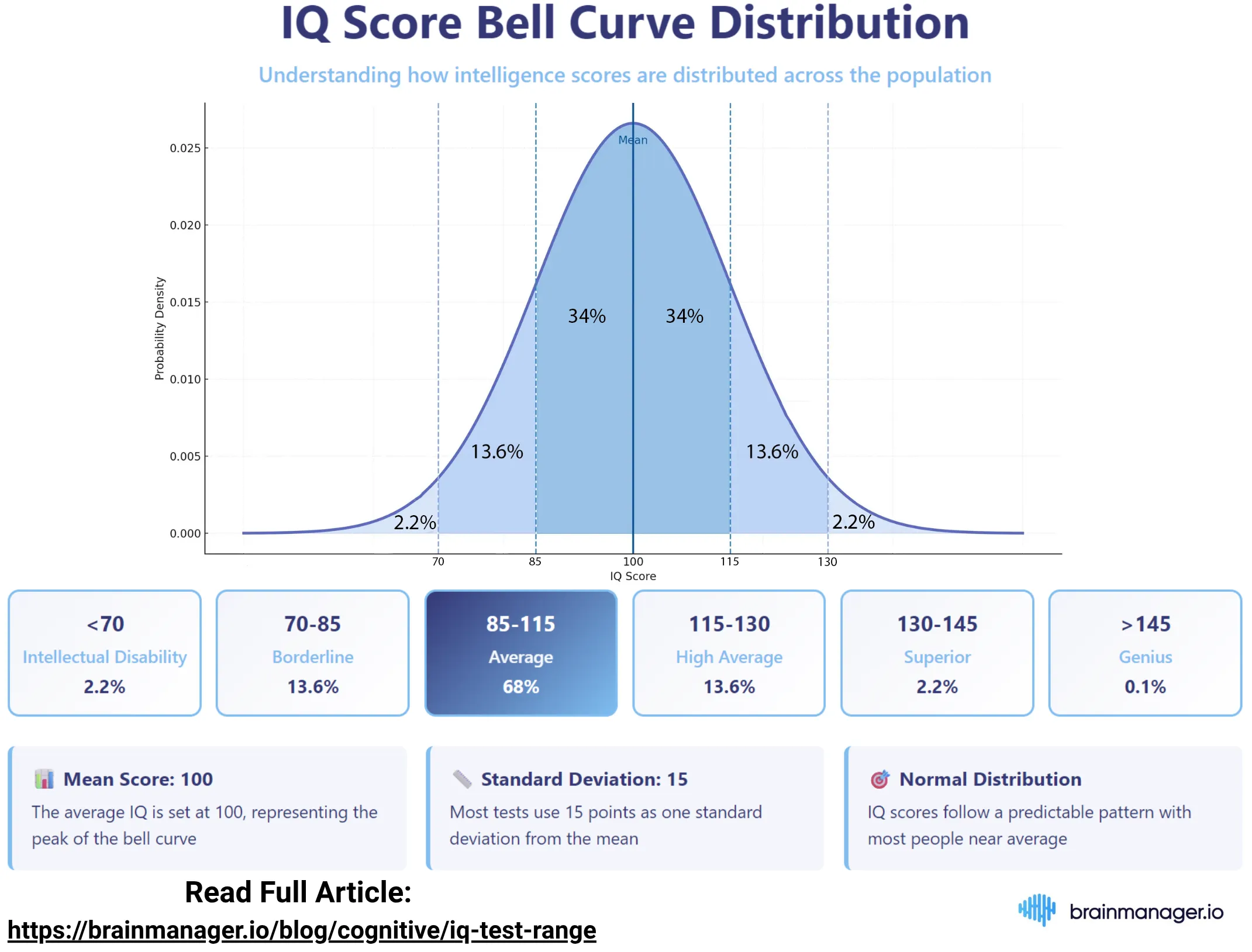
While traditional IQ tests primarily focused on a few core cognitive abilities, the digital age, particularly with AI-driven analytics, allows for a much broader and more nuanced understanding of intelligence. Modern high IQ tests can incorporate dynamic problem-solving scenarios, adaptive learning tasks, and even measures of emotional intelligence or creativity, which were harder to quantify objectively in traditional formats. This allows for a more holistic assessment, acknowledging that “high IQ” might manifest in diverse cognitive strengths beyond just logical reasoning. As technology provides the tools to measure more facets of cognition, our definition of exceptional intelligence continues to expand.
Personalized Feedback and Cognitive Development Tools
One of the most empowering aspects of modern digital IQ tests is their ability to provide immediate and personalized feedback. Beyond just a score, many platforms offer detailed reports highlighting strengths and areas for improvement, often with suggestions for cognitive exercises or learning strategies. This moves the IQ test from a static diagnostic tool to a dynamic component of personal development. For individuals identified as having a “high IQ,” these insights can guide them towards challenging fields, specialized education, or even help them understand their unique cognitive wiring better. The integration of cognitive training games and modules directly within assessment platforms further blurs the line between testing and development, fostering continuous intellectual growth.
In conclusion, “what is a high IQ test” in the digital age is far more than a simple set of questions. It is a sophisticated technological ecosystem, built on adaptive algorithms, AI-powered analytics, and user-centric design, all underpinned by rigorous psychometric principles. These modern assessments offer unparalleled precision, accessibility, and depth of insight into human cognition. As technology continues to evolve, we can anticipate even more innovative approaches to understanding and measuring intelligence, further refining our definition of what it truly means to possess a high IQ in an increasingly complex and interconnected world.
aViewFromTheCave is a participant in the Amazon Services LLC Associates Program, an affiliate advertising program designed to provide a means for sites to earn advertising fees by advertising and linking to Amazon.com. Amazon, the Amazon logo, AmazonSupply, and the AmazonSupply logo are trademarks of Amazon.com, Inc. or its affiliates. As an Amazon Associate we earn affiliate commissions from qualifying purchases.