
In the complex landscape of personal finance, few documents hold as much silent power as the Explanation of Benefits (EOB). Often mistaken for a bill or dismissed as just another piece of paperwork from an insurance company, the EOB is, in reality, a critical financial statement that empowers individuals to understand, manage, and even challenge their healthcare expenses. For anyone navigating the intricacies of health insurance and medical billing, comprehending the EOB is not just helpful; it’s essential for protecting your financial well-being and ensuring you’re only paying what you legitimately owe.
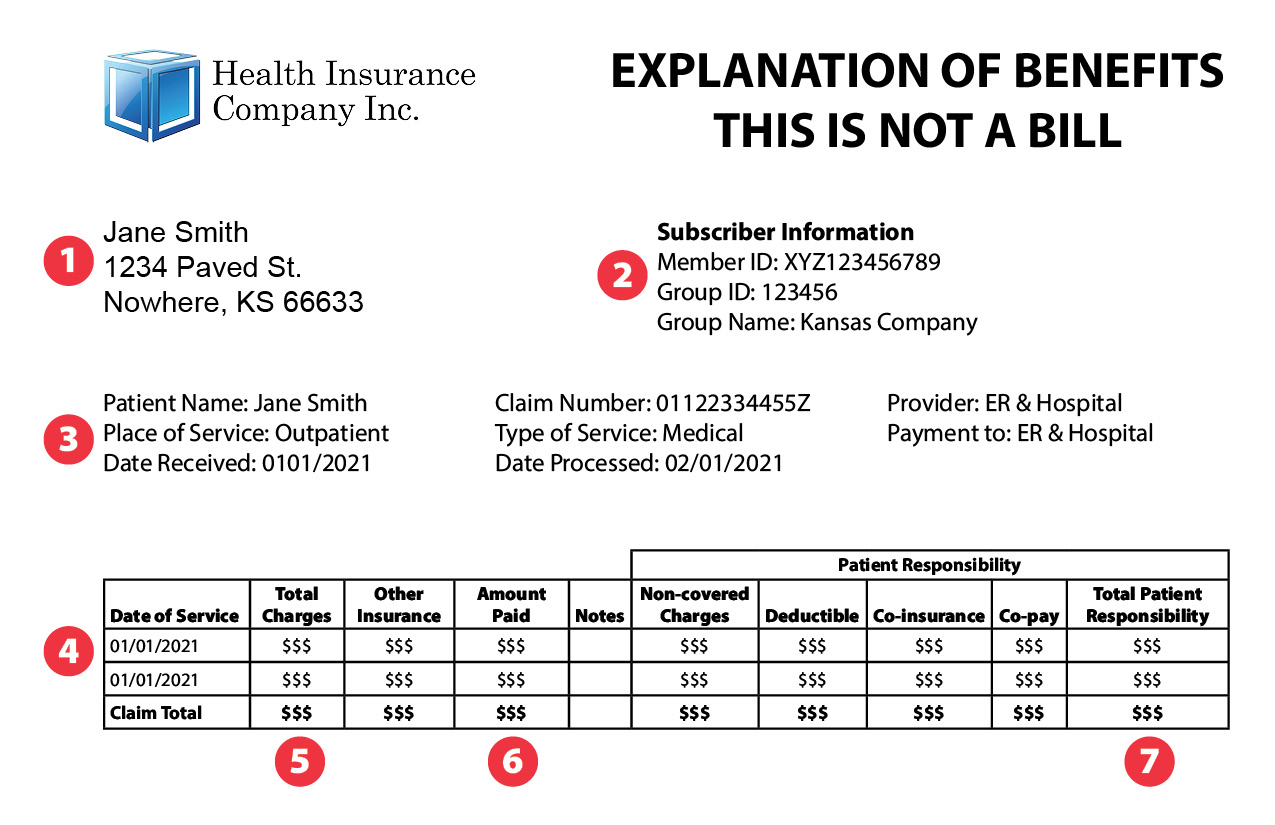
At its core, an EOB is a detailed summary sent by your health insurance company after you’ve received medical services. It’s designed to explain how your benefits were applied to a specific claim. Unlike a medical bill, which comes from your doctor or hospital and requests payment, an EOB comes from your insurer and details what they paid and what portion remains your responsibility. Ignoring or misunderstanding your EOB can lead to overpayments, missed billing errors, or a general lack of clarity regarding your financial obligations in healthcare, making it a pivotal document in the realm of personal finance and healthcare cost management.
Demystifying the Explanation of Benefits: A Core Financial Document
For many, healthcare costs represent one of the most significant and often unpredictable expenditures in a household budget. The EOB acts as a vital financial tool, providing transparency into these costs and serving as a bridge between the services you receive and the financial impact on your wallet. Viewing the EOB as a financial statement, much like a bank statement or an investment summary, is the first step toward effectively managing your healthcare spending.
What an EOB Is (and Isn’t)
An EOB is often misunderstood, leading to confusion and, at times, panic. It is crucial to distinguish what it represents:
-
What an EOB Is: An EOB is a communication from your health insurance company detailing a specific healthcare claim. It breaks down the services you received, the amount the provider charged, the amount your insurer paid, and what your remaining financial responsibility might be. It serves as a record of services rendered and your insurance company’s response to those services, showing how your deductible, copay, and coinsurance apply. Essentially, it’s an accounting of your benefits utilization.
-
What an EOB Isn’t: Critically, an EOB is not a bill. You should never send payment based solely on an EOB. While it indicates your potential financial responsibility, the actual bill for the balance will come directly from your healthcare provider. The EOB informs you about what will be billed, allowing you to cross-reference it with the provider’s bill when it arrives. Sending payment based on an EOB could lead to duplicate payments or payments for services that haven’t actually been billed by the provider yet.
Why Every Policyholder Needs to Understand Their EOB
Understanding your EOB goes far beyond mere financial literacy; it’s about financial empowerment in a healthcare system that can often feel opaque and overwhelming.
-
Empowering Financial Decisions: By comprehending your EOB, you gain a clear picture of how much of your deductible has been met, how much you’ve contributed to your out-of-pocket maximum, and what percentage of costs your insurance truly covers. This knowledge is invaluable for planning future medical expenses, making informed decisions about elective procedures, or even choosing providers based on cost-effectiveness.
-
Avoiding Overpayment and Errors: Billing errors in healthcare are unfortunately common. These can range from incorrect service codes to charges for services you didn’t receive. Without reviewing your EOB, such errors can go unnoticed, leading to you paying more than you should. It acts as your primary defense against fraudulent billing or simple administrative mistakes.
-
Navigating Your Benefits: The EOB is a practical guide to your insurance policy. It illustrates exactly how your specific plan’s benefits—like copays, deductibles, and coinsurance—are applied to real-world medical care. This demystifies the policy document and helps you understand the true financial implications of your coverage.
Decoding the Components of an EOB
While the layout of an EOB can vary slightly between insurance providers, they all contain core information designed to communicate your benefits usage. Understanding each section is key to fully leveraging this financial document.
Patient and Provider Information
This section identifies who received the services and who provided them. It typically includes the patient’s name, policy number, the provider’s name, and their contact information. Always verify this information to ensure the EOB pertains to you and the correct service provider.
Service Dates and Description of Services
Here, you’ll find the date(s) on which the medical services were rendered and a brief description of those services. This is a critical section for verification. Did you actually receive these services on these dates? Are the descriptions accurate? For instance, it might list “Office Visit,” “Lab Test,” or “X-Ray.”
Amount Billed by Provider
This is the original charge submitted by your healthcare provider for the services. It represents the “sticker price” before any insurance adjustments or payments. This figure is important for comparison against the allowed amount.
Allowed Amount/Negotiated Rate
This figure represents the maximum amount your insurance company will pay for a covered service. If your provider is “in-network,” they have a pre-negotiated contract with your insurer to accept this allowed amount as full payment for the service, regardless of their initial billed amount. If the provider is out-of-network, the allowed amount might be lower, and you could be responsible for the difference (balance billing).
Applied to Deductible/Copay/Coinsurance
This section details how your financial responsibility is calculated based on your plan’s terms:
-
Deductible: The amount you must pay out-of-pocket for covered services before your insurance plan starts to pay. The EOB shows how much of the allowed amount was applied to your deductible.
-
Copay: A fixed amount you pay for a covered healthcare service after you’ve paid your deductible (or even before, depending on the plan).
-
Coinsurance: Your share of the cost of a covered healthcare service, calculated as a percentage (e.g., 20%) of the allowed amount for the service after you’ve met your deductible.
Amount Paid by Insurer
This is the actual dollar amount your health insurance company has paid directly to the healthcare provider for the services rendered. This amount reflects what your plan covers after your deductible, copay, and coinsurance have been applied.
Patient Responsibility
This is the most crucial financial figure for many: the amount you are still responsible for paying to the healthcare provider. This typically includes any remaining deductible, copay, or coinsurance. The provider will then send you a bill for this specific amount.
Remarks/Codes
EOBs often include codes or short remarks explaining why certain amounts were adjusted, denied, or processed in a particular way. These codes can clarify specific situations, such as “service not covered,” “provider not in network,” or “deductible not met.” Understanding these remarks can provide vital insights into your coverage limitations and the claims process.
The Financial Importance of Reviewing Your EOB

Regularly reviewing your EOBs is a cornerstone of prudent personal financial management, particularly concerning healthcare expenses. It’s an active step in safeguarding your budget and ensuring accountability from both providers and insurers.
Identifying Billing Errors and Fraud
One of the primary benefits of scrutinizing your EOB is the ability to spot mistakes or fraudulent charges. Common errors include:
-
Incorrect Dates of Service: Ensure the dates match when you actually received care.
-
Services Not Rendered: Check for charges for procedures or tests you didn’t undergo.
-
Duplicate Charges: Sometimes a service might be billed twice inadvertently.
-
“Upcoding”: A provider might bill for a more expensive service than what was actually performed.
-
Phantom Providers: Charges from providers you’ve never seen.
Catching these discrepancies early can save you significant money and protect you from medical identity theft.
Tracking Deductibles and Out-of-Pocket Maximums
Your EOB is the most accurate record of your progress toward meeting your annual deductible and out-of-pocket maximum. These thresholds are critical financial milestones in your health insurance plan.
-
Deductible: Knowing how much of your deductible you’ve met helps you anticipate future costs. If you’re close to meeting it, you might consider scheduling necessary appointments or procedures to take advantage of subsequent increased coverage.
-
Out-of-Pocket Maximum: Once you reach this limit, your insurance plan typically pays 100% of the cost for covered services for the remainder of the policy year. Tracking this figure via your EOB ensures you don’t overpay once this maximum is reached and helps you budget for catastrophic healthcare events.
Understanding Your Coverage
Beyond the numbers, EOBs offer invaluable insights into how your specific insurance plan works in practice. They illustrate which services are covered, which require prior authorization, and which might be excluded. This understanding can guide your future healthcare choices, helping you avoid financially unexpected services.
Preventing Surprises from Balance Billing
For out-of-network care, EOBs are crucial in understanding your potential for “balance billing.” This occurs when an out-of-network provider bills you for the difference between their charges and your insurance company’s allowed amount. Your EOB will clearly show the allowed amount, allowing you to anticipate if a provider might try to bill you for the remaining balance beyond what your insurance considered reasonable. This foresight empowers you to negotiate with providers or appeal to your insurer.
Navigating Discrepancies and Taking Action
Discovering an error or discrepancy on your EOB can be daunting, but it’s a situation where proactive financial stewardship can yield significant returns. Taking structured steps can help resolve issues efficiently.
When Your EOB Doesn’t Match Your Bill
This is a common scenario. Always compare your EOB with the actual bill you receive from your healthcare provider. If the “patient responsibility” amount on the EOB differs significantly from the amount requested on the provider’s bill, or if the services listed don’t align, it’s a red flag that warrants investigation. Never pay a bill that doesn’t reconcile with your EOB unless you’ve clarified the discrepancy.
Contacting Your Provider
Your first point of contact for billing discrepancies should usually be the healthcare provider’s billing department. They can clarify their charges, explain codes, and correct any administrative errors on their end. Be polite but firm, and have both your EOB and the provider’s bill in front of you. Often, issues can be resolved at this stage.
Engaging Your Insurance Company
If the provider cannot resolve the issue, or if the discrepancy lies with how your insurance processed the claim (e.g., denying a covered service, misapplying your deductible), then it’s time to contact your insurance company. This may involve:
-
Calling Member Services: Explain the discrepancy and ask for a detailed explanation of how the claim was processed.
-
Filing an Appeal: If you believe your insurer incorrectly processed or denied a claim, you have the right to appeal their decision. This usually involves submitting a formal letter and supporting documentation. Understand your plan’s appeal process and deadlines.
-
Seeking External Review: If your internal appeal is denied, you may have the right to an external review by an independent third party, often coordinated through your state’s department of insurance.
Keeping Meticulous Records
Throughout this process, maintaining detailed records is paramount. Keep copies of all EOBs, provider bills, correspondence with both your insurer and provider (including dates, names of people you spoke with, and summaries of conversations), and any documentation supporting your case. This paper trail is invaluable if you need to escalate an issue or file a formal complaint.
EOBs in the Digital Age: Access and Management
The digital transformation has significantly impacted how we access and manage financial documents, and EOBs are no exception. Embracing digital tools can streamline the process of monitoring your healthcare expenditures.
Online Portals and Digital EOBs
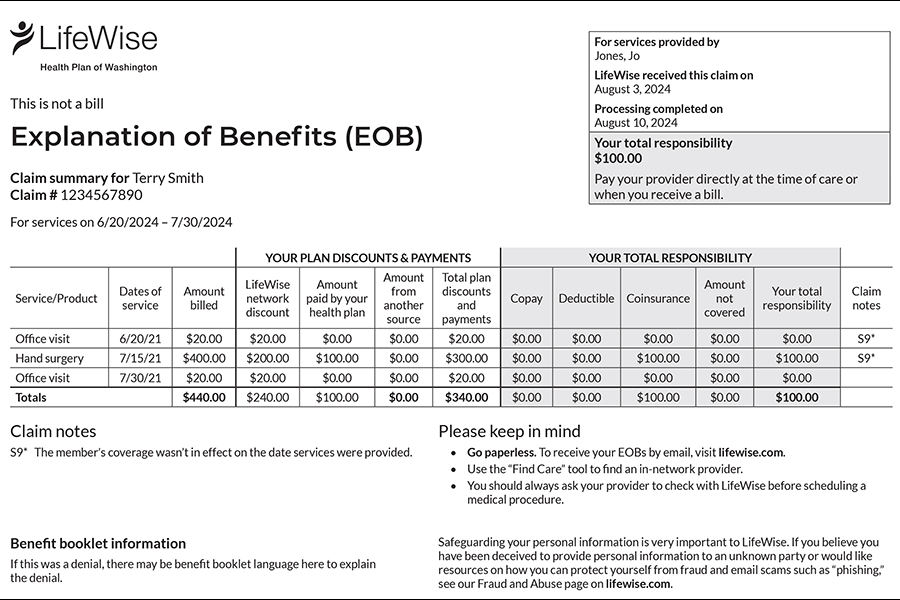
Most health insurance companies now offer secure online portals where policyholders can access their EOBs digitally. This provides several advantages:
-
Immediate Access: EOBs are often available online much faster than physical mail.
-
Convenience: View your EOBs from anywhere, at any time.
-
Environmental Benefit: Reduces paper waste.
-
Organized Archiving: Digital platforms often allow for easy searching and archiving of past EOBs.
Enrolling in these online services and opting for digital EOBs can be a powerful step toward proactive financial management of your healthcare.
Tools for Tracking Healthcare Expenses
Beyond viewing EOBs online, various personal finance tools and apps can help you track and manage your healthcare expenses more comprehensively. Some tools allow you to manually input data from your EOBs, while others might offer integrations or features designed specifically for medical billing. Using these tools to categorize expenses, monitor deductible progress, and project future costs can significantly enhance your overall financial planning. By integrating EOB data into your broader personal finance tracking system, you gain a holistic view of your financial health, ensuring healthcare costs are managed alongside other budgetary components.
In conclusion, the Explanation of Benefits is far more than just a piece of mail; it is an indispensable financial document that empowers individuals to be active participants in managing their healthcare costs. By understanding its components, diligently reviewing its contents, and knowing how to act on discrepancies, policyholders can protect themselves from errors, fraud, and financial surprises. In an era where healthcare costs are a significant concern, mastering your EOB is a fundamental step toward achieving greater financial control and peace of mind.
aViewFromTheCave is a participant in the Amazon Services LLC Associates Program, an affiliate advertising program designed to provide a means for sites to earn advertising fees by advertising and linking to Amazon.com. Amazon, the Amazon logo, AmazonSupply, and the AmazonSupply logo are trademarks of Amazon.com, Inc. or its affiliates. As an Amazon Associate we earn affiliate commissions from qualifying purchases.