
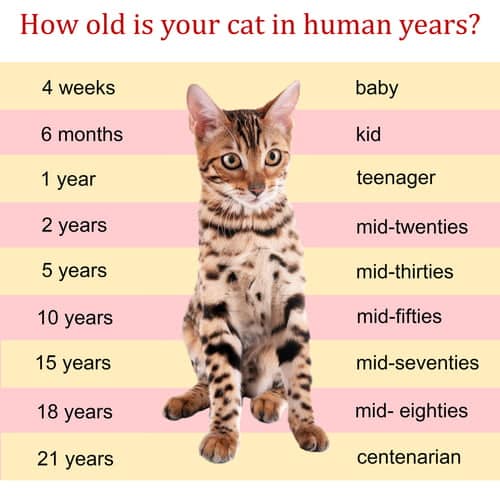
The purr of a contented cat is a universal symbol of warmth and companionship. For countless individuals and families, cats are not just pets; they are cherished members of the household, bringing joy, comfort, and sometimes, a delightful chaos. As any cat owner knows, bringing a feline into one’s life is a significant commitment, one that extends far beyond the initial adoption fee. Central to this commitment is the understanding of a cat’s life expectancy, a factor that profoundly shapes the financial landscape of pet ownership. While the average lifespan of a domestic cat ranges from 12 to 18 years, with many living into their early twenties, this impressive longevity carries substantial economic implications that astute owners must acknowledge and prepare for.
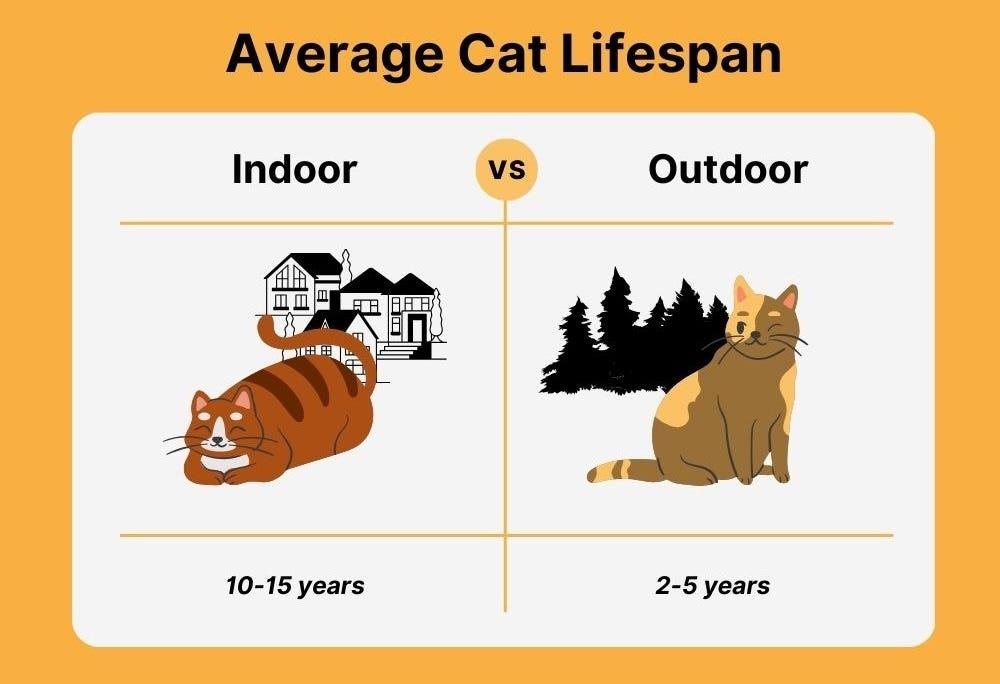
This article delves into the often-overlooked financial dimensions of feline longevity, exploring how understanding a cat’s potential lifespan informs budgeting, investment in their health, and long-term financial planning. From the routine costs of care to the unforeseen expenses of illness or injury, every aspect of a cat’s life has a monetary component. By approaching cat ownership with a clear financial perspective, owners can ensure their beloved companions receive the best possible care for their entire, potentially long, lives, while also safeguarding their own financial well-being.
The Financial Landscape of Feline Longevity
Embarking on the journey of cat ownership means accepting a long-term financial responsibility. The decisions made from day one, influenced heavily by the expected duration of a cat’s life, will resonate through years of budgeting and expenditure. Understanding these financial phases is crucial for responsible pet stewardship.
Initial Investment: Adoption, Supplies, and Early Care Costs
The very beginning of a cat’s life with a new owner represents the first wave of financial outlay. While the love for a new companion is priceless, acquiring a cat typically involves an adoption fee from a shelter or rescue, or a purchase price from a breeder. These initial costs, ranging from tens to hundreds or even thousands of dollars, often cover initial vaccinations, microchipping, and spaying/neutering, which are critical health and identification measures. Beyond the acquisition, there’s an immediate need for essential supplies: food and water bowls, a litter box and litter, a carrier for safe transport, and initial toys and scratching posts. These items, while seemingly minor individually, can quickly add up, often totaling several hundred dollars within the first few weeks. Smart shoppers look for deals, consider secondhand options for non-consumables, and prioritize durable, quality items that won’t need frequent replacement, representing a sensible financial strategy for a companion expected to live well over a decade.
The Ongoing Budget: Food, Litter, and Routine Wellness
Once the initial setup is complete, the financial commitment shifts to ongoing operational costs. At the core are food and litter. The choice of cat food, driven by nutritional needs, age, and any specific health conditions, varies significantly in price. Premium, vet-recommended diets can be considerably more expensive than generic brands, but often offer long-term health benefits that may reduce future veterinary costs. Similarly, litter choices, from basic clay to more advanced silica gel or plant-based options, present a range of prices and absorbency features. Beyond these daily necessities, routine veterinary check-ups are paramount. Annual wellness visits, boosters for vaccinations, and parasite prevention (fleas, ticks, worms) are non-negotiable aspects of preventive care. These routine expenses, while predictable, form a significant part of the annual pet budget, typically amounting to several hundred dollars per year. Owners planning for a 15-year lifespan should multiply these annual costs accordingly to grasp the full extent of their commitment.
Unexpected Costs: Accidents, Illnesses, and Emergency Funds
Perhaps the most challenging aspect of managing a pet’s financial future relates to the unpredictable. Accidents and illnesses are an unfortunate reality, and they can strike at any age. A broken bone, a sudden urinary tract infection, the development of chronic conditions like diabetes or kidney disease, or even cancer treatment can lead to veterinary bills soaring into the thousands, or even tens of thousands, of dollars. Without an emergency fund specifically designated for pet care, owners can find themselves in difficult positions, having to choose between their pet’s health and their financial stability. Building a dedicated savings account for pet emergencies, or even incorporating pet expenses into a broader household emergency fund, is a prudent financial strategy that acknowledges the high probability of unexpected medical events over a cat’s long life. This foresight is not just about fiscal responsibility; it’s about ensuring the best possible outcome for a beloved companion during a crisis.
Safeguarding Your Investment: The Role of Pet Insurance
Given the potential for high, unforeseen veterinary costs, pet insurance has emerged as a critical financial tool for cat owners. It’s a mechanism to mitigate risk, much like health insurance for humans or homeowner’s insurance for property, providing peace of mind and financial security against the unpredictable nature of a cat’s health over its extended lifespan.
Understanding Pet Insurance: What it Covers and What it Costs
Pet insurance policies vary widely, but generally offer coverage for accidents, illnesses, and sometimes routine wellness care. Accident-only plans are the most basic and affordable, covering injuries like fractures, poisonings, or cuts. Comprehensive plans, which cover a broader range of illnesses including infections, digestive issues, and chronic conditions, are more expensive but offer greater protection. Some premium policies also include wellness riders for routine check-ups, vaccinations, and dental cleanings, effectively bundling preventive care into the insurance package.
The cost of pet insurance is influenced by several factors: the cat’s age, breed (though less significant for cats than dogs), geographic location, and the specifics of the policy (deductible, reimbursement percentage, annual limit). Monthly premiums can range from $20 to $60 or more. It’s crucial to understand the nuances of each policy, including waiting periods before coverage begins, exclusions for pre-existing conditions, and how claims are processed (typically, you pay the vet upfront and then submit a claim for reimbursement).
Cost-Benefit Analysis: Is Pet Insurance Worth It for a Long-Lived Cat?
Deciding whether pet insurance is a sound financial investment requires a careful cost-benefit analysis. For a cat with a life expectancy of 15-20 years, the cumulative premiums paid over its lifetime can be substantial. However, a single major illness or accident requiring extensive veterinary care—such as surgery for a blocked bladder, chemotherapy for cancer, or long-term management of kidney disease—can easily exceed those cumulative premiums. For instance, a $5,000 emergency surgery could justify years of premium payments.
The primary benefit of pet insurance is financial protection against catastrophic expenses, preventing owners from having to make agonizing decisions based on cost. It allows owners to pursue the best available medical treatment without undue financial stress. While a healthy cat might not ‘break even’ on its policy, the peace of mind and the ability to afford necessary care when it truly matters are often considered invaluable. For owners without a robust emergency fund, pet insurance can be an indispensable safety net.
Choosing the Right Policy: Balancing Premiums and Coverage
Selecting the ideal pet insurance policy involves balancing monthly premiums with the level of coverage and potential out-of-pocket expenses. A higher deductible typically results in lower monthly premiums, but means more personal expense before coverage kicks in. Conversely, a lower deductible means higher premiums but less upfront cost during an incident. Reimbursement percentages (e.g., 70%, 80%, 90%) also play a key role; a 90% reimbursement means the insurer covers 90% of eligible costs after the deductible.
Owners should compare multiple quotes from reputable providers, read policy documents carefully, and consider their cat’s current health, age, and potential risks. It’s often advisable to secure pet insurance when a cat is young and healthy, before any pre-existing conditions develop, as these are typically excluded from coverage. This proactive financial decision ensures comprehensive protection throughout the cat’s entire lifespan, from kittenhood to their golden years.
Maximizing Lifetime Value: Strategies for a Healthy, Economical Life
A long life for a cat doesn’t just happen; it’s the result of consistent, high-quality care. From a financial perspective, investing in preventive health measures is one of the smartest long-term strategies. These measures not only contribute to a happier, healthier cat but can also significantly reduce the likelihood of expensive medical interventions down the line.
Preventive Care as a Financial Strategy: Vaccinations, Spay/Neuter, Dental Health
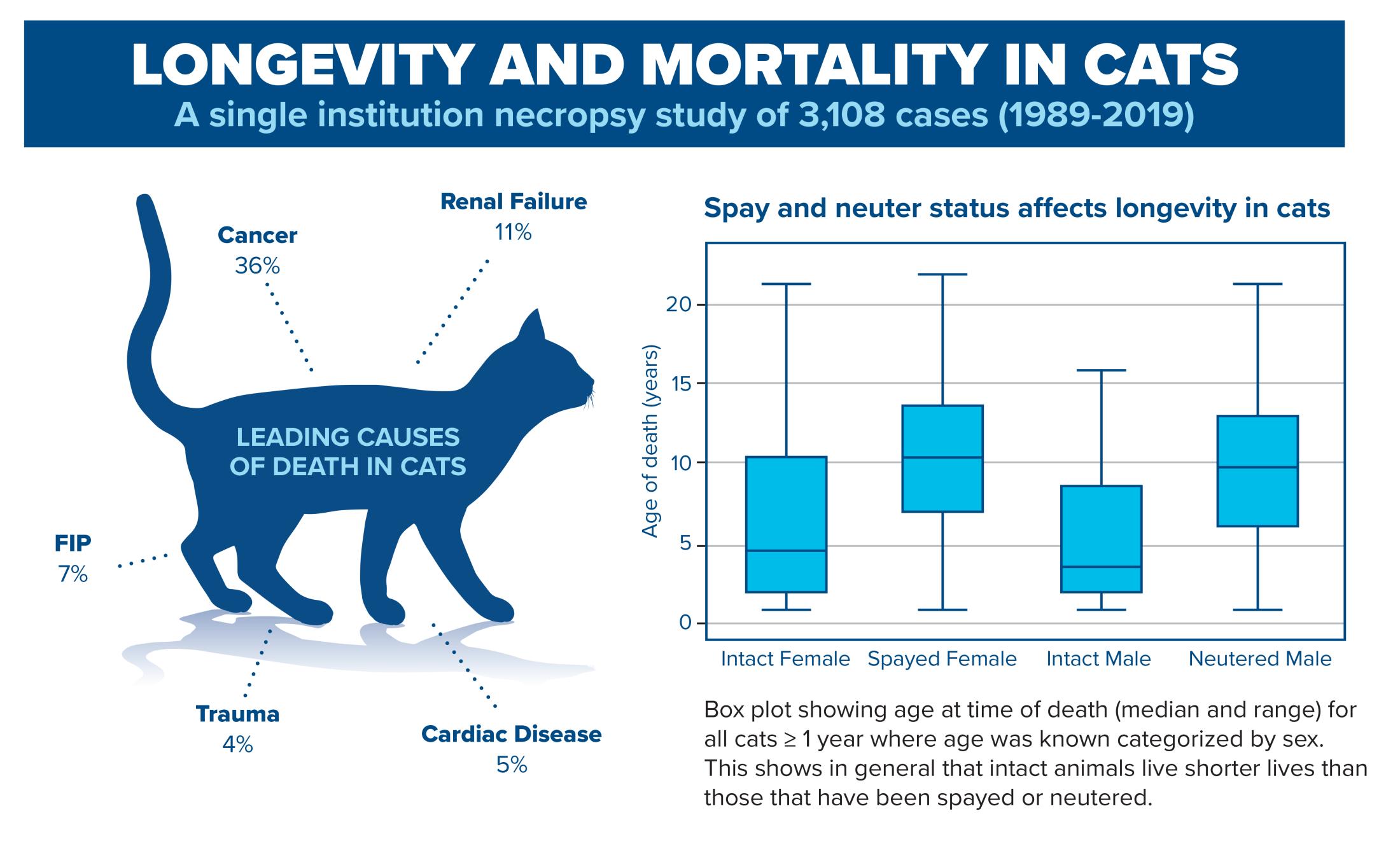
The old adage “an ounce of prevention is worth a pound of cure” holds significant financial weight in feline health. Regular vaccinations protect against common and potentially fatal diseases like rabies, feline distemper, and feline leukemia. The cost of these vaccinations is minimal compared to the expense of treating a full-blown illness. Similarly, spaying or neutering a cat not only helps control pet overpopulation but also prevents a host of health issues, including uterine infections, mammary tumors, and testicular cancers, all of which require expensive veterinary treatment. The initial cost of the surgery is a one-time expense that pays dividends in long-term health and reduced medical bills.
Dental health is another often-overlooked area with significant financial implications. Without regular dental care, cats can develop periodontal disease, leading to painful infections, tooth extractions, and even systemic health problems affecting the heart and kidneys. Regular dental cleanings under anesthesia, while an investment, can prevent more complex and costly dental surgeries or treatments for secondary health issues in the future. Integrating home dental care, such as brushing, can further extend the time between professional cleanings, offering additional savings.
Nutrition and Environment: Long-Term Savings Through Quality Choices
The quality of a cat’s diet directly impacts its health and, consequently, future veterinary expenses. While premium cat foods may have a higher upfront cost, they are formulated to provide complete and balanced nutrition, supporting overall health, a strong immune system, and a healthy weight. This can prevent diet-related illnesses such as obesity, diabetes, and urinary tract issues, which are costly to manage. Investing in a high-quality diet is essentially an investment in preventive medicine.
Similarly, a safe and stimulating home environment contributes to a cat’s physical and mental well-being. Providing adequate scratching posts, toys, and opportunities for exercise can prevent destructive behaviors, reduce stress (which can manifest as health problems), and minimize the risk of accidents. For indoor cats, a secure environment free from toxins and hazards reduces the likelihood of emergency vet visits. These environmental investments, while seemingly non-medical, are crucial for a long, healthy life and represent a proactive financial approach to pet ownership.
Senior Cat Care: Budgeting for Age-Related Needs
As cats age into their senior years (typically 11+ years), their needs change, and so do the associated costs. Senior cats are more prone to chronic conditions such as arthritis, kidney disease, hyperthyroidism, and cognitive dysfunction. These conditions often require more frequent veterinary check-ups, specialized diets, medications, and sometimes mobility aids or environmental adjustments. Budgeting for senior care means anticipating increased veterinary expenses, which can easily double or triple the annual routine care budget of a younger cat. Proactive financial planning for these golden years ensures that quality of life can be maintained without imposing an undue financial burden on the owner. This might include dedicated savings, a specific pet insurance plan that covers senior care, or ongoing discussions with a veterinarian about cost-effective management strategies.
The Economic Impact of Responsible Cat Ownership
Beyond the direct costs, responsible cat ownership, especially when considering a long lifespan, has broader economic implications. It’s about maximizing the “return on investment” – not just in monetary terms, but also in the intangible benefits that enrich lives, while minimizing potential financial strain through foresight and proactive management.
Reducing Future Veterinary Expenses Through Proactive Measures
The cumulative effect of preventive care, quality nutrition, and a safe environment is a significantly healthier cat. A healthier cat generally translates into fewer veterinary emergencies, fewer chronic disease diagnoses, and lower overall medical expenses throughout its lifespan. This proactive approach saves money in the long run by avoiding the high costs associated with treating advanced illnesses or chronic conditions. It’s an investment strategy where consistent small outlays on wellness yield substantial savings by preventing larger, more complex expenditures. Owners who commit to this model often find their cats not only live longer but also enjoy a higher quality of life, which is the ultimate payoff.
The Intangible Financial Returns: Peace of Mind and Companionship
While difficult to quantify in dollars and cents, the emotional and psychological benefits of cat companionship have an undeniable “value.” For many, cats provide stress reduction, emotional support, and a constant source of affection. The peace of mind that comes from knowing you can provide for your pet’s health, even in an emergency, is priceless. This “return on investment” in well-being cannot be overstated; it enriches lives in ways that tangible financial gains often cannot. Ensuring a cat’s long, healthy life through responsible financial planning means protecting this invaluable source of companionship for as long as possible. The longevity of a pet directly correlates with the duration of these profound emotional benefits.
Estate Planning for Your Feline Companion: Ensuring Care Beyond Your Lifetime
For those with significant financial assets or a profound attachment to their feline companions, the question of a cat’s care extending beyond the owner’s lifetime becomes a serious consideration, especially given their long life expectancy. This falls into the realm of estate planning. Establishing a pet trust, for example, is a legally binding arrangement that sets aside funds to provide for a cat’s care in the event of the owner’s death or incapacitation. This ensures that the cat will continue to receive the same standard of care, food, and veterinary attention, and that a designated guardian is financially supported in this role. While an advanced financial strategy, it reflects the ultimate commitment to a cat’s long-term welfare and underscores the deep financial and emotional investment many owners have in their pets.
In conclusion, understanding “what is a cat’s life expectancy” is far more than a biological fact; it’s a foundational element of sound financial planning for responsible pet ownership. From the initial investment to routine maintenance, unexpected emergencies, and even legacy planning, every stage of a cat’s potentially long life carries distinct financial implications. By approaching these aspects proactively, armed with knowledge and appropriate financial tools like budgeting and pet insurance, owners can ensure their beloved feline friends thrive for many years, enriching their lives while safeguarding their own financial futures.
aViewFromTheCave is a participant in the Amazon Services LLC Associates Program, an affiliate advertising program designed to provide a means for sites to earn advertising fees by advertising and linking to Amazon.com. Amazon, the Amazon logo, AmazonSupply, and the AmazonSupply logo are trademarks of Amazon.com, Inc. or its affiliates. As an Amazon Associate we earn affiliate commissions from qualifying purchases.