
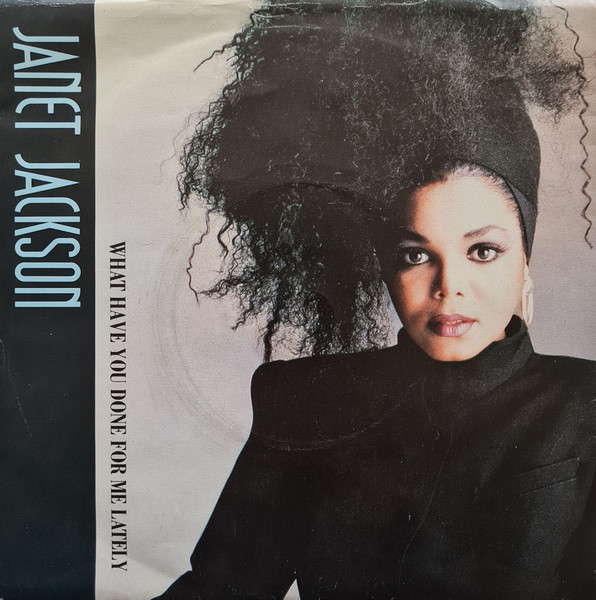
The ubiquitous phrase, often delivered with a hint of cynicism or impatience – “What have you done for me lately?” – resonates deeply within the landscape of modern branding. It’s a constant, silent interrogation posed by consumers, employees, and stakeholders alike, a daily referendum on a brand’s ongoing relevance and value. In an era of boundless choice, hyper-connectivity, and fleeting attention spans, a brand’s past achievements, no matter how glorious, offer scant immunity from this fundamental challenge. Building a powerful brand today isn’t just about crafting an identity or launching successful campaigns; it’s about relentlessly delivering tangible, current value that justifies continued loyalty and engagement. For brands, this isn’t just a popular song lyric; it’s a strategic imperative.
The Shifting Sands of Consumer Loyalty
Consumer loyalty, once a relatively stable commodity earned through consistent quality and strong advertising, has become a far more volatile asset. The digital age has armed consumers with unprecedented access to information, alternatives, and platforms for expressing their opinions, instantly elevating their expectations and shortening their memory for past favors.
Beyond Past Glories: Why History Isn’t Enough
A brand’s heritage can be a powerful differentiator, a source of trust and nostalgia. Coca-Cola, Mercedes-Benz, IBM – these names evoke decades of innovation, reliability, and cultural impact. However, even the most storied brands cannot rest on their laurels. Consumers are increasingly discerning and present-focused. They appreciate history, but they demand immediate value. A legacy product that feels outdated, a customer service experience that’s unresponsive, or a brand promise that isn’t being upheld in the here and now, can swiftly erode decades of meticulously built reputation.
The danger of complacency for established brands is particularly acute. The assumption that loyal customers will always return, or that a dominant market share guarantees future success, is a perilous gamble. Disruptors, often unburdened by legacy systems or mindsets, are constantly emerging, offering novel solutions, superior experiences, or more compelling value propositions. These agile newcomers understand that the market doesn’t care who you were; it cares who you are and, more importantly, what you can do for them today. For brands of all sizes, past performance is no guarantee of future success; only continuous, relevant delivery can ensure sustained relevance.
The Expectation Economy: Instant Gratification and Continuous Value
We live in an “expectation economy” where consumers have been conditioned to anticipate instant gratification, seamless experiences, and continuous innovation. Thanks to the relentless pace of technological advancement and the pervasive influence of platforms like social media, the bar for brand performance has been raised exponentially. A service that took days to deliver a decade ago is now expected in hours, or even minutes. A product feature that once seemed groundbreaking is quickly deemed standard.
This heightened expectation means that brands are under constant pressure to innovate, to personalize interactions, and to provide immediate solutions to consumer pain points. Social media, in particular, acts as a real-time amplifier of both positive and negative experiences. A recent misstep can go viral in minutes, damaging a brand’s image before it even has a chance to respond. Conversely, a stellar recent interaction can generate invaluable word-of-mouth. Brands are no longer just selling products or services; they are selling ongoing experiences and relationships that must be continuously nurtured and justified in the present moment. The currency of loyalty is no longer just quality, but also relevance, responsiveness, and consistent delivery of fresh value.
Strategies for Sustained Brand Relevance and Engagement
To thrive in this unforgiving environment, brands must adopt a mindset of perpetual motion and proactive value creation. It’s not enough to be good; brands must strive to be better and more relevant with each passing day.
Innovation as a Core Brand Tenet
At the heart of sustained brand relevance is an unwavering commitment to innovation. This extends far beyond just product development to encompass service delivery, operational efficiency, and even the way a brand communicates. Brands that consistently ask “What’s next?” and “How can we improve?” are the ones that maintain their competitive edge. This involves:
-
Continuous Product/Service Development: Investing heavily in R&D to bring new features, products, or services to market that address evolving customer needs and desires. This isn’t about chasing every trend, but about thoughtful, strategic evolution.
-
User-Centric Design and Feedback Loops: Placing the customer at the center of the innovation process. Actively seeking feedback, conducting user testing, and iterating based on real-world usage ensures that innovations genuinely solve problems and add value for the target audience. Brands must listen more than they speak.
-
Process Innovation: Innovating not just what they offer, but how they offer it. Streamlining customer journeys, improving delivery mechanisms, and enhancing the overall brand experience through operational excellence.
Authentic Communication and Responsive Engagement
Delivering value is only half the battle; communicating that value effectively and engaging with the audience genuinely completes the equation. In a world saturated with noise, authenticity and responsiveness cut through.
-
Proactive Value Communication: Brands must continuously articulate their updated value proposition. What new benefits are they offering? How have they improved their services? Why should a consumer choose them today? This requires clear, consistent, and compelling messaging across all touchpoints.
-
Two-Way Communication: Engagement is not a monologue; it’s a dialogue. Brands must actively listen to their customers through social media, customer service channels, surveys, and community forums. Responding promptly, transparently, and empathetically to feedback – both positive and negative – demonstrates that the brand values its audience.
-
Community Building: Fostering a sense of community around the brand creates advocates and a loyal base. This involves creating platforms for customers to connect with each other and with the brand, sharing experiences, and co-creating value. A brand that invests in its community is constantly reinforcing its presence and value in its customers’ lives.
The Power of Proactive Value Delivery
Beyond reacting to market demands, leading brands proactively anticipate customer needs, often surprising and delighting them with unexpected benefits or services. This foresight transforms the brand relationship from transactional to truly partnership-oriented.
-
Anticipating Needs: Utilizing data analytics and market intelligence to predict future customer needs and preferences, allowing brands to develop solutions before the demand becomes explicit.
-
Surprise and Delight: Small, unexpected gestures of appreciation or added value can significantly boost loyalty and positive sentiment. This could be a personalized offer, an exclusive piece of content, or an unannounced improvement to a service.
-
Justifying Subscription Models: For brands operating on subscription models, the “what have you done for me lately?” question is asked with every billing cycle. They must continuously provide updates, new content, enhanced features, or superior service to justify the recurring payment and prevent churn. The value must be renewed constantly.
Measuring “Lately”: KPIs for Ongoing Brand Performance
To ensure ongoing relevance, brands need robust mechanisms for measuring their “lately” performance. This goes beyond traditional sales figures to encompass the pulse of customer sentiment and engagement.
Recency, Frequency, Monetary Value (RFM) Beyond Sales
While RFM is traditionally a sales analysis technique, its principles can be powerfully applied to brand engagement metrics.
-
Recency of Interaction: How recently have customers engaged with the brand, its content, or its products/services? Recent positive interactions are crucial indicators of current brand health.
-
Frequency of Engagement: How often do customers interact? High-frequency engagement, even if not directly transactional, indicates a strong connection.
-
Perceived Value Exchange: Is the customer consistently perceiving value from these interactions and transactions? This can be measured through surveys, sentiment analysis, and retention rates.
Key performance indicators (KPIs) like Net Promoter Score (NPS), Customer Satisfaction (CSAT) scores after recent interactions, brand mentions on social media, sentiment analysis of recent conversations, website engagement metrics (recent visits, time on site), and repeat purchase rates are all vital in understanding a brand’s current standing. These metrics offer a real-time barometer of how well a brand is meeting its current obligations and expectations.
Agile Branding: Adapting to the Now
The concept of agile development, prevalent in software, is equally critical for modern branding. Brand perception is a dynamic, living entity, not a static image defined by a style guide.
-
Real-time Data Analysis: Brands must be equipped to collect, analyze, and act on data in real-time. This allows for quick identification of emerging trends, shifts in sentiment, or potential issues, enabling rapid response and adaptation.
-
Quick Pivots and Experimentation: The ability to experiment with new messaging, campaigns, or features, measure their impact quickly, and pivot if necessary, is essential. This iterative approach ensures that a brand remains nimble and responsive to the ever-changing market landscape.
-
Brand Guidelines as Living Documents: While consistency is important, brand guidelines should not be rigid handcuffs. They should allow for flexibility and evolution, guiding the brand’s expression rather than dictating it absolutely, especially in response to cultural shifts or new communication channels.
The Long-Term Play: Building an “Always Relevant” Brand
Ultimately, overcoming the “what have you done for me lately?” challenge isn’t about short-term fixes; it’s about embedding a culture and a strategy that inherently fosters continuous relevance.
Culture of Continuous Improvement
The pursuit of ongoing value delivery must be ingrained in a brand’s organizational culture. Every employee, from product development to customer service, should understand their role in contributing to the brand’s current relevance. This means:
-
Empowering Employees: Equipping teams with the autonomy and resources to identify areas for improvement and implement solutions that enhance the customer experience.
-
Learning from Every Interaction: Treating every customer interaction, every piece of feedback, and every market shift as an opportunity to learn, adapt, and improve.
-
Celebrating Small Wins: Acknowledging and celebrating incremental improvements encourages a mindset where “good enough” is never truly enough, fostering a relentless drive for better.

Purpose-Driven Branding and Future-Proofing
While specific products or services may become outdated, a strong, authentic brand purpose provides a stable anchor and a compass for continuous evolution. A brand with a clear “why” can adapt its “what” and “how” over time, maintaining relevance even as market conditions shift dramatically.
-
Adaptable Purpose: A purpose statement should be broad enough to allow for innovation and shifts in business models, yet specific enough to guide decision-making and resonate with stakeholders.
-
Investing in Relationships: Focusing on building deep, meaningful relationships with customers, partners, and employees, rather than just transactional exchanges. These relationships are built on consistent value and trust, making them more resilient to the “lately” test.
In conclusion, the question “What have you done for me lately?” is not merely a cynical refrain; it is the fundamental challenge and opportunity for every brand striving for enduring success. It’s a reminder that brand equity is not a static accumulation but a dynamic, ever-negotiated agreement between a brand and its audience. By embracing continuous innovation, fostering authentic engagement, and relentlessly delivering current, tangible value, brands can transform this demanding question from a potential pitfall into a powerful catalyst for sustained loyalty and growth. The future of branding, paradoxically, lies in mastering the present.
aViewFromTheCave is a participant in the Amazon Services LLC Associates Program, an affiliate advertising program designed to provide a means for sites to earn advertising fees by advertising and linking to Amazon.com. Amazon, the Amazon logo, AmazonSupply, and the AmazonSupply logo are trademarks of Amazon.com, Inc. or its affiliates. As an Amazon Associate we earn affiliate commissions from qualifying purchases.