
The term “issued” is a seemingly simple word, yet its implications and applications are vast, particularly within the realms of finance, commerce, and regulatory affairs. Far from being a mere synonym for “given” or “sent,” “issued” carries a distinct weight, implying formality, authority, and often, the initiation of a legal or contractual relationship. Understanding what it truly means to have something “issued” is fundamental to navigating the complexities of financial markets, understanding corporate actions, engaging with government regulations, and managing personal finance.
At its heart, “issued” signifies the act of formally distributing, presenting, or putting something into circulation by an authorized entity. It marks the moment a financial instrument, a legal document, a currency, or a license officially comes into existence and becomes available for use, trade, or adherence. This article will delve into the multifaceted meaning of “issued,” exploring its critical roles across various sectors and shedding light on why this single word holds such significant sway in our economic and administrative systems.
The Foundational Meaning of “Issued”: To Grant, Distribute, or Formally Offer
The core understanding of “issued” revolves around the concept of making something officially available or distributing it from a source of authority. It’s not just a casual act of transfer; it’s a deliberate and often regulated process.
Origin and Core Definition
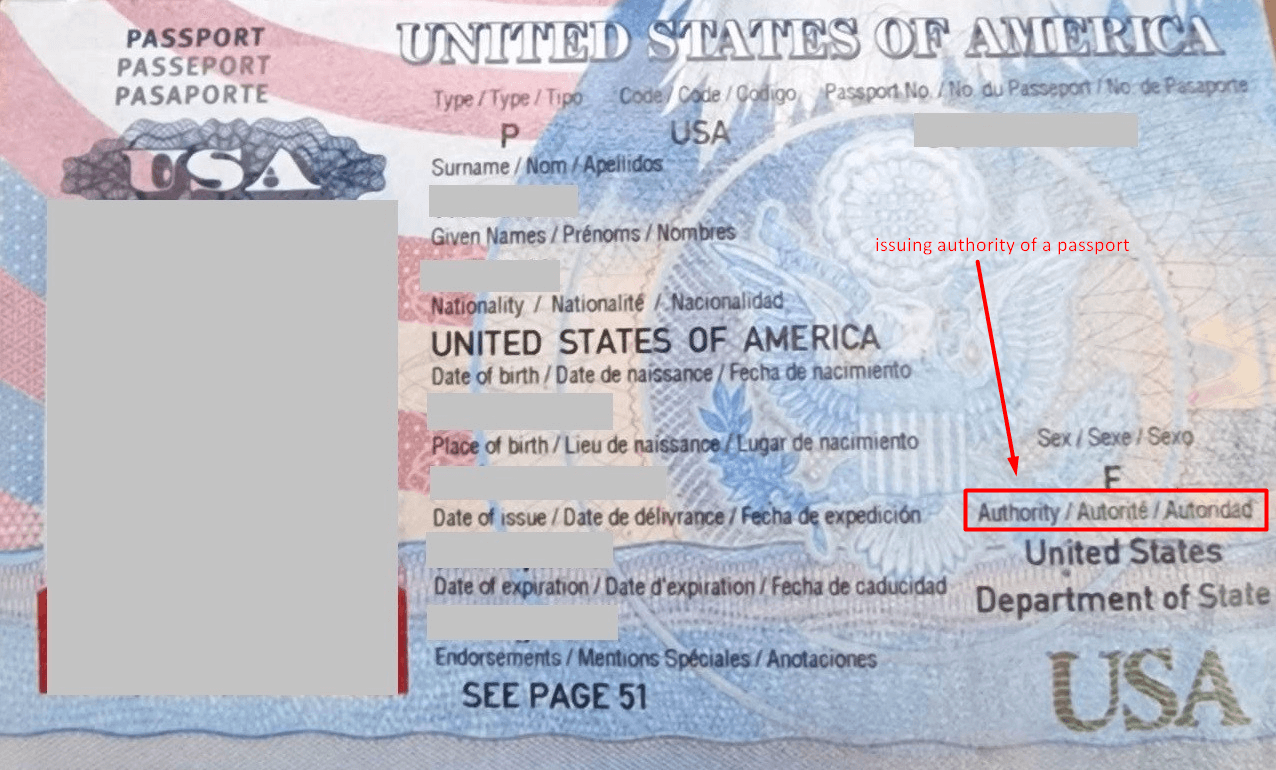
At its most basic, to “issue” something means to send it out, distribute it, or present it formally. The nuance, however, lies in the “formally” aspect. When something is issued, it typically originates from a body or individual with the authority to create, authorize, or disseminate that item. This authority is crucial because it imbues the issued item with legitimacy, enforceability, or official status. For example, a bank doesn’t just “give” you a credit card; it “issues” you one, signifying a formal agreement and terms. A government doesn’t just “hand out” passports; it “issues” them, reflecting a grant of official identity and travel rights. This formal distribution implies a process, often with specific conditions or obligations attached, differentiating it from a simple transaction.
The Act of Creation and Authorization
Crucially, “issued” often implies the creation of something new that is now legally recognized or available. This is particularly evident in the financial world. When a company issues shares, it creates new units of ownership in itself, which then become tradable. When a central bank issues currency, it creates new legal tender that circulates throughout the economy. This act of creation is paired with authorization – the issuer has the power and legal standing to bring that item into existence and make it official. Without proper authorization, an “issuance” would be invalid, counterfeit, or illegitimate. This twin concept of creation and authorization underpins nearly every significant application of the term “issued” in finance and commerce, establishing a clear chain of origin and accountability.
“Issued” in the World of Financial Instruments and Markets
Perhaps nowhere is the term “issued” more prevalent and critical than in finance. It forms the bedrock of how capital is raised, how money circulates, and how financial relationships are formalized.
Issuing Securities: Stocks and Bonds
One of the most common applications of “issued” is in the context of securities – specifically stocks and bonds. When a company decides to raise capital from investors, it issues new shares (equity) or bonds (debt).
-
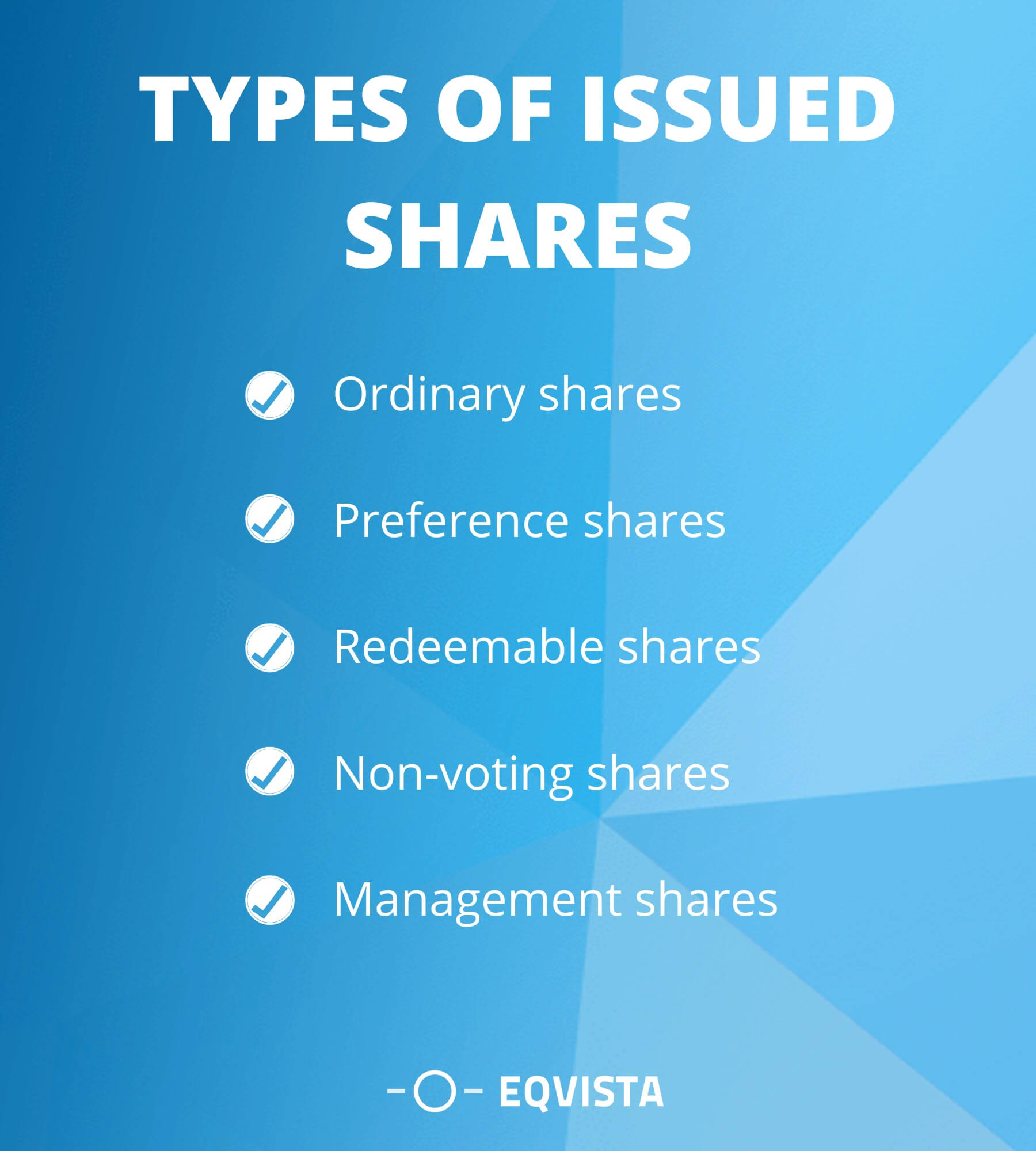
Stocks: A company might conduct an Initial Public Offering (IPO) where it issues shares to the public for the first time. This creates new ownership stakes in the company. Subsequent offerings, known as secondary offerings, also involve the issuance of new shares. The act of issuing stock dilutes existing ownership but provides crucial capital for growth, expansion, or debt repayment.
-
Bonds: Governments (municipal, state, federal) and corporations issue bonds to borrow money from investors. A bond is essentially a promise to repay a loan with interest over a specified period. When a bond is issued, it defines the terms of the loan, including the interest rate (coupon), maturity date, and face value. The entity that creates and sells these securities is known as the “issuer.” The primary market is where these newly issued securities are first sold to investors, differentiating it from the secondary market where previously issued securities are traded among investors.
Currency and Monetary Policy
Central banks, such as the U.S. Federal Reserve, the European Central Bank (ECB), or the Bank of England, are the sole authorities responsible for issuing a nation’s currency. This is not just a logistical task of printing money; it is a fundamental aspect of monetary policy. The decision to issue more currency, or to withdraw it, directly impacts the money supply, interest rates, inflation, and the overall economic health of a country. Modern economies predominantly use “fiat money,” which derives its value from government decree and the public’s trust, rather than being backed by a physical commodity like gold. The “issuance” of fiat currency is therefore a powerful tool of economic governance.
Other Financial Products: Loans, Credit Cards, and Derivatives
Beyond traditional securities, the term “issued” applies to a broad spectrum of other financial products:
-
Loans: When a bank approves and provides funds to an individual or business, it issues a loan. This involves a formal agreement detailing repayment schedules, interest rates, and collateral (if any).
-
Credit Cards: Financial institutions issue credit cards, granting the cardholder a revolving line of credit. The issuance involves an application process, credit checks, and the establishment of terms and conditions for usage and repayment.
-
Derivatives: Complex financial instruments like options, futures, and swaps are also “issued.” These contracts derive their value from an underlying asset and are often issued by financial institutions or exchanges, creating specific rights and obligations for the parties involved. In each case, the act of issuance formalizes a financial commitment or capability, establishing a clear relationship between the issuer and the recipient.
Regulatory, Legal, and Commercial Issuances
The significance of “issued” extends beyond pure finance, deeply embedding itself in legal frameworks, regulatory compliance, and day-to-day business operations.
Government and Regulatory Issuances
Governments and their various agencies frequently “issue” documents and directives that govern public and commercial life:
-
Licenses and Permits: Businesses are often required to obtain issued licenses (e.g., business licenses, professional licenses) and permits (e.g., building permits, environmental permits) to operate legally. These issuances signify that an entity has met specific criteria and is authorized to perform certain activities.
-
Certificates and Passports: Governments issue official documents such as birth certificates, marriage certificates, and passports, which serve as proof of identity, status, or citizenship.
-
Regulations and Directives: Legislative bodies and regulatory agencies issue laws, regulations, executive orders, and directives. These issuances carry the force of law, dictating behavior, setting standards, and enforcing compliance across industries and society. Understanding when a new regulation has been “issued” is critical for businesses to adapt and avoid penalties.
Business Operations and Documentation

Within the commercial sphere, the term “issued” applies to various critical documents that facilitate transactions and maintain records:
-
Invoices and Receipts: Businesses issue invoices to clients requesting payment for goods or services rendered and issue receipts as proof of payment. These formal documents are essential for accounting, tax purposes, and dispute resolution.
-
Purchase Orders: Companies issue purchase orders to suppliers to formally authorize the procurement of goods or services, creating a binding contract.
-
Official Statements: Corporations issue official statements, press releases, and annual reports to communicate with stakeholders, investors, and the public. The formal issuance of such documents carries significant weight and can influence market perception and stock prices.
Insurance Policies and Contracts
The insurance industry heavily relies on the concept of “issuance.” When an individual or entity purchases insurance, the insurance provider formally issues an insurance policy. This document is a legal contract that outlines the terms and conditions of coverage, the premiums payable, the deductibles, and the responsibilities of both the insurer and the insured. The moment a policy is “issued,” the coverage begins, and the contractual relationship is established. Similarly, various other types of contracts are formally “issued” upon their finalization and signing, making them legally binding.
The Lifecycle of an Issuance: From Creation to Circulation
An issuance is rarely a single, spontaneous event. Instead, it often involves a multi-stage lifecycle, particularly for complex financial instruments or regulatory actions.
Pre-Issuance Planning and Approval
Before anything significant is issued, there’s typically an extensive period of planning, due diligence, and approval. For instance, a company planning an IPO must undergo thorough financial audits, prepare a detailed prospectus, secure regulatory approvals (e.g., from the SEC in the U.S.), and work with underwriters. Similarly, a government agency developing new regulations will go through public comment periods, legal reviews, and political approval processes. This pre-issuance phase is crucial for ensuring legality, market readiness, and compliance.
The Issuance Event
This is the formal act of making the item available. For securities, it’s the primary market offering where shares or bonds are sold to initial investors. For currency, it’s the physical or digital release by the central bank. For regulations, it’s the official publication in a government gazette. This event often marks a specific date and time from which the issued item becomes effective or tradable. It’s the moment the theoretical becomes practical and legally binding.
Post-Issuance Management and Implications
The act of issuance is not the end of the story; it often initiates ongoing responsibilities and creates long-term implications. For bond issuers, this means making regular interest payments and repaying the principal at maturity. For stock issuers, it involves ongoing financial reporting and compliance with market regulations. For credit card issuers, it’s managing accounts and processing transactions. For governments, it’s enforcing issued regulations. For the recipients, it means adhering to terms, exercising rights, or fulfilling obligations associated with the issued item. The secondary market, where previously issued securities are traded, also comes alive post-issuance, reflecting the ongoing value and liquidity of the financial instruments.
Why Understanding “Issued” Matters: Implications for Investors, Consumers, and Businesses
Grasping the true meaning of “issued” is not an academic exercise; it has tangible, real-world consequences for everyone interacting with financial and commercial systems.
For Investors
Understanding issuance is paramount for investors. It helps them identify primary market opportunities (like IPOs) and evaluate the risks associated with the “issuer.” The financial health and credibility of a company or government entity issuing securities directly impact the safety and potential return of an investment. Investors must assess the terms of issued bonds or the dilution effects of newly issued shares. It also informs portfolio diversification, allowing investors to choose between newly issued assets and those trading in the secondary market.
For Consumers
For individuals, “issued” impacts their personal finance and legal standing. When a bank issues a loan or a credit card, understanding the terms and conditions of that issuance is crucial to managing debt responsibly. Similarly, comprehending the scope of coverage in an issued insurance policy ensures that one is adequately protected. The validity and expiry dates of issued licenses (e.g., driver’s licenses) or passports have direct implications for everyday activities and international travel. Ignoring the formal weight of an issuance can lead to financial penalties, legal complications, or loss of privileges.
For Businesses
For businesses, the concept of “issued” is intertwined with capital raising, operational efficiency, and legal compliance. Companies strategically decide when and how to issue new equity or debt to finance their operations and growth. They must meticulously comply with government-issued regulations and licenses to avoid legal repercussions. Internally, the formal issuance of invoices, purchase orders, and company policies ensures clear communication, proper accounting, and operational integrity. Moreover, a company’s ability to formally issue credible financial statements and public communications is vital for maintaining investor confidence and brand reputation.
Conclusion
The word “issued,” though often used casually, carries a precise and powerful meaning within the financial, commercial, and regulatory landscapes. It signifies a formal act of creation, distribution, or authorization by a recognized authority, initiating a legal or transactional relationship. From the issuance of currency by central banks to the issuance of stocks and bonds by corporations, and from government-issued licenses to business-issued invoices, the concept underpins the very structure of our modern economy.
Understanding “what does issued mean” is not merely about vocabulary; it’s about comprehending the fundamental processes through which value is created, capital is allocated, rules are established, and commerce is conducted. For investors, consumers, and businesses alike, recognizing the authority, formality, and implications behind an “issuance” is essential for making informed decisions, managing risks, and navigating the intricate web of financial and legal interactions that define our world. It highlights that in these critical contexts, nothing is simply “given” or “sent”; rather, it is formally and purposefully “issued,” with all the weight that implies.
aViewFromTheCave is a participant in the Amazon Services LLC Associates Program, an affiliate advertising program designed to provide a means for sites to earn advertising fees by advertising and linking to Amazon.com. Amazon, the Amazon logo, AmazonSupply, and the AmazonSupply logo are trademarks of Amazon.com, Inc. or its affiliates. As an Amazon Associate we earn affiliate commissions from qualifying purchases.