
The term “binge-watch” has rapidly evolved from a niche internet slang into a universally understood lexicon, profoundly reshaping how millions consume digital content. At its core, binge-watching refers to the practice of watching multiple episodes of a television program or series in rapid succession, typically facilitated by streaming services. This phenomenon is not merely a change in viewing habits; it is a direct consequence and driver of profound technological shifts, rooted deeply in the evolution of digital platforms, software innovation, and sophisticated AI-driven tools that define modern entertainment. To truly grasp “what does binge-watch mean,” one must explore its technological genesis, the psychological interplay it leverages, and its pervasive impact on the broader digital landscape.
The Technological Genesis of Binge-Watching
The very concept of binge-watching is inextricably linked to the advancements in digital technology, particularly the advent and maturation of streaming services. Without these technological enablers, the continuous, on-demand consumption of content on such a massive scale would be impossible.
From Linear Schedules to On-Demand Libraries
For decades, television consumption was dictated by linear broadcast schedules. Viewers tuned in at a specific time on a specific day to catch an episode, waiting a full week for the next installment. The technology underpinning this model—broadcast towers, cable infrastructure—enforced a rigid structure. The internet, however, brought about a revolutionary shift. Digital compression technologies, increased broadband penetration, and the development of robust content delivery networks (CDNs) made it feasible to transmit high-quality video content over the internet. This technological leap dismantled the traditional gatekeepers of scheduling, ushering in an era where entire libraries of content could be accessed instantly. Instead of being bound by a network’s timetable, consumers gained the power to start, pause, and resume viewing at their leisure, creating the fundamental condition for binge-watching. This transition from a “push” model of content delivery to a “pull” model fundamentally altered viewer autonomy.
The Rise of Streaming Platforms
The true catalysts for binge-watching were the innovative streaming platforms like Netflix, Hulu, Amazon Prime Video, and later Disney+. These companies weren’t just content distributors; they were software pioneers. They developed sophisticated applications (apps) for various devices—smart TVs, smartphones, tablets, gaming consoles, web browsers—that provided seamless access to vast digital libraries. Their underlying infrastructure involved massive data centers, complex server architectures, and advanced video streaming protocols designed to deliver content efficiently to millions simultaneously, adapting quality based on bandwidth. These platforms innovated not just in content acquisition but, crucially, in user interface (UI) and user experience (UX) design. They built intuitive navigation systems, robust search functionalities, and personalized watchlists, all powered by a complex web of software engineering that prioritised ease of access and continuous playback. The decision by many of these platforms to release entire seasons of original content at once, rather than weekly, was a strategic move made possible by their technological capabilities and a keen understanding of evolving consumer preferences.
Algorithmic Curation and User Experience
A lesser-known but equally critical technological component driving binge-watching is the sophisticated use of artificial intelligence (AI) and machine learning algorithms. Streaming platforms employ advanced AI tools to analyze vast quantities of user data—what you watch, when you watch it, how long you watch, what you search for, and even how quickly you progress through a series. This data fuels recommendation engines that suggest new content tailored to individual tastes, making it easier for users to discover their next “binge.” Furthermore, AI is crucial in optimizing the user experience; algorithms dynamically adjust video quality to prevent buffering, predict network loads, and even inform content acquisition strategies by identifying popular genres or emerging trends. The seamless transition from one episode to the next, often with a countdown timer, is not merely a design choice but a carefully engineered feature, powered by algorithms designed to minimize friction and maximize engagement, effectively keeping the viewer immersed in the narrative flow.
The Mechanics and Psychology of Serialized Consumption
Binge-watching is not just about having access to content; it’s about the specific way that access interacts with human psychology, often facilitated by deliberate technological design choices.
Defining the Act: More Than Just Watching a Lot
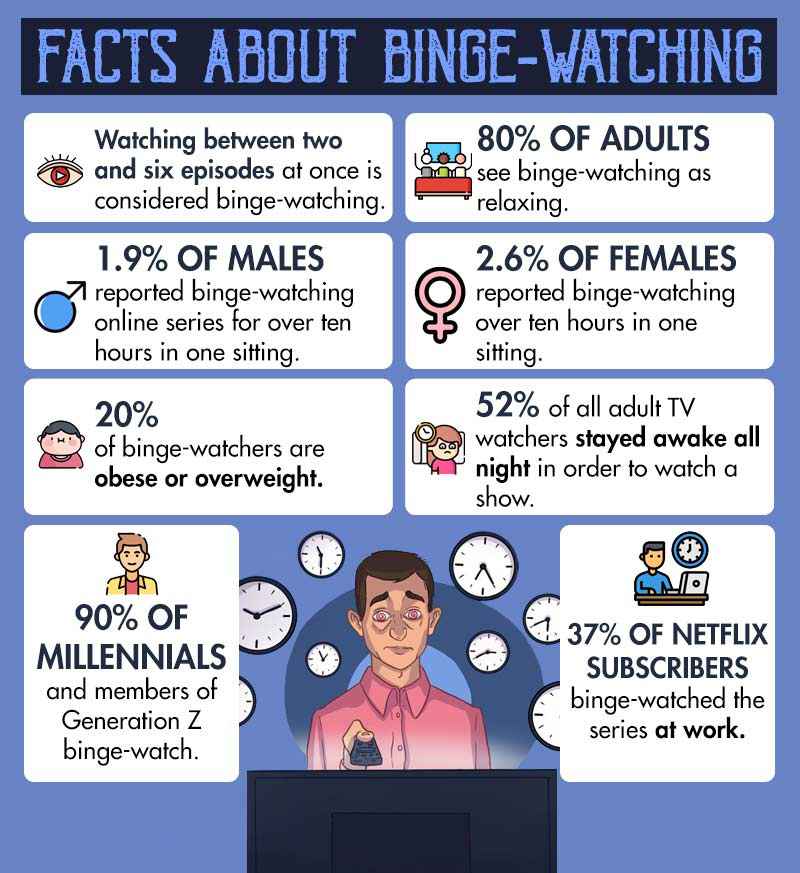
While the exact number of episodes required to constitute a “binge” can be subjective, the essence lies in the rapid, consecutive consumption. It’s distinct from casually watching a few episodes over several days. Binge-watching implies an intentional (or sometimes unintentional) commitment to deep immersion, often involving hours spent in a single sitting or over a concentrated period (e.g., a weekend). This rapid progression through a narrative arc allows for a different kind of storytelling experience, where plot points, character developments, and intricate details remain fresh in the viewer’s mind, creating a more cohesive and impactful journey. From a technology standpoint, this rapid progression is enabled by the elimination of traditional commercial breaks and the automatic playback features of streaming apps, which minimize cognitive load and physical interaction, allowing viewers to remain engrossed.
The Dopamine Loop and Narrative Immersion
The human brain is wired to seek reward, and narrative storytelling, particularly when serialized, can be incredibly rewarding. Each episode often ends on a cliffhanger, creating a “narrative hook” that triggers a desire for resolution. When the next episode is immediately available, it allows for the swift gratification of this desire. This continuous cycle of suspense and resolution can lead to a release of dopamine, a neurotransmitter associated with pleasure and reward, effectively creating a “dopamine loop.” Streaming platforms leverage this psychological principle through their software design. The seamless transition, often with a quick countdown before auto-playing the next episode, removes any opportunity for viewers to break their immersion. The technology is designed to make it as easy as possible to continue watching, tapping into our innate desire for narrative completion and the satisfaction of curiosity.
The Role of ‘Next Episode’ Auto-Play
Perhaps the most potent software feature driving binge-watching is the “next episode” auto-play function. This seemingly simple design choice fundamentally alters the viewing experience. Instead of having to actively select the next episode, the streaming app automatically begins playing it after a short interval, typically 5-15 seconds, often with a visual countdown. This feature minimizes friction, inertia, and decision fatigue, effectively creating a continuous flow of content. It’s a prime example of how UX design, powered by underlying software, can subtly guide user behavior. For many, this auto-play serves as a powerful nudge, turning a casual viewing session into a prolonged binge, demonstrating how specific app features are engineered to maximize engagement and screen time. While some platforms offer options to disable this feature, its default activation highlights its critical role in fostering binge-watching behavior.
Societal and Cultural Implications in the Digital Age
Beyond individual viewing habits, binge-watching has exerted a substantial influence on broader societal norms and the digital content ecosystem.
Impact on Traditional Media Ecosystems
The rise of binge-watching, powered by streaming technology, has sent shockwaves through traditional media. Broadcast networks and cable providers have struggled to retain viewers who now prefer the flexibility and vast libraries of streaming services. This digital disruption has forced traditional players to adapt, launching their own streaming platforms, experimenting with hybrid release strategies (e.g., releasing a few episodes weekly, then the rest at once), and investing heavily in original digital content. The competition for “eyeballs” has intensified, leading to an unprecedented boom in content production (the “Peak TV” era). Movie theaters, too, have felt the impact, as some film releases now go directly to streaming or have very short theatrical windows, further blurring the lines between cinematic and home viewing experiences, all thanks to the capabilities of digital distribution.
The Watercooler Effect in a Globalized Digital World
Historically, the “watercooler effect” referred to shared cultural moments—the previous night’s major TV show—that spurred office discussions. While traditional watercooler moments were linear, binge-watching has transformed this. Now, discussions are often about entire seasons, or even series, as individuals complete them at their own pace. Digital technologies, particularly social media platforms and online forums, have become the new “watercoolers.” Viewers can instantly share thoughts, theories, and reactions with a global audience, creating vibrant online communities dedicated to specific shows. Hashtags trend, fan theories proliferate, and memes spread, all amplifying the cultural impact of binge-watched content. This global, asynchronous sharing has given content a longer tail and broader reach, demonstrating how digital communication tools complement and extend the reach of digital entertainment.
Evolving Viewer Expectations
The continuous, on-demand nature of binge-watching has fundamentally reshaped viewer expectations. Instant gratification has become the norm. Audiences now often expect entire seasons to be available immediately, and the concept of waiting a week for the next episode can feel antiquated or even frustrating. This shift has put pressure on content creators and distributors to cater to these new expectations, influencing production schedules, release strategies, and even the narrative pacing of shows designed to be consumed in large chunks. The expectation of high-quality content, accessible on any device, anywhere, anytime, is a direct byproduct of the seamless and ubiquitous experience offered by modern streaming technology and apps.
Navigating the Binge-Watching Landscape: Best Practices and Future Trends
As binge-watching cements its place in our digital lives, it also prompts a look at how users can engage with it mindfully and where this technological trend is headed.
Tools and Features for Mindful Consumption
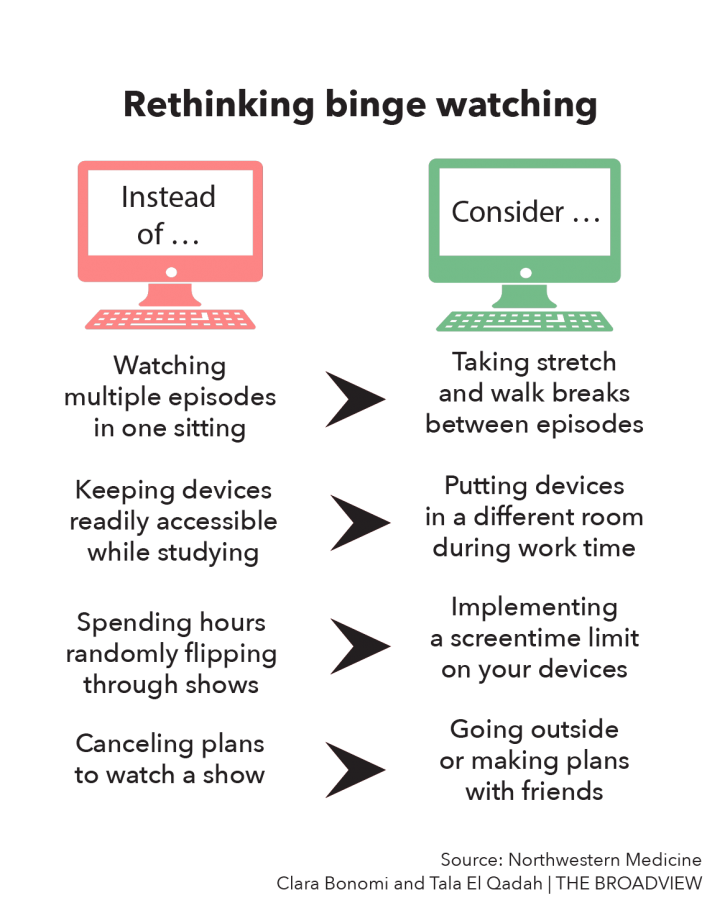
While platforms are designed for engagement, many also offer features that can aid mindful consumption. Parental controls, for instance, allow guardians to set limits on viewing times or restrict access to certain content. Viewing history trackers enable users to monitor their own consumption. Some apps allow users to disable the auto-play feature, giving them more control over when a session ends. Furthermore, external digital wellness apps and features within operating systems (e.g., screen time limits on smartphones) can help individuals manage their overall digital consumption, including binge-watching. These tools, which fall under the umbrella of digital security and personal data management, empower users to strike a healthier balance with their entertainment.
The Future of Interactive Storytelling and Personalized Bingeing
The evolution of binge-watching is far from over. Emerging technologies like virtual reality (VR) and augmented reality (AR) hold the promise of even more immersive and interactive storytelling experiences. Imagine being able to “step into” a series or make narrative choices that alter the plot in real-time. AI is also poised to take personalization to the next level, potentially leading to truly adaptive narratives where stories dynamically adjust based on individual viewer preferences or emotional responses detected through biometric data. Interactive episodes, like Netflix’s “Bandersnatch,” are early precursors to a future where audiences are not just passive viewers but active participants, shaping their own binge-watching journey. These developments suggest a future where AI tools and cutting-edge digital experiences will redefine what “binge-watching” means.

The Push for Shorter, More Digestible Content
While long-form series are popular, there’s also a growing trend towards shorter, more digestible content formats, particularly on platforms like TikTok and YouTube. This reflects a broader battle for attention in a fragmented digital landscape. As users face an ever-increasing array of digital distractions, content creators are experimenting with episodic formats that are shorter, sharper, and designed for consumption in brief bursts. This doesn’t necessarily contradict binge-watching but rather expands its definition to include rapid consumption of micro-series or even thematic playlists of short videos. The technology here is about efficient content delivery, rapid loading times, and intuitive interfaces that allow for quick discovery and seamless transitions between short-form pieces, catering to a different kind of digital appetite.
In conclusion, “what does binge-watch mean” is a question that reveals a complex interplay of technological innovation, human psychology, and cultural shifts. It’s a direct result of advancements in streaming software, robust digital infrastructure, and intelligent AI tools that have empowered a new era of on-demand entertainment. As technology continues to evolve, so too will the definition and experience of binge-watching, promising an even more integrated and personalized digital future.
aViewFromTheCave is a participant in the Amazon Services LLC Associates Program, an affiliate advertising program designed to provide a means for sites to earn advertising fees by advertising and linking to Amazon.com. Amazon, the Amazon logo, AmazonSupply, and the AmazonSupply logo are trademarks of Amazon.com, Inc. or its affiliates. As an Amazon Associate we earn affiliate commissions from qualifying purchases.