
In an era saturated with information and rapid-fire digital exchanges, the seemingly simple abbreviation “ATTN” on a piece of mail or in an email subject line might appear to be a relic. Yet, for any individual or organization striving to cultivate a robust and trustworthy brand, understanding and correctly utilizing “ATTN” (short for “attention”) is far from obsolete. It’s a fundamental signal in the complex symphony of communication, directing a message not just to a company, but to the specific individual or department within it who truly needs to see it. This seemingly small detail carries significant weight, profoundly impacting efficiency, professionalism, and ultimately, your brand’s perception.

The power of “ATTN” lies in its ability to cut through noise, ensuring that critical messages reach their intended recipient swiftly and accurately. From a brand perspective, this translates directly into enhanced customer service, streamlined internal operations, and a sharper external image. Whether you’re a burgeoning startup aiming for meticulous communication, a multinational corporation managing vast correspondence, or an individual meticulously building your personal brand, the strategic deployment of “ATTN” is a testament to your attention to detail and respect for the recipient’s time – invaluable qualities in today’s competitive landscape.
The Foundational Role of “ATTN” in Professional Correspondence
At its core, “ATTN” is a directive, a silent guide instructing handlers of a message to route it to a specific point of contact within a larger entity. Its proper application ensures that communication is not just sent, but effectively received and acted upon by the right party, minimizing delays and maximizing impact.
Defining “ATTN”: Beyond a Simple Abbreviation
“ATTN” stands for “attention.” When placed on an envelope, package, or within the subject line or body of an email, it serves as a clear indicator that while the overarching message is addressed to an organization, it is specifically intended for a particular person, department, or role within that organization. For instance, an invoice addressed to “Acme Corp.” but with “ATTN: Accounts Payable” appended will directly guide the mailroom or recipient to forward it to the financial department, rather than it languishing in a general inbox or being opened by an unrelated employee. This precision is invaluable, preventing misdirection and ensuring that the content reaches the individual equipped to process or respond to it. In the context of branding, this shows an understanding of organizational structure and a commitment to direct, effective communication.
Historical Context and Enduring Relevance
The use of “ATTN” predates the digital age, stemming from a necessity to manage physical mail efficiently for large organizations with numerous departments and personnel. In a time when physical letters were the primary mode of formal communication, clear addressing was paramount to avoid logistical bottlenecks. While technology has advanced, the underlying principle remains unchanged. Even with advanced digital mail sorting and email filtering, the explicit “ATTN” still serves as a human-readable cue, a secondary layer of instruction that complements automated systems. Its enduring relevance speaks to a fundamental human need for clarity and directness in communication, a principle that remains central to effective brand messaging. A brand that understands and respects this historical convention signals stability, reliability, and a commitment to tried-and-true professional practices.
The Imperative for Clarity in Corporate Identity
A strong corporate identity is built on consistency, clarity, and professionalism. Every touchpoint, from the design of a logo to the tone of an email, contributes to this identity. The correct use of “ATTN” is a subtle yet significant component of this. It reflects an organized approach to business communication, demonstrating that the sender values the recipient’s time and has taken the effort to ensure their message reaches the correct party. Conversely, omitting “ATTN” when it’s necessary can lead to messages being delayed, misrouted, or even overlooked, projecting an image of disorganization or carelessness. For brands, this can erode trust and efficiency, directly impacting their reputation. Therefore, incorporating “ATTN” into internal communication guidelines and external messaging strategies reinforces an image of meticulousness and professionalism, key attributes of a well-managed brand.
“ATTN” as a Pillar of Corporate Branding and Efficiency
Beyond mere etiquette, the strategic use of “ATTN” forms a critical component of a company’s operational efficiency and external brand perception. It’s a tool that actively contributes to a smoother workflow and a more responsive, professional corporate image.
Streamlining Internal Operations and Information Flow
In any large organization, information flow is the lifeblood of operations. Misdirected mail or emails can cause significant delays, missed opportunities, and frustration. By clearly marking “ATTN” to a specific department or individual, companies can drastically improve the speed and accuracy of internal routing. This not only reduces the workload on administrative staff who would otherwise need to manually sort and redirect generic mail but also ensures that time-sensitive information reaches decision-makers without unnecessary detours. For a brand, this internal efficiency translates into faster response times to customer inquiries, quicker processing of orders, and more agile project management – all factors that enhance customer satisfaction and operational excellence, which are cornerstones of a strong brand.
Enhancing External Perceptions: Professionalism and Responsiveness
How a company handles its communications directly reflects on its brand. When a client, partner, or prospective employee sends a message marked “ATTN,” and it swiftly reaches the right person, it creates a positive impression of the receiving organization’s professionalism and responsiveness. It signals that the company is well-organized and values efficient communication. Conversely, if messages are frequently delayed or require multiple forwards to find their home, it can project an image of disarray, inefficiency, or even indifference. A brand that consistently demonstrates the ability to receive and process communications accurately, in part due to clear “ATTN” directives, builds a reputation for reliability and attentiveness – qualities that are highly valued in any industry.
Mitigating Misdirection: Protecting Sensitive Information
In today’s data-sensitive environment, protecting confidential or proprietary information is paramount. Misdirected mail, especially when it contains sensitive data, poses a significant security risk and can lead to privacy breaches. Using “ATTN” to specify a named individual or a clearly defined department helps to minimize the chances of sensitive documents or emails being opened or seen by unauthorized personnel. For instance, an HR document clearly marked “ATTN: Human Resources Department” is less likely to be opened by general administrative staff. This careful handling of information underscores a brand’s commitment to security and privacy, bolstering trust with clients, employees, and stakeholders. In an age where data breaches can severely damage a brand’s reputation, this seemingly minor detail plays a crucial role in risk management and maintaining brand integrity.
Leveraging “ATTN” for Personal Branding and Professionalism
While often associated with corporate entities, “ATTN” is equally powerful for individuals looking to cultivate a strong personal brand. It’s a tool that communicates professionalism, respect, and meticulousness, essential traits for career advancement and effective networking.
Crafting a Polished Professional Image

Your personal brand is a reflection of your professional identity – how you are perceived by colleagues, clients, and prospective employers. Every interaction contributes to this image. When you use “ATTN” correctly in your outbound communications, whether it’s an application, a proposal, or a general inquiry, it demonstrates a high level of attention to detail and an understanding of professional protocols. This subtle yet impactful gesture signals that you are thoughtful, organized, and take your communications seriously. For example, addressing a cover letter for a job application to “ATTN: Hiring Manager, [Specific Department]” rather than just a generic company address shows initiative and a professional approach, immediately setting you apart. These are the nuances that build a polished and credible personal brand.
Navigating Networking and Business Development
Effective networking and business development rely heavily on making the right connections and ensuring your message resonates. When reaching out to a key contact within a larger organization, using “ATTN” ensures your introduction or proposal lands directly with them, rather than being filtered through general reception. This directness increases the likelihood of your message being seen and acted upon, improving your chances of building a valuable relationship. Furthermore, when you receive correspondence with an “ATTN” tag, understanding its purpose allows you to handle it appropriately, reflecting well on your ability to process professional communications. By consistently demonstrating an understanding of these communication nuances, you reinforce your personal brand as a perceptive and reliable professional, fostering stronger connections and opening doors to new opportunities.
Demonstrating Attention to Detail and Respect
In a world increasingly characterized by rushed communications and generic interactions, demonstrating genuine attention to detail and respect for the recipient is a powerful differentiator. The act of correctly specifying “ATTN” signals that you’ve done your homework, know who you need to reach, and respect their time by ensuring your message doesn’t get lost in the shuffle. This level of thoughtfulness can leave a lasting positive impression, suggesting a broader work ethic that values precision and thoroughness. Whether you are a freelancer communicating with clients, an executive corresponding with board members, or a job seeker reaching out to recruiters, the conscious application of “ATTN” enhances your personal brand by showcasing your commitment to excellence and your regard for others.
Strategic Application of “ATTN” in Modern Brand Communication
The principles behind “ATTN” remain steadfast, but its application has evolved across various communication channels. Mastering its strategic use in both traditional and digital formats is crucial for contemporary brand management.
Best Practices for Physical Mail and Packages
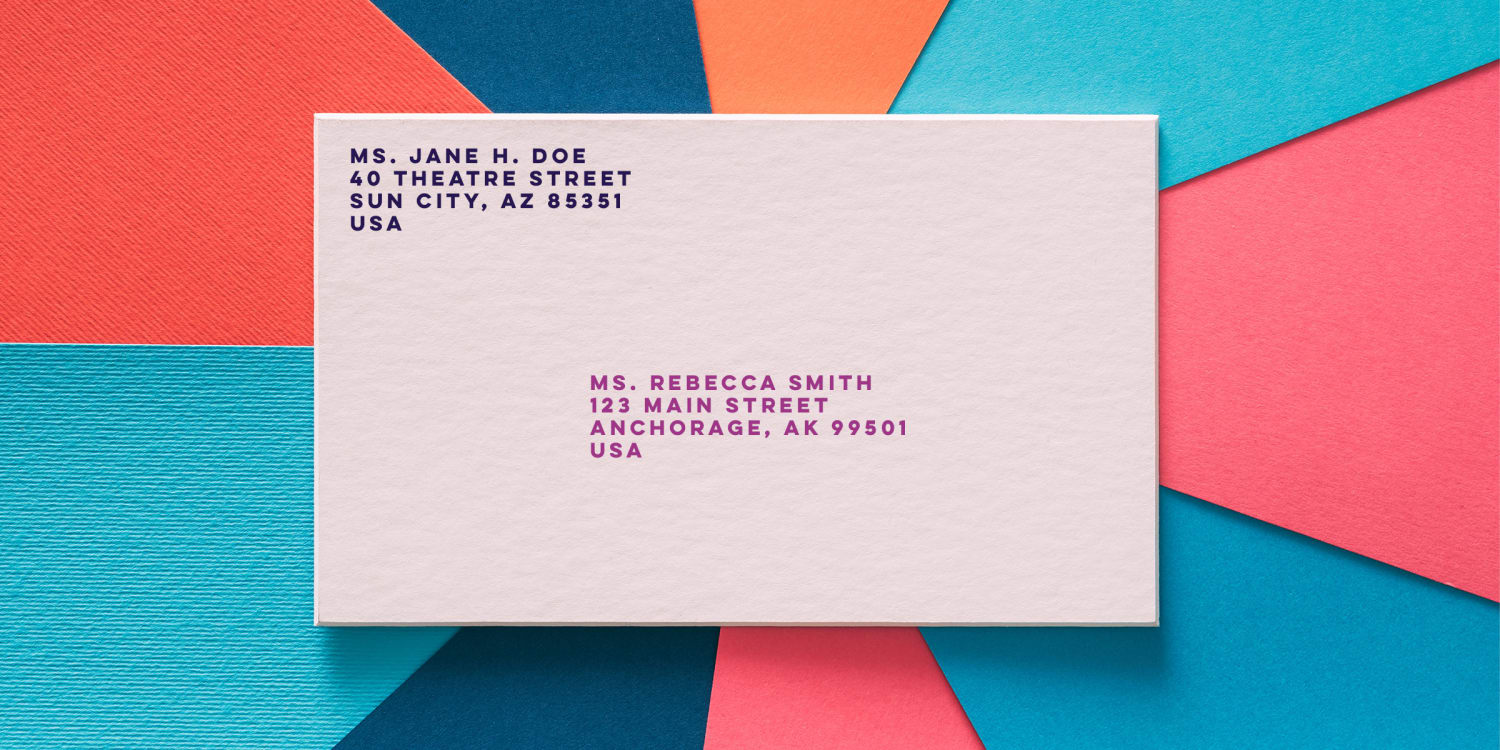
For physical mail and packages, the placement and clarity of “ATTN” are paramount. It typically appears on the line directly above the company name or on the line above the street address, depending on the specific formatting guidelines or the complexity of the address.
-
On Envelopes:
[Recipient Name or Department]

ATTN: [Specific Individual/Department]

[Company Name]

[Street Address]

[City, State, Zip Code]
Or, if the recipient name is not known, or less critical than the department:
ATTN: [Specific Department, e.g., Accounts Payable] [Company Name] [Street Address] [City, State, Zip Code] -
Packages: Similar formatting applies, often placed prominently alongside the primary address.
-
Clarity is Key: Always use clear, unambiguous titles or department names. Avoid excessive abbreviations within the “ATTN” line itself to prevent confusion. This meticulous approach to physical mail reflects an organized and detail-oriented brand, reinforcing trust and professionalism.
The Digital Evolution: “ATTN” in Email and Digital Messaging
While less formally rigid than physical mail, the spirit of “ATTN” translates effectively into digital communication, particularly email.
-
Email Subject Lines: Including “ATTN: [Recipient Name/Department]” in the subject line of an email is highly effective. It immediately signals the specific relevance of the email, prompting the intended recipient to prioritize it. For example, “ATTN: Sarah Chen – Q3 Marketing Report Feedback” is far more effective than just “Q3 Marketing Report Feedback.”
-
Email Body: If the email is sent to a general inquiry address or a group alias but intended for a specific person or team, starting the email with “To the attention of [Name/Department]” or “ATTN: [Name/Department]” is good practice. This guides anyone who might open the email to forward it appropriately or at least understand its specific target.
-
Digital Documents/Forms: Some online forms or submission portals might include fields for “ATTN,” mirroring the physical mail concept to route digital submissions correctly. Adhering to these prompts ensures your digital communications are handled as intended, further solidifying a brand’s image of digital proficiency and organizational savvy.
When to Use and When to Omit “ATTN”
Strategic use means knowing when “ATTN” is appropriate and when it’s not.
-
Use When:
-
Addressing a specific individual within a larger organization when the primary address is the organization’s general address.
-
Directing a message to a particular department (e.g., Human Resources, Accounts Payable) rather than a general company contact.
-
Sending sensitive or time-critical information that absolutely must reach a specific party without delay.
-
Communicating with a large organization where knowing the exact recipient upfront is crucial for efficient processing.
-
-
Omit When:
-
The mail or email is addressed directly to an individual’s personal address or a direct email address, and no organizational routing is needed.
-
The message is genuinely for a general audience or any representative of the company (e.g., a general inquiry that any customer service representative can handle).
-
Overuse can lead to clutter or seem overly formal in very informal contexts.
-
By discerning when and how to apply “ATTN,” brands demonstrate a nuanced understanding of communication etiquette, reinforcing an image of thoughtful and effective engagement.
The Future of Directed Communication: “ATTN” in an AI-Driven World
As technology continues to advance, particularly in areas like AI and machine learning, the landscape of communication is perpetually shifting. Yet, even in an increasingly automated world, the fundamental principles that “ATTN” represents—clarity, direction, and personalization—remain critically important for brand success.
AI-Powered Mail Sorting and Routing
Artificial intelligence is already revolutionizing how physical mail is sorted and how emails are triaged. AI algorithms can scan addresses, subject lines, and even the content of messages to route them to the most probable recipient or department. However, “ATTN” still serves as a powerful, explicit signal for these systems. An AI might infer based on keywords that a letter is for HR, but an “ATTN: Human Resources Department” explicitly stated provides undeniable clarity, potentially overriding less confident AI inferences. For brands, this means that while AI assists, the human-readable “ATTN” acts as a failsafe and a clear instruction, ensuring that critical communications are not misunderstood by intelligent systems. It’s an instruction that enhances, rather than competes with, automated efficiency.
Personalization at Scale: Beyond Generic Addressing
The future of brand communication lies in hyper-personalization. Customers expect brands to understand their individual needs and preferences. While AI can help tailor marketing messages, “ATTN” reinforces the idea of personalization even at the basic level of addressing. For example, a customer service query sent to a general email address but specifically marked “ATTN: [Previous Case Manager’s Name]” suggests continuity and a personalized approach that AI alone might struggle to infer without explicit instruction. This human-centric directive helps brands maintain a personal touch in their communication, fostering stronger customer relationships and enhancing the brand’s reputation for attentive service, even as they scale.
The Human Touch: Why “ATTN” Remains Indispensable
Despite the rise of automation, the human element in communication remains invaluable. “ATTN” is fundamentally a human instruction, created by a human sender for a human recipient (or a human-designed system). It acknowledges the complexity of human organizations and the importance of direct human connection. It ensures that even when messages are processed by machines, the ultimate goal is to connect one human to another within a larger system. For brands, maintaining this human touch is crucial for building empathy, trust, and loyalty. “ATTN” is a simple yet powerful testament to this enduring need for clear, directed, and respectful human-to-human communication, ensuring that your brand always resonates with a sense of purpose and precision, regardless of technological advancements.
In conclusion, “ATTN” is far more than an outdated abbreviation; it is a timeless principle of effective communication. For brands, both corporate and personal, its judicious use is a strategic imperative. It underpins efficiency, enhances professionalism, safeguards information, and ultimately strengthens the overall brand identity in an increasingly complex and interconnected world.
aViewFromTheCave is a participant in the Amazon Services LLC Associates Program, an affiliate advertising program designed to provide a means for sites to earn advertising fees by advertising and linking to Amazon.com. Amazon, the Amazon logo, AmazonSupply, and the AmazonSupply logo are trademarks of Amazon.com, Inc. or its affiliates. As an Amazon Associate we earn affiliate commissions from qualifying purchases.