
In the intricate dance of career progression and professional advancement, your personal brand is your most valuable asset. It’s the summation of your skills, experiences, values, and reputation – a unique identity that sets you apart in a crowded marketplace. While your resume and portfolio lay out your achievements, a reference letter offers a crucial, external validation of that brand. It’s not merely a formality; it’s a powerful narrative tool, often the deciding factor that converts an application into an interview, or an interview into an offer. But what exactly does an effective reference letter look like, especially when viewed through the lens of personal branding? It’s far more than a simple endorsement; it’s a strategically crafted testament to your professional persona, designed to reinforce and elevate the brand you’ve meticulously built. Understanding its structure, content, and strategic deployment is key to leveraging this potent branding instrument to its full potential.
The Strategic Role of Reference Letters in Personal Branding
A reference letter acts as a third-party validator, lending immense credibility to your personal brand. In an age where everyone self-promotes, an objective, well-articulated endorsement from a respected professional carries significant weight.
Beyond a Mere Endorsement: Validating Your Professional Persona
Think of your personal brand as a promise you make to potential employers, collaborators, or academic institutions. Your resume outlines this promise, your cover letter elaborates on it, but a reference letter confirms it. It’s the difference between saying you’re a great team player and having a former manager recount a specific instance where your collaborative spirit led to project success. This validation is critical because it transcends self-promotion, offering a trusted perspective on your work ethic, interpersonal skills, and core competencies. It provides tangible evidence that your professional persona isn’t just an aspiration but a lived reality, making your brand more authentic and trustworthy.
Building Credibility: The Power of Third-Party Validation
In the realm of branding, trust is currency. When a credible source—a former supervisor, mentor, or professor—vouches for your capabilities, it instantly elevates your standing. Their reputation intertwines with yours, lending their authority to your claims. This third-party validation helps to cut through the skepticism that can accompany self-promotion, especially in competitive fields. It signifies that you are not only capable but also highly regarded by those who have worked closely with you. This external stamp of approval is a powerful psychological trigger for those evaluating your candidacy, implicitly suggesting that if someone else trusts you, they should too.
Differentiating Your Brand in a Competitive Landscape
Every job application or academic pursuit is a competition. While many candidates may have similar qualifications on paper, a compelling reference letter can be a significant differentiator. It provides nuance and depth that bullet points on a resume simply cannot. A well-written letter can highlight unique qualities, specific achievements, and soft skills that make your brand stand out. Perhaps it speaks to your exceptional problem-solving abilities, your innovative thinking, or your unique leadership style. These personalized insights create a vivid picture of who you are professionally, making your application memorable and distinctive amidst a sea of qualified contenders. It tells a story that resonates, giving your personal brand an edge.
Deconstructing the Anatomy of a Persuasive Reference Letter
While the core purpose remains consistent, the most effective reference letters adhere to a particular structure and employ specific elements to build a powerful case for your professional brand.
Standard Components: What Every Letter Must Include
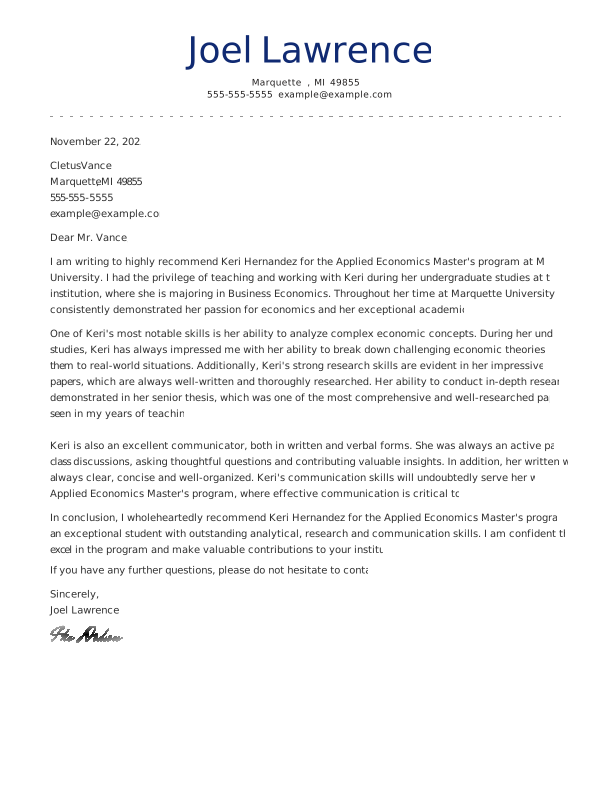
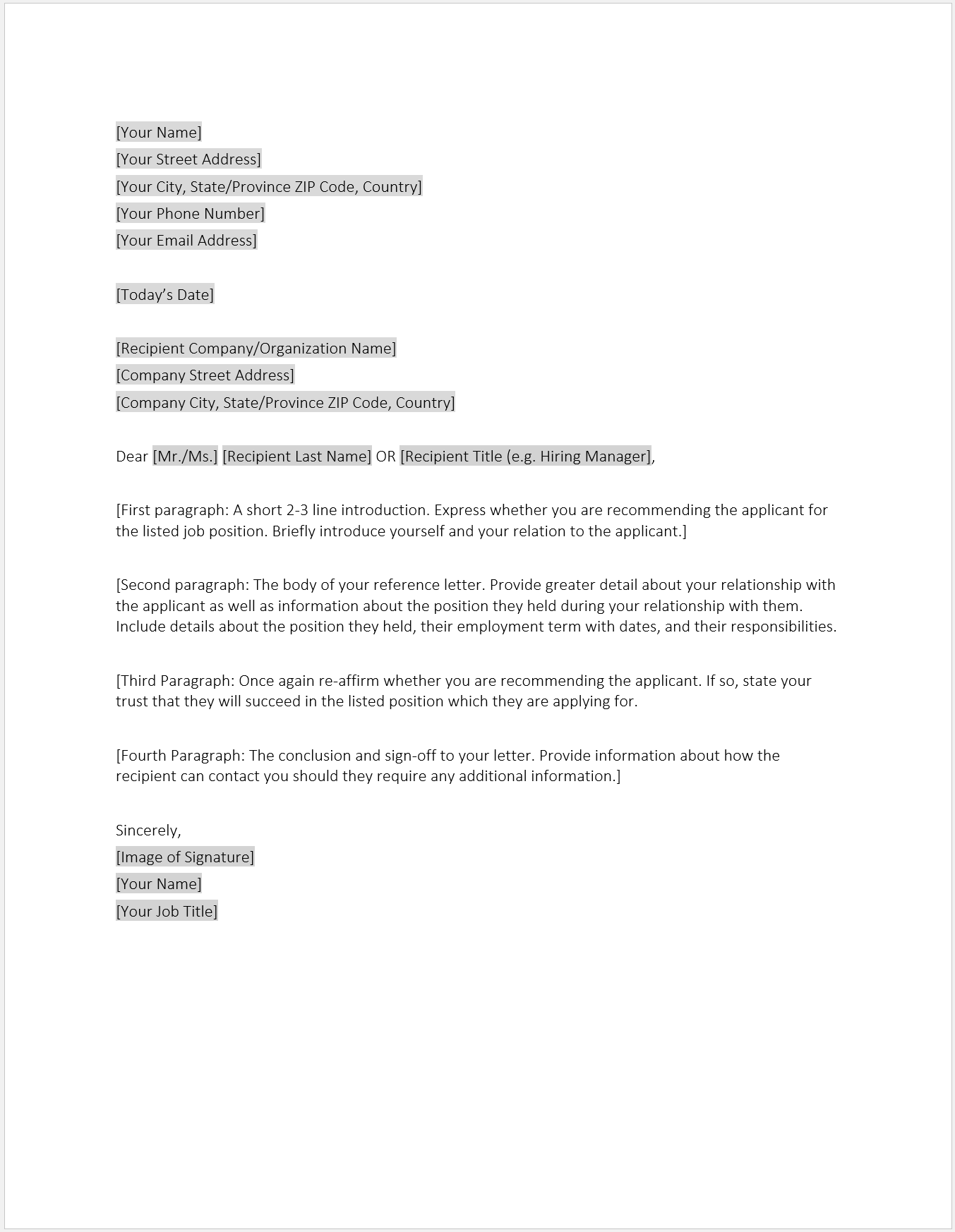
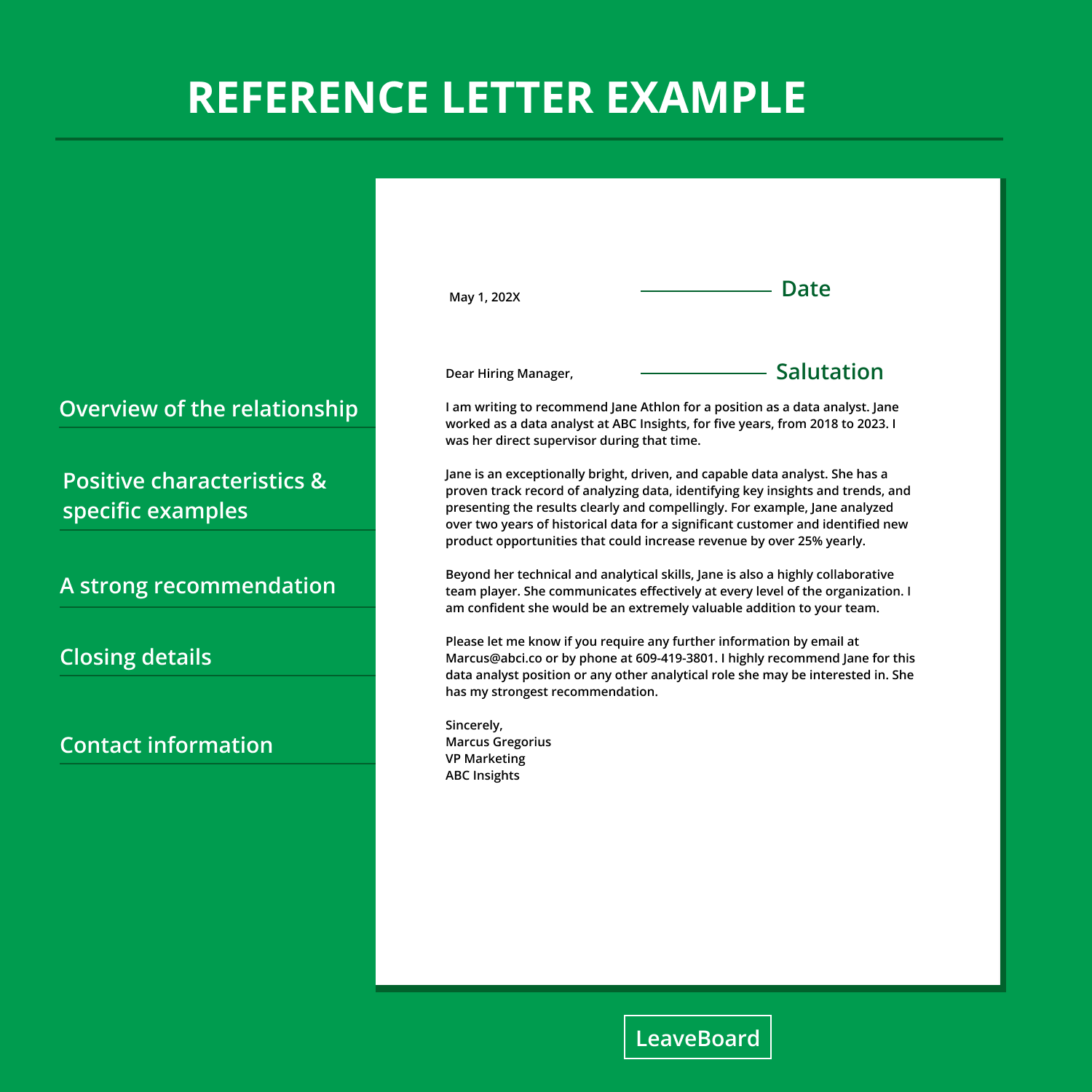
An effective reference letter begins with professional formatting. It should be printed on official letterhead (if applicable), dated, and include the referee’s contact information. The salutation should be formal and directed to a specific individual or department if known. The opening paragraph typically states the purpose of the letter – identifying the applicant, the role they are seeking, and the relationship between the referee and the applicant. The body of the letter provides concrete examples and anecdotes supporting the applicant’s skills and qualities. The closing paragraph reiterates the recommendation and invites further contact. A professional closing and signature complete the document. Each component plays a role in establishing the letter’s authenticity and authority.
The Narrative Arc: Showcasing Strengths and Contributions
Beyond simply listing attributes, a compelling reference letter constructs a narrative arc. It tells a story. This narrative often begins by establishing the context of the relationship, then progresses to highlight 2-3 key strengths relevant to the applicant’s current goals. For each strength, specific examples and accomplishments should be provided. Instead of saying, “John is a good leader,” an impactful letter might state, “During his tenure as Project Lead, John successfully navigated our team through a challenging software migration, consistently motivating his colleagues and ensuring project delivery three weeks ahead of schedule.” This level of detail makes the recommendation tangible and credible, painting a vivid picture of the applicant’s contributions and how they embody their personal brand.
Tone and Language: Projecting Professionalism and Authenticity
The tone of a reference letter should be consistently professional, positive, and confident. It should convey genuine enthusiasm for the applicant’s abilities without resorting to hyperbole. The language should be articulate, concise, and free of jargon or slang. Strong action verbs and specific adjectives should be used to describe the applicant’s qualities and achievements. The letter should sound authentic to the referee’s voice, reflecting a genuine understanding and appreciation of the applicant’s work. A lukewarm or generic letter can damage an applicant’s brand, suggesting a lack of enthusiasm or a perfunctory relationship. Conversely, a letter infused with genuine praise and specific details reinforces the strength and credibility of the applicant’s professional identity.
Formatting and Presentation: The Visual Impact on Your Brand
Just as your resume’s visual appeal contributes to your personal brand, so too does the presentation of a reference letter. It should be clean, well-organized, and easy to read. Consistent formatting, appropriate margins, and a professional font convey attention to detail and respect for the recipient. If submitting digitally, ensure it’s in a universally accessible format like PDF to preserve its layout. Any errors in grammar or spelling can detract significantly from the perceived professionalism of both the referee and, by extension, the applicant. A visually polished letter reinforces the perception of a polished, competent professional, aligning with a strong personal brand.
Guiding Your Referees: Ensuring Brand Consistency
The quality of your reference letters is directly proportional to how well you prepare and guide your referees. You can’t just ask for a letter and hope for the best; you must strategically equip them to advocate for your brand effectively.
Selecting the Right Advocates for Your Brand
Choosing the right referees is a critical strategic decision for your personal brand. Opt for individuals who know you well, can speak to your most relevant skills and achievements, and hold a respected position themselves. A former direct manager, a professor who oversaw a significant project, or a senior colleague who mentored you are often ideal. They should be able to provide concrete examples that align with the specific role or program you’re applying for, and more importantly, with the key messages of your personal brand. Avoid individuals who know you only superficially or who cannot articulate specific instances of your strengths.
Providing Context: Equipping Your Referee with Key Information
Never leave your referees guessing. Provide them with a comprehensive “reference packet” that includes: your updated resume, the job description or program requirements, your cover letter (if applicable), and a brief summary highlighting the key skills and experiences you want them to emphasize. Clearly articulate why you chose them and what specific qualities or achievements you’d like them to speak to, especially those that resonate with your personal brand messaging. For instance, if your brand emphasizes innovative problem-solving, remind them of a specific project where you demonstrated that skill. This guidance ensures their letter directly supports your application and reinforces your desired professional image.
The Art of the Ask: Professional Etiquette and Follow-Up
Approach your request for a reference with professionalism and respect for your referee’s time. Ask well in advance of the deadline, preferably in person or via a personalized phone call, followed by a formal email. Confirm their willingness and ability to write a strong, positive letter. Once they agree, promptly provide all necessary materials and relevant deadlines. Follow up politely if you haven’t heard back closer to the deadline. Crucially, always send a sincere thank-you note or email after the letter has been submitted, acknowledging their support. This not only shows gratitude but also reinforces your professional etiquette, further strengthening your personal brand in their eyes.
Common Pitfalls and Best Practices in Leveraging Reference Letters
Even with excellent referees, mistakes can undermine the impact of your reference letters. Understanding and avoiding common pitfalls is crucial for effective brand management.
Avoiding Generic Letters: The Detriment to Your Personal Brand
A generic, boilerplate reference letter is arguably worse than no letter at all. It signals a lack of effort from both the applicant and the referee, failing to provide specific insights or compelling reasons to consider you. Such a letter can make your personal brand seem indistinct and unmemorable, suggesting that there’s nothing unique or noteworthy about your contributions. To avoid this, reiterate your specific needs to your referee, emphasizing the importance of tailored content that highlights achievements relevant to your target role and your unique brand narrative. Encourage them to use anecdotes and specific examples rather than general statements.
Timing and Relevance: When and How to Deploy Your References
Strategically deploying your references means understanding when and how to present them. Some applications require references upfront, while others request them later in the hiring process. Always adhere to the specific instructions. Do not include references on your resume unless explicitly asked. Instead, maintain a separate “References Available Upon Request” list. Ensure the letters are current and relevant to your career stage and goals. An old reference from an entry-level position may not carry the same weight for a senior role. Regularly update your reference list and ensure your referees are aware of your current professional trajectory to ensure the relevance of their endorsement to your evolving brand.
Digital Footprint: Managing Online Recommendations
In today’s digital age, your online presence is an extension of your personal brand. LinkedIn recommendations are a modern equivalent to traditional reference letters, offering public validation of your skills and work ethic. Actively solicit recommendations from colleagues, clients, and supervisors on LinkedIn, focusing on specific projects or skills. However, ensure these online endorsements are high-quality, articulate, and consistent with the narrative you’re building for your personal brand. Regularly review and curate your LinkedIn profile to ensure all endorsements contribute positively to your professional image. This digital footprint offers ongoing validation and enhances your brand’s visibility.
The Evolving Landscape: Reference Letters in the Digital Age
The format and delivery of reference letters are continuously evolving, moving beyond traditional paper documents into dynamic digital formats that offer new ways to showcase your brand.
LinkedIn Recommendations: A Modern Brand Asset
LinkedIn has become an indispensable platform for professional networking and branding. Recommendations on LinkedIn serve as public, readily accessible reference letters. They offer ongoing, visible validation of your skills and character from past colleagues and supervisors. Strategic solicitation of these recommendations for specific skills or projects relevant to your personal brand can significantly enhance your professional profile. They provide social proof and credibility to your online identity, often being the first ‘reference’ a recruiter or potential employer encounters. Regularly update these, ensuring they are recent and reflect your current career aspirations.
Video References: Innovating Brand Endorsements
An emerging trend is the use of video references. These can offer a more personal and authentic endorsement, allowing the referee’s personality and genuine enthusiasm to shine through. A short video clip where a former manager discusses your strengths, highlights a specific achievement, and recommends you can be incredibly powerful. It adds a human element that traditional letters sometimes lack, making your brand more memorable and engaging. While not yet universally adopted, incorporating a well-produced video reference, where appropriate, could be a unique way to differentiate your personal brand and demonstrate innovation.
Integrating References into Your Comprehensive Personal Brand Strategy
Ultimately, reference letters, whether traditional, digital, or video, are not standalone documents; they are integral components of a holistic personal brand strategy. They should align seamlessly with your resume, cover letter, portfolio, and online presence to present a coherent and compelling professional narrative. View each reference as an opportunity to reinforce specific aspects of your brand—be it leadership, technical prowess, creativity, or collaborative spirit. By strategically preparing your referees, curating your online endorsements, and adapting to new formats, you ensure that your reference letters powerfully amplify your personal brand, propelling you toward your professional goals.
aViewFromTheCave is a participant in the Amazon Services LLC Associates Program, an affiliate advertising program designed to provide a means for sites to earn advertising fees by advertising and linking to Amazon.com. Amazon, the Amazon logo, AmazonSupply, and the AmazonSupply logo are trademarks of Amazon.com, Inc. or its affiliates. As an Amazon Associate we earn affiliate commissions from qualifying purchases.