
In the realm of personal finance and household management, efficiency is the cornerstone of wealth preservation. While many investors focus on high-yield portfolios or real estate dividends, the most overlooked opportunities for financial optimization often reside within the mundane routines of daily life. Laundry is one such routine. For the average household, the cost of cleaning and drying clothes represents a significant recurring expenditure. When consumers ask, “What does a dryer ball do?” they are often looking for a functional explanation, but the more profound answer lies in the realm of unit economics, utility optimization, and long-term asset preservation.
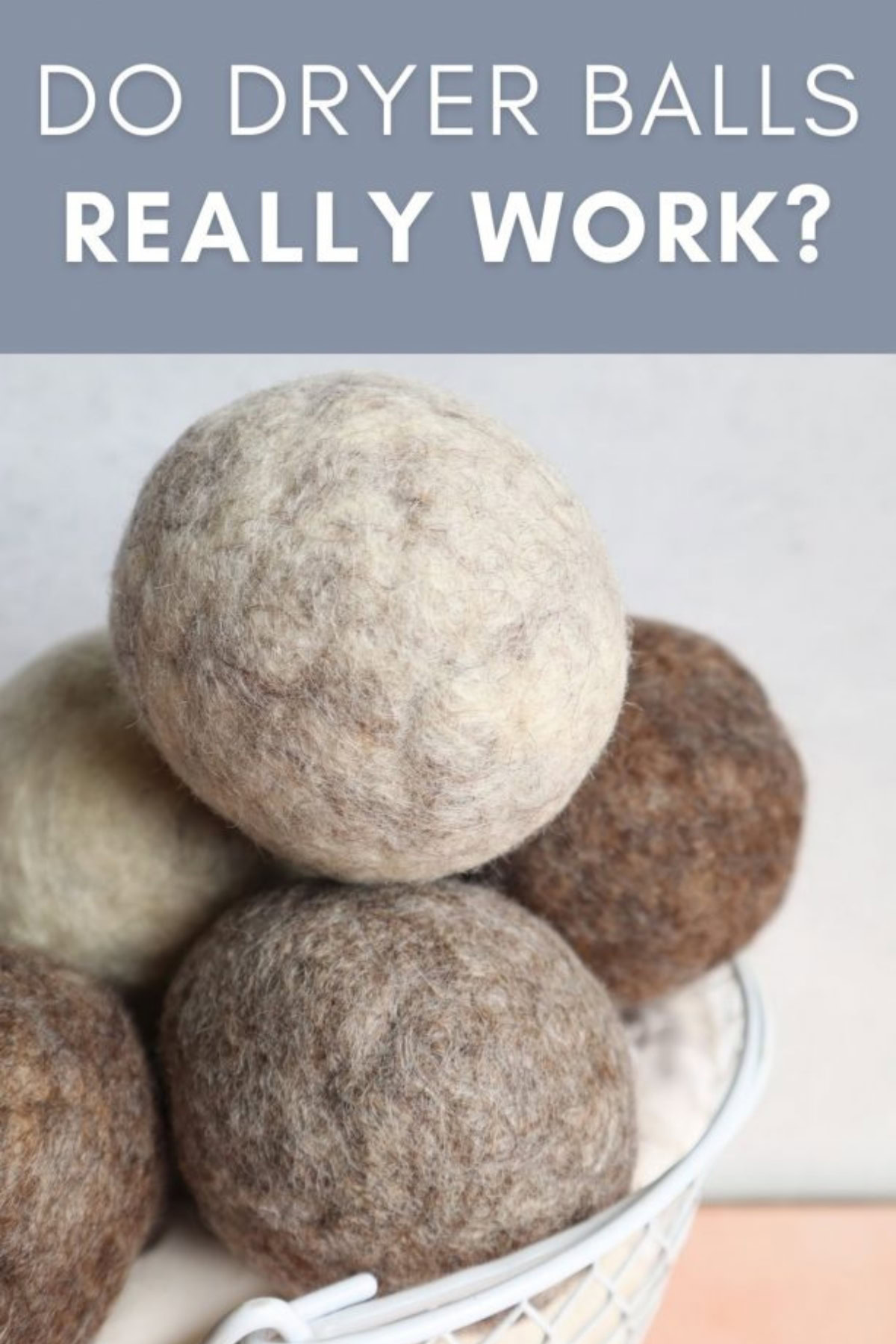
A dryer ball is not merely a household gadget; it is a strategic tool designed to interrupt the cycle of disposable consumption. By replacing recurring chemical costs with a one-time capital investment, dryer balls serve as a case study in how minor pivots in consumer behavior can lead to compounded savings.
1. Direct ROI: Comparing Dryer Balls vs. Disposable Softeners
To understand the financial utility of a dryer ball, one must first analyze the traditional model of laundry maintenance: the dryer sheet. Dryer sheets represent a classic “subscription-style” drain on personal finance. They are designed for single use, ensuring that the consumer must return to the marketplace indefinitely.
The Hidden Cost of Recurring Expenditures
The average American household performs approximately 300 to 400 loads of laundry per year. If a consumer utilizes premium dryer sheets, the cost per load can range from $0.05 to $0.10. While this appears negligible in isolation, it represents an annual leak of $20 to $40. Over a decade, this equates to $400 spent on a product that provides no residual value.
In contrast, a high-quality set of wool dryer balls typically costs between $15 and $25. These assets are rated for over 1,000 loads. From a business finance perspective, this is a transition from an Operating Expense (OpEx) to a Capital Expenditure (CapEx) that pays for itself within the first six to nine months of use.
Calculating the Break-Even Point
Financial literacy requires looking at the break-even point of any purchase. When you invest $20 in a set of wool dryer balls, you are effectively pre-paying for the softening and static-reduction needs of your household for the next three to five years. By the end of Year One, the dryer balls have usually paid for themselves through the elimination of dryer sheets and liquid softeners. Every year thereafter represents a 100% return on investment (ROI) relative to the alternative of disposable goods.
Quality and Longevity of the Asset
Not all dryer balls are created equal. In the context of “Buying It For Life” (BIFL) financial strategies, wool dryer balls represent a superior investment over plastic or rubber alternatives. High-density New Zealand wool balls maintain their structural integrity for years, whereas cheaper plastic versions may crack under high heat, necessitating a second purchase and diminishing the overall ROI. Choosing the right asset from the start is a fundamental principle of wealth management.
2. Utility Bill Optimization and Energy Efficiency
Beyond the direct replacement of consumables, the primary financial function of a dryer ball is to increase the operational efficiency of the clothes dryer itself. In most households, the dryer is one of the top three most energy-consuming appliances, second only to the refrigerator and the HVAC system.
Reducing Drying Time: The Physics of Airflow
The mechanical function of a dryer ball is to create separation between layers of wet fabric. Without them, laundry tends to “clump,” trapping moisture in the center of the mass. This forces the appliance to run longer to achieve total dryness. Dryer balls act as physical agitators, lifting and separating the clothes to allow hot air to circulate more efficiently.
From a data-driven perspective, studies have shown that dryer balls can reduce drying time by 15% to 25%. For a heavy-duty dryer that consumes 3,000 to 5,000 watts per hour, a 20% reduction in cycle time translates to significant kilowatt-hour (kWh) savings on a monthly utility bill.
The Impact on Monthly Kilowatt-Hour Consumption
If we assume an average electricity cost of $0.15 per kWh, a single hour of drying costs approximately $0.45 to $0.75. Reducing each load by 15 minutes saves roughly $0.15 per cycle. Across 350 loads a year, this results in a direct utility saving of $52.50. When combined with the savings from eliminating dryer sheets, the total annual financial benefit exceeds the initial cost of the dryer balls by a factor of three. This is a rare example of a household investment with a 300% annual yield.

Seasonal Savings and High-Volume Calculations
For families or small business owners (such as those running Airbnbs or boutique gyms), the volume of laundry is much higher. In these high-throughput scenarios, the financial impact of dryer balls scales linearly. In a commercial or high-volume residential setting, the reduction in energy consumption can account for hundreds of dollars in annual savings, making dryer balls an essential component of an “eco-frugal” business strategy.
3. Asset Preservation: Extending the Life of Your Wardrobe
In personal finance, we often focus on the “buy” price of an item, but the “cost per wear” is the more accurate metric. A significant portion of a household’s net worth is tied up in soft assets: clothing, linens, and textiles. The chemical nature of traditional softeners can actually be a liability to these assets.
Chemical Degradation vs. Mechanical Softening
Dryer sheets work by coating fabrics in a thin layer of conductive chemicals and fats (often tallow-based). While this makes clothes feel soft, it is essentially a form of controlled “soiling.” Over time, this buildup reduces the absorbency of towels and the breathability of athletic gear. This degradation forces consumers to replace their textiles more frequently.
Dryer balls, however, soften clothes through mechanical agitation—effectively “massaging” the fibers. This preserves the structural integrity of the fabric without the use of corrosive or coating chemicals. By extending the life of a $100 wool sweater or a $60 set of high-thread-count sheets, the dryer ball acts as an insurance policy for your wardrobe.
Protecting Premium Apparel Investments
For those who invest in premium apparel, the financial goal is to maintain the “like-new” condition of the garment for as long as possible. The chemical residue from dryer sheets can cause yellowing in white fabrics and can break down the elastic fibers in modern “stretch” denim and performance wear. By switching to dryer balls, you mitigate the risk of chemical damage, thereby preserving the resale value of high-end items on platforms like Poshmark or The RealReal.
Reducing Appliance Wear and Tear
It is also worth noting the impact on the dryer itself. The waxy residue from dryer sheets can eventually coat the moisture sensor inside the drum, leading to inaccurate readings and causing the machine to over-dry clothes (further increasing energy costs and fabric wear). Furthermore, this residue can clog the lint filter screen, straining the motor. By using dryer balls, you keep the internal components of the appliance cleaner, potentially delaying expensive repairs or premature replacement of the machine.
4. The Macro Perspective: The Business of Sustainable Spending
The decision to use a dryer ball is a microcosm of a larger financial philosophy: sustainable spending. In the world of business finance, companies that eliminate waste and optimize their supply chains are the ones that survive market volatility. Individual households can apply these same principles.
Opportunity Cost and Sustainable Habits
Every dollar saved on laundry is a dollar that can be redirected toward an investment account, a high-yield savings vehicle, or the repayment of high-interest debt. The $80 to $100 saved annually through the use of dryer balls may seem small, but when viewed through the lens of opportunity cost—investing that $100 annually in an index fund with a 7% return—the “dryer ball effect” results in thousands of dollars over a 20-year horizon.
Why Small Financial Pivot Points Matter
Wealth is rarely built through a single “lucky” event; it is built through the accumulation of hundreds of optimized decisions. Choosing a reusable dryer ball over a disposable sheet is a signal of a “wealth-building” mindset. It demonstrates an understanding of lifecycle costs, an appreciation for resource efficiency, and a rejection of the “disposable” consumer culture that often keeps individuals in a cycle of paycheck-to-paycheck living.

5. Strategic Conclusion: Making the Financial Shift
When we analyze “what a dryer ball does,” we find that its primary function is to serve as a catalyst for household financial optimization. It reduces recurring costs, slashes utility expenditures, and protects the lifespan of other high-value assets.
To maximize the financial benefits of this tool:
-
Opt for Wool: Invest in high-density wool balls for maximum durability and noise reduction.
-
Use the Right Quantity: For large loads, use 5–6 balls to ensure maximum airflow and the shortest possible drying time.
-
Track the Data: Monitor your utility bills and laundry expenses for six months after the switch to quantify your personal ROI.
In conclusion, the dryer ball is a small but mighty instrument of personal finance. It proves that you don’t need a high-frequency trading algorithm to improve your financial standing; sometimes, all you need is a better way to do the laundry. By viewing household chores through the lens of business efficiency, you can turn a mundane task into a strategic advantage for your long-term wealth.
aViewFromTheCave is a participant in the Amazon Services LLC Associates Program, an affiliate advertising program designed to provide a means for sites to earn advertising fees by advertising and linking to Amazon.com. Amazon, the Amazon logo, AmazonSupply, and the AmazonSupply logo are trademarks of Amazon.com, Inc. or its affiliates. As an Amazon Associate we earn affiliate commissions from qualifying purchases.