
In the rapidly shifting landscape of the digital age, language evolves at the speed of a fiber-optic connection. Terms that originate in the obscure corners of internet forums can, within months, become part of the global lexicon, influencing everything from social media marketing to the way we interact with software. One such term that has stood the test of time is “derp.” While it may sound like a nonsensical syllable, its meaning is deeply rooted in the evolution of technology-mediated communication.
Understanding what “derp” means—and how it functions within the tech ecosystem—requires a deep dive into the intersection of linguistics, digital platforms, and human-computer interaction. This article explores the origins of the term, its role in the modern meme economy, and its significance in the broader context of technology trends.

The Etymology of Digital Slang: From Gaming to Mainstream Tech
To understand the current application of “derp,” one must first look at its historical development within the digital realm. Like many pieces of internet vernacular, its journey began as a reaction to the constraints of early digital interfaces, where brevity and visual shorthand were essential.
The Origins of the Term
The term “derp” is widely credited to the creators of the animated series South Park, specifically appearing in the 1998 film BASEketball. However, its explosion in popularity was facilitated by the technological infrastructure of the early 2000s. It was adopted by early web forums and imageboards like 4chan and Reddit as a vocalization of a “brain fart” or a momentary lapse in intelligence. In its earliest tech-context, it was often used in gaming communities to describe a player making a fundamental mechanical error—a “derp” moment in a high-stakes match of StarCraft or Counter-Strike.
The Role of Early Web Forums and Imageboards
The shift from a spoken joke to a digital mainstay occurred through the rise of “Rage Comics” on platforms like Reddit. These low-fidelity, user-generated webcomics utilized a specific “derp face” (and its female counterpart, “derpina”) to signify awkwardness or stupidity. This era of the internet was characterized by a “do-it-yourself” tech ethos. The simplicity of the “derp” aesthetic reflected the limited graphic capabilities of many early users and the desire for high-speed, low-bandwidth communication. It was a linguistic tool born out of the necessity for quick, relatable digital expression.
Derp as a Linguistic Paradigm in Social Media Algorithms
As the internet transitioned from static forums to dynamic, algorithmically-driven social media platforms, the term “derp” evolved from a niche slang word into a cornerstone of digital expression. This evolution was not accidental; it was driven by the way technology platforms prioritize content.
The Meme Economy and Virality
In the current tech landscape, attention is the primary currency. Platforms like TikTok, Instagram, and X (formerly Twitter) use complex algorithms to determine which content goes viral. “Derp” content—often characterized by intentional imperfection, silly facial expressions, or awkward social interactions—thrives in these environments.
The “derp” aesthetic serves as an antithesis to the hyper-curated, “Photoshopped” reality of early social media. From a technological standpoint, this represents a shift toward “authentic” engagement. Data suggests that users are more likely to interact with content that feels human and flawed. Consequently, the term “derp” has become a tag used to optimize searchability and engagement within these algorithmic frameworks.
How Algorithms Prioritize Expressive Content
Machine learning models that power social media feeds are designed to recognize patterns of engagement. “Derp” moments are inherently high-signal events; they provoke laughter, relatability, and comments. When a user posts a video of their dog making a “derp face,” the computer vision algorithms of the platform categorize the content based on facial recognition and metadata. By understanding the cultural nuance of “derp,” tech platforms can more accurately serve content to specific interest groups, effectively turning a slang term into a data point for targeted content delivery.
The Intersection of Human-Computer Interaction and Internet Vernacular
The influence of “derp” extends beyond memes and into the very way we design and interact with technology. Modern Human-Computer Interaction (HCI) is increasingly focused on making digital experiences feel more “human,” and the informal nature of “derp” plays a surprising role in this transition.

Visual Communication in UI/UX Design
User Interface (UI) and User Experience (UX) designers often look to internet culture to make software feel more approachable. This has led to the integration of “micro-copy” and playful error messages. For example, instead of a sterile “404 Error: Page Not Found” message, a modern web application might show a humorous illustration of a robot looking confused with a caption like, “Oops, we had a bit of a derp moment. Let’s get you back home.”
This use of internet slang in software design reduces user friction and anxiety. It acknowledges that technology—like humans—is prone to error. By adopting the language of the user, developers create a more empathetic tech environment, bridging the gap between cold binary code and warm human interaction.
The Rise of Emoji and GIF Integration
The technological standardization of “derp” can be seen in the integration of GIF search engines like Giphy and Tenor into nearly every communication app, from Slack to WhatsApp. When a user types “derp” into a search bar, an API (Application Programming Interface) fetches a curated selection of images that perfectly encapsulate the emotion.
This is a significant technological milestone: the codification of slang. By embedding these libraries into our communication tools, tech companies have validated “derp” as a fundamental unit of digital expression. We are no longer limited to text; we use a sophisticated technological stack to communicate complex, nuanced emotions through a four-letter word and an accompanying animation.
Navigating Cultural Nuances in Professional Tech Spaces
As digital natives enter the workforce, the line between “internet speak” and professional communication has blurred. This has created a new set of challenges and opportunities for remote collaboration and the development of Artificial Intelligence.
Contextual Use in Remote Collaboration Tools
In the era of remote work, tools like Slack, Microsoft Teams, and Discord are the new office coolers. Within these digital spaces, “derp” is often used to soften the blow of a technical mistake. When a developer pushes a buggy line of code, admitting to a “derp” in the logic can de-escalate tension and foster a culture of psychological safety.
However, the tech industry also faces the challenge of “context collapse.” What is considered a lighthearted “derp” in a private channel might be perceived as unprofessional in a client-facing environment. Navigating this requires a high level of digital literacy—the ability to understand the technological medium and the cultural expectations of the platform being used.
The Future of AI-Generated Slang and LLMs
The most cutting-edge frontier for “derp” is Large Language Models (LLMs) like GPT-4 and Claude. These AI systems are trained on massive datasets of internet text, meaning they “understand” what a derp is, why it’s funny, and how to use it in context.
The challenge for AI developers is teaching models the subtlety of slang. A “derp” is not just a mistake; it is a specifically branded type of mistake. As we move toward a future where AI handles more of our creative and interpersonal communication, the ability of these machines to grasp the “derp”—the essence of human silliness—will be a key metric for how “human-like” an AI truly feels. If an AI can accurately identify a “derp” moment in a video or use the term correctly in a conversation, it demonstrates a sophisticated understanding of human cultural dynamics that goes beyond simple pattern matching.
Conclusion: The Lasting Impact of “Derp” on Digital Literacy
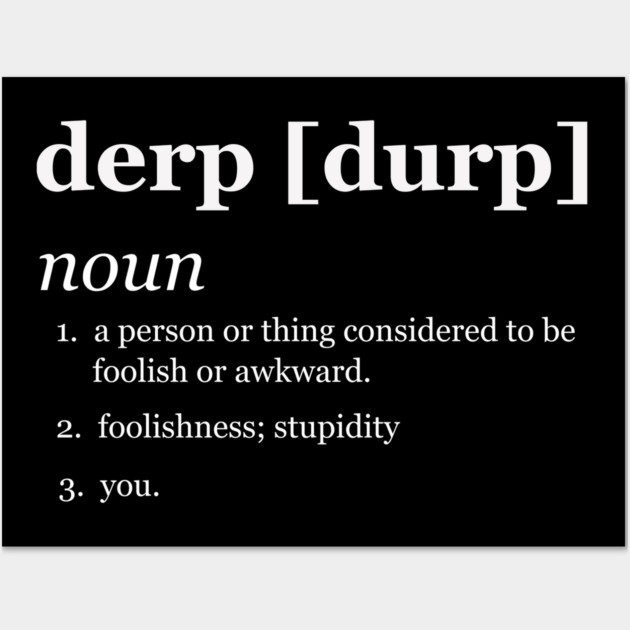
What does a “derp” mean? On the surface, it is a simple expression of a mistake or a silly face. But through the lens of technology, it is much more. It is a symbol of how human beings have reclaimed the digital space, injecting humor and fallibility into a world of logic and data.
From its humble beginnings on 1990s television to its role as a metadata tag in sophisticated social media algorithms, “derp” represents the organic evolution of language in a tech-driven world. It has influenced how we design software, how we communicate in professional environments, and how we train the next generation of Artificial Intelligence.
As technology continues to advance, the specific words we use will undoubtedly change. However, the “derp”—the celebration of our shared human imperfection in the face of perfect machines—will likely remain a fundamental part of the digital experience. Understanding these terms is not just about keeping up with trends; it is about understanding the evolving nature of human connection in the 21st century.
aViewFromTheCave is a participant in the Amazon Services LLC Associates Program, an affiliate advertising program designed to provide a means for sites to earn advertising fees by advertising and linking to Amazon.com. Amazon, the Amazon logo, AmazonSupply, and the AmazonSupply logo are trademarks of Amazon.com, Inc. or its affiliates. As an Amazon Associate we earn affiliate commissions from qualifying purchases.