
For most individuals, a home is the most significant financial investment they will ever make. However, the path to homeownership is rarely a straight line. Between fluctuating interest rates, stringent lending criteria, and a dizzying array of loan products, the mortgage landscape can feel like a labyrinth. This is where a mortgage broker becomes an essential ally.
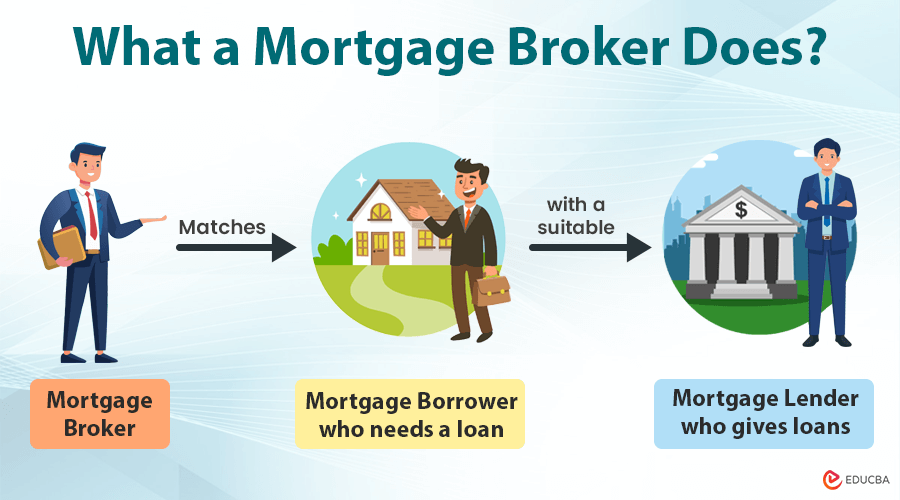
A mortgage broker is a licensed financial professional who acts as an intermediary between individuals looking to buy real estate and potential lenders. Unlike a loan officer at a bank, who only offers products from their specific institution, a broker has access to a vast network of wholesale lenders, credit unions, and private financing firms. Their primary objective is to find a mortgage that fits the borrower’s specific financial profile, potentially saving them thousands of dollars over the life of the loan.
The Intermediary Role: Bridging the Gap Between Borrowers and Lenders
The core function of a mortgage broker is to simplify the connection between those who need capital and those who provide it. In the traditional banking model, a borrower walks into a local branch and is limited to whatever interest rates and terms that specific bank offers. A mortgage broker flips this dynamic, making lenders compete for the borrower’s business.
Access to a Wider Market
One of the most significant advantages of working with a broker is their “wholesale” access. Many lenders do not work directly with the public; they only offer their products through authorized mortgage brokers. These wholesale lenders often have lower overhead costs than big-brand banks, which translates into lower interest rates for the consumer. By leveraging these relationships, a broker can present a borrower with options ranging from fixed-rate 30-year mortgages to adjustable-rate products and government-backed loans that the borrower might never have discovered on their own.
Simplifying the Application Process
The administrative burden of a mortgage application can be overwhelming. It requires a mountain of paperwork, including tax returns, pay stubs, bank statements, and credit history reports. A mortgage broker acts as a primary point of contact and a document manager. They collect all necessary information once and then use it to apply to multiple lenders. This not only saves the borrower dozens of hours of repetitive data entry but also ensures that the application is presented in the most favorable light possible to underwriters.
The Financial Advantage: How Brokers Save You Money
In the realm of personal finance, even a fractional difference in an interest rate can have a massive impact on long-term wealth. For example, a 0.5% difference in the interest rate on a $400,000 mortgage can result in over $40,000 in savings over 30 years. Mortgage brokers are experts at identifying these marginal gains.
Negotiating Competitive Interest Rates
Because brokers bring a high volume of business to lenders, they often have “preferred” status. This volume allows them to negotiate rates that are unavailable to the general public. Furthermore, because a broker understands the internal pricing models of different lenders, they know which institution is currently “hungry” for new loans and likely to offer the best deal. They act as a professional negotiator, advocating for the borrower’s financial interests rather than the bank’s profit margins.
Avoiding Hidden Fees and Pitfalls
The “sticker price” of a mortgage is not just the interest rate; it also includes origination fees, points, closing costs, and administrative charges. A skilled mortgage broker provides a transparent breakdown of these costs. They can identify “junk fees” that some lenders might try to slip into the contract and advise the borrower on whether paying “discount points” (upfront interest) makes financial sense based on how long they plan to stay in the home. This level of financial scrutiny ensures that the borrower isn’t surprised by five-figure costs at the closing table.
Specialization and Tailored Advice for Diverse Financial Profiles
Not every borrower has a perfect 800 credit score and a steady W-2 income. For those with unique financial situations, a traditional bank’s “automated underwriting” system often results in an immediate rejection. Mortgage brokers specialize in finding solutions for these “non-conforming” borrowers.
Assisting First-Time Homebuyers
First-time buyers often lack the large down payments or established credit depth that traditional lenders prefer. Brokers are well-versed in local and federal programs designed to help this demographic, such as FHA (Federal Housing Administration) loans, VA loans for veterans, or USDA loans for rural properties. They educate the borrower on the long-term financial implications of each choice, ensuring the buyer understands not just the monthly payment, but the total cost of ownership.
Solutions for Self-Employed and Non-Traditional Borrowers
In the modern economy, more people are working as freelancers, entrepreneurs, or gig-economy participants. Traditional banks often struggle to verify the income of a self-employed individual who has significant business write-offs. Mortgage brokers have access to “Bank Statement Loans” or “Asset-Based Lending” products. They understand how to calculate debt-to-income ratios for complex portfolios, allowing business owners to leverage their success into real estate equity without the hurdles of traditional retail banking.
The Lifecycle of a Mortgage: From Prequalification to Closing
The process of securing a mortgage is a marathon, not a sprint. A broker stays involved from the initial “what can I afford?” conversation until the keys are handed over. This end-to-end management is vital in preventing the deal from falling through during the final stages.
The Discovery and Pre-Approval Phase
Before a buyer even looks at a house, a broker performs a deep dive into their finances. They run credit checks, verify assets, and provide a pre-approval letter. In a competitive real estate market, a pre-approval letter from a reputable broker is a signal to sellers that the buyer is financially capable. During this phase, the broker also provides advice on how to improve credit scores or pay down specific debts to qualify for a better tier of interest rates.
Document Management and Final Approval
Once a property is under contract, the clock begins to tick. There are strict deadlines for inspections, appraisals, and financing contingencies. The mortgage broker coordinates with the appraiser, the title company, and the lender’s underwriting department. If an issue arises—such as an appraisal coming in lower than the purchase price—the broker works to find a solution, whether that’s challenging the appraisal or restructuring the loan-to-value ratio to keep the deal alive.
Choosing the Right Professional: Mortgage Broker vs. Bank Loan Officer
While both can help you get a loan, their incentives and capabilities differ significantly. Understanding these differences is key to making an informed financial decision.
Conflict of Interest and Compensation Structures
A bank loan officer is an employee of the bank. Their loyalty is to the institution, and their goal is to sell you that institution’s specific products, regardless of whether a better deal exists across the street. A mortgage broker, conversely, is usually an independent agent. While they are paid a commission (often by the lender), they are legally and ethically bound to provide you with a product that is suitable for your needs. Because they only get paid if the loan actually closes, they are highly motivated to provide excellent service and find a viable path to approval.

Why Flexibility Matters in a Shifting Economy
Interest rates change daily based on bond market fluctuations and Federal Reserve policy. A mortgage broker provides the flexibility to pivot. If rates drop significantly while you are in the middle of your home search, a broker can quickly switch your application to a different lender who has updated their pricing more aggressively. A bank loan officer cannot do this; you are stuck with their internal rate sheets. This agility is a powerful tool for protecting your purchasing power in an inflationary or volatile economic environment.
In conclusion, a mortgage broker is much more than a middleman; they are a financial strategist, a negotiator, and a project manager. By providing access to the broader market, offering specialized advice for complex financial profiles, and managing the intricate details of the loan process, they empower consumers to make one of the most important financial decisions of their lives with confidence. Whether you are a first-time buyer or a seasoned real estate investor, the expertise of a mortgage broker is a vital component in optimizing your personal balance sheet and securing your financial future.
aViewFromTheCave is a participant in the Amazon Services LLC Associates Program, an affiliate advertising program designed to provide a means for sites to earn advertising fees by advertising and linking to Amazon.com. Amazon, the Amazon logo, AmazonSupply, and the AmazonSupply logo are trademarks of Amazon.com, Inc. or its affiliates. As an Amazon Associate we earn affiliate commissions from qualifying purchases.