
In an era defined by hyper-connectivity and pervasive digital interaction, the term “assault” has evolved to encompass far more than physical violence. Today, a significant and increasingly complex category of threats manifests as “digital assaults”—malicious activities targeting our technological infrastructure, data, and online identities. These cyber attacks are not merely technical glitches; they are deliberate, often sophisticated, and can have devastating real-world consequences, ranging from financial ruin and operational paralysis to reputational damage and the erosion of trust. Understanding the multifaceted nature of what constitutes a digital assault is the first critical step in building robust defenses against an ever-evolving adversary.
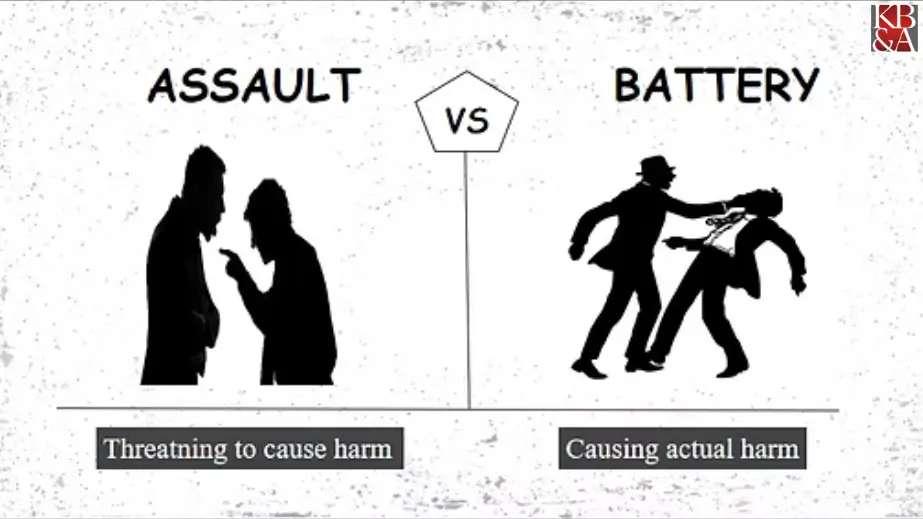
This article delves into the core meaning of digital assaults, exploring their various forms, the profound impacts they inflict, the proactive strategies for defense, and the dynamic landscape of cyber warfare and regulation. By dissecting these complex issues, we aim to provide a comprehensive understanding of the threats that loom in our digital environment and empower readers with the knowledge needed to navigate this challenging terrain.
The Anatomy of a Digital Assault: Types and Tactics
Digital assaults are not monolithic; they manifest in a dizzying array of forms, each employing specific tactics to exploit vulnerabilities in systems, networks, and human behavior. From the subtle art of deception to brute-force technical onslaughts, these attacks are designed to achieve diverse objectives, whether data theft, service disruption, or financial extortion.
Malware and Ransomware: The Pervasive Threat
At the forefront of digital assaults are malicious software programs, broadly categorized as malware. This umbrella term includes viruses, worms, trojans, spyware, and adware, all designed to infiltrate systems without consent and perform unwanted actions. Among these, ransomware has emerged as a particularly virulent form of digital assault. Ransomware encrypts a victim’s files or locks down their entire system, demanding a payment (often in cryptocurrency) in exchange for decryption keys or access restoration. Its impact can cripple businesses, healthcare providers, and critical infrastructure, forcing organizations to choose between paying the ransom or enduring significant operational downtime and data loss. The tactics often involve sophisticated social engineering or exploiting known software vulnerabilities to gain initial access.
Phishing and Social Engineering: Exploiting Human Weakness
While some digital assaults target technological weaknesses, many prey on the most vulnerable link in any security chain: human beings. Phishing is a deceptive form of social engineering where attackers impersonate trusted entities (banks, government agencies, popular services) through emails, messages, or fake websites. Their goal is to trick individuals into revealing sensitive information like login credentials, credit card numbers, or personal data. Variations include spear phishing (targeted attacks against specific individuals or organizations), whaling (targeting high-profile executives), and smishing (phishing via SMS). These assaults leverage psychological manipulation, urgency, fear, or curiosity to bypass technical safeguards and gain unauthorized access.
DDoS Attacks: Overwhelming Defenses
A Distributed Denial of Service (DDoS) attack is a direct assault on the availability of online services. It works by overwhelming a target server, service, or network with a flood of internet traffic, originating from multiple compromised computer systems (a “botnet”). This massive influx of illegitimate requests exhausts the target’s resources, causing it to slow down or crash entirely, rendering it inaccessible to legitimate users. DDoS attacks can be used for various purposes, including digital extortion, competitive sabotage, or as a smokescreen to distract security teams while other malicious activities unfold. The sheer volume and distributed nature of these assaults make them challenging to mitigate without specialized tools and expertise.
Zero-Day Exploits: Unknown Vulnerabilities
Perhaps the most insidious form of digital assault involves zero-day exploits. These attacks leverage newly discovered software vulnerabilities that are unknown to the software vendor or the public. Because there is no existing patch or security fix for these flaws, they represent a “zero-day” window of opportunity for attackers before developers can issue a solution. This makes zero-day exploits incredibly dangerous and difficult to defend against, as conventional security measures may not have signatures or rules to detect them. Attackers often sell these exploits on the dark web, making them a valuable commodity for state-sponsored actors and sophisticated criminal enterprises.
The Devastating Impact of Cyber Assaults
The consequences of a successful digital assault extend far beyond the immediate technical disruption. They ripple through organizations and individuals, inflicting a range of damages that can be challenging to quantify and even harder to recover from.
Financial Losses and Operational Disruptions
One of the most immediate and tangible impacts of a digital assault is significant financial loss. This can stem from direct costs such as ransom payments, incident response and forensic investigation fees, system recovery and repair expenses, and legal fees associated with data breaches. Beyond direct costs, operational disruptions can halt business activities, leading to lost revenue, missed deadlines, and contractual penalties. For critical infrastructure, these disruptions can cascade, affecting essential services like power grids, transportation, and healthcare, with potentially life-threatening implications. The downtime alone can often exceed the cost of the initial breach.
Reputational Damage and Erosion of Trust
In today’s interconnected world, an organization’s reputation is inextricably linked to its digital security posture. A major cyber assault, particularly one involving a data breach, can severely damage customer trust, public perception, and brand equity. Customers are increasingly wary of entrusting their data to companies that have demonstrated vulnerabilities. Rebuilding trust after a significant breach is a long and arduous process, often requiring extensive public relations efforts, transparency, and demonstrable improvements in security measures. For individuals, personal data breaches can lead to identity theft and financial fraud, profoundly impacting their sense of security and trust in online platforms.
Data Breaches and Privacy Infringement
The theft of sensitive data is a primary objective for many digital assaults. This includes personally identifiable information (PII), financial records, intellectual property, trade secrets, and classified government data. Data breaches can expose individuals to identity theft, financial fraud, and blackmail. For businesses, the loss of proprietary information can compromise competitive advantage, intellectual property, and long-term viability. The scale of these breaches can be staggering, affecting millions of individuals and costing organizations billions in remediation and fines, particularly under stringent data protection regulations like GDPR and CCPA.
Psychological Toll on Victims and Organizations

Beyond the financial and operational fallout, digital assaults can exact a considerable psychological toll. Individuals whose personal data has been compromised may experience anxiety, stress, and a feeling of violation. For organizations, the leadership and employees involved in managing the crisis often face intense pressure, burnout, and emotional distress. The constant threat of future attacks can create an environment of paranoia and mistrust, impacting morale and productivity. In extreme cases, repeated or severe cyber attacks can even lead to the closure of businesses that cannot withstand the sustained pressure and financial burden.
Proactive Defense: Fortifying Your Digital Perimeter
Given the escalating frequency and sophistication of digital assaults, a reactive approach to cybersecurity is no longer tenable. Proactive defense strategies are essential for individuals and organizations to fortify their digital perimeters and minimize their vulnerability.
Robust Cybersecurity Infrastructure
Establishing a strong foundation of cybersecurity infrastructure is paramount. This includes implementing next-generation firewalls, intrusion detection and prevention systems (IDPS), and advanced endpoint detection and response (EDR) solutions across all networks and devices. Regular software updates and patch management are critical to close known vulnerabilities, while strong access controls (e.g., multi-factor authentication, principle of least privilege) limit potential damage from unauthorized access. Data encryption, both in transit and at rest, adds another layer of protection, making stolen data unreadable without the proper keys.
Employee Training and Awareness Programs
As established, humans are often the weakest link. Comprehensive and continuous employee training and awareness programs are therefore indispensable. These programs should educate staff on identifying phishing attempts, recognizing social engineering tactics, understanding password hygiene, and adhering to secure computing practices. Regular simulated phishing exercises can help employees practice vigilance in a safe environment, reinforcing lessons learned and building a resilient human firewall against common digital assaults.
Regular Audits and Vulnerability Assessments
To stay ahead of evolving threats, organizations must regularly assess their security posture. This involves conducting routine security audits, penetration testing, and vulnerability assessments to identify weaknesses in systems, applications, and network configurations before attackers can exploit them. External audits can provide an impartial evaluation of security controls, while internal teams can continuously monitor for anomalies and suspicious activities using Security Information and Event Management (SIEM) systems and threat intelligence feeds.
Incident Response Planning and Business Continuity
No defense is impenetrable, and a successful digital assault is always a possibility. Therefore, a well-defined incident response plan is crucial. This plan outlines the steps an organization will take immediately following a breach, including containment, eradication, recovery, and post-incident analysis. Concurrently, a robust business continuity plan ensures that critical operations can continue or be quickly restored in the event of a significant cyber disruption. This includes regular data backups, disaster recovery strategies, and alternative operational procedures to minimize downtime and mitigate the overall impact of an attack.
The Evolving Landscape of Cyber Warfare and Regulation
The nature of digital assaults is not static; it is constantly evolving, driven by geopolitical tensions, technological advancements, and a growing body of international and national regulations.
Nation-State Actors and Geopolitical Implications
Digital assaults are increasingly becoming a tool in statecraft, with nation-state actors engaging in cyber espionage, sabotage, and influence operations. These advanced persistent threats (APTs) are often highly sophisticated, well-funded, and possess the resources to develop zero-day exploits and conduct long-term campaigns against strategic targets. Geopolitical conflicts now have a significant cyber dimension, with attacks aimed at critical infrastructure, government agencies, and defense contractors. Understanding this “cyber warfare” context is vital for national security and international relations, as digital assaults can destabilize regions and escalate global tensions without traditional armed conflict.
The Regulatory Imperative and Data Governance
The proliferation of digital assaults and subsequent data breaches has spurred governments worldwide to enact stringent data protection and privacy regulations. Frameworks like the General Data Protection Regulation (GDPR) in Europe, the California Consumer Privacy Act (CCPA) in the United States, and similar laws globally impose strict requirements on how organizations collect, process, store, and protect personal data. Non-compliance can result in substantial fines, underscoring the legal and ethical imperative for robust cybersecurity. These regulations redefine what constitutes acceptable data handling, holding organizations accountable for safeguarding user information against digital assaults.
AI: A Double-Edged Sword in Cyber Security
Artificial intelligence (AI) and machine learning (ML) are rapidly transforming the landscape of digital assaults. On one hand, AI offers powerful tools for defense, enabling faster threat detection, automated response, predictive analytics, and sophisticated anomaly detection to identify novel attack patterns. AI-driven security systems can process vast amounts of data more efficiently than human analysts, enhancing an organization’s ability to counter real-time threats. On the other hand, malicious actors are also harnessing AI to craft more sophisticated and evasive assaults. This includes creating highly convincing deepfake phishing campaigns, developing autonomous malware, and identifying system vulnerabilities at an unprecedented pace, creating a continuous arms race between AI-powered offense and defense.

Conclusion
The question “what do assault mean” in the digital age reveals a complex and critical challenge facing every individual and organization. Digital assaults are no longer abstract threats; they are tangible dangers with profound implications for financial stability, operational continuity, privacy, and trust. From sophisticated ransomware attacks and deceptive phishing campaigns to overwhelming DDoS floods and nation-state-sponsored cyber warfare, the methods and motivations behind these assaults are diverse and constantly evolving.
By understanding the anatomy of these attacks, acknowledging their devastating impacts, and committing to proactive defense strategies, we can collectively fortify our digital perimeters. Robust infrastructure, continuous employee training, regular security assessments, and comprehensive incident response planning are not just best practices—they are necessities. Furthermore, recognizing the geopolitical dimensions of cyber warfare and the dual-use nature of emerging technologies like AI is crucial for navigating this dynamic threat landscape. In an increasingly interconnected world, our collective resilience against digital assaults will define our ability to harness the full potential of technology safely and securely.
aViewFromTheCave is a participant in the Amazon Services LLC Associates Program, an affiliate advertising program designed to provide a means for sites to earn advertising fees by advertising and linking to Amazon.com. Amazon, the Amazon logo, AmazonSupply, and the AmazonSupply logo are trademarks of Amazon.com, Inc. or its affiliates. As an Amazon Associate we earn affiliate commissions from qualifying purchases.