
In the intricate tapestry of modern business, where brand perception and client relationships are paramount, the role of an Account Executive (AE) stands as a critical pillar. Often perceived merely as sales professionals, AEs are, in essence, the front-line ambassadors of a company’s brand, entrusted with cultivating trust, demonstrating value, and fostering long-term partnerships that drive sustainable growth. Their work is deeply intertwined with marketing, corporate identity, and brand strategy, making them indispensable to a company’s market presence and revenue generation.
This article delves into the multifaceted responsibilities of Account Executives, examining their pivotal role through the lens of brand building, client engagement, and strategic marketing outcomes. We will explore how these dynamic professionals don various hats – from persuasive communicators and strategic advisors to meticulous planners and relationship architects – all while upholding and enhancing the brand they represent.
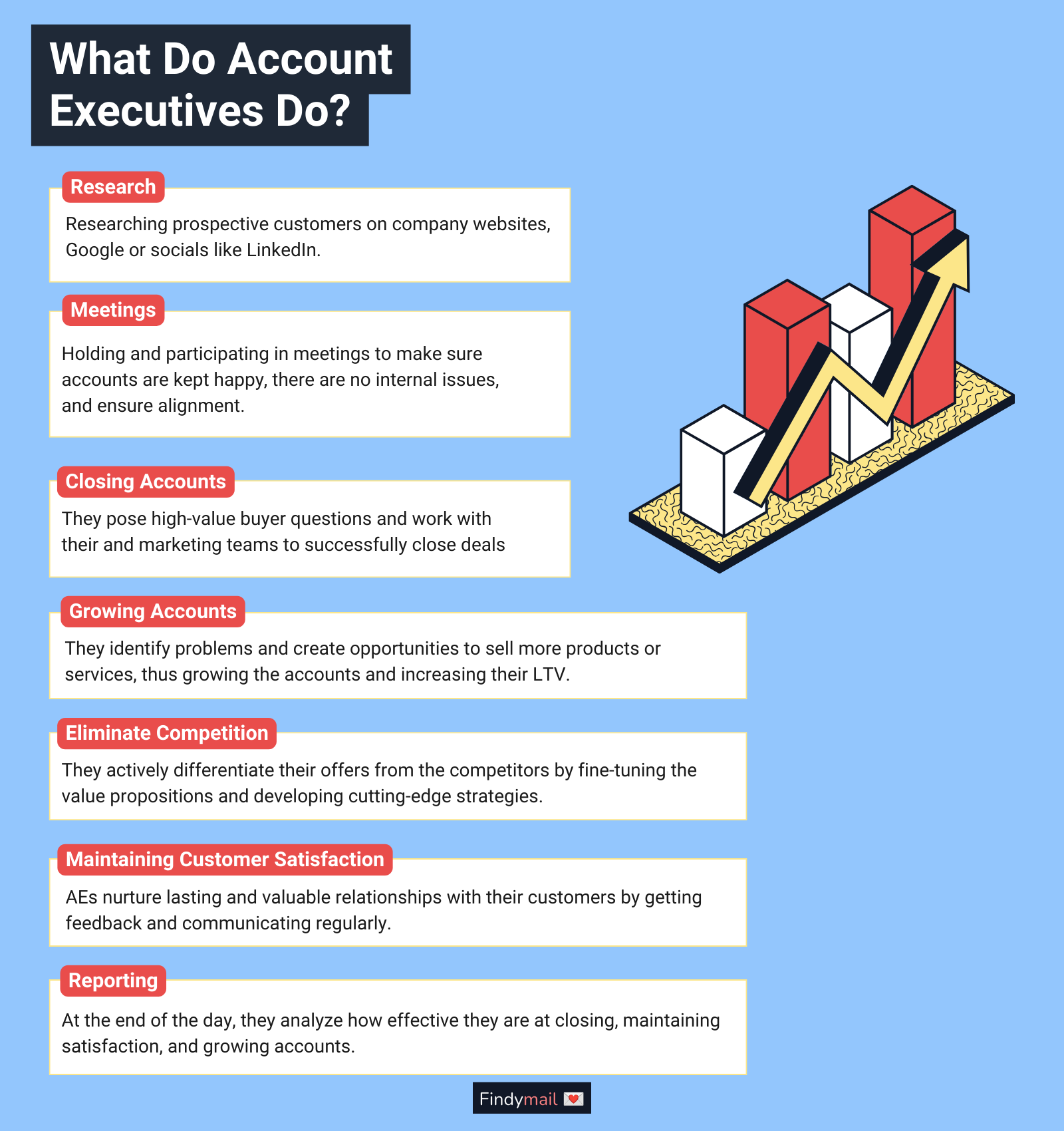
The Account Executive as a Brand Ambassador and Strategist
At its core, the Account Executive role is about bridging the gap between a company’s offerings and its target market. More than just selling products or services, AEs embody the brand, communicate its unique value proposition, and ensure that every client interaction reinforces the corporate identity. They are the human face of the brand, translating abstract strategies into tangible client experiences.
Representing Corporate Identity and Values
An AE’s every interaction, from initial outreach to post-sale follow-up, is a direct reflection of the company’s corporate identity. They are not just selling a solution; they are selling the brand’s promise, its reliability, its innovation, and its commitment to client success. This requires an intimate understanding of the company’s mission, vision, and values, enabling them to articulate these tenets authentically.
-
Communicating Brand Ethos: AEs must internalize the brand’s ethos and communicate it consistently. Whether it’s a commitment to sustainability, cutting-edge technology, or unparalleled customer service, their messaging and demeanor must align with what the brand stands for. This consistency is crucial for building a strong and recognizable brand image in the marketplace.
-
Ensuring Brand Consistency: In a world saturated with information, consistency is key to brand recognition and trust. Account Executives play a vital role in maintaining this consistency across all client touchpoints, ensuring that the brand voice, visual identity (even through professional presentation), and core messages remain uniform. This collective effort reinforces the brand’s identity and prevents diluted or conflicting perceptions.
Translating Brand Value into Client Solutions
A key responsibility of an AE is to translate the overarching brand value – what makes the company unique and valuable – into specific, tailored solutions for individual clients. This involves a deep understanding of the client’s challenges and goals, then demonstrating how the brand’s offerings provide the most effective answer.
-
Understanding Client Needs and Brand Fit: Before presenting any solution, a proficient AE invests time in understanding the client’s business, industry, pain points, and strategic objectives. This diagnostic phase is critical for identifying how the brand’s capabilities can genuinely add value, rather than simply pushing a generic product. It’s about finding the perfect ‘brand fit’ between what the company offers and what the client truly needs.
-
Crafting Tailored Value Propositions: Based on this understanding, AEs craft compelling value propositions that resonate directly with the client. They highlight specific features and benefits of their brand’s products or services that address the client’s unique situation, proving not just what the brand does, but why it matters to them. This targeted approach elevates the conversation from a mere transaction to a strategic partnership.
Building and Nurturing Client Relationships: The Core of Brand Loyalty
While product quality and service delivery are fundamental, it is the strength of client relationships that often dictates long-term success and brand loyalty. Account Executives are master relationship builders, fostering trust and rapport that extends beyond initial sales, thereby cementing the brand’s position in the client’s ecosystem.
Strategic Prospecting and Relationship Initiation
The journey of an Account Executive begins with strategic prospecting – identifying potential clients who align with the brand’s target market and value proposition. This isn’t a random outreach; it’s a calculated effort to find mutually beneficial partnerships.
-
Identifying High-Potential Leads: AEs utilize market research, industry insights, and networking to identify leads that not only have a need for the brand’s offerings but also align culturally and strategically. This ensures that the initial engagement is with a prospect who is more likely to become a long-term, valuable brand advocate.
-
Crafting Engaging Outreach Strategies: The first impression is critical. AEs develop personalized and compelling outreach strategies that introduce the brand and its potential value in a way that captures attention and sparks interest. This involves leveraging various communication channels – from personalized emails and LinkedIn messages to strategic cold calls and industry events – all while maintaining a consistent brand voice.
Cultivating Trust and Managing Client Expectations
Trust is the bedrock of any successful relationship, and for a brand, it translates into reliability and credibility. Account Executives are central to cultivating this trust by being transparent, responsive, and always acting in the client’s best interest.
-
Active Listening and Empathetic Engagement: A successful AE is an exceptional listener, absorbing client concerns, aspirations, and feedback. This empathetic engagement builds rapport and assures clients that their voice is heard and valued, strengthening their emotional connection to the brand.
-
Setting Realistic Expectations: To avoid future disappointment and maintain brand integrity, AEs are responsible for clearly communicating what the brand can and cannot deliver. This transparency builds long-term trust and reinforces the brand’s honesty and ethical standards, even if it means acknowledging limitations.
Post-Sale Relationship Management and Expansion
The AE’s role does not end when a deal is closed; in many ways, it’s just beginning. Post-sale management is crucial for ensuring client satisfaction, identifying opportunities for expansion, and transforming satisfied customers into loyal brand advocates.

-
Ensuring Client Success and Satisfaction: AEs often act as internal advocates for their clients, collaborating with internal teams (e.g., customer success, product development) to ensure successful implementation and ongoing satisfaction. This proactive approach reinforces the brand’s commitment to its clients’ success.
-
Identifying Opportunities for Brand Expansion: By maintaining an ongoing dialogue, AEs can identify opportunities to cross-sell or upsell additional products and services that further enhance the client’s operations. This strategic expansion is not just about revenue; it’s about deepening the brand’s footprint within the client organization and becoming an indispensable partner.
Driving Revenue Through Strategic Marketing and Sales Alignment
While the primary objective of an Account Executive is often revenue generation, this is achieved through a deep understanding and application of marketing principles. Their work is a direct extension of a company’s marketing strategy, turning leads generated by marketing efforts into concrete sales and contributing valuable market intelligence back to the marketing team.
From Leads to Brand Advocates: The Sales Cycle
The sales cycle managed by an AE is a dynamic process that transforms initial interest into committed partnership, reflecting the brand’s journey with a client.
-
Qualifying and Nurturing Leads: AEs meticulously qualify leads provided by marketing or generated through their own prospecting, ensuring they align with the brand’s ideal customer profile. They nurture these leads through targeted communication, providing relevant information and insights that resonate with the client’s specific needs, thereby advancing them through the sales funnel.
-
Presenting Compelling Brand Solutions: Once qualified, AEs are responsible for delivering powerful presentations and proposals that clearly articulate the brand’s value and differentiation. These presentations are not just about features; they tell a story of how the brand can solve the client’s problems and contribute to their success, reinforcing the brand narrative.
-
Negotiation and Closing: This stage requires finesse and a keen understanding of both the brand’s value and the client’s priorities. AEs negotiate terms, address objections, and ultimately guide the client to a mutually beneficial agreement, successfully bringing them into the brand’s fold.
Gathering Market Insights for Brand Evolution
Account Executives are uniquely positioned at the front lines, constantly interacting with the market. This direct exposure provides invaluable insights that are crucial for the ongoing evolution and refinement of the brand and its offerings.
-
Feedback Loop to Marketing and Product Development: AEs serve as a critical feedback loop, relaying client needs, market trends, competitive intelligence, and feedback on existing products/services back to marketing, product development, and strategy teams. This continuous flow of information helps the brand stay agile, innovate, and adapt its messaging and offerings to remain relevant and competitive.
-
Identifying New Market Opportunities: Through their conversations and observations, AEs can spot emerging needs or untapped market segments that the brand could potentially address. This foresight can lead to new product lines, service offerings, or even entirely new market strategies, driving future brand expansion and diversification.
Navigating Challenges and Embracing the Future of Brand Development
The role of an Account Executive is not without its challenges. The competitive landscape, evolving client expectations, and rapid technological advancements demand constant adaptation and strategic thinking. However, these challenges also present opportunities for AEs to further solidify their importance in brand development.
Overcoming Objections and Differentiating the Brand
In a crowded marketplace, AEs frequently encounter objections and must work diligently to differentiate their brand from competitors.
-
Strategic Objection Handling: AEs must be adept at understanding the root cause of objections – whether they relate to price, perceived value, or competitive offerings – and address them strategically. This often involves reiterating the brand’s unique selling propositions, showcasing case studies, and providing compelling evidence of ROI.
-
Highlighting Brand Uniqueness: A crucial aspect of an AE’s role is to articulate what makes their brand truly unique and superior. This goes beyond feature comparisons; it involves emphasizing the brand’s culture, innovation, support, and long-term vision, creating a compelling narrative that resonates emotionally with clients.
Embracing Technology for Enhanced Brand Engagement
The future of the Account Executive is inextricably linked to technology, which offers powerful tools for enhancing client engagement, optimizing sales processes, and gaining deeper brand insights.
-
Leveraging CRM and AI Tools: Customer Relationship Management (CRM) systems are indispensable for tracking client interactions, managing pipelines, and personalizing communications. Advanced AI tools can further empower AEs by providing predictive insights, automating routine tasks, and suggesting optimal engagement strategies, allowing them to focus on high-value, relationship-building activities.
-
Data-Driven Brand Storytelling: Technology provides AEs with access to rich data about client behavior, market trends, and product performance. This data can be leveraged to craft highly personalized and impactful brand stories, demonstrating quantifiable value and solidifying the brand’s credibility and authority.

The Evolving Role: From Sales to Strategic Partnerships
The traditional perception of an AE as solely a salesperson is giving way to a more holistic view of a strategic partner. This evolution emphasizes deeper collaboration and long-term value creation for clients and the brand alike.
-
Becoming Trusted Advisors: Successful AEs are increasingly seen as trusted advisors, consultants who provide strategic guidance rather than just selling products. They understand the client’s business intimately and offer solutions that genuinely help them achieve their objectives, elevating the brand to a status of essential partner.
-
Cultivating Long-Term Brand Ecosystems: The goal is no longer just individual sales, but to integrate the brand deeply into the client’s operational and strategic ecosystem. This fosters enduring relationships, drives recurring revenue, and creates a powerful network of brand advocates who champion the company’s offerings, leading to sustainable brand growth and market leadership.
In conclusion, the Account Executive is far more than a sales person; they are a linchpin in a company’s brand strategy and marketing success. By embodying the corporate identity, building profound client relationships, driving strategic revenue, and acting as a vital feedback loop for brand evolution, AEs are truly the architects of brand growth and the custodians of client loyalty. Their multifaceted contributions are indispensable to creating a robust, respected, and enduring brand in today’s dynamic business landscape.
aViewFromTheCave is a participant in the Amazon Services LLC Associates Program, an affiliate advertising program designed to provide a means for sites to earn advertising fees by advertising and linking to Amazon.com. Amazon, the Amazon logo, AmazonSupply, and the AmazonSupply logo are trademarks of Amazon.com, Inc. or its affiliates. As an Amazon Associate we earn affiliate commissions from qualifying purchases.