
The phrase “what did the Romans eat” often conjures images of opulent banquets, reclining diners, and exotic delicacies. While such scenes certainly existed, they represent only a sliver of the broader, more complex economic reality of Roman sustenance. Food in the Roman Empire was far more than mere nourishment; it was a cornerstone of the economy, a powerful indicator of social status, a strategic resource for imperial control, and a constant subject of personal and public financial management. Understanding the Roman diet requires delving into the intricate financial ecosystems that governed its production, distribution, consumption, and the stark financial disparities it revealed.

This article explores the economic dimensions of Roman eating habits, examining how financial considerations shaped what was available, affordable, and consumed across different strata of society, from the humblest plebeian to the wealthiest patrician.
The Foundations of the Roman Economic Diet
At the heart of the Roman diet lay a relatively simple, yet economically profound, trinity: grain, olive oil, and wine. These staples were not just dietary necessities but critical economic commodities that dictated trade routes, influenced agricultural policies, and formed the basis of both individual household budgets and the vast imperial economy. Their availability and cost profoundly impacted the financial well-being and daily life of every Roman citizen.
Grain: The Staple and Its Strategic Importance
Grain, primarily wheat and barley, was the undisputed monarch of the Roman table and its economy. It provided the caloric backbone for the vast majority of the population, transformed into bread, porridge, or gruel. From a financial perspective, grain was paramount. Its consistent supply at affordable prices was crucial for social stability, especially in the densely populated urban centers like Rome. The state understood this deeply, implementing the annona, a system of subsidized or free grain distribution for the urban poor, which represented a massive financial undertaking. The cost of grain fluctuated wildly based on harvests, political stability, and the efficiency of supply lines stretching from North Africa and Egypt. For the average Roman household, a significant portion of their daily expenditure went towards procuring grain, making its price a direct barometer of their financial precarity or comfort. Investment in fertile lands for grain production was a prime economic strategy for landowners, while its trade generated immense wealth for merchants and shippers, underscoring its pivotal role in the Roman financial landscape.
Olive Oil and Wine: Essential Commodities and Trade Drivers
Beyond grain, olive oil and wine were not mere luxuries but fundamental components of the Roman diet, economy, and culture. Olive oil served multiple purposes: cooking, lighting, and personal hygiene. Its production, largely centered in Hispania and North Africa, was a massive agricultural industry requiring substantial capital investment in groves, presses, and storage. The trade in olive oil generated significant economic activity and wealth, with vast quantities transported across the Mediterranean in amphorae. Similarly, wine, though sometimes diluted, was a daily beverage for many Romans. Vineyards represented another substantial agricultural investment, and the quality and origin of wine could command vastly different prices, catering to various financial capacities. For the poor, cheaper local wines sufficed, while the wealthy indulged in aged, imported varieties from regions like Falernia, treating wine as both a consumer good and an investment. The economic cycles of planting, harvesting, and trading these two commodities provided livelihoods for countless individuals and contributed substantially to the Empire’s overall financial health.
Social Stratification Reflected in the Roman Plate
The Romans’ diet was a vivid mirror reflecting their place in the social hierarchy. While the basic staples were universally consumed, the quality, quantity, and diversity of food available were directly proportional to one’s financial standing. This economic disparity in diet was not just about having more food but about accessing different types of food, which in turn reinforced social distinctions and status.
The Plebeian’s Sustenance: Affordable and Basic
For the vast majority of Romans—the plebeians, slaves, and working classes—the diet was by necessity frugal and functional, dictated by their limited financial means. Their daily meals revolved around basic, calorie-dense, and inexpensive foods. Bread, often made from coarser grains like barley, was the foundation, supplemented by legumes (lentils, chickpeas), seasonal vegetables grown locally, and sometimes fermented fish sauce (garum), a cheap but potent condiment. Meat was a rare luxury, typically consumed only on special occasions or during religious festivals where sacrificial animals were distributed. Seafood, if available and affordable, might make an appearance, but fresh meat was generally too expensive for daily consumption. Their financial constraints meant focusing on sustenance rather than culinary delight, with meals being simple preparations consumed in communal settings or on the go. The plebeian diet underscores the stark reality of economic survival for the lower classes, where every sesterce spent on food had to yield maximum caloric return.
The Patrician’s Pantry: Luxury, Expense, and Status
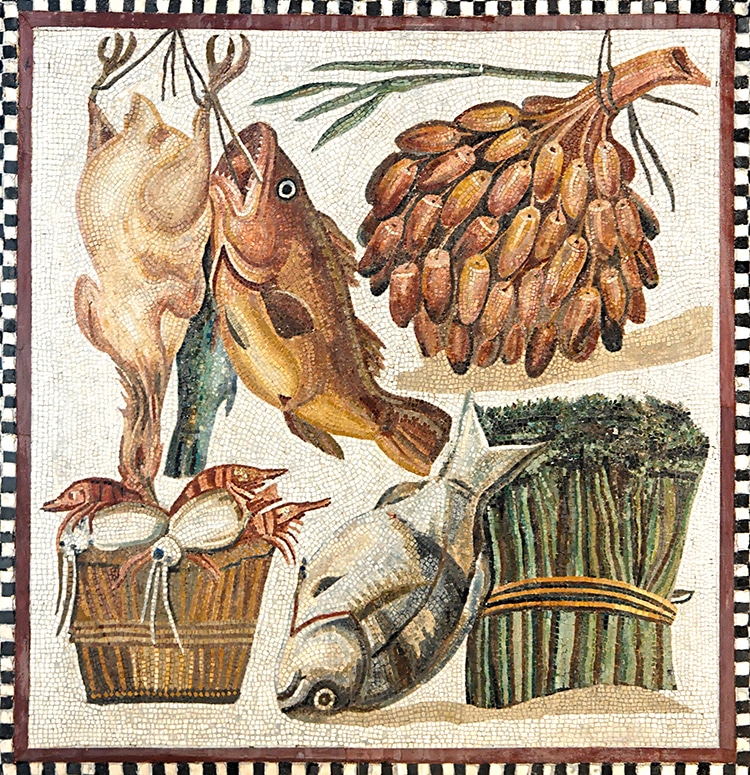
In stark contrast, the Roman elite, the patricians and wealthy equestrians, leveraged their substantial financial resources to transform their diet into a grand display of wealth and status. Their pantries were stocked with a dazzling array of expensive, often imported, ingredients. Fine wheat bread, fresh meat (pork, beef, poultry, game), exotic fruits (dates, figs, pomegranates), and a wider variety of vegetables were standard. Fish, especially prized species, was readily available. However, the true economic spectacle lay in their lavish banquets, where conspicuous consumption was the order of the day. Dinners could feature dishes made from rare and expensive ingredients like flamingo tongues, dormice, oysters, and elaborate concoctions requiring skilled, often enslaved, chefs. The cost of such feasts, involving not just the food but also fine tableware, entertainment, and a large retinue of servants, could run into sums equivalent to an average person’s annual income. These culinary extravaganzas were not merely about eating; they were potent demonstrations of financial power, social influence, and a means to forge political alliances and cement one’s position within the Roman elite.
The Global Economy of Roman Food Trade
The Roman Empire’s vast territorial expanse was matched by an equally extensive and complex food trade network. This network was a colossal economic engine, responsible for feeding millions and generating immense wealth, while also presenting significant financial and logistical challenges. The movement of food commodities was a critical element of the Roman economy, linking distant provinces and dictating imperial economic policy.
Imperial Supply Chains: Managing Resources and Wealth
The sheer scale of feeding Rome and its numerous legions required an unparalleled feat of economic and logistical organization. Vast quantities of grain, olive oil, and wine were transported from the agricultural heartlands of Egypt, North Africa, and Hispania to the capital and military outposts. This involved significant financial investment in infrastructure—roads, ports, and a massive merchant fleet—and the economic management of state contracts for supply and transport. The system of annona supply, for instance, involved complex financial mechanisms, including taxation in kind, state purchases, and subsidies, all aimed at ensuring a steady and affordable flow of staples. Disruptions in these supply chains due to piracy, bad weather, or political unrest could trigger sharp price increases, leading to economic hardship and social unrest, underscoring the delicate balance of this vast economic enterprise. The financial health of entire provinces often hinged on their capacity to produce and export these key foodstuffs to the core of the Empire.
Luxury Imports and Conspicuous Consumption
Beyond staple goods, the Roman elite’s insatiable appetite for exotic and rare foods drove a specialized, high-value segment of the food economy. Spices from the East (pepper, cinnamon, cloves), exotic fruits, and even live animals for elaborate banquets traversed vast distances, often via the Silk Road and maritime routes to India. These luxury imports commanded exorbitant prices, accessible only to the wealthiest Romans. The financial cost was astronomical due not only to their rarity but also the immense logistical challenges, risks of transport, and multiple intermediaries involved. This trade in luxury foodstuffs was a powerful engine of wealth for those involved, from long-distance merchants to local vendors specializing in high-end goods. For the consumer, purchasing and displaying these items was a direct form of conspicuous consumption, signaling their unparalleled financial status and refined taste, further entrenching the economic divide within Roman society.
Financing Feasts: Public and Private Expenditure on Food
The Roman approach to food was characterized by a dual system of financial engagement: significant state intervention to manage basic food supplies for the populace, and individual expenditure that ranged from austere budgeting to extravagant indulgence, all reflecting personal wealth and priorities.
State Intervention: The Annona and Food Subsidies
The Roman state, particularly during the Imperial period, played an active and financially significant role in ensuring food security for its citizens. The annona, the state-controlled grain supply and distribution system, was arguably the largest welfare program of the ancient world. It involved massive public expenditure for purchasing, storing, and distributing grain, often below market price or entirely free, to hundreds of thousands of registered citizens in Rome. This was a costly but politically essential investment, aiming to prevent riots and maintain social order by guaranteeing basic sustenance. Beyond grain, the state sometimes intervened in other food markets, regulating prices or providing subsidies for olive oil and other staples, all of which represented substantial commitments of public funds. These policies illustrate a pragmatic understanding of the economic impact of food on the populace and the willingness of the state to direct vast financial resources towards managing it.
Personal Wealth and Culinary Indulgence
On a personal level, how Romans financed their daily meals varied wildly. For the poor, every day was a lesson in financial budgeting, stretching meager incomes to acquire enough calories to survive. Their choices were limited to the most affordable foods, often purchased from street vendors or communal kitchens. For the wealthy, however, food expenditure was less about budgeting and more about demonstrating affluence and cultivating a particular lifestyle. They invested in large kitchens, employed teams of specialized chefs, purchased the finest and rarest ingredients, and regularly hosted elaborate dining events that were both social and economic performances. The cost of a single banquet could easily bankrupt an ordinary family, highlighting the vast economic chasm. Furthermore, the practice of hospitality and clientage often involved providing meals, making food a direct instrument of social and political leverage, backed by personal financial investment.

Conclusion
The question “what did the Romans eat” unravels into a fascinating narrative of economic principles and financial realities. Roman food was not simply sustenance; it was a powerful economic engine that drove trade, shaped agricultural landscapes, and fueled vast imperial supply chains. More profoundly, it was a constant, tangible marker of social status and financial standing. From the state’s massive expenditure on grain subsidies to the individual’s careful budgeting for meager provisions or extravagant spending on exotic delicacies, food in the Roman Empire was inextricably linked to wealth, poverty, power, and the complex financial fabric of one of history’s greatest civilizations. Understanding their diet, therefore, offers a unique window into the economic life and financial disparities that defined the Roman world.
aViewFromTheCave is a participant in the Amazon Services LLC Associates Program, an affiliate advertising program designed to provide a means for sites to earn advertising fees by advertising and linking to Amazon.com. Amazon, the Amazon logo, AmazonSupply, and the AmazonSupply logo are trademarks of Amazon.com, Inc. or its affiliates. As an Amazon Associate we earn affiliate commissions from qualifying purchases.