
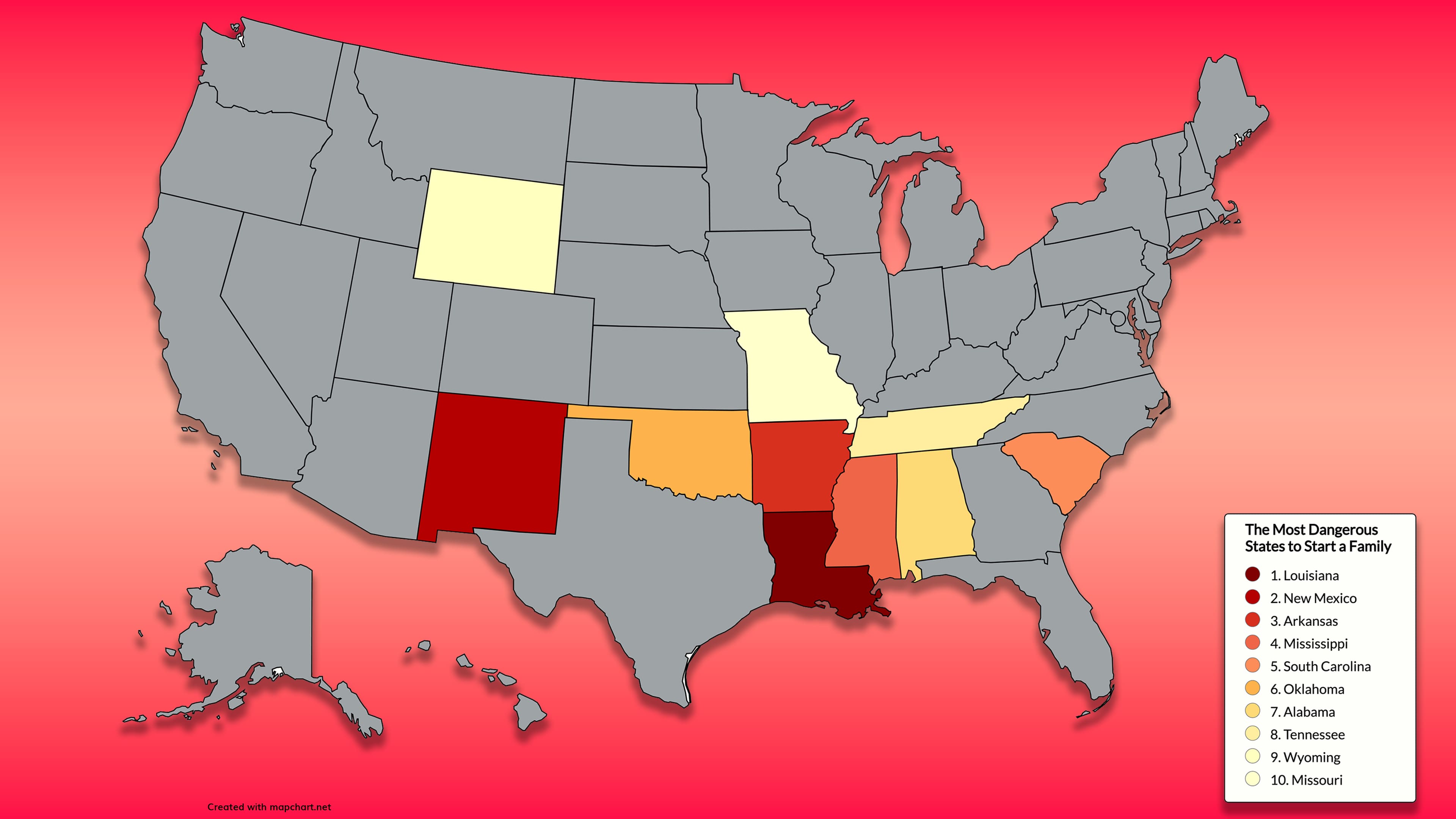
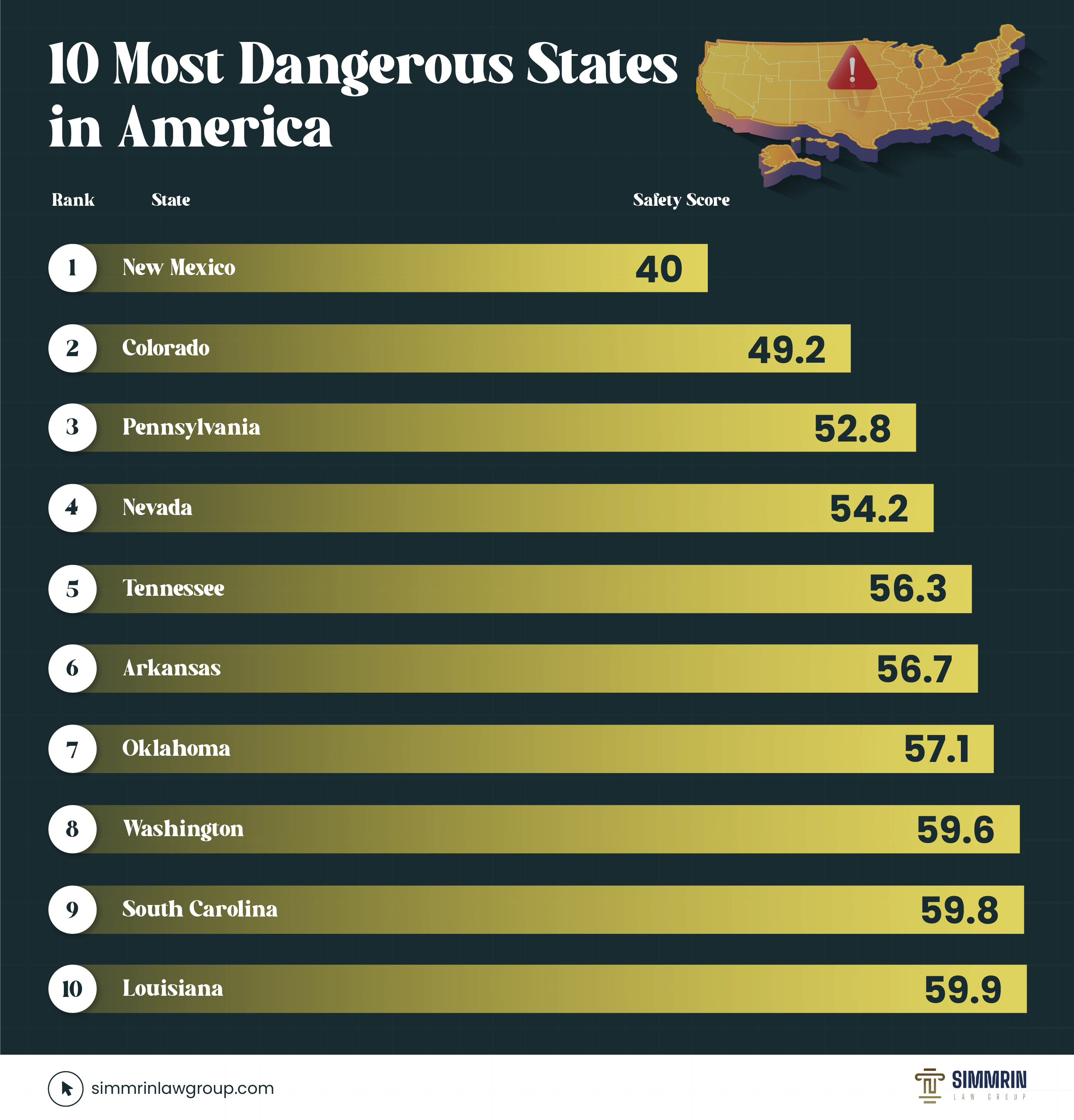
The phrase “dangerous states” typically conjures images of physical peril or geopolitical instability. However, when viewed through the lens of finance, it takes on a profoundly different, yet equally critical, meaning. In the context of personal finance, business finance, and the broader economic landscape, “dangerous states” refer not to geographical locations but to conditions or situations that pose significant threats to financial well-being, stability, and growth. These are the precarious financial environments that can erode savings, stifle wealth creation, and leave individuals and businesses vulnerable to unforeseen shocks.
Understanding these dangerous financial states is the first step toward mitigating their risks and building a more resilient financial future. From the escalating burdens of personal debt to the intricate challenges of economic volatility and the insidious creep of financial illiteracy, the United States presents a complex tapestry of financial hazards that demand careful navigation. This article delves into these critical financial conditions, offering insights into their causes, consequences, and strategies for safeguarding against them within the “Money” niche.
The Looming Shadow of Personal Debt
One of the most pervasive and insidious dangerous financial states for many Americans is the ever-growing burden of personal debt. While debt can be a tool for leverage and investment when managed wisely, uncontrolled or excessive debt accumulation can become a significant drag on financial progress, leading to stress, diminished opportunities, and even bankruptcy. The landscape of personal debt in the US is multifaceted, encompassing various categories, each with its own set of challenges.
The Student Loan Crisis: A Generational Weight
The escalating cost of higher education in the US has created a student loan crisis of epic proportions, representing a dangerous financial state for millions. Student loan debt now totals over $1.7 trillion, impacting a significant portion of the workforce and even retirees. Graduates often enter the job market saddled with substantial monthly payments, which can delay major life milestones such as buying a home, starting a family, or saving for retirement. This debt not only restricts immediate financial flexibility but also dampens entrepreneurial spirit and consumer spending, acting as a brake on broader economic growth. The lack of robust federal support or comprehensive reform for student loan forgiveness or interest rate caps ensures this crisis continues to simmer, threatening the financial futures of successive generations.
Credit Card Debt Accumulation: The High-Interest Trap
Credit cards offer convenience and a lifeline during emergencies, but they are also a primary pathway into a dangerous financial state characterized by high-interest, revolving debt. With average interest rates often exceeding 20%, balances that are not paid off monthly can quickly balloon, trapping individuals in a cycle where minimum payments barely cover the interest, leaving the principal largely untouched. The ease of access to credit, coupled with consumer spending pressures and unexpected expenses, contributes to staggering levels of credit card debt across the nation. This form of debt significantly impacts credit scores, limits access to more favorable loans, and diverts substantial portions of income away from savings and investments, fundamentally undermining financial security.
Mortgage and Housing Affordability Stress
While often considered “good debt” due to its asset-building nature, mortgage debt has also contributed to a dangerous financial state for many, particularly in high-cost-of-living areas. Rapidly rising home prices, coupled with fluctuating interest rates, have pushed homeownership out of reach for many first-time buyers and placed immense financial strain on existing homeowners. The challenge extends beyond the initial purchase, with property taxes, insurance, and maintenance costs adding to the ongoing financial burden. For a significant segment of the population, housing costs consume an outsized portion of monthly income, leaving little room for other essential expenses, savings, or investment. This affordability crisis creates a fragile financial situation for families, making them highly susceptible to economic downturns or job losses.
Navigating the Volatile Economic Landscape
Beyond individual debt burdens, the broader economic environment itself can present dangerous financial states. Fluctuations in inflation, interest rates, and employment, coupled with global market interdependencies, create an unpredictable landscape that requires constant vigilance and strategic adaptation.
Inflation’s Erosion of Purchasing Power
One of the most insidious dangerous financial states is prolonged or high inflation. When the cost of goods and services rises faster than wages or investment returns, the purchasing power of money diminishes. This means that a dollar today buys less tomorrow, silently eroding savings and making everyday life more expensive. For those on fixed incomes, such as retirees, the impact can be particularly devastating. Inflation necessitates a continuous adjustment of financial strategies, from investment choices designed to outpace price increases to budgeting adjustments that prioritize essential spending. Failing to account for inflation can lead to a gradual but significant decline in living standards and the effective value of accumulated wealth.
Recessionary Pressures and Job Security
The cyclical nature of economies means that periods of growth are often followed by contractions, or recessions. A recession represents a dangerous financial state characterized by widespread economic slowdown, often leading to job losses, reduced consumer spending, and declines in corporate profits. For individuals, the threat of unemployment or reduced hours is paramount, directly impacting income streams and the ability to meet financial obligations. Businesses face decreased demand, tighter credit conditions, and pressure to cut costs. Preparing for a recession involves building robust emergency funds, diversifying income sources where possible, and maintaining a lean financial profile to weather potential economic storms.
Global Market Interconnectedness and Systemic Risk
In today’s globalized economy, financial markets are deeply interconnected. Economic or political instability in one major region can quickly cascade across borders, creating a dangerous financial state of systemic risk. Supply chain disruptions, international trade disputes, geopolitical conflicts, and currency fluctuations can all have profound impacts on domestic markets, investment portfolios, and the cost of goods. This interconnectedness means that even seemingly distant events can directly affect personal finances and business operations in the US, demanding a broader perspective on financial risk management.
The Perils of Inadequate Financial Planning
Even in relatively stable economic times, a dangerous financial state can arise from a lack of foresight and strategic financial planning. Without a clear roadmap for managing income, expenses, and assets, individuals and businesses are left vulnerable to foreseeable and unforeseeable challenges.
The Retirement Savings Gap: A Future at Risk
Perhaps one of the most significant and widespread dangerous financial states is the alarming retirement savings gap. A substantial portion of the US population is not saving enough, or not saving at all, for retirement. Factors contributing to this include insufficient access to employer-sponsored retirement plans, stagnant wages, competing financial priorities (like debt repayment), and a lack of understanding about the power of compound interest. The looming consequence is a generation facing financial insecurity in their later years, potentially relying heavily on social safety nets or continued employment well past traditional retirement age. This situation highlights the critical need for early and consistent retirement planning.
Emergency Fund Deficiencies: Exposed to the Unexpected
An emergency fund serves as a crucial buffer against life’s inevitable curveballs—unexpected medical bills, car repairs, sudden job loss, or home repairs. The absence of an adequately funded emergency reserve (typically 3-6 months’ worth of living expenses) constitutes a dangerous financial state. Without this safety net, unexpected expenses often force individuals into high-interest debt, liquidating long-term investments prematurely, or making other financially detrimental decisions. This lack of liquidity makes one highly susceptible to falling into a cycle of debt and despair when unforeseen circumstances arise.
Lack of Financial Literacy: Navigating Blindly
At the root of many dangerous financial states is a fundamental lack of financial literacy. Many individuals lack a comprehensive understanding of basic financial concepts such as budgeting, saving, investing, debt management, and understanding credit. This knowledge gap makes it difficult to make informed financial decisions, recognize predatory lending practices, or effectively plan for the future. Without financial education, individuals are essentially navigating a complex financial world blindfolded, increasing their susceptibility to scams, poor investment choices, and unsustainable spending habits. Enhancing financial literacy across all age groups is a critical preventative measure against these dangerous states.
Emerging Threats to Wealth Preservation
The financial landscape is dynamic, constantly evolving with new technologies, market forces, and criminal enterprises. Staying abreast of these emerging threats is vital for preserving wealth and maintaining financial security.
The Rise of Sophisticated Financial Scams
The digital age has ushered in an era of increasingly sophisticated financial scams, representing a dangerous state of vulnerability for individuals and businesses alike. From phishing attacks and identity theft to elaborate investment frauds and romance scams, criminals are constantly devising new ways to separate people from their money. These scams often exploit psychological vulnerabilities, leveraging fear, urgency, or the promise of unrealistic returns. The financial and emotional toll of falling victim to a scam can be devastating, underscoring the need for constant vigilance, critical thinking, and healthy skepticism regarding unsolicited financial offers.
Cybersecurity Risks in Digital Finance
As virtually all financial transactions and record-keeping migrate to digital platforms, cybersecurity risks have become a paramount dangerous financial state. Data breaches affecting banks, investment firms, and online retailers can expose sensitive personal and financial information, leading to identity theft, fraudulent transactions, and compromised accounts. Individuals must adopt robust cybersecurity practices, including strong passwords, two-factor authentication, and regular monitoring of financial statements and credit reports. For financial institutions, the constant battle against cyber threats is a costly and ongoing necessity to protect client assets and maintain trust.
Healthcare Costs as a Financial Catastrophe
In the US, the high and often unpredictable cost of healthcare represents a significant dangerous financial state for many families. Even with health insurance, out-of-pocket expenses, deductibles, and co-pays can quickly accumulate, particularly in cases of chronic illness or major medical emergencies. For those without adequate insurance or with pre-existing conditions, a serious health event can lead to medical debt that wipes out savings, forces bankruptcy, or severely impacts long-term financial stability. This threat underscores the importance of adequate health insurance coverage, health savings accounts (HSAs), and proactive health management to mitigate financial fallout.
Building Resilience in an Uncertain Financial World
While the dangerous financial states outlined above present formidable challenges, they are not insurmountable. Proactive measures, informed decision-making, and a commitment to continuous financial education can help individuals and businesses build resilience and navigate the complexities of the modern financial world.
Strategic Debt Management and Elimination
Addressing the dangerous state of overwhelming debt requires a strategic approach. This involves creating a detailed budget, prioritizing high-interest debts, and exploring options like debt consolidation or balance transfers where appropriate. For student loans, investigating income-driven repayment plans or potential refinancing can provide relief. The goal should be to systematically reduce and eliminate burdensome debt, freeing up capital for savings and investments.
Diversifying Income Streams and Investments
To combat economic volatility and enhance job security, diversifying income streams is a powerful strategy. This could involve developing side hustles, investing in marketable skills, or exploring passive income opportunities. On the investment front, diversification across various asset classes (stocks, bonds, real estate, commodities) and geographies helps mitigate risk and protect against downturns in specific sectors or markets. A well-diversified portfolio is less susceptible to any single dangerous financial state.
Prioritizing Financial Education and Advisory
The most potent weapon against dangerous financial states is knowledge. Investing time in financial education—through books, reputable online resources, courses, or workshops—empowers individuals to make informed decisions. Furthermore, seeking guidance from qualified financial advisors can provide personalized strategies for budgeting, investing, retirement planning, and risk management. Professional advice can offer clarity and direction, helping to identify potential pitfalls and develop robust financial plans tailored to individual circumstances and goals.

Cultivating a Culture of Saving and Emergency Preparedness
Establishing and consistently funding an emergency savings account is non-negotiable for financial security. Beyond emergencies, cultivating a habit of saving for specific goals (down payment, education, retirement) creates a buffer against future dangerous financial states and builds wealth over time. This requires discipline, realistic budgeting, and often, automating savings to ensure consistency.
The financial landscape of the US, while offering immense opportunities, is also fraught with “dangerous states” that demand careful attention. From the individual burdens of debt and insufficient planning to the broader challenges of economic volatility and emerging threats, understanding these conditions is paramount. By taking proactive steps in debt management, strategic planning, continuous education, and risk mitigation, individuals and businesses can build stronger, more resilient financial foundations, navigating the dangers to secure a prosperous future.
aViewFromTheCave is a participant in the Amazon Services LLC Associates Program, an affiliate advertising program designed to provide a means for sites to earn advertising fees by advertising and linking to Amazon.com. Amazon, the Amazon logo, AmazonSupply, and the AmazonSupply logo are trademarks of Amazon.com, Inc. or its affiliates. As an Amazon Associate we earn affiliate commissions from qualifying purchases.