
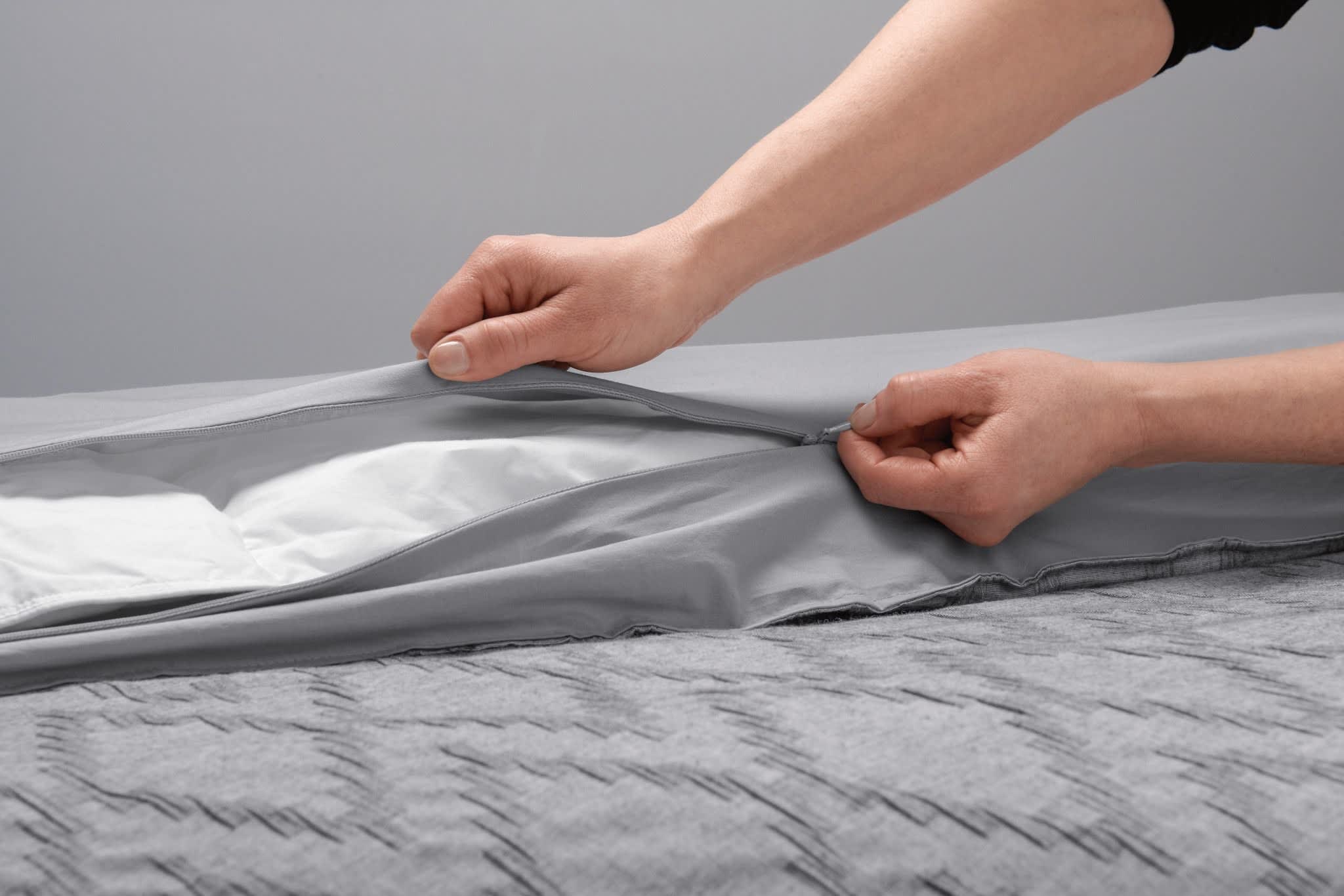
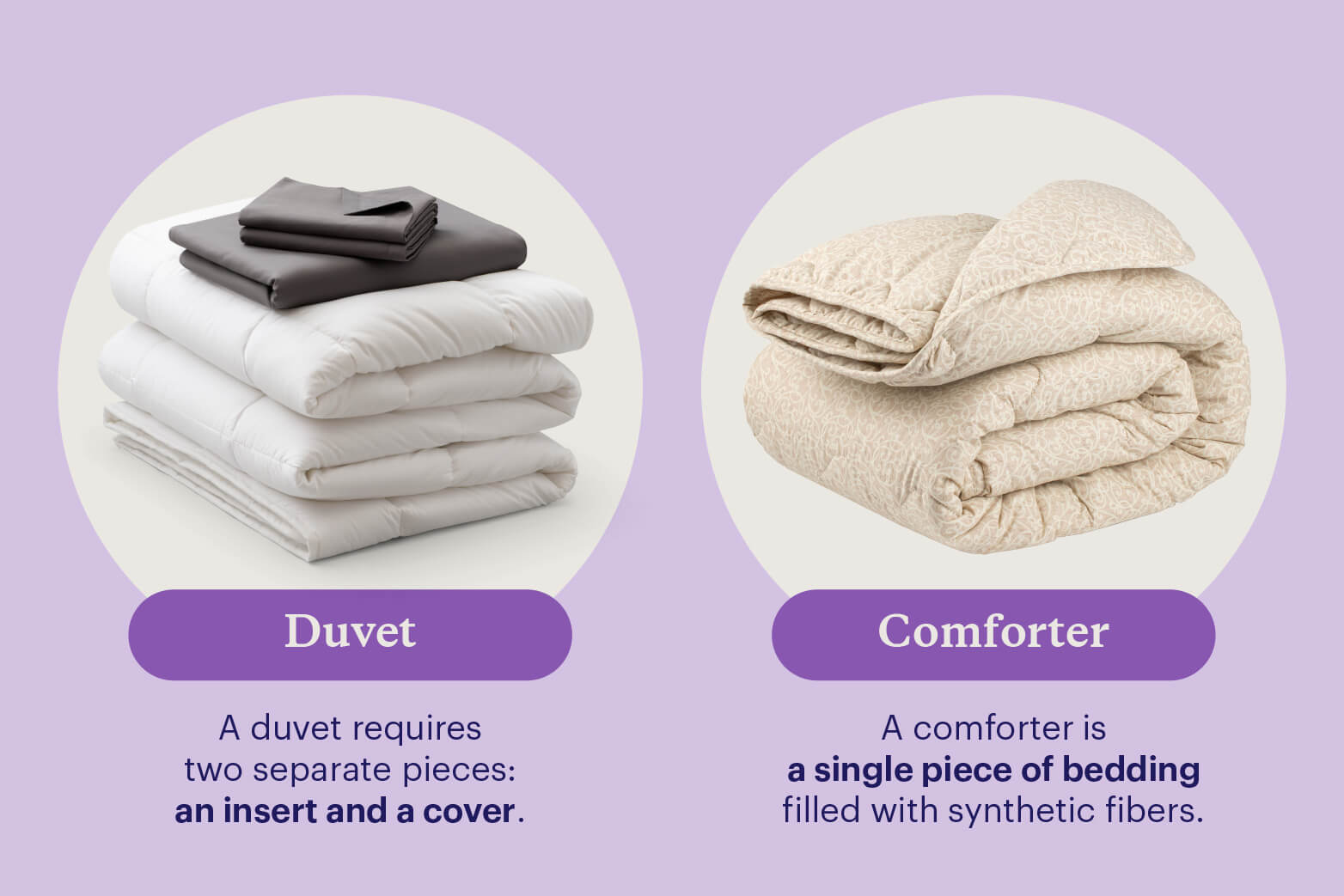
A duvet cover, at its most fundamental, is a protective, decorative casing for a duvet, much like a pillowcase is for a pillow. It’s typically made of fabric, often cotton, linen, or synthetic blends, designed to encase the duvet itself, offering protection from spills, dust, and general wear and tear, while also adding a layer of comfort and style to a bed. Duvet covers feature an opening, usually with buttons, zippers, or ties, to allow the duvet to be inserted and removed easily for washing.
However, to confine the definition of a duvet cover merely to its functional attributes would be to miss its profound significance within the realm of branding—both personal and corporate. In an era where personal spaces are curated to reflect individual identity, and home goods brands strive to forge deep emotional connections with their consumers, the humble duvet cover transforms from a utilitarian item into a powerful branding tool. It dictates the aesthetic of a bedroom, influences mood, and serves as a canvas for self-expression, making it a critical component in the broader strategy of home décor branding and consumer perception. This article delves into how duvet covers operate as a cornerstone of brand identity, exploring their multifaceted role in design, marketing, and the ultimate creation of a desired personal or product brand.

Beyond Mere Protection: The Duvet Cover as a Statement Piece
In the nuanced world of interior design, every element contributes to the overarching narrative of a space. The duvet cover, often the largest textile surface in a bedroom, is arguably the most impactful in defining its character. It transcends its protective function to become a primary visual anchor, a silent communicator of taste, style, and even personality.
Defining Your Personal Aesthetic: How a Duvet Cover Reflects Your Brand
Your bedroom is your sanctuary, a private space meticulously tailored to your comfort and visual preferences. The duvet cover, as its central decorative element, is instrumental in establishing your personal aesthetic—your unique “brand” as expressed through your living environment. Are you drawn to minimalist chic, opting for crisp whites and muted grays that speak of tranquility and understated elegance? Or perhaps your brand resonates with bohemian vibrancy, expressed through eclectic patterns, rich textures, and bold colors that tell a story of global adventures and creative spirit.
Choosing a duvet cover is an act of personal branding, a declarative statement about who you are and what you value. It’s about curating an experience, not just decorating a room. A carefully selected duvet cover can project an image of sophistication, playfulness, serenity, or avant-garde flair. It’s the visual shorthand for your private world, influencing not only your own perception of your space but also, subtly, how others might perceive you if they catch a glimpse of your curated environment. It becomes a reflection of your lifestyle brand, whether that brand is about quiet luxury, sustainable living, or expressive creativity.
The Psychology of Color and Pattern: Subtly Communicating Your Style
The impact of a duvet cover as a branding element is deeply rooted in the psychology of color and pattern. These elements are not chosen arbitrarily; they evoke specific emotions and convey distinct messages, contributing significantly to the desired brand identity of a room.
Colors have inherent psychological associations: blues and greens often suggest calm and nature, ideal for a serene, health-conscious brand; reds and oranges can communicate passion, energy, or warmth for a more dynamic and inviting brand. Neutrals like beige, white, and gray offer versatility and timelessness, aligning with a brand identity that values classic elegance or minimalist sophistication. The conscious choice of a color palette for a duvet cover can subtly reinforce the emotional core of your personal brand or the brand a company wishes to project.
Similarly, patterns tell stories. Geometric patterns might convey order, modernity, or a structured brand personality. Floral designs can speak to romance, nature, or traditional grace. Abstract patterns allow for artistic expression and uniqueness, catering to a brand that prides itself on creativity and individuality. Even the absence of pattern—a solid color or subtle texture—is a deliberate choice that communicates a brand value, often one of simplicity, purity, or understated luxury. Understanding and leveraging these psychological nuances allows for the creation of a bedroom “brand” that is not only visually appealing but also deeply resonant.
The Brand of Comfort: Crafting Consumer Loyalty Through Duvet Covers
For home goods companies, a duvet cover is far more than a product; it’s a tangible representation of their brand promise. The quality, design, and feel of a duvet cover contribute significantly to building trust and fostering loyalty among consumers who are increasingly discerning about what they bring into their homes.
Material Innovation and Perceived Value: Elevating the Duvet Cover Experience
In the competitive market of home textiles, a brand’s ability to innovate with materials directly impacts its perceived value and, consequently, its market position. The choice of fabric for a duvet cover is paramount. Brands that invest in high-quality materials—such as Egyptian cotton with a high thread count, luxurious linen, or innovative eco-friendly fabrics like Tencel—are not just selling a product; they are selling an experience. They are branding themselves as providers of superior comfort, durability, and a touch of luxury.
The tactile experience of a duvet cover—its softness, coolness, or warmth—is a key differentiator. Brands understand that this sensory appeal directly translates into consumer satisfaction and a willingness to pay a premium. For example, a brand specializing in organic cotton duvet covers positions itself as environmentally conscious and health-focused, appealing to a specific consumer segment. By elevating the material experience, companies reinforce their brand identity as reliable, quality-driven, and attuned to the subtle needs of their customers, thereby cultivating a loyal following.
Storytelling Through Design: Weaving Narratives into Bedding
Successful brands don’t just sell products; they sell stories. The design of a duvet cover offers a unique canvas for narrative marketing, allowing brands to communicate their heritage, values, or inspirations directly to the consumer. A brand might release a collection of duvet covers inspired by a particular travel destination, an artistic movement, or a cultural trend. Each design becomes a chapter in the brand’s larger story, inviting customers to become part of that narrative.
Through thoughtful design, a brand can evoke emotions and associations that resonate deeply with its target audience. A duvet cover with a hand-painted floral design might tell a story of artisanal craftsmanship and natural beauty, appealing to a customer who values authenticity and connection to nature. Geometric patterns might convey a brand’s commitment to modernism and urban sophistication. This storytelling approach through design transforms a simple bedding item into a piece of art that carries meaning, fostering a deeper, more emotional connection between the consumer and the brand. It allows the brand to be remembered not just for its products, but for the unique world it creates and the values it represents.
Marketing the Sanctuary: How Brands Position Their Duvet Covers
The way duvet covers are presented and marketed is crucial for shaping consumer perception and solidifying a brand’s place in the market. Strategic marketing goes beyond showcasing the product itself to selling an aspirational lifestyle or a distinct brand promise.
Digital Showcases and Lifestyle Integration: Visual Branding in Action
In the digital age, the marketing of duvet covers heavily relies on visual storytelling and lifestyle integration. Brands leverage platforms like Instagram, Pinterest, and their own e-commerce sites to create immersive digital showcases. Instead of merely displaying a duvet cover on a blank background, they present it within a fully styled bedroom setting. This visual branding strategy is designed to transport the potential customer into an aspirational world where the duvet cover is not just bedding, but a central component of a dream lifestyle.
High-quality photography and videography are used to highlight textures, colors, and patterns, making the online shopping experience almost as tactile as in-person. Brands also integrate their duvet covers into various lifestyle scenarios—a cozy morning with coffee and a book, a minimalist urban apartment, a rustic farmhouse bedroom—to help customers visualize how the product fits into their lives and reflects their personal brand. This visual narrative is essential for building brand identity, demonstrating how the duvet cover contributes to a complete home aesthetic and ultimately, a desired way of living.
Sustainability and Ethical Sourcing: Building a Responsible Brand Image
Modern consumers are increasingly conscious of the ethical and environmental impact of their purchases. For duvet cover brands, integrating sustainability and ethical sourcing into their core identity has become a powerful marketing and branding tool. Brands that openly communicate their commitment to using organic cotton, recycled materials, non-toxic dyes, or fair-trade labor practices build a responsible and trustworthy brand image.
This approach resonates with a growing segment of consumers who seek to align their purchases with their values. By highlighting certifications, transparent supply chains, and environmental initiatives, brands can differentiate themselves in a crowded market. This is not just about compliance; it’s about actively building a brand story centered on integrity, social responsibility, and environmental stewardship. A duvet cover from a brand committed to these principles becomes more than just a home textile; it becomes a statement of conscious consumption, further strengthening the brand’s identity and fostering deep loyalty among its target audience.
The Evolution of Duvet Covers: Adapting to Modern Branding Trends
The role of the duvet cover continues to evolve, adapting to new consumer demands and emerging branding trends, particularly those driven by personalization and the pervasive influence of digital culture.
Personalization and Customization: Empowering the Consumer to Brand Their Space
The desire for individuality and self-expression is a dominant force in modern consumer culture. Duvet cover brands are responding by offering increasing levels of personalization and customization, effectively empowering consumers to become co-creators of their bedroom’s brand identity. This trend moves beyond simply choosing from a pre-designed collection; it allows individuals to select specific colors, patterns, and even fabrics, or to add monograms and bespoke details.
Brands that offer customization options are branding themselves as flexible, customer-centric, and facilitators of unique self-expression. They understand that by allowing consumers to tailor their duvet covers, they create a stronger emotional bond and a deeper sense of ownership. This co-creation process transforms the duvet cover from a mass-produced item into a personalized artifact, a true reflection of the individual’s personal brand, reinforcing the idea that their space is truly their own.
Influencer Culture and Home Decor: The Role of Social Proof
In the age of social media, influencer culture plays a significant role in shaping home decor trends and influencing purchasing decisions for duvet covers. Home decor influencers, interior designers, and lifestyle bloggers become brand ambassadors, showcasing duvet covers in their styled environments and sharing their authentic experiences. This generates social proof, a powerful branding mechanism where consumers are influenced by the choices and endorsements of people they trust or aspire to emulate.
Brands strategically collaborate with influencers to tap into their audience, presenting duvet covers not just as products, but as integral components of aspirational lifestyles. When a popular influencer features a specific duvet cover in their beautifully curated bedroom, it lends credibility and desirability to the product, effectively extending the brand’s reach and impact. This dynamic highlights how modern branding for duvet covers is intrinsically linked to digital visibility and the cultivation of an engaged online community, where peer validation and lifestyle integration are paramount.
Conclusion
From a simple protective covering to a powerful tool for personal and corporate identity, the duvet cover has cemented its place as a critical element in the world of branding. It’s a canvas for personal aesthetic, a testament to material innovation, a vehicle for narrative design, and a focal point in digital marketing strategies. Brands that understand the nuanced role of the duvet cover—its capacity to evoke emotion, communicate values, and foster loyalty—are those that successfully carve out a distinctive identity in the competitive home goods market. For the individual, choosing a duvet cover is an act of deliberate self-expression, a quiet yet impactful statement about the brand of comfort, style, and sanctuary they wish to create within their most private space. Far from being a mere utilitarian item, the duvet cover is, at its heart, a sophisticated instrument of branding.
aViewFromTheCave is a participant in the Amazon Services LLC Associates Program, an affiliate advertising program designed to provide a means for sites to earn advertising fees by advertising and linking to Amazon.com. Amazon, the Amazon logo, AmazonSupply, and the AmazonSupply logo are trademarks of Amazon.com, Inc. or its affiliates. As an Amazon Associate we earn affiliate commissions from qualifying purchases.