
In the highly competitive world of automotive manufacturing, the birth of a new brand is a rare and precarious event. When observers ask, “What type of car is a Genesis?” they are rarely asking about engine displacement or suspension tuning. Instead, they are inquiring about the brand’s soul, its pedigree, and its position within the global hierarchy of prestige. Genesis is not merely a vehicle; it is a masterclass in corporate rebranding and a bold strategic pivot by the Hyundai Motor Group to disrupt the established European hegemony of the luxury car market.

To understand what type of car a Genesis is, one must look past the leather and chrome to the brand strategy that fueled its meteoric rise. It is the physical manifestation of a “challenger brand” that has successfully transitioned from a budget-conscious parentage to a standalone symbol of “Athletic Elegance.”
The Strategic Pivot: From Model Name to Standalone Brand Identity
The story of Genesis is fundamentally a study in brand architecture. Unlike legacy brands like Mercedes-Benz or Cadillac, which have centuries or decades of heritage to lean on, Genesis had to manufacture its prestige from scratch. The name “Genesis” originally appeared in 2008 as a premium sedan model under the Hyundai badge. However, the leadership at Hyundai Motor Group recognized a fundamental ceiling: a “Hyundai luxury car” was an oxymoron to many status-conscious consumers.
Breaking Away from the “Value” Stigma
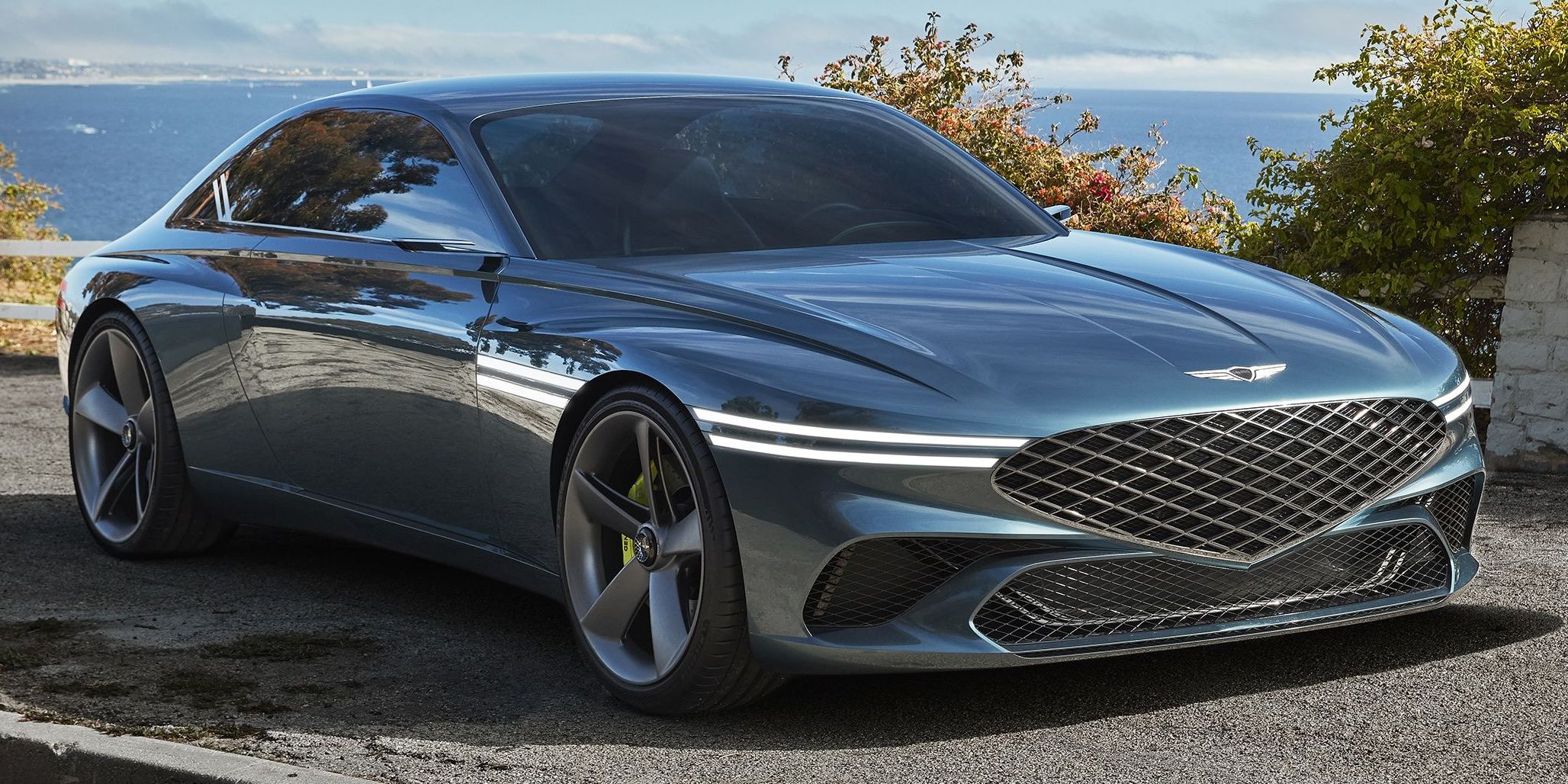
The primary hurdle for Genesis was the “value-brand” perception of its parent company. For decades, Hyundai was synonymous with affordability and industry-leading warranties. To compete with the likes of BMW or Audi, the company realized it couldn’t simply put a nicer interior in a Hyundai. In 2015, Genesis was officially spun off as a standalone brand. This separation was crucial for establishing a unique corporate identity. By removing the “H” logo and replacing it with the winged Genesis emblem, the company signaled to the market that this was a new entity entirely, free from the baggage of economy-class associations.
The Design Language: “Athletic Elegance”
A brand’s identity is most visible through its design language. Genesis recruited world-class talent, including designers like Luc Donckerwolke (formerly of Bentley and Lamborghini), to craft a visual signature that was unmistakable. They landed on a philosophy termed “Athletic Elegance.” This isn’t just marketing jargon; it is a design framework that balances the tension between performance-oriented proportions and sophisticated, minimalist aesthetics. The “Two Lines” architecture—a signature lighting motif that wraps around the vehicle—serves as the brand’s visual shorthand. When you see those two parallel lines, you know exactly what brand you are looking at, a feat of brand recognition that usually takes decades to achieve.
Positioning Genesis in the Global Luxury Market
The luxury automotive sector is notoriously difficult to penetrate. Consumers in this segment are often buying a lifestyle and a status symbol rather than just a mode of transportation. Genesis had to find a “white space” in the market—a gap between the clinical precision of German engineering and the reliability-focused luxury of Japanese rivals like Lexus.
The Challenger Brand Strategy
Genesis positioned itself as a “disruptor” by offering what it calls “New Luxury.” This strategy involves providing a higher level of standard features, superior materials, and a more personalized touch than the established players, often at a more competitive price point. However, Genesis was careful not to market itself as “cheap.” Instead, they focused on “value-added luxury.” By making features like advanced safety suites and Nappa leather standard, they forced consumers to realize how much the “legacy” brands were charging for basic options. This created a brand identity rooted in transparency and generosity rather than the traditional “nickel-and-diming” associated with European luxury.

Competing with the German Big Three
For a long time, the Mercedes-Benz S-Class, BMW 7 Series, and Audi A8 were the undisputed kings of the road. Genesis entered this fray by focusing on the “human-centric” aspect of the brand. While BMW emphasizes “The Ultimate Driving Machine” (performance) and Mercedes-Benz emphasizes “The Best or Nothing” (prestige), Genesis carved out a niche centered on “Mindful Luxury.” This approach focuses on how the car makes the occupant feel—prioritizing quietness, ease of use, and a stress-free environment. This subtle shift in positioning allowed Genesis to appeal to a younger, tech-savvy luxury buyer who values wellness and experience over raw horsepower or ancestral heritage.
The Customer Experience as Brand Equity
A brand is not just what you buy; it is how you are treated. Genesis recognized that if they wanted to be perceived as a top-tier luxury brand, they had to overhaul the entire customer journey. The traditional dealership experience—often the weakest link for many automotive brands—was reimagined to align with the brand’s Korean roots.
The “Son-Nim” Philosophy: Hospitality in Branding
At the heart of the Genesis brand experience is the Korean concept of Son-Nim, which translates to “honored guest.” This philosophy dictates that the brand should treat every customer with the same hospitality one would offer a guest in their home. This is a critical component of their corporate identity. It manifests in the “Genesis Service Valet,” where the brand picks up your car for service and drops off a loaner, ensuring that the owner’s most valuable asset—their time—is respected. By embedding this cultural value into their business model, Genesis created a level of brand loyalty that transcends the product itself.
Retail Transformation and Direct-to-Consumer Models
To further solidify its identity, Genesis began moving away from the traditional “car lot” model. In many markets, they have opened “Genesis Studios” and “Genesis Houses”—urban brand centers that look more like high-end art galleries or boutique hotels than car dealerships. These spaces are designed for brand immersion, not high-pressure sales. This reflects a modern brand strategy that understands the importance of “brand touchpoints” in the digital age. By controlling the environment in which the brand is experienced, Genesis ensures that the perception of luxury remains consistent and untainted by the standard “car salesman” tropes.
Branding the Future: Electrification and Modern Legacy
No brand strategy today is complete without a roadmap for sustainability. For Genesis, the transition to Electric Vehicles (EVs) represents a golden opportunity to further distance itself from the combustion-engine legacy of its parent company and establish itself as a forward-thinking, tech-forward leader.
Sustainable Luxury as a Core Value
Genesis has committed to becoming an all-electric brand by 2030. This is a bold move for a luxury brand, but it aligns perfectly with its “New Luxury” identity. Electrification allows Genesis to double down on its core brand attributes: silence, smoothness, and cutting-edge technology. The “Electrified” versions of their flagship models, such as the G80 and GV70, are marketed not just as eco-friendly alternatives, but as the ultimate versions of those cars. By positioning sustainability as a luxury feature, Genesis is appealing to a socially conscious demographic of “modern affluent” consumers who see their brand choices as an extension of their personal values.
Building Long-Term Brand Loyalty
The ultimate goal of any brand strategy is to turn customers into advocates. Genesis is achieving this by maintaining a relentless focus on quality and innovation. By consistently winning awards for initial quality and long-term reliability, Genesis is building a “modern legacy.” They are proving that you don’t need a century of history to be a prestigious brand; you need a consistent vision, an unwavering commitment to the customer, and a product that over-delivers on its promises.
In conclusion, what type of car is a Genesis? It is a brand that represents the successful evolution of a corporate giant. It is a symbol of how a focused brand strategy—built on the pillars of unique design, cultural hospitality, and a “challenger” mindset—can reshape an entire industry. Genesis is a reminder that in the modern economy, brand identity is as much about the “how” and the “why” as it is about the “what.” It is a luxury car for those who value substance over status symbols, and a brand that has proven that the future of luxury doesn’t always come from Europe—sometimes, it begins with a new “Genesis.”
aViewFromTheCave is a participant in the Amazon Services LLC Associates Program, an affiliate advertising program designed to provide a means for sites to earn advertising fees by advertising and linking to Amazon.com. Amazon, the Amazon logo, AmazonSupply, and the AmazonSupply logo are trademarks of Amazon.com, Inc. or its affiliates. As an Amazon Associate we earn affiliate commissions from qualifying purchases.