
In the high-stakes world of the National Basketball Association, the Larry O’Brien Trophy is more than just a piece of hardware; it is the ultimate validation of a franchise’s existence. From a marketing perspective, a championship is the “Golden Ticket”—the most potent tool for driving merchandise sales, securing premium sponsorships, and expanding a global fan base. However, as of the current era, nearly a third of the league—ten franchises to be exact—have never reached the mountaintop.
For teams like the Phoenix Suns, Utah Jazz, Brooklyn Nets, Orlando Magic, Indiana Pacers, Charlotte Hornets, Minnesota Timberwolves, New Orleans Pelicans, Los Angeles Clippers, and Memphis Grizzlies, the branding challenge is unique. How does a multi-billion dollar corporate entity maintain a premium brand identity and fierce customer loyalty when the “ultimate product” (a championship) has never been delivered? This exploration delves into the sophisticated brand strategies employed by these ringless franchises to remain competitive in the global marketplace.

The Identity Crisis: Branding Beyond the Larry O’Brien Trophy
When a team wins a title, the brand writes itself. It becomes synonymous with “excellence,” “legacy,” and “greatness.” For teams without a title, the marketing department cannot rely on nostalgia or historical dominance. Instead, they must pivot toward a brand identity rooted in resilience, community, and the “pursuit.”
Defining Success Through Cultural Relevance
In the absence of a championship banner, successful NBA brands redefine what “winning” looks like to their stakeholders. For example, the Memphis Grizzlies have masterfully crafted the “Grit and Grind” identity. This brand wasn’t built on a trophy, but on a blue-collar ethos that mirrored the city’s DNA. By aligning the team’s playing style with the local culture, the Grizzlies created a brand that felt authentic and indispensable to their market, making the lack of a championship secondary to the team’s role as a civic symbol.
The Power of the “Perennial Contender” Narrative
Franchises like the Phoenix Suns and the Utah Jazz have historically maintained high winning percentages despite never winning it all. Their brand strategy revolves around “Consistency” and “Elite Performance.” By positioning themselves as “The Team That Is Always There,” they attract a demographic of fans who value stability and high-level entertainment. In brand strategy terms, this is “The Avis Approach”—being number two or three means you have to work harder, a narrative that resonates deeply with a certain segment of the workforce and consumer base.
Loyalty vs. Achievement: The Psychological Contract
The psychological contract between a sports brand and its consumer is different from that of a traditional software or retail brand. In sports, loyalty is often forged in hardship. Marketing teams for titleless franchises often lean into the “One Day” narrative. This creates a powerful emotional investment; the brand becomes a journey that the fan is part of. The “First Title” is a marketing asset that can only be used once, and the anticipation of it is a powerful driver of long-term engagement.
Case Studies in Resilient Branding: The Phoenix Suns and Indiana Pacers
To understand how to market a championship-less team, one must look at the divergent strategies of the Phoenix Suns and the Indiana Pacers. Both are respected organizations, yet their brand architectures are worlds apart.
The ‘Suns’ Energy’ and Modern Aesthetic
The Phoenix Suns have one of the most vibrant brand identities in professional sports. From the iconic “Burst” logo of the 1990s to the recent “The Valley” jerseys, the Suns use visual branding to evoke a sense of place and lifestyle. Their brand strategy is not just about basketball; it is about the “Vibe” of the Southwest. By leaning heavily into high-concept design and lifestyle apparel, the Suns have moved their brand into the “Streetwear” and “Pop Culture” categories. This allows the brand to thrive commercially even during rebuilding years.
The Pacers and the ‘Gold & Blue’ Consistency
The Indiana Pacers operate in one of the most basketball-saturated markets in the world. Their brand strategy is rooted in “Tradition” and “Purity.” In Indiana, basketball is a heritage product. The Pacers’ branding avoids the flashiness of West Coast teams, focusing instead on the “State of Basketball” campaign. This strategy reinforces the idea that the team is the guardian of a local tradition. By positioning the brand as a community asset rather than just a commercial venture, the Pacers maintain a stable financial floor, regardless of their championship status.
Bridging the Gap with Star Power
Both franchises have historically used “Individual Brand Integration” to bolster the corporate brand. Whether it was Reggie Miller in Indiana or Charles Barkley and Steve Nash in Phoenix, these teams leveraged the personal brands of superstars to provide the “Prestige” that a championship usually provides. This is a common tactic in brand management: when the core product lacks a specific feature (a title), you use an “Endorser” (a superstar) to provide the missing equity.
The Narrative of Potential: How the Los Angeles Clippers Rebranded Out of the Shadows

Perhaps no team in professional sports has faced a more difficult branding challenge than the Los Angeles Clippers. For decades, the Clippers were defined not just by their lack of championships, but by a brand identity associated with failure and a “second-class” status in their own city.
Shedding the ‘Cursed’ Label
The rebranding of the Clippers since Steve Ballmer’s acquisition is a masterclass in corporate identity overhaul. The first step was a total visual reset. By moving away from the aesthetic that mirrored the Lakers and moving toward a bold, nautical-themed “Clipper” identity (complete with a new logo and color palette), the team signaled a break from the past. In branding, visual cues are the quickest way to tell the market that the “Product” has changed fundamentally.
Building a New Corporate Identity
The Clippers’ new brand is built on “Innovation” and “Modernity.” While the Lakers own “History,” the Clippers are attempting to own “The Future.” This is reflected in their investment in Intuit Dome, their new arena, which is marketed as a technological marvel. By focusing on the “Fan Experience” and “Tech Integration,” the Clippers are pivoting the brand away from the win/loss column and toward “Customer Experience Excellence.”
The Role of Star Power in Brand Perception
Bringing in Kawhi Leonard and Paul George was a strategic move to provide “Instant Credibility.” In the world of brand strategy, this is known as “Brand Borrowing.” By associating with players who have won elsewhere, the Clippers are attempting to “infect” their own brand with the DNA of a champion. It is a calculated risk designed to bridge the aesthetic gap between a “contender” and a “champion.”
Strategic Fan Engagement for the Ringless
For teams without a title, the marketing focus must shift from “Celebrating Greatness” to “Cultivating Belonging.” If you cannot offer the fan the pride of a trophy, you must offer them the pride of community.
Emotional Connection and Community
The Memphis Grizzlies and the Oklahoma City Thunder (while the Thunder have a title from their Seattle days, their OKC identity is effectively new) excel at “Hyper-Local Branding.” By being the only major professional sports team in their respective markets, they become the “Primary Identity” for the city. The brand becomes a civic service. Marketing campaigns focus on “Our City” and “Our Team,” making the fan feel like a stakeholder in the franchise’s growth.
Leveraging Digital Media for Brand Loyalty
In the digital age, a brand is defined by its social media presence. Teams like the Brooklyn Nets have leveraged their “New York Cool” and “Brooklyn Grit” to build a massive global following that is largely independent of their on-court success. Through high-quality video content, influencer collaborations, and digital storytelling, they have turned the Nets into a “Lifestyle Brand.” This digital-first strategy ensures that the brand remains relevant to Gen Z and Alpha consumers who value “Aesthetic” and “Hype” as much as historical statistics.
Merchandise and the ‘Cool’ Factor
One of the most fascinating trends in sports branding is the “Cool Loser” phenomenon. Certain team logos and colors become fashion statements regardless of the team’s record. The Charlotte Hornets, for example, have consistently high merchandise sales due to their unique teal and purple color scheme and their association with Michael Jordan. The “Hornets Brand” exists as a fashion entity that is almost entirely decoupled from the team’s lack of a championship. This is the pinnacle of brand diversification—where the brand’s visual equity outweighs the product’s performance.
The Future of the Ringless Brand: Adapting to a Title-Driven Media Landscape
As the NBA continues to expand globally, the pressure on ringless teams to define their brand will only increase. In a world of “Ring Culture,” where social media pundits judge a player or team solely on championships, these ten franchises must be proactive.
Data-Driven Storytelling
The future of branding for these teams lies in data. By using advanced analytics, teams can tell stories of “Incremental Progress” to their season ticket holders and corporate sponsors. Showing that the team is “Top 5 in Defensive Efficiency” or “Number 1 in Fan Engagement Growth” provides a narrative of success that keeps stakeholders invested in the long-term vision.
Global Expansion Strategies
For a team like the Orlando Magic, the brand is increasingly global. By positioning themselves as “The Global Team” (aided by their proximity to Disney and international tourism), they can build a brand that is focused on “Entertainment” rather than just “Sports.” This diversification protects the brand from the volatility of the NBA standings.
The Ultimate Payoff: The “First Time” Narrative
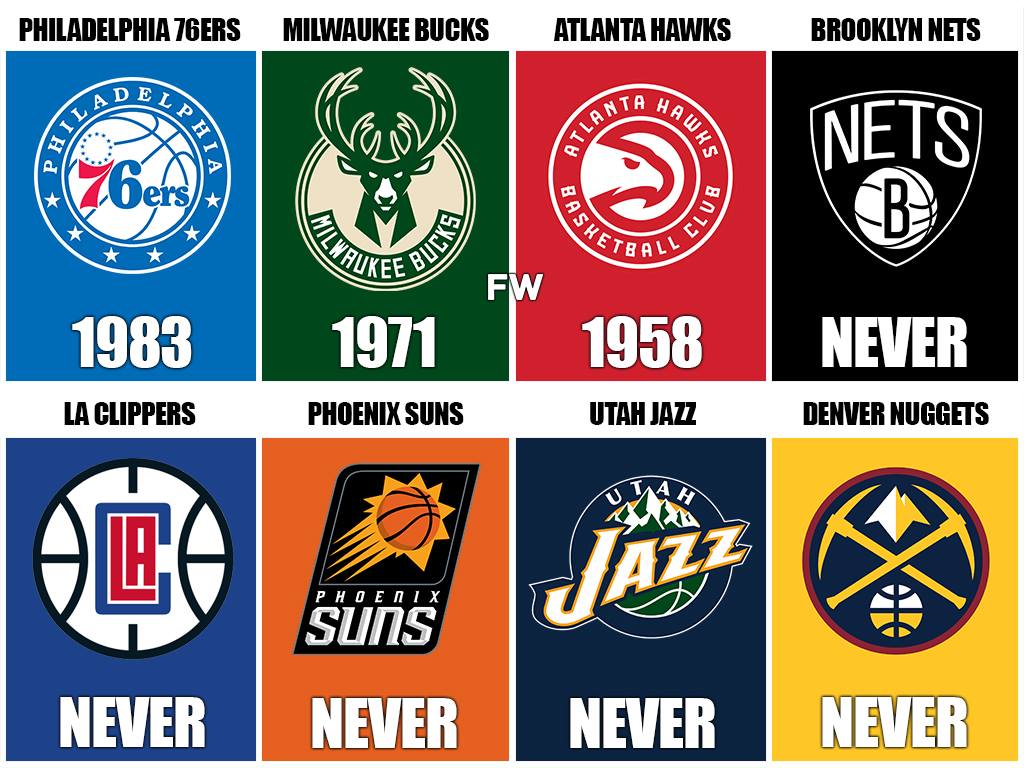
Ultimately, every branding effort by these ten teams is a setup for the “Big Payoff.” The marketing potential of a “First Time Champion” is significantly higher than that of a repeat winner. When the Denver Nuggets won their first title in 2023, the brand explosion was massive because of the decades of “Underdog” equity they had built. For the remaining ten teams, their lack of a championship is not just a void—it is a “Stored Brand Asset” that will one day be cashed in for a marketing campaign of historic proportions.
In conclusion, an NBA team doesn’t need a championship to have a world-class brand. By focusing on cultural relevance, visual identity, community engagement, and strategic storytelling, these franchises have proven that the “Pursuit of Excellence” is often just as marketable as excellence itself.
aViewFromTheCave is a participant in the Amazon Services LLC Associates Program, an affiliate advertising program designed to provide a means for sites to earn advertising fees by advertising and linking to Amazon.com. Amazon, the Amazon logo, AmazonSupply, and the AmazonSupply logo are trademarks of Amazon.com, Inc. or its affiliates. As an Amazon Associate we earn affiliate commissions from qualifying purchases.