
In the modern technological landscape, the term “Vinci Code” has transcended its origins in historical mystery and literature to become a profound metaphor for a new era of engineering. In the tech sector, the “Vinci Code” refers to the delicate, often elusive synthesis of high-level logic and creative intuition. It represents the blueprint for systems that are not only functionally superior but also aesthetically and ethically sound. As we navigate the complexities of the fourth industrial revolution, understanding this code is essential for developers, data scientists, and hardware engineers who aim to build the next generation of human-centric technology.

The “Vinci Code” in tech is not a single string of binary or a hidden algorithm; rather, it is a multidisciplinary framework. It suggests that the most successful technological breakthroughs occur when we stop viewing “art” and “science” as separate silos and start treating them as a unified discipline. This article explores the depths of this technical philosophy, from its roots in Renaissance polymathy to its modern application in artificial intelligence, user experience, and secure systems architecture.
The Evolution of the Vinci Code: From Renaissance Art to Modern Algorithms
To understand the Vinci Code in a technical context, one must first look at the methodology of its namesake, Leonardo da Vinci. Leonardo did not see a boundary between his anatomical drawings and his designs for flying machines. In the tech world, this translates to a rejection of “narrow specialization” in favor of a holistic systems-thinking approach.
The Renaissance Man as a Model for Modern Developers
The modern software engineer is often pressured to specialize in a single language or framework. However, the Vinci Code suggests that the “Full-Stack Developer” is only the beginning. The next evolution is the “Polymath Engineer”—someone who understands the underlying physics of hardware, the mathematical foundations of machine learning, and the psychological nuances of human-computer interaction (HCI). By adopting this multi-layered perspective, developers can write code that is more resilient and adaptable to different environments.
Bridging the Gap Between Logic and Aesthetics
For decades, back-end engineering was viewed as the “brain” (pure logic) while front-end design was the “face” (pure aesthetics). The Vinci Code breaks this dichotomy. In modern application development, the logic is the aesthetic. Efficient, clean code leads to faster load times, smoother transitions, and a more intuitive user experience. When a system is architected with the “Vinci” mindset, the elegance of the data structure directly informs the elegance of the user interface.
The Core Pillars of the Vinci Code in Software Development
When we talk about the “Vinci Code” as a technical framework, we are referring to three foundational pillars: Semantic Architecture, Proportional Design, and Adaptive Intelligence. These pillars ensure that a digital product is sustainable and scalable.
Semantic Architecture: Understanding Context, Not Just Syntax
Traditional programming relies heavily on syntax—getting the commands right so the machine can execute them. The Vinci Code prioritizes semantics. This involves building systems that understand the context of the data they process. In modern web development, this is seen in the move toward the Semantic Web and Knowledge Graphs. By embedding meaning into the architecture itself, systems become more interoperable and are better prepared for the integration of Large Language Models (LLMs).
Proportional Design: The Golden Ratio in UI/UX
Leonardo famously used the Golden Ratio to create compositions that were naturally pleasing to the human eye. In the tech world, the Vinci Code applies these mathematical proportions to User Interface (UI) and User Experience (UX) design. This isn’t just about making things look “pretty”; it’s about cognitive load. By using grid systems based on natural proportions, developers can create layouts that the human brain can process more efficiently, reducing “digital fatigue” and increasing user retention.
Adaptive Intelligence: Learning from the Environment
A static piece of software is a dying piece of software. The Vinci Code dictates that systems must be “living” entities. This is achieved through adaptive algorithms that learn from user behavior and environmental data. Whether it is a responsive web design that adjusts to foldables and wearables or a cloud infrastructure that auto-scales based on predictive traffic patterns, adaptability is the hallmark of the Vinci approach.

The Role of Generative AI and Neural Networks
Perhaps the most significant application of the Vinci Code today is in the realm of Artificial Intelligence. If the original “code” was about deciphering the laws of nature, the modern tech version is about replicating the creative process through neural networks.
How Modern LLMs Mimic the Da Vinci Method
Large Language Models (LLMs) like GPT-4 or Claude do not just retrieve information; they synthesize it. This synthesis is remarkably similar to the way Leonardo would combine observations from biology to solve problems in engineering. Modern AI uses “cross-domain” training, where a model trained on code can become better at logical reasoning in natural language. This cross-pollination of data is the “Vinci Code” in action—finding hidden patterns across seemingly unrelated datasets to generate something entirely new.
Breaking the “Black Box”: Interpreting Complex Machine Learning Models
One of the greatest challenges in AI is the “Black Box” problem—the inability to see exactly why an AI made a specific decision. The Vinci Code philosophy pushes for “Explainable AI” (XAI). Just as Leonardo’s notebooks meticulously documented the “why” behind his inventions, modern developers are using the Vinci Code to build transparency into AI. This involves creating visualization tools and interpretability layers that allow humans to audit and understand algorithmic outputs, ensuring that the “code” remains within human control.
Implementing the Vinci Code in Digital Security and Data Ethics
Innovation without security is a recipe for disaster. The Vinci Code extends into the realm of digital security, advocating for a layered, artistic approach to protecting data, often referred to as “Defense in Depth.”
Sfumato in Encryption: Layered Security Protocols
“Sfumato” is a painting technique used by Da Vinci to blend colors and tones so subtly that there is no perceptible transition. In cybersecurity, this principle can be applied to data obfuscation and multi-layered encryption. Rather than having a single “hard shell” (like a firewall), the Vinci Code suggests a “Sfumato” approach where security is diffused throughout the entire stack. From zero-trust architecture to polymorphic code that changes its signature to evade detection, the goal is to create a security perimeter that is seamless and difficult for attackers to pin down.
The Ethics of Creation: Responsible AI Governance
Leonardo was often hesitant to release some of his more destructive designs (like his “tank”) out of fear of how they might be used. This ethical foresight is a critical component of the modern Vinci Code. In an era of deepfakes and automated surveillance, the “code” demands that engineers consider the societal impact of their creations. This includes building “Bias Detection” into algorithms and ensuring that data privacy is not an afterthought but a core design principle—often called “Privacy by Design.”
The Future of the Vinci Code: Toward a Unified Tech Philosophy
As we look toward the future, the Vinci Code will likely become the standard for how we approach “Deep Tech” and the “Metaverse.” It represents a move away from “disposable tech” toward “enduring tech.”
The Rise of the Polymath Engineer
The demand for specialized coders is being replaced by a demand for “Architects of Intelligence.” These are professionals who can navigate the ethics of AI, the complexities of quantum computing, and the nuances of human psychology. To master the Vinci Code, the next generation of tech talent must be as comfortable reading a philosophy paper as they are debugging a Python script.
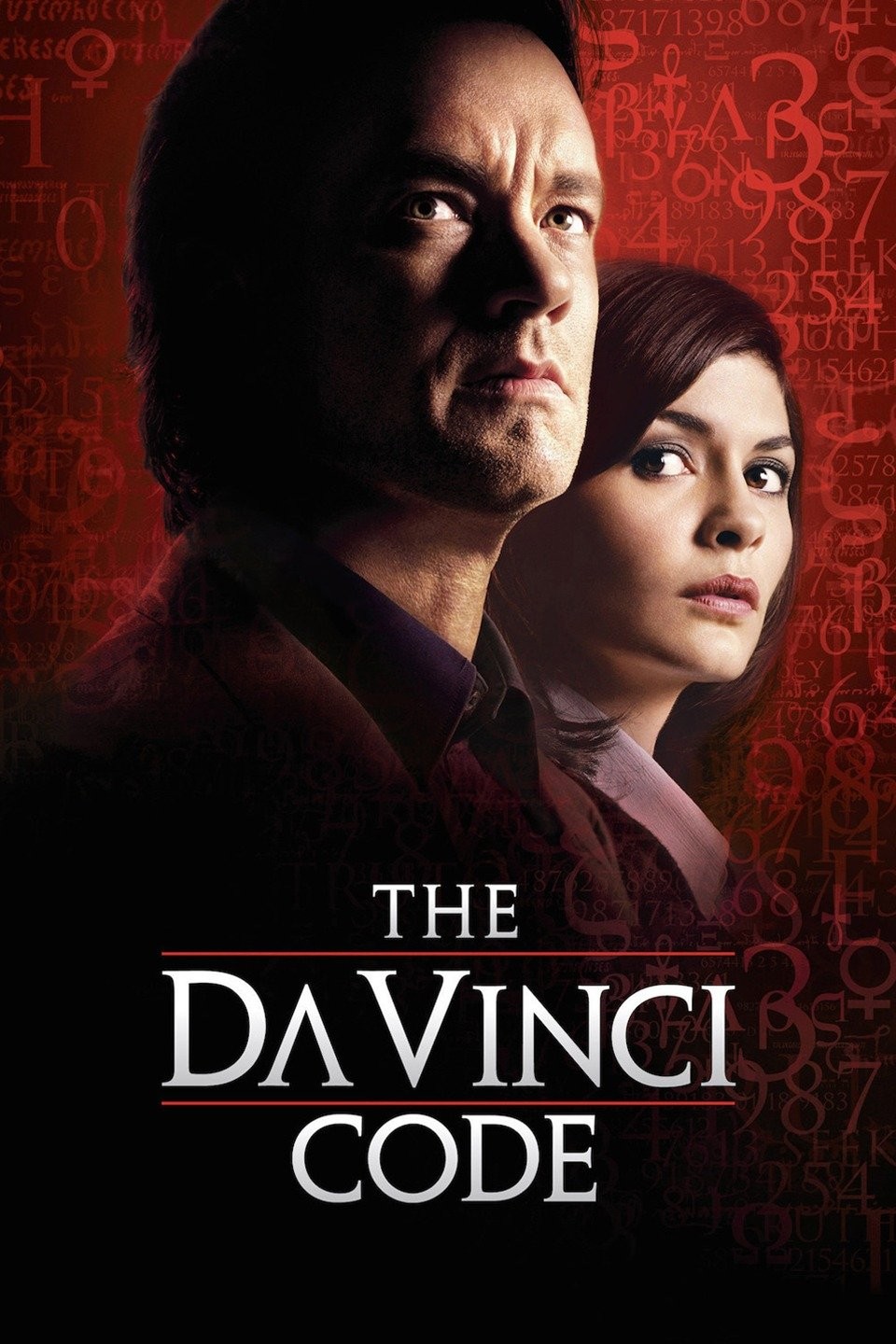
Why Every Future Tech Stack Needs a Vinci Strategy
In a saturated market, functionality is no longer a competitive advantage—it is a baseline. To truly stand out, companies must adopt a Vinci Strategy: a commitment to building technology that is harmonized with human needs and natural laws. This means moving beyond “feature-chasing” and focusing on “systemic elegance.” Whether it’s reducing the carbon footprint of data centers (Green Tech) or creating more inclusive accessibility features, the Vinci Code provides the roadmap for a more sophisticated, sustainable digital future.
By decoding the Vinci Code, the tech industry can move past the era of “move fast and break things” into a more mature era of “design with purpose and build with precision.” It is the ultimate framework for an age where the line between the digital and the physical continues to blur, demanding a new kind of genius that is equal parts artist and engineer.
aViewFromTheCave is a participant in the Amazon Services LLC Associates Program, an affiliate advertising program designed to provide a means for sites to earn advertising fees by advertising and linking to Amazon.com. Amazon, the Amazon logo, AmazonSupply, and the AmazonSupply logo are trademarks of Amazon.com, Inc. or its affiliates. As an Amazon Associate we earn affiliate commissions from qualifying purchases.